Jaioa
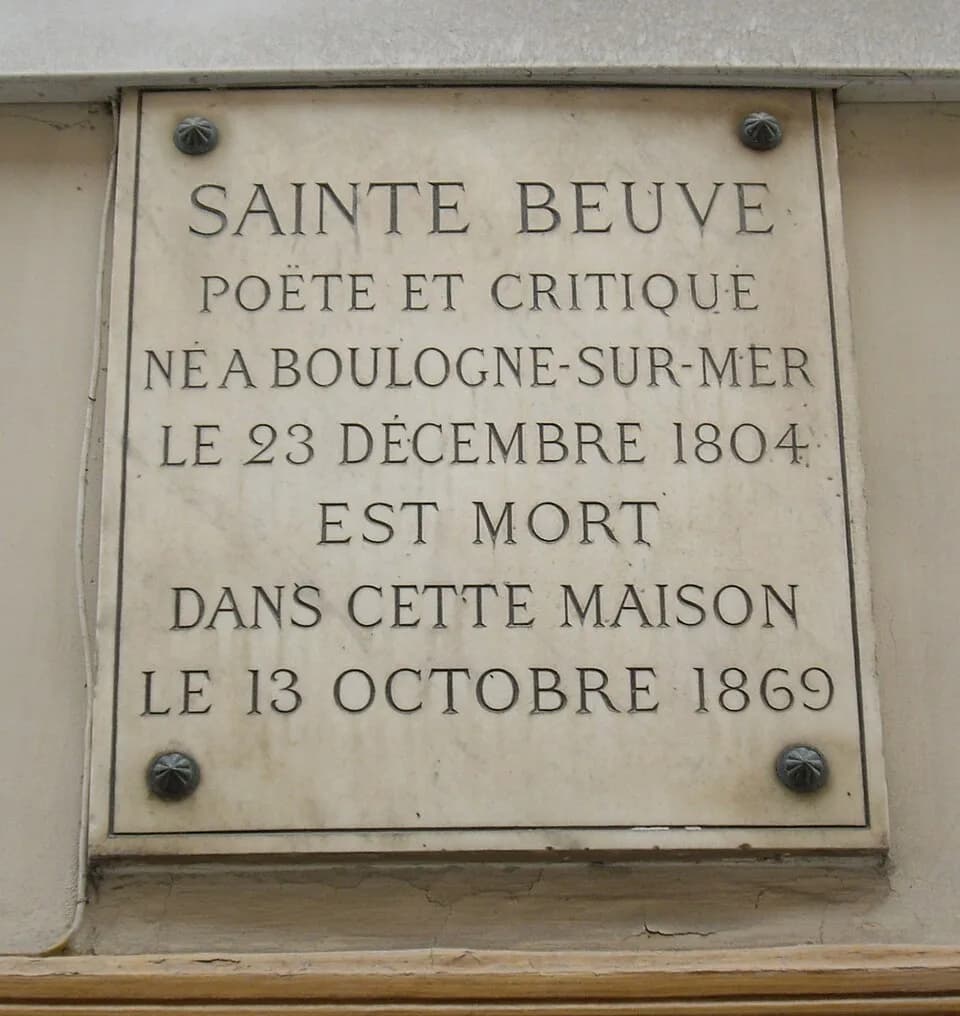
December 23, 1804
Boulogne-sur-Mer, France
Hila
October 13, 1869
Paris, France
Ezaugarriak
French literary critic
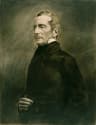
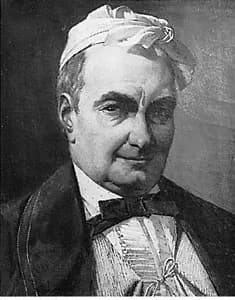
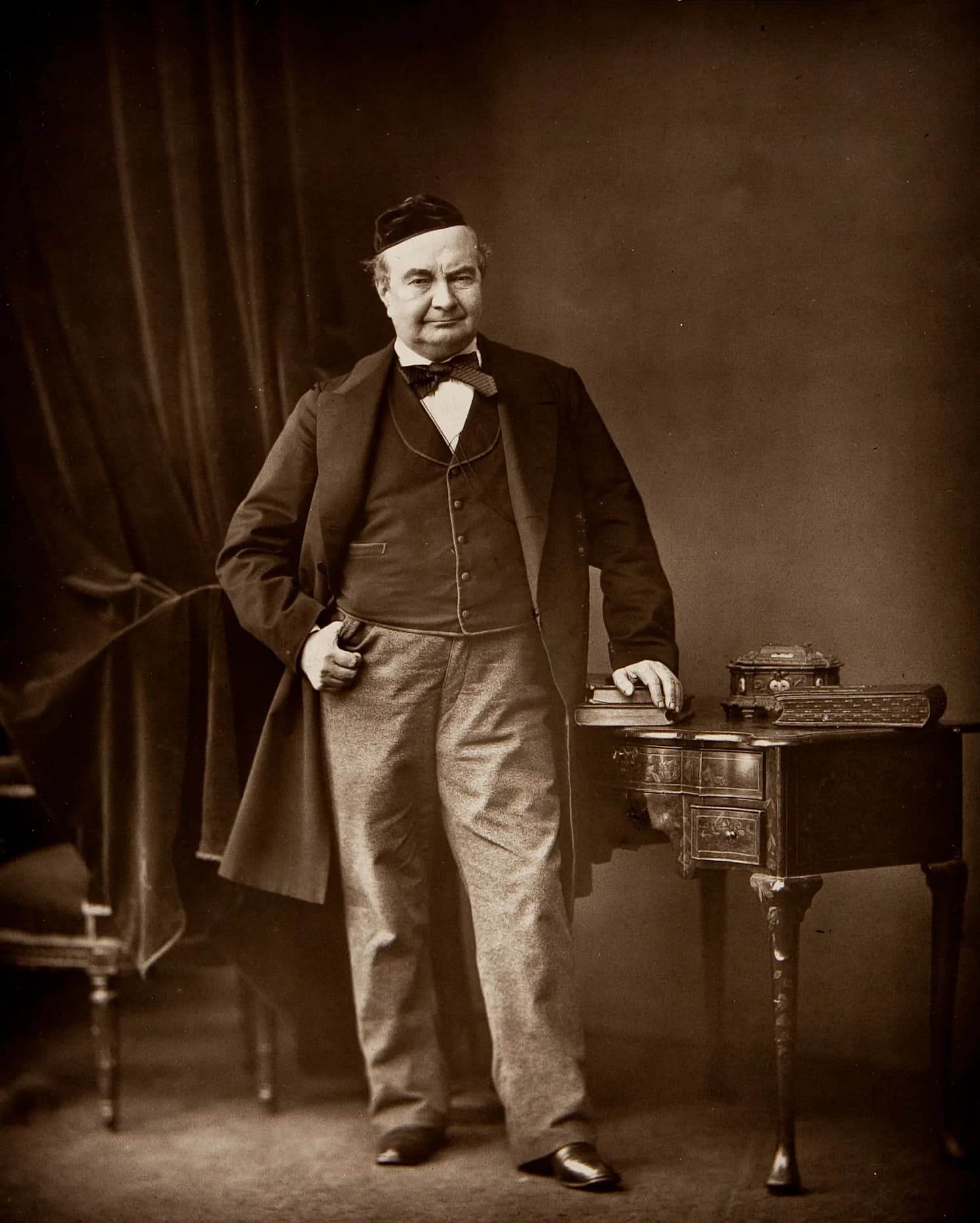
Charles-Augustin Sainte-Beuve (December 23, 1804 – October 13, 1869) was a French literary critic from Boulogne-sur-Mer. He significantly influenced 19th-century literary thought through his extensive critical essays and historical studies. His biographical approach to criticism established new methods for understanding authors and their works.
Bizitza uneetan
Bizitza moldatu zuten uneak
0 kapitulua
Bizitzako kapituluak
1 kapitulua · 1804· 1. kapitulua 8tik
Introduction to a Literary Figure
Remembering Charles-Augustin Sainte-Beuve, a distinguished French literary critic who lived from December 23, 1804, until October 13, 1869, we honor a figure whose influence extended across several academic and literary fields. Born in Boulogne-sur-Mer and passing in Paris, Sainte-Beuve made significant contributions as a writer, poet, professor, aphorist, politician, historian, and literary historian throughout his active professional life. His critical insights helped shape the understanding and appreciation of French literature during the 19th century, establishing a methodological approach that continues to be discussed and analyzed in academic circles.
Sainte-Beuve's extensive career saw him become a defining voice in French letters. His work as a literary critic was not merely evaluative but also deeply contextual, often exploring the lives and historical environments of the authors he studied. This holistic perspective allowed him to provide richly textured analyses that resonated with readers and scholars alike, leaving an enduring mark on the discipline of literary criticism.
2 kapitulua · 1804· 2. kapitulua 8tik
Early Life and Origins
Charles-Augustin Sainte-Beuve began his life on December 23, 1804, in Boulogne-sur-Mer, a coastal town in France. His formative years in this region of France provided the backdrop for his intellectual development, fostering an environment where curiosity and learning could flourish. The cultural milieu of early 19th-century France offered fertile ground for a budding intellectual, influencing his later dedication to literature and history.
While specific details of his early family life and upbringing are not extensively documented in the provided information, the setting of his birth contributed to the cultural context that would later define his literary pursuits. His early education would have exposed him to the classical traditions and emerging romantic movements that were shaping French thought, preparing him for a career deeply engaged with the printed word.
3 kapitulua· 3. kapitulua 8tik
Career Beginnings and Evolution
Sainte-Beuve's path into the world of letters began with his early work as a writer and poet, showcasing his talent for creative expression. These initial ventures into imaginative writing honed his linguistic skills and provided a fundamental understanding of literary construction, elements that would later serve his critical endeavors. It was through these early literary efforts that he began to cultivate the nuanced appreciation for style and form that became a hallmark of his approach to criticism.
The transition to literary critic was a natural evolution for Sainte-Beuve, allowing him to channel his deep understanding of literature into analytical and interpretive writing. He applied his keen intellect to evaluating the works of his contemporaries and predecessors, developing a distinct voice that quickly gained recognition. His early critical essays began to appear in various publications, establishing his reputation as a thoughtful and influential commentator on the French literary scene.
Beyond his primary role as a critic, Sainte-Beuve’s early career also saw him embrace the role of an aphorist, crafting concise and profound observations on life and letters. This facet of his work highlighted his ability to distill complex ideas into memorable statements, further demonstrating his versatility as a writer and thinker. These varied initial pursuits laid the foundation for a career marked by intellectual breadth and continuous contribution.
4 kapitulua· 4. kapitulua 8tik
Major Achievements and Career Highlights
As a French literary critic, Charles-Augustin Sainte-Beuve became a central figure in the intellectual discourse of his era, defining a particular method of literary analysis. His approach often involved a careful examination and evaluation of literary texts, frequently contextualizing them within the lives and times of their authors. This biographical criticism was revolutionary for its time, seeking to understand the writer as a whole person, not just as the creator of texts.
Beyond criticism, he held positions as a professor, sharing his knowledge and shaping the next generation of scholars and writers with his insights into French literature and history. His academic tenure provided a formal platform for disseminating his critical theories and historical perspectives, influencing countless students and colleagues. This teaching role was a significant highlight, reinforcing his authority in the literary world.
Sainte-Beuve’s engagement extended even to the political sphere, demonstrating a civic commitment alongside his literary and academic pursuits. While the specifics of his political activities are not detailed, his involvement suggests a broader interest in the societal fabric of France. His various professions—writer, poet, professor, aphorist, politician, historian, and literary historian—collectively illustrate a career filled with diverse accomplishments and intellectual contributions.
5 kapitulua· 5. kapitulua 8tik
Personal Life
Details regarding Charles-Augustin Sainte-Beuve's personal and familial life, beyond his birth and death places, are not specified within the available information. His public persona and documented life appear to have been primarily centered on his extensive intellectual and professional activities. It can be inferred that his devotion to literature, history, and criticism consumed much of his time and energy.
This focus on his literary and academic work underscores a life dedicated to the advancement of French letters and historical understanding, rather than on personal anecdotes. While we may not have specific accounts of his relationships or personal interests, his published works and professional engagements offer a portrait of a man deeply immersed in the cultural and intellectual currents of his time, contributing tirelessly to French thought.
6 kapitulua· 6. kapitulua 8tik
Notable Works and Contributions
Among Charles-Augustin Sainte-Beuve’s significant literary contributions is his substantial work, `Œuvres de C.-A. Sainte-Beuve, Vol. 2: Tableau de la Poésie Française au Xvie Siècle (Classic Reprint) (French Edition)`. This volume exemplifies his profound interest in literary history, providing readers with an insightful and structured overview of French poetry during the 16th century. His meticulous research and analytical perspective allowed him to illuminate a crucial period in French literary development, making this a valuable resource for scholars and enthusiasts alike.
Another important contribution reflecting his critical depth is `Vigny, Port- Royal tome II : Livres III - V [Bibliotheque de la Pleiade] (French Edition)`. This publication showcases his detailed engagement with specific literary figures and movements, such as the influential Port-Royal school of thought and the work of Alfred de Vigny. Sainte-Beuve's critical engagement with these subjects highlights his ability to blend historical context with astute literary analysis, offering enduring perspectives on classic French texts and their cultural settings.
His academic presence is also evidenced by his prolific output, with a reported 622 papers and an h-index of 5, indicating a significant volume of scholarly activity. While many of the most recently listed academic papers, such as the 'Arthur' series from 2017 (e.g., 'Arthur - Annexe 2 - Extraits des documents fournis par Guttinguer à Sainte-Beuve'), appear to be modern scholarly editions or examinations of his correspondence and historical fragments, they confirm the ongoing academic interest in his work and methods. These modern publications, though released long after his passing, speak to the lasting relevance of the primary materials he produced during his lifetime as a literary historian and critic, showing how his writings continue to generate scholarly inquiry.
7 kapitulua · 1869· 7. kapitulua 8tik
Later Years and Final Chapter
Charles-Augustin Sainte-Beuve continued his intellectual pursuits and critical writing throughout his later life, maintaining his prominence in French literary circles. His contributions remained influential until his passing on October 13, 1869, in Paris, France, the cultural heart of the nation. His final years were spent amidst the intellectual vibrancy of the city where his career had flourished, surrounded by the literary world he had so deeply engaged with.
Even in his last years, his commitment to literary analysis and historical scholarship did not wane. He left behind a completed body of work for future generations to study, ensuring that his critical methodologies and historical insights would continue to inform and inspire. His departure marked the end of an era for many, yet the foundation he laid for modern literary criticism endured.
8 kapitulua· 8. kapitulua 8tik
Legacy and Impact
The legacy of Charles-Augustin Sainte-Beuve as a French literary critic is substantial and far-reaching, deeply influencing the academic approach to literature. He established a distinctive method of criticism, often emphasizing the biographical context of authors as integral to understanding their works, a perspective that sparked both admiration and debate among subsequent critics. His detailed historical studies and insightful analyses provided a robust framework for literary scholarship, shaping how later generations would approach the study of French literature.
His wide-ranging activities as a writer, poet, professor, aphorist, historian, and politician collectively cemented his position as a central figure in 19th-century French intellectual life. Sainte-Beuve’s influence extended beyond specific critical judgments, establishing a rigorous intellectual standard for engaging with texts and their creators. His enduring presence in literary discourse ensures his continued academic recognition and appreciation for his methodological contributions to the field.
Denbora-lerroa
Bizitza begirada batean
Argazki galeria
Bizitza iruditan
Egin klik edozein polaroidetan handitzeko · 49 argazki
QR kodea
Partekatu Biografia Hau
Inprimatu eta partekatu
Eskaneatu biografia orri hau bisitatzeko. Inprimatu ekitaldi, erakusketa edo hezkuntza materialetarako.