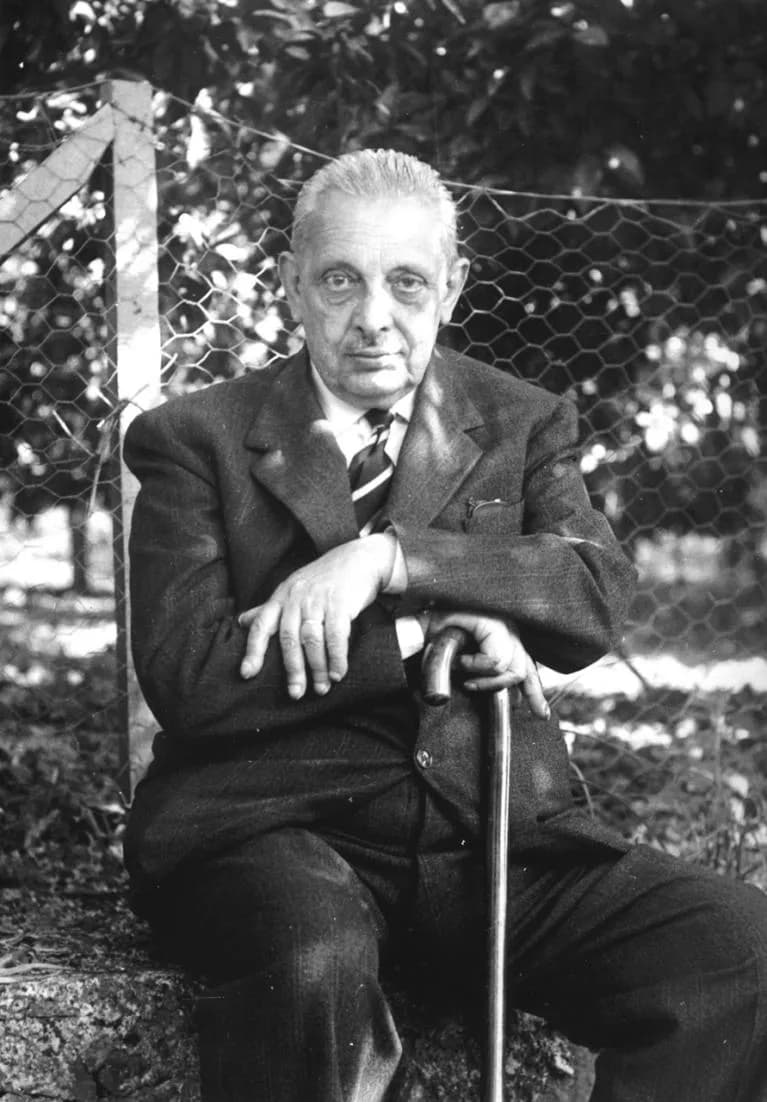
Jaioa
December 23, 1896
Palermo, Italy
Hila
July 23, 1957
Rome, Italy
Ezaugarriak
Sicilian Prince and writer
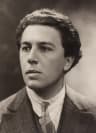
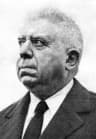
Giuseppe Tomasi di Lampedusa (1896–1957) was Italy best known for Sicilian Prince and writer.
Giuseppe Tomasi di Lampedusa (December 23, 1896 – July 23, 1957) was a Sicilian Prince and writer from Palermo, Italy. He is best known for his novel <em>The Leopard</em>, published posthumously, which explores the decline of the Sicilian aristocracy. His work offers a profound reflection on societal change and tradition.
0 kapitulua
Bizitzako kapituluak
1 kapitulua · 1896· 1. kapitulua 7tik
Early Life and Origins
Born in Palermo, Italy, on December 23, 1896, Giuseppe Tomasi was the descendant of a lineage deeply entwined with Sicilian nobility. He held the titles of 11th Prince of Lampedusa and 12th Duke of Palma, representing the final generation of the Tomasi Princes of Lampedusa before the family's titles faced extinction. His upbringing within such a historic princely household undeniably imbued him with a unique perspective on societal change, the complexities of class, and the inevitable passage of time, themes that would later illuminate his most famous work.
2 kapitulua· 2. kapitulua 7tik
Career Beginnings
Giuseppe Tomasi di Lampedusa's chosen professional path was that of a writer, a craft he pursued with quiet but intense dedication throughout his life. Although his most celebrated literary achievement would not receive widespread recognition until after his passing, his commitment to literature was a constant, internal journey. He spent many years meticulously observing the world around him, contemplating history, and tirelessly refining his distinctive narrative voice, a process that underscored his deep intellectual curiosity.
3 kapitulua· 3. kapitulua 7tik
Major Achievements and Career Highlights
His greatest literary triumph, the novel The Leopard (Il Gattopardo), emerged into public consciousness posthumously and swiftly brought him international acclaim for its artistic merit and historical insight. This powerful work offered a vivid, melancholic portrayal of the fading world of the Sicilian aristocracy during the Risorgimento, drawing extensively upon his own family's history and personal experiences. The novel was lauded by critics for its elegant prose, its deep psychological penetration of its characters, and its insightful commentary on the immutable nature of social evolution, earning a revered spot in literary canons.
4 kapitulua· 4. kapitulua 7tik
Personal Life
As the last in the direct line of the Tomasi Princes of Lampedusa, Giuseppe Tomasi carried the profound weight and rich heritage of a long and storied family history. His personal experiences within this ancient noble lineage deeply influenced his literary output, particularly his poignant exploration of aristocratic decline and the relentless march of societal transformation. He lived a life intrinsically connected to his ancestral heritage, which served as a powerful and introspective wellspring for his narratives, shaping his worldview and artistic vision.
5 kapitulua· 5. kapitulua 7tik
Notable Works or Contributions
Giuseppe Tomasi di Lampedusa is singularly recognized for The Leopard, which stands as an enduring masterpiece of 20th-century Italian and world literature, translated into numerous languages including French as Professeur Et La Sir'ne(le) and Hebrew as הברדלס. Beyond this iconic novel, his impressive body of work also includes the short story collection I Racconti, the insightful literary critique Lezioni su Stendhal (Lessons on Stendhal), and philosophical essays like Il mito, la gloria. Further demonstrating his intellectual breadth and stylistic elegance, collections such as Opere and Two stories and a memory, alongside references like Szekspir, illuminate his comprehensive engagement with classical and contemporary thought.
6 kapitulua · 1957· 6. kapitulua 7tik
Later Years
Giuseppe Tomasi di Lampedusa passed away in Rome, Italy, on July 23, 1957, at the age of 60. While he did not witness the immense critical and popular success that The Leopard would achieve, its publication shortly after his death secured his enduring and celebrated place in the literary world. His final years were characterized by a dedicated commitment to his writing, culminating in the masterful work that would ultimately define his profound and lasting legacy.
7 kapitulua· 7. kapitulua 7tik
Legacy and Impact
The powerful legacy of Giuseppe Tomasi di Lampedusa rests most firmly on The Leopard, a novel that continues to resonate profoundly with generations of readers for its timeless themes of change, tradition, and the inherent complexities of human nature. Through his artistry, he offered a unique and introspective look into the soul of Sicily and the aristocratic world as it navigated irreversible transitions. His work consistently influences contemporary writers and scholars alike, providing a rich, detailed portrayal of a specific historical moment while exploring universal human experiences that transcend time and culture.
Bizitza uneetan
Bizitza moldatu zuten uneak
Ohiko galderak
Maiz egindako galderak
Noiz hil zen Giuseppe Tomasi di Lampedusa?
Giuseppe Tomasi di Lampedusa 1957(e)ko uztailaren 23(a) hil zen Rome, Italy-n, 60 urte zituela.
Non jaio zen Giuseppe Tomasi di Lampedusa?
Giuseppe Tomasi di Lampedusa Palermo, Italy-n jaio zen 1896(e)ko abenduaren 23(a).
Zertarako da ezagunena Giuseppe Tomasi di Lampedusa?
Giuseppe Tomasi di Lampedusa ezagunena da Sicilian Prince and writer-rengatik.
Zenbat urte zituen Giuseppe Tomasi di Lampedusa-k hil zenean?
Giuseppe Tomasi di Lampedusa-k 60 urte zituen hil zenean.
Zer nazionalitatekoa zen Giuseppe Tomasi di Lampedusa?
Giuseppe Tomasi di Lampedusa Italy-koa zen.
Denbora-lerroa
Bizitza begirada batean
Argazki galeria
Bizitza iruditan
Egin klik edozein polaroidetan handitzeko · 42 argazki
QR kodea
Partekatu Biografia Hau
Inprimatu eta partekatu
Eskaneatu biografia orri hau bisitatzeko. Inprimatu ekitaldi, erakusketa edo hezkuntza materialetarako.