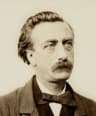
Nacido
February 22, 1914
Catanzaro, Italy
Fallecido
February 19, 2012
La Jolla, United States
Conocido por
Italian-born American virologist
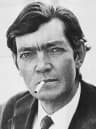
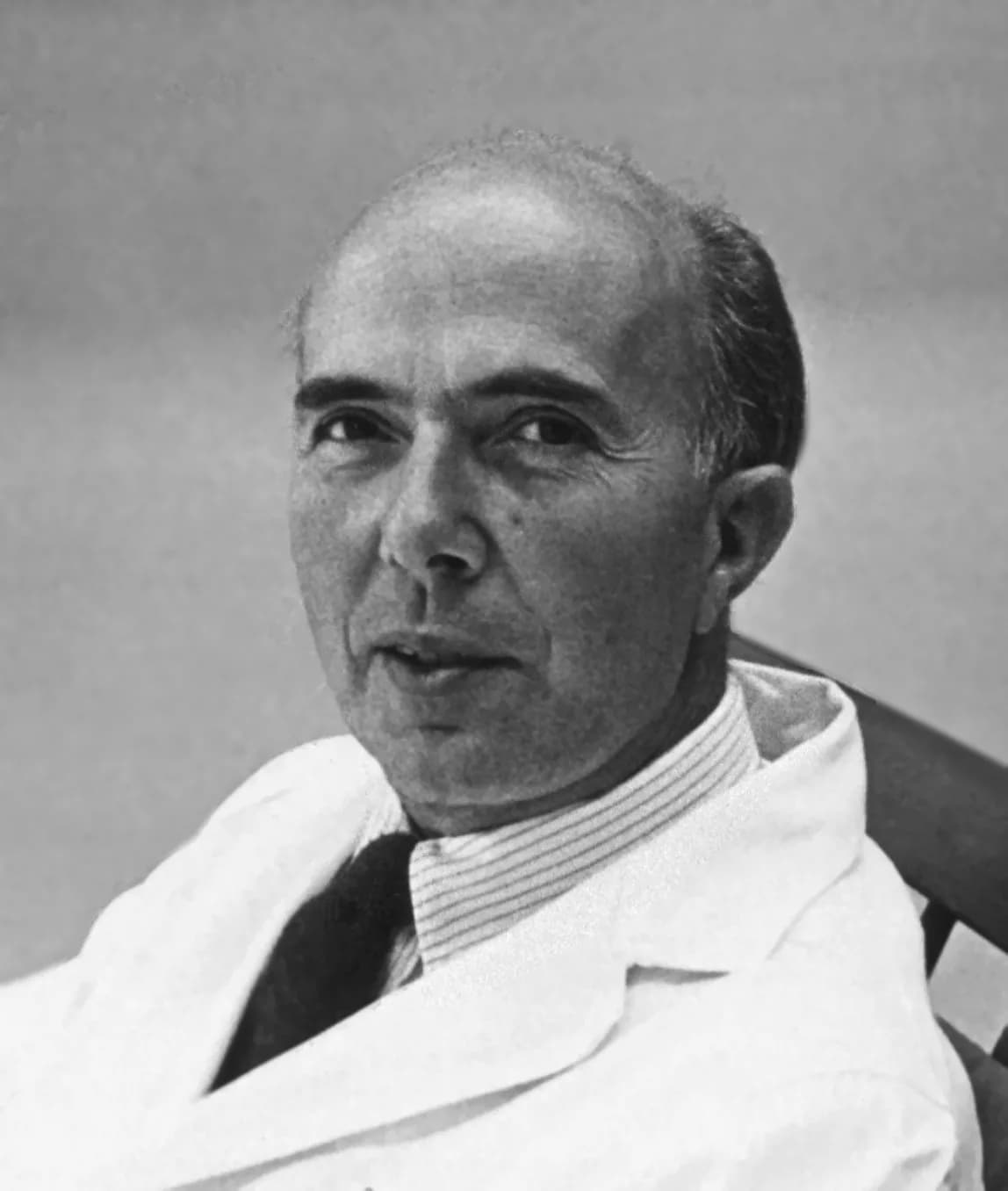
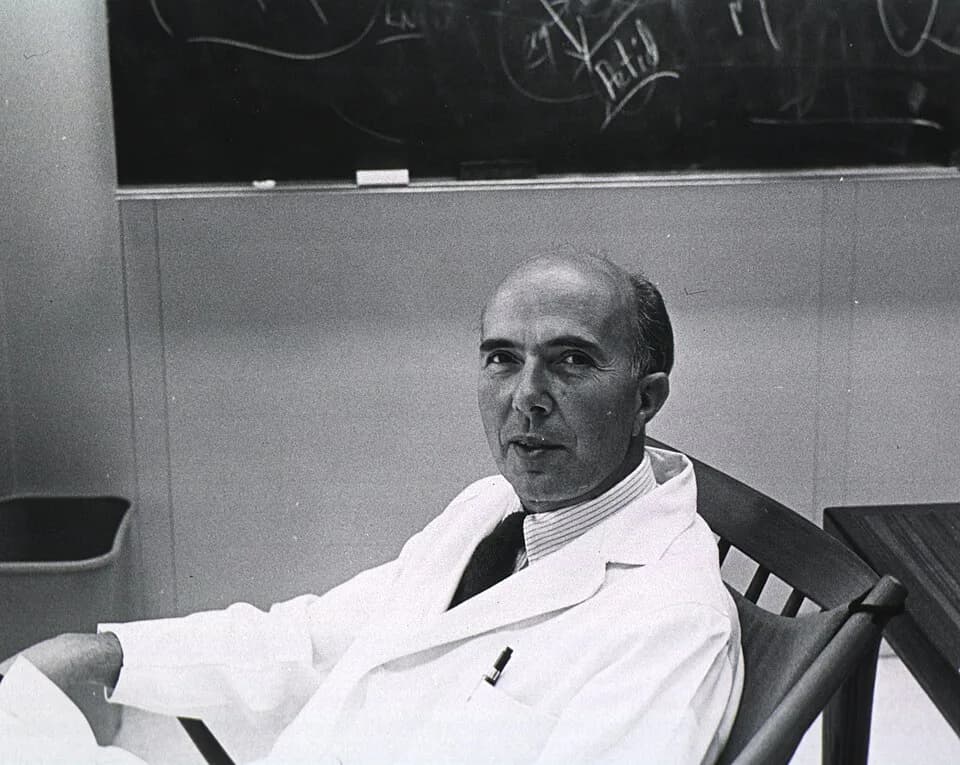
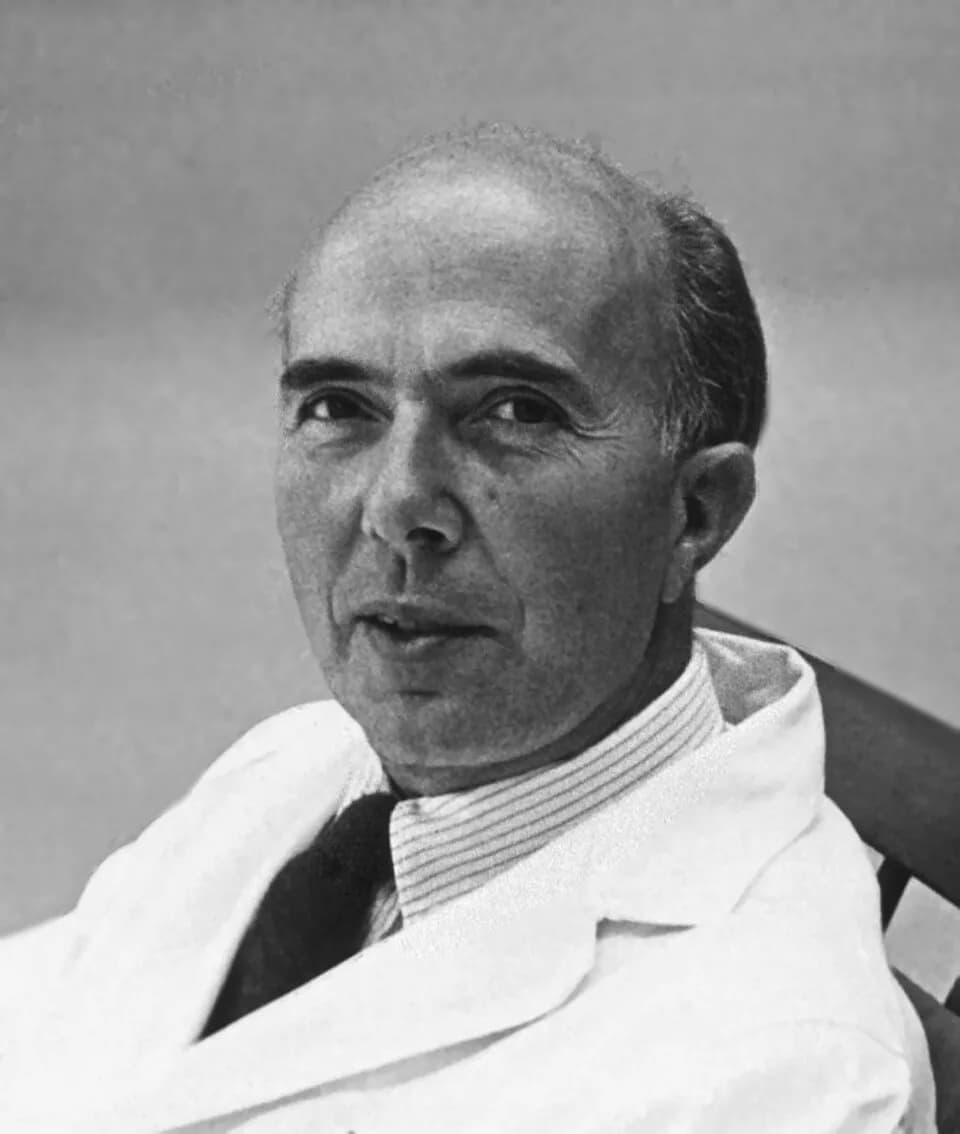
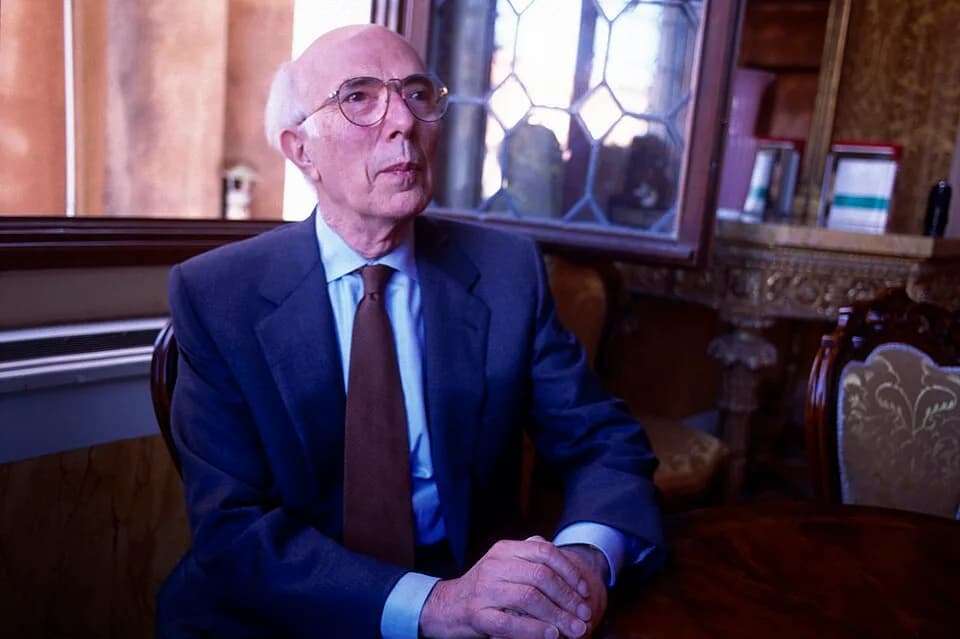
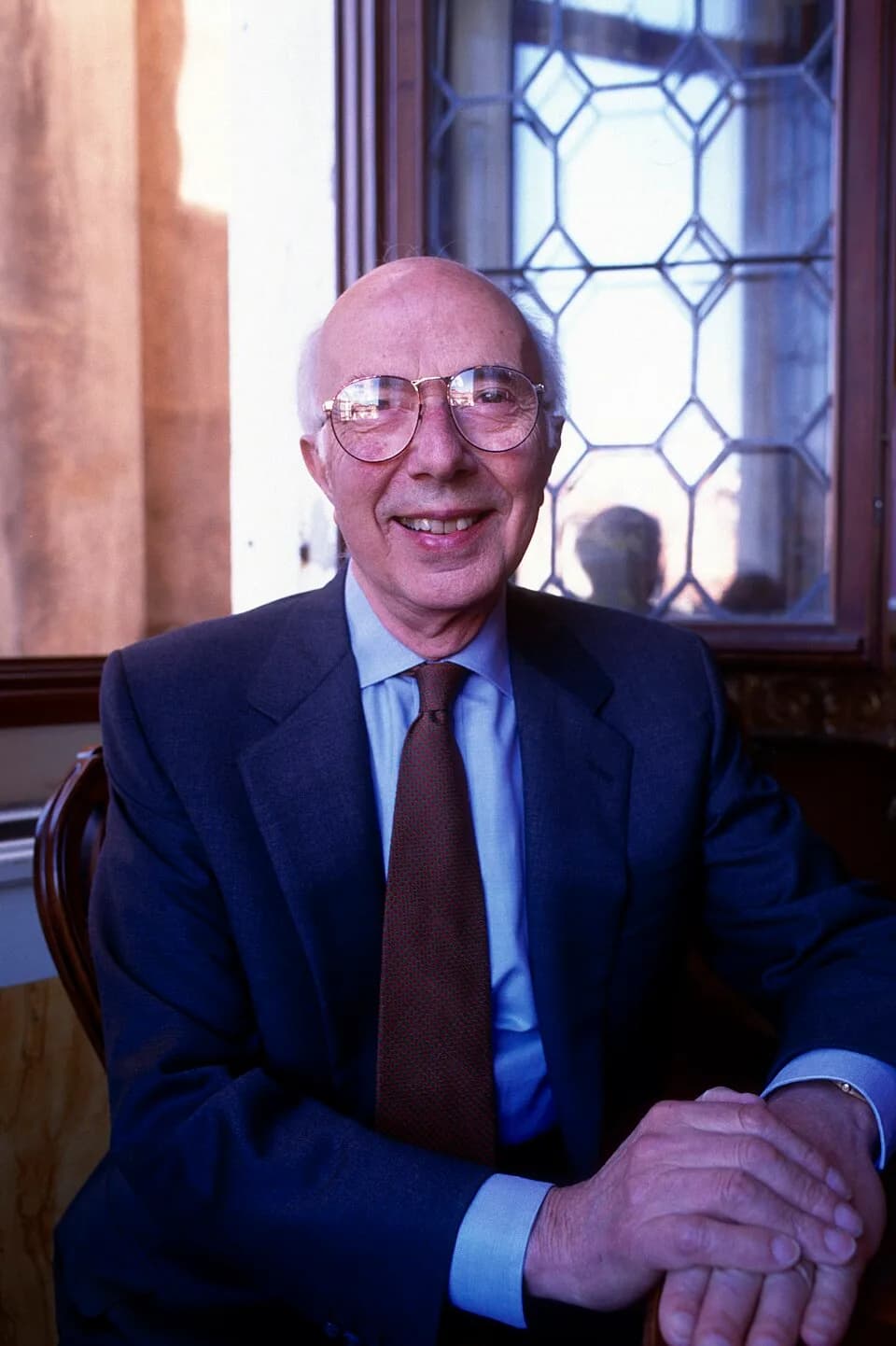
Renato Dulbecco (1914–2012) was Italy best known for Italian-born American virologist.
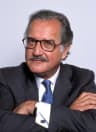
Renato Dulbecco (February 22, 1914 – February 19, 2012) was an Italian-born American virologist and physician. He won the 1975 Nobel Prize in Physiology or Medicine for his discoveries concerning tumor viruses and cellular genetic material. His work significantly advanced understanding of how viruses can cause cancer.
Capítulo
Capítulos de vida
Capítulo 1 · 1914· Capítulo 1 de 6
Early Life and Origins
Renato Dulbecco was born on February 22, 1914, in Catanzaro, Italy. His early education took place in his home country, where he developed a keen interest in science and medicine. He pursued his medical studies at the University of Turin, a prestigious institution known for its rigorous scientific training.
During his time at the University of Turin, Dulbecco studied under the tutelage of Giuseppe Levi, a renowned neurophysiologist. He was part of a distinguished cohort that included future Nobel laureates Salvador Luria and Rita Levi-Montalcini. This formative period laid the intellectual groundwork for his significant future contributions to biomedical science.
Capítulo 2· Capítulo 2 de 6
Career Beginnings
Dulbecco's early career was interrupted by the tumultuous events of World War II. He was drafted into the Italian army, serving his country during a challenging global conflict. After his military service, he courageously joined the resistance movement, demonstrating his conviction and commitment beyond the scientific laboratory.
Following the war, Renato Dulbecco made the pivotal decision to move to the United States, joining his former peers Salvador Luria and Rita Levi-Montalcini. This move marked a new chapter in his scientific journey, allowing him to pursue his research in a rapidly expanding field. His early work began to focus on the mysteries of viral infection and replication.
Capítulo 3· Capítulo 3 de 6
Major Achievements and Career Highlights
Renato Dulbecco's career was defined by his pioneering studies into oncoviruses, which are viruses capable of causing cancer upon infecting animal cells. His dedication to understanding the fundamental mechanisms of viral transformation propelled the field forward. He meticulously explored how these viral agents altered the genetic material of host cells, leading to uncontrolled growth.
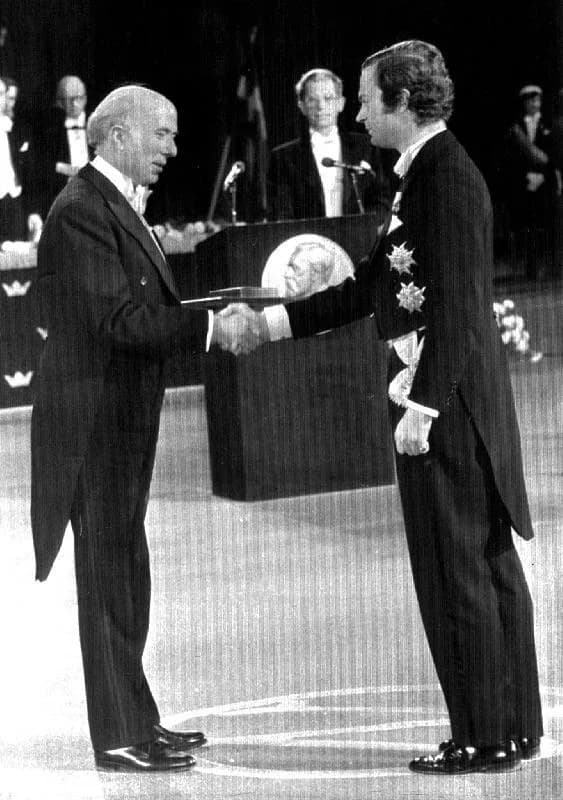
In recognition of his profound discoveries concerning the interaction between tumour viruses and the genetic material of the cell, Renato Dulbecco was awarded the 1975 Nobel Prize in Physiology or Medicine. He shared this esteemed honor with Howard Temin and David Baltimore. This award underscored the critical importance of his work in unraveling the viral origins of cancer, a concept that revolutionized oncology.
Capítulo 4· Capítulo 4 de 6
Notable Works or Contributions
Dulbecco's research elucidated the complex processes by which oncoviruses integrate their genetic material into the host cell's DNA. This integration, he showed, could reprogram the cell, leading it down a path towards cancerous transformation. His experiments provided concrete evidence for the viral theory of cancer, previously a highly debated concept.
His scientific rigor and innovative experimental approaches allowed him to isolate and characterize these transforming viruses. His findings provided a molecular framework for understanding how certain viruses contribute to malignancy. This understanding was vital for the subsequent development of antiviral therapies and cancer prevention strategies.
Capítulo 5· Capítulo 5 de 6
Later Years
Even after receiving the Nobel Prize, Renato Dulbecco continued his active engagement in scientific research and mentorship. He remained a respected figure in the virology and cancer research communities. His insights and experience continued to guide new generations of scientists.
Renato Dulbecco passed away on February 19, 2012, in La Jolla, United States, just days before his 98th birthday. His long and productive life was marked by an unwavering commitment to scientific discovery. He left behind a legacy of curiosity and intellectual courage that continues to inspire.
Capítulo 6· Capítulo 6 de 6
Legacy and Impact
Renato Dulbecco's work laid essential foundations for our current understanding of molecular oncology and viral pathogenesis. His discoveries demonstrated a clear link between viruses and cancer, influencing numerous subsequent studies and therapeutic developments. The field of cancer biology owes much to his systematic unraveling of viral transformation.
His influence extended beyond his direct research, as he inspired many students and colleagues through his intellect and dedication. Dulbecco's legacy is found in the continued progress in cancer prevention, diagnosis, and treatment. He remains a towering figure in the history of medicine and virology.
Una vida en momentos
Los momentos que dieron forma a una vida
FAQ
Preguntas frecuentes
¿Cuándo murió Renato Dulbecco?
Renato Dulbecco murió el 19 de febrero de 2012 en La Jolla, United States, a la edad de 97 años.
¿Dónde nació Renato Dulbecco?
Renato Dulbecco nació en Catanzaro, Italy el 22 de febrero de 1914.
¿Por qué es más conocido(a) Renato Dulbecco?
Renato Dulbecco es más conocido(a) por Italian-born American virologist.
¿Qué edad tenía Renato Dulbecco cuando murió?
Renato Dulbecco tenía 97 años en el momento de su muerte.
¿Cuál era la nacionalidad de Renato Dulbecco?
Renato Dulbecco era de Italy.
Cronología
La vida de un vistazo
Galería fotográfica
Una vida en imágenes
Haz clic en una polaroid para ampliar · 25 fotos
Código QR
Compartir esta biografía
Imprimir y compartir
Escanee para visitar esta página de biografía. Imprima para eventos, exposiciones o materiales educativos.