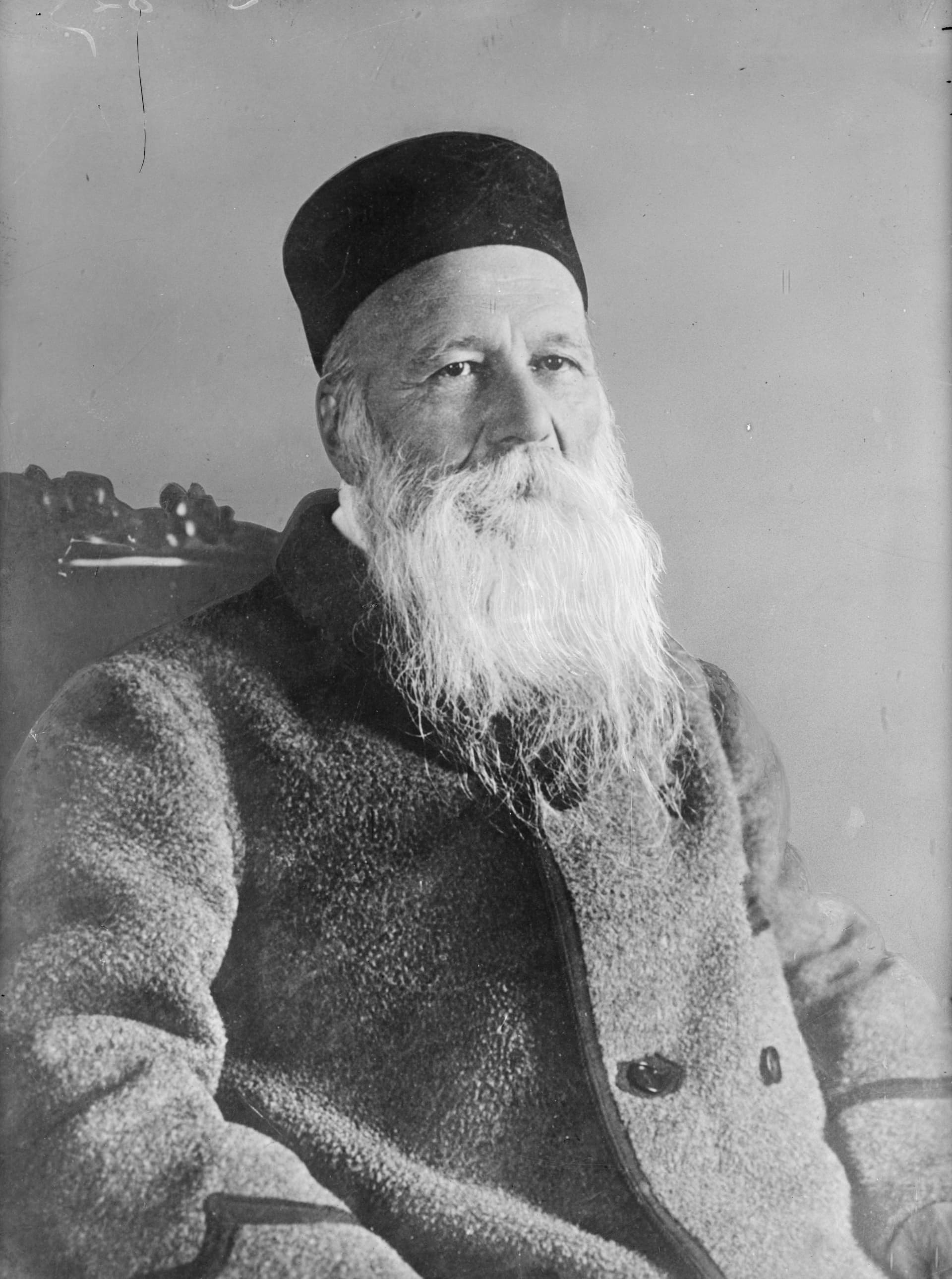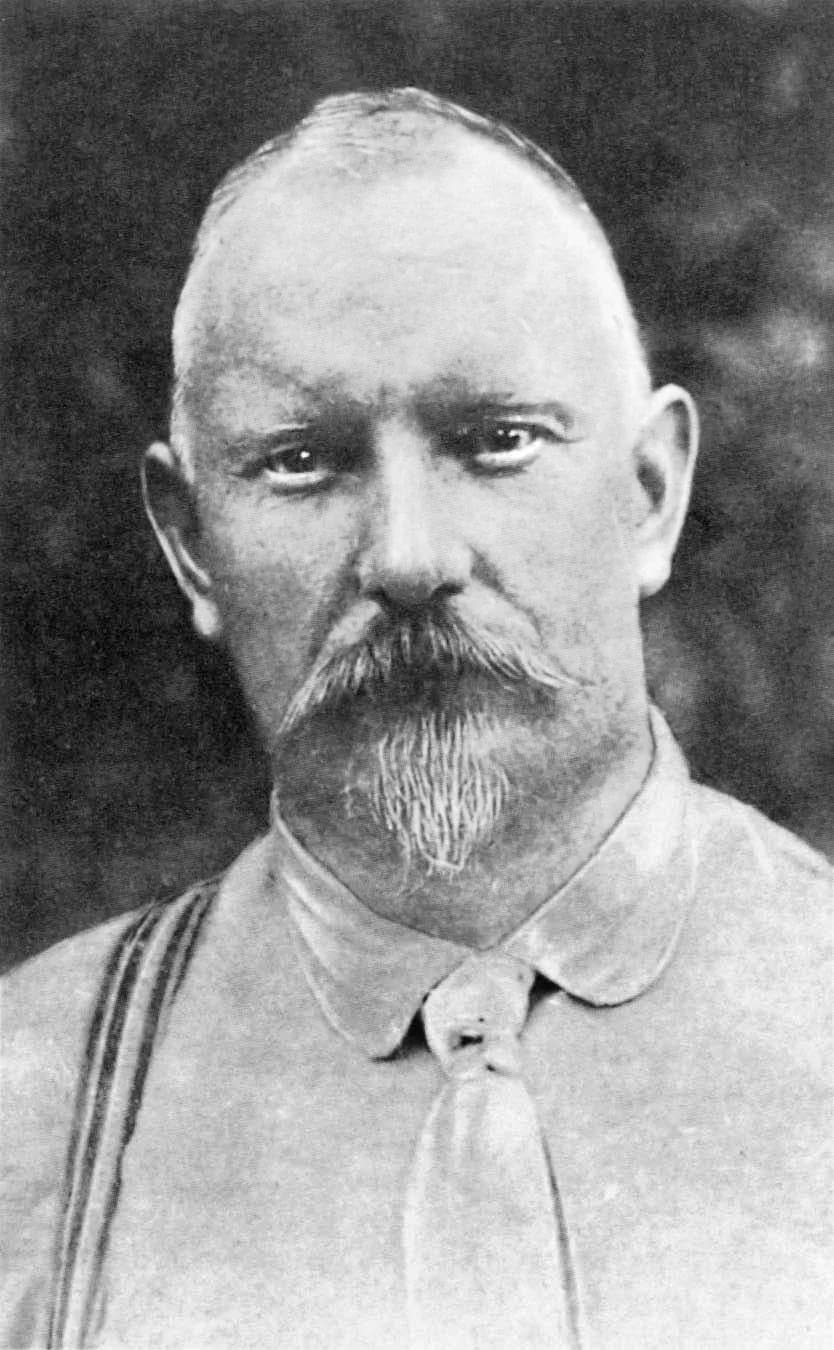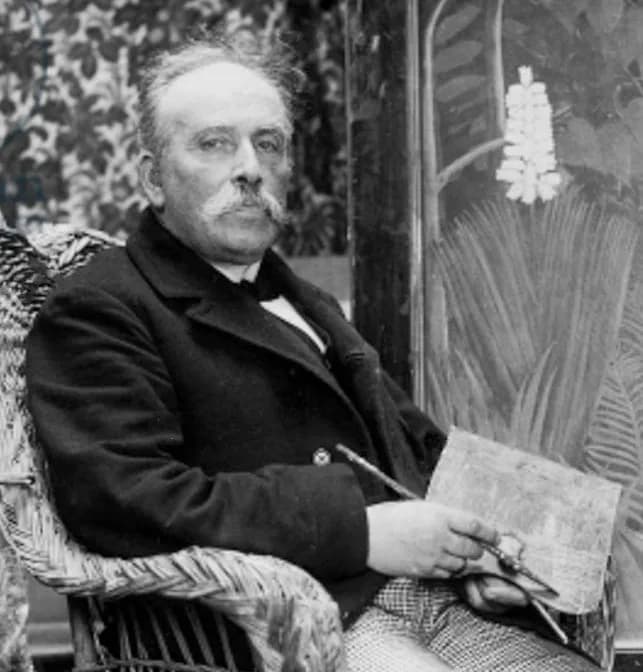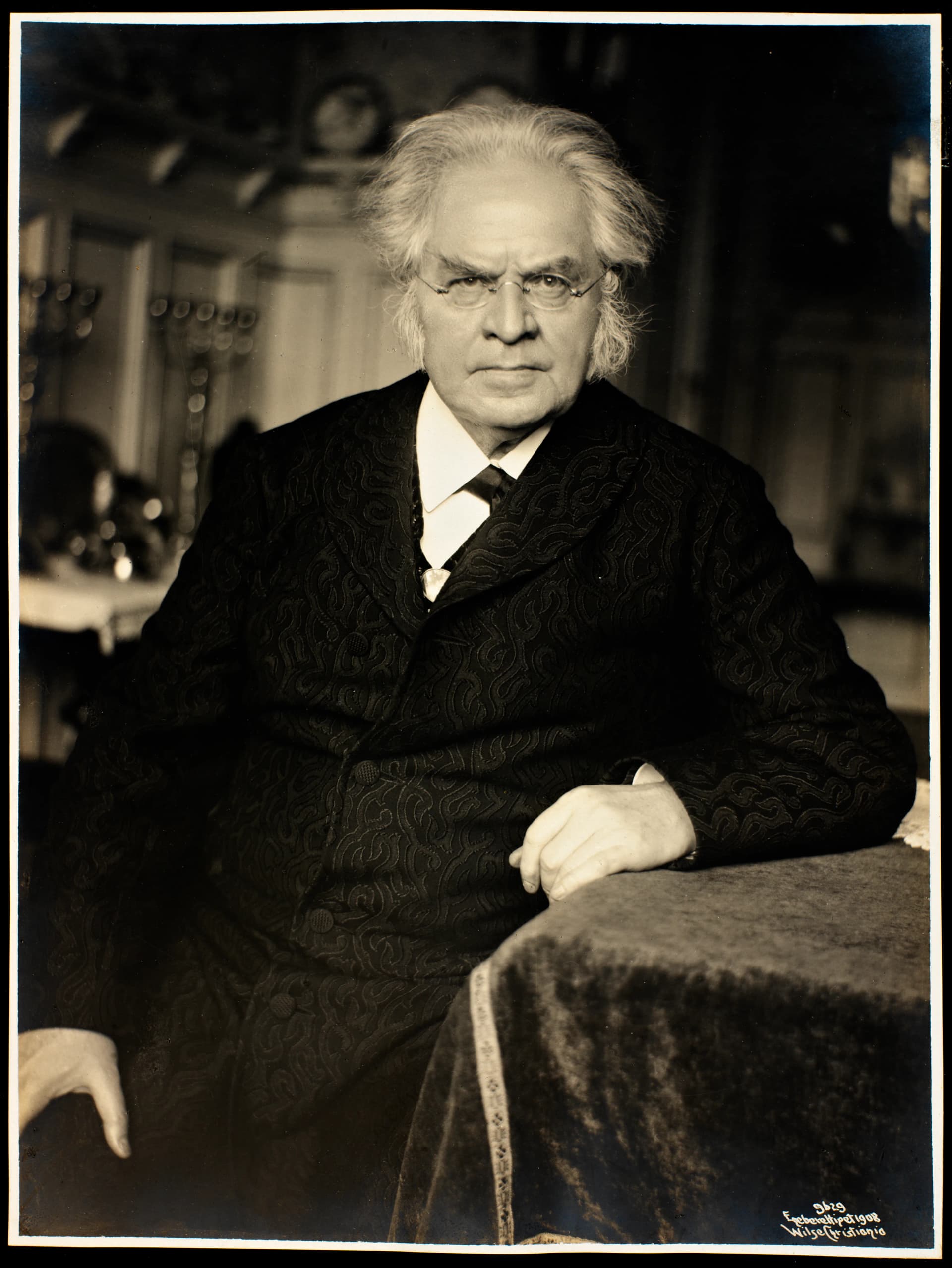
Nacido
April 6, 1820
rue Saint-Honoré, France
Fallecido
March 20, 1910
avenue Franklin-D.-Roosevelt, France
Conocido por
French photographer and balloonist
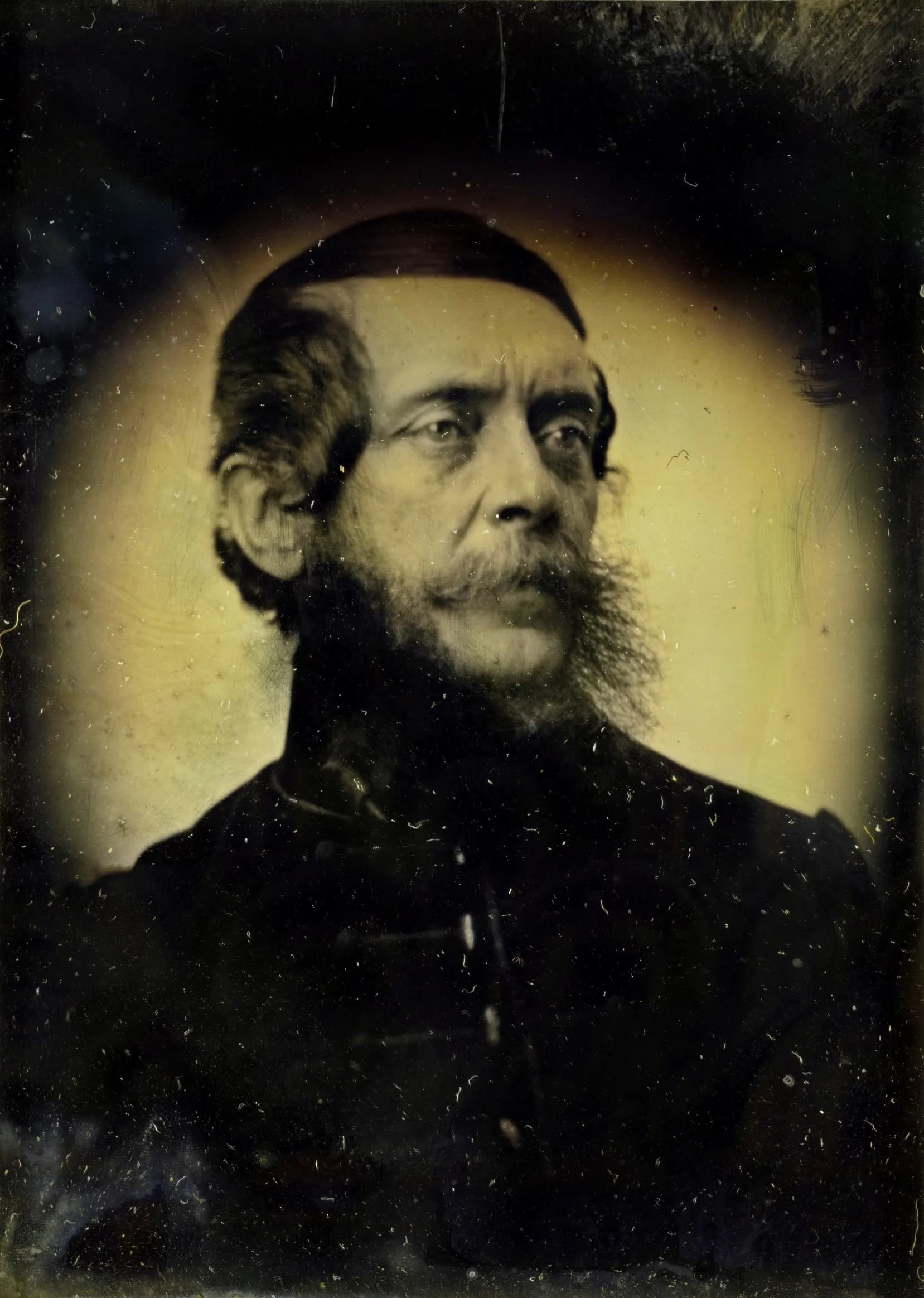
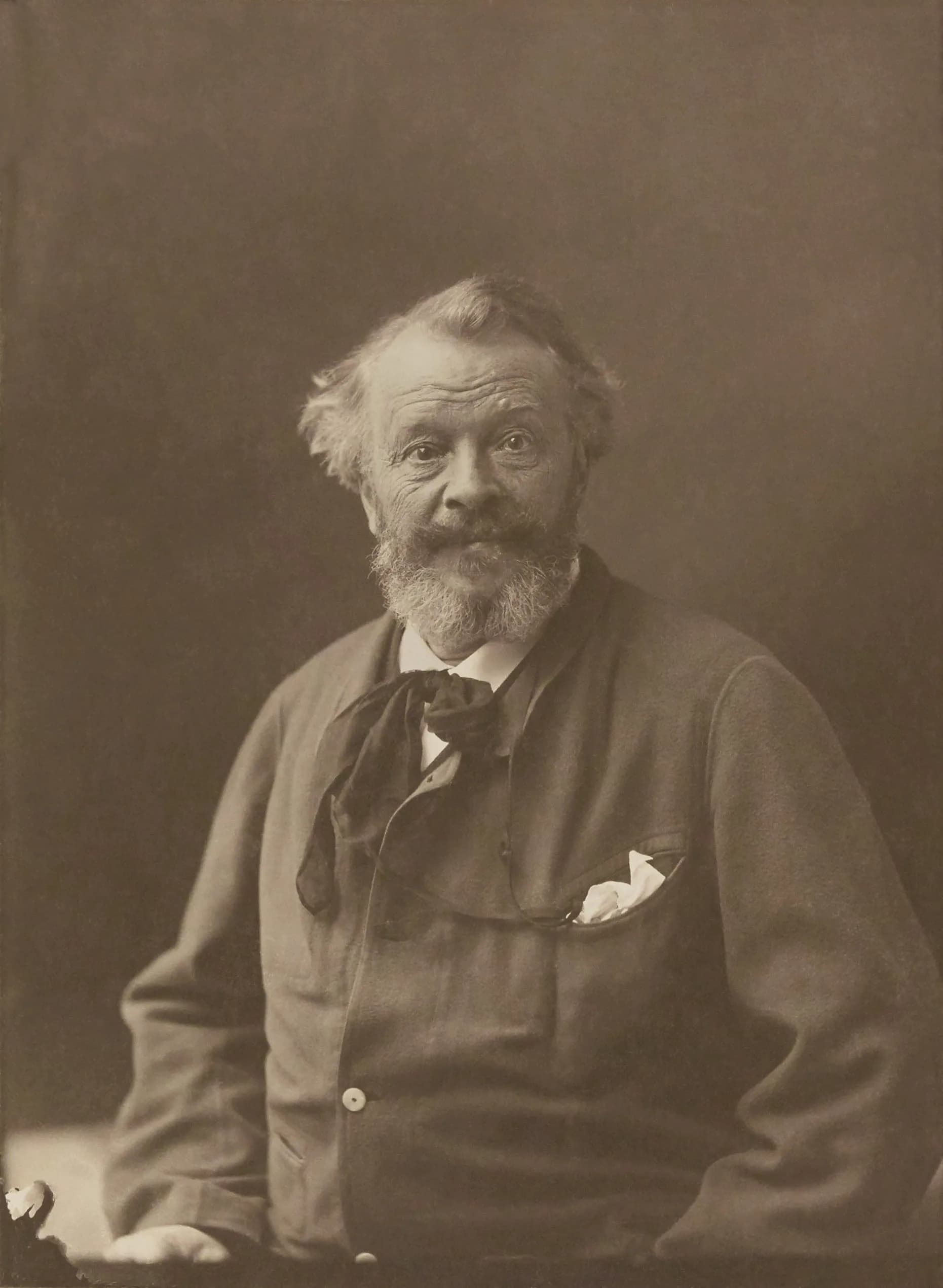
Nadar Nadar (April 6, 1820 – March 20, 1910) was a French photographer and balloonist from rue Saint-Honoré, France. He became the first person to take aerial photographs in 1858 and was a strong proponent of heavier-than-air flight. His impactful photographic portraits are held in numerous major national collections, securing his lasting legacy in visual arts.
Una vida en momentos
Los momentos que dieron forma a una vida
![Nadar Nadar - Title : [Affiche pour] Martinon, éditeur-libraire, "Rêveries d'un étameur" par Comerson et Furpille [...] : [estampe] / [illustrations dessinées par] NadarAuthor : Nadar (1820-1910). D](/_next/image?url=https%3A%2F%2Fcdn.whowasthisguy.com%2Fgallery_wikimedia_commons_1778060542967_1_5928e5445c.webp&w=1920&q=75)
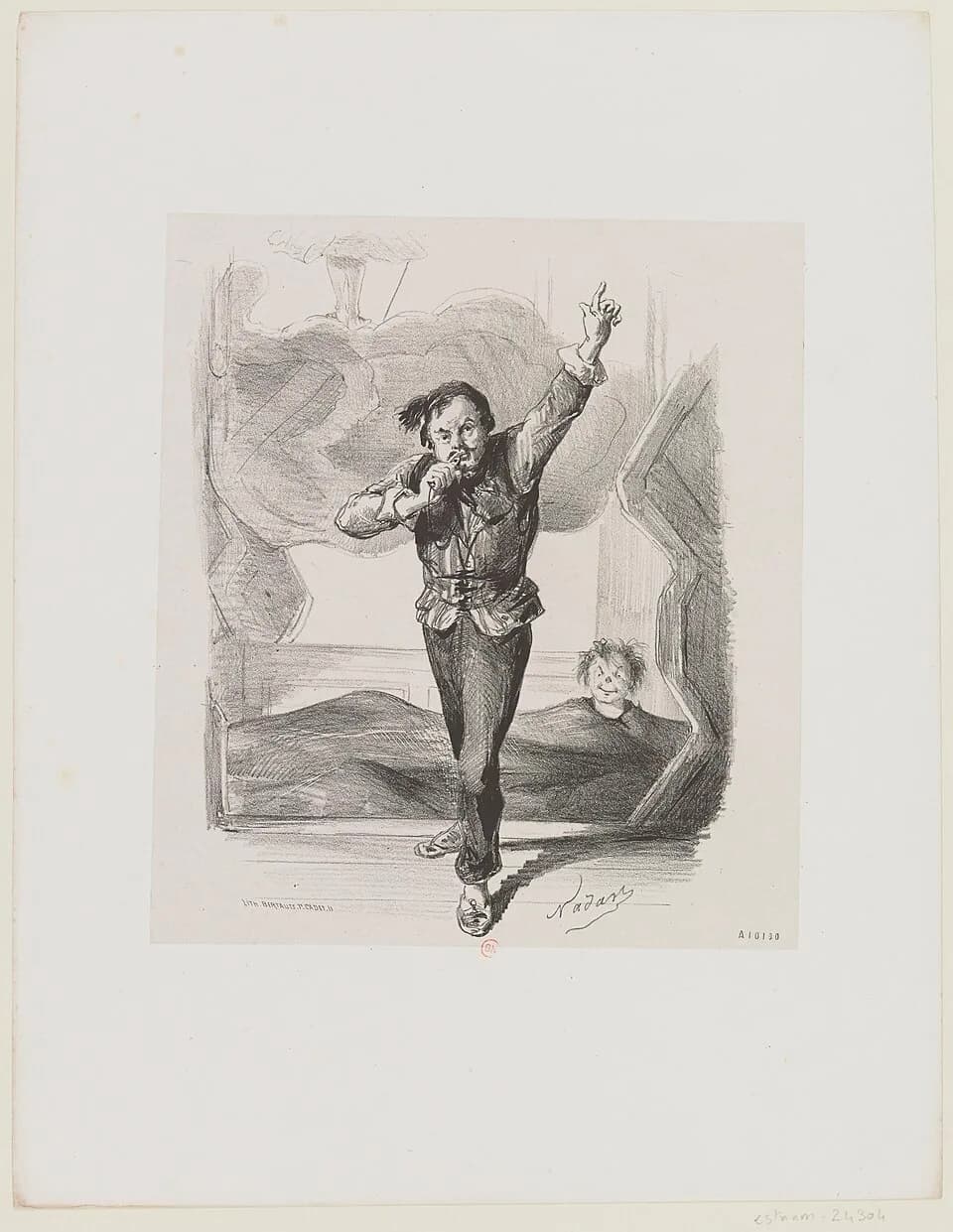
![Nadar Nadar - Sujet : Caricatures et dessins humoristiques -- 19e siècle
Affiche
Langue : français
Éditeur : [s.n.]
Imp. Bertauts (Paris)](/_next/image?url=https%3A%2F%2Fcdn.whowasthisguy.com%2Fgallery_wikimedia_commons_1778060544817_3_9dcafe5d4b.webp&w=1920&q=75)
Capítulo
Capítulos de vida
Capítulo 1 · 1820· Capítulo 1 de 8
Remembering Nadar Nadar: Visionary Pioneer in Photography and Aeronautics
We honor the life and enduring legacy of Nadar Nadar (April 6, 1820 – March 20, 1910), a truly innovative French photographer, balloonist, and a creative force across numerous artistic and journalistic fields. Born Gaspard-Félix Tournachon, he was widely known by his pseudonym Nadar or Félix Nadar, a name that became synonymous with photographic excellence and daring aerial exploration. His contributions not only helped define the emerging art of photography but also pushed the boundaries of aeronautical endeavor, leaving an indelible mark on both disciplines through his pioneering work and artistic vision.
Nadar Nadar’s extensive career spanned a remarkable array of professions including photographer, writer, balloonist, cartoonist, journalist, caricaturist, draftsperson, and print collector. He was a central figure in 19th-century French cultural life, celebrated for his intellect, humor, and tireless experimentation. His influence resonates deeply within the history of visual arts and early scientific exploration, demonstrating a unique ability to blend artistic expression with technical innovation during a period of rapid technological advancement.
Capítulo 2 · 1820· Capítulo 2 de 8
Early Life and Origins
Gaspard-Félix Tournachon, who would later be universally recognized as Nadar Nadar, was born on April 6, 1820, on the historic rue Saint-Honoré in France. His upbringing in this vibrant Parisian environment undoubtedly exposed him to the burgeoning intellectual and artistic movements of the time, shaping his diverse talents and curious mind from an early age. The cultural milieu of 19th-century France provided fertile ground for the development of individuals like Nadar, fostering an atmosphere where artistic expression and scientific inquiry often intertwined.
Details of his family life and formal education are not explicitly provided, but his later career as a writer, journalist, and caricaturist suggests a strong foundation in literature, art, and critical observation. This foundational period in rue Saint-Honoré laid the groundwork for a life dedicated to creative pursuits and the relentless pursuit of new forms of expression. His early exposure to Parisian intellectual circles likely fueled his passion for innovation, which would later manifest in his groundbreaking work.
Capítulo 3· Capítulo 3 de 8
Career Beginnings
Nadar Nadar's career began with a remarkable versatility that saw him contributing to various publications and artistic endeavors. He initially established himself as a prominent caricaturist, cartoonist, and journalist, utilizing his sharp wit and keen observational skills to capture the essence of his contemporaries. His early work as a draftsperson and print collector further honed his visual sensibilities, providing him with a profound understanding of composition, light, and form that would later define his photographic style.
Before his famed photographic ventures, Nadar Nadar also immersed himself in the literary world as a writer and novelist, publishing works that showcased his narrative talent and insightful commentary on society. These diverse beginnings, embracing both the visual arts and written word, cultivated a unique perspective that allowed him to approach photography not merely as a technical process but as a powerful medium for artistic expression and documentation. His early journalistic experience provided him with an understanding of narrative and public engagement, qualities that would prove invaluable throughout his career.
Capítulo 4 · 1858· Capítulo 4 de 8
Major Achievements and Career Highlights
Nadar Nadar's most celebrated achievements lie in his pioneering contributions to both photography and aeronautics, demonstrating a fearless pursuit of innovation. In a truly historic feat in 1858, he became the first person to successfully take aerial photographs, capturing unprecedented views of the earth from above. This momentous accomplishment, achieved from a balloon, not only expanded the potential of photography but also offered new perspectives for cartography and scientific observation, cementing his reputation as a visionary.
Beyond his photographic exploits, Nadar Nadar was a fervent advocate for heavier-than-air flight, a forward-thinking stance that highlighted his commitment to the future of aviation beyond conventional ballooning. His massive balloon, named *Le Géant*, which he famously used for both passenger flights and photographic experiments, captivated public imagination and illustrated his dedication to pushing aeronautical boundaries. This daring spirit of exploration and documentation characterized much of his career, inspiring generations of innovators in both fields.
His photographic portraits, characterized by their psychological depth and technical mastery, are universally recognized and are held in many of the world's great national collections of photographs. These works not only documented the prominent figures of his era but also elevated portraiture to an art form, emphasizing individual character over mere likeness. The lasting presence of his portraits in institutions like the Met Museum and the Art Institute of Chicago speaks volumes about their enduring artistic and historical significance, securing his place among photography's most influential figures.
Capítulo 5· Capítulo 5 de 8
Personal Life
While extensive details about Nadar Nadar's personal relationships are not provided, it is known that his artistic and professional legacy extended through his family. His son, Paul Nadar, continued to operate the renowned Nadar studio after his father’s passing, ensuring that the pioneering work and photographic tradition established by Nadar Nadar persisted for future generations. This continuity through his son underscores the lasting impact and influence Nadar had within the photographic community and his own family.
The continuation of the studio under Paul Nadar's guidance not only preserved the archive of Nadar Nadar's extraordinary work but also extended the studio’s reputation for innovation and quality. This familial connection to his craft highlights a personal commitment to the photographic medium that transcended his individual career. The legacy passed to Paul Nadar illustrates a profound dedication to the craft that continued to enrich the artistic landscape of France.
Capítulo 6· Capítulo 6 de 8
Notable Works or Contributions
Nadar Nadar’s extensive bibliography showcases his diverse talents as a writer, encompassing both memoirs and narrative works. His notable published works include *Le Monde à tes pieds*, a title that reflects his broad perspective, and *À terre et en l'air - Mémoires du Géant*, a fascinating account of his aerial adventures and philosophical reflections. Other literary contributions such as *Justin*, *El cineasta*, and his self-titled work *Nadar* further demonstrate his prolific output and intellectual curiosity, exploring various themes and genres throughout his illustrious career.
His photographic artworks represent a significant chapter in the history of art, with many pieces residing in prestigious collections worldwide. Among these revered works are the compelling portrait of *Eugène Pelletan* (1855–59) held by the Met Museum, and the evocative *Pierrot Laughing* (1855), also housed at the Met Museum, both demonstrating his mastery of capturing expression. The Art Institute of Chicago (AIC) holds several of his iconic images, including a print of *Le Geant, Champ de Mars* (October 18, 1863), probably printed between 1880 and 1889, capturing his famous balloon in its grandeur.
Further examples of his profound portraiture at the AIC include the striking image of *Marie-Eugène Chevreul* (1886), a testament to his ability to convey intellectual depth through the lens. His *Portrait of Franz Liszt* (c. 1870–86) exemplifies his skill in immortalizing musical genius, while *Le Neptune, Place Saint-Pierre à Montmartre* (September 23, 1870) showcases his documentary approach to specific historical moments and places. These works collectively illustrate Nadar’s exceptional range and artistic sensitivity.
Additional significant portraits held by the AIC include that of *Gustave Doré* (1856-58), a profound study of the celebrated artist, and the unique *Interior of Le Géant Inflating* (1863), printed later, providing an intimate glimpse into the mechanics of his aeronautical endeavors. His iconic portraits of cultural figures like *Édouard Manet* (French painter, 1832-1883), captured in 1865, and *George Sand* (born Amantine Lucile Aurore Dupin, French novelist, 1804-1876), taken in 1864, are also part of the AIC collection. These photographs not only preserve the likeness of these luminaries but also offer invaluable insights into the artistic and intellectual circles of 19th-century France, alongside his early work on *Champfleury* (born Jules François Felix Fleury-Husson, French critic and novelist, 1821-1889) from around 1855/59, further solidifying his place as a master portraitist and chronicler of his age.
Capítulo 7· Capítulo 7 de 8
Later Years
Nadar Nadar's later years saw him continue to be a revered figure, even as his direct involvement in the day-to-day operations of his studio evolved. His pioneering spirit continued to inspire, and his artistic legacy was seamlessly carried forward by his son, Paul Nadar, who took the reins of the renowned photographic studio. This transition ensured the continuation of the Nadar name in the world of photography, maintaining the high standards of innovation and artistry established by its founder.
Nadar Nadar passed away on March 20, 1910, at avenue Franklin-D.-Roosevelt, France, concluding a life that spanned nearly a century and profoundly shaped several artistic and technological domains. His final years were marked by the enduring recognition of his achievements and the knowledge that his contributions to photography and aviation had irrevocably altered their respective courses. His passing marked the end of an era for a true French visionary.
Capítulo 8 · 1858· Capítulo 8 de 8
Legacy and Impact
The legacy of Nadar Nadar is multifaceted, extending across the realms of visual art, literature, and scientific exploration. His revolutionary aerial photographs of 1858 demonstrated photography's potential beyond static portraiture, opening new avenues for documentation and scientific inquiry. He also played a crucial role in validating photography as a legitimate art form, attracting artists and intellectuals to his studio and influencing subsequent generations of photographers with his artistic approach and technical innovations.
Nadar Nadar's pioneering work with balloons, particularly *Le Géant*, and his advocacy for heavier-than-air flight cemented his place as an early champion of aeronautics, contributing significantly to the public imagination and scientific discourse surrounding flight. His profound portraits, celebrated for their depth and sensitivity, remain iconic examples of 19th-century photography, preserving the visages of literary and artistic giants for posterity. These artworks, housed in esteemed national collections, continue to inspire and educate, reflecting his enduring impact on the cultural and historical record.
Cronología
La vida de un vistazo
Galería fotográfica
Una vida en imágenes
Haz clic en una polaroid para ampliar · 50 fotos
Código QR
Compartir esta biografía
Imprimir y compartir
Escanee para visitar esta página de biografía. Imprima para eventos, exposiciones o materiales educativos.