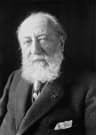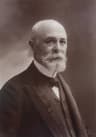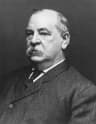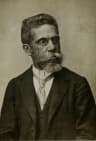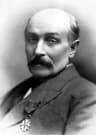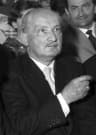
Nacido
February 13, 1835
Qadian, India
Fallecido
May 26, 1908
Lahore, Pakistan
Conocido por
Indian religious leader
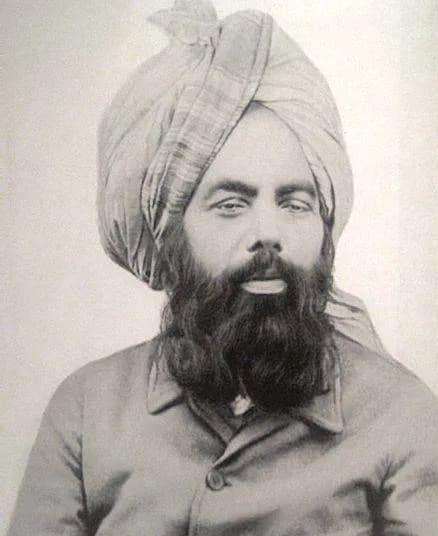
Mirza Ghulam Ahmad (1835–1908) was India best known for Indian religious leader.
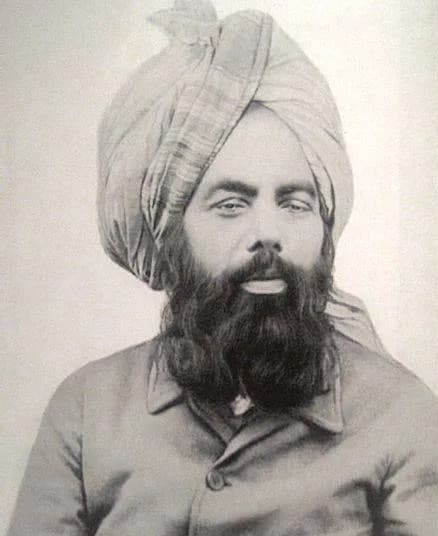
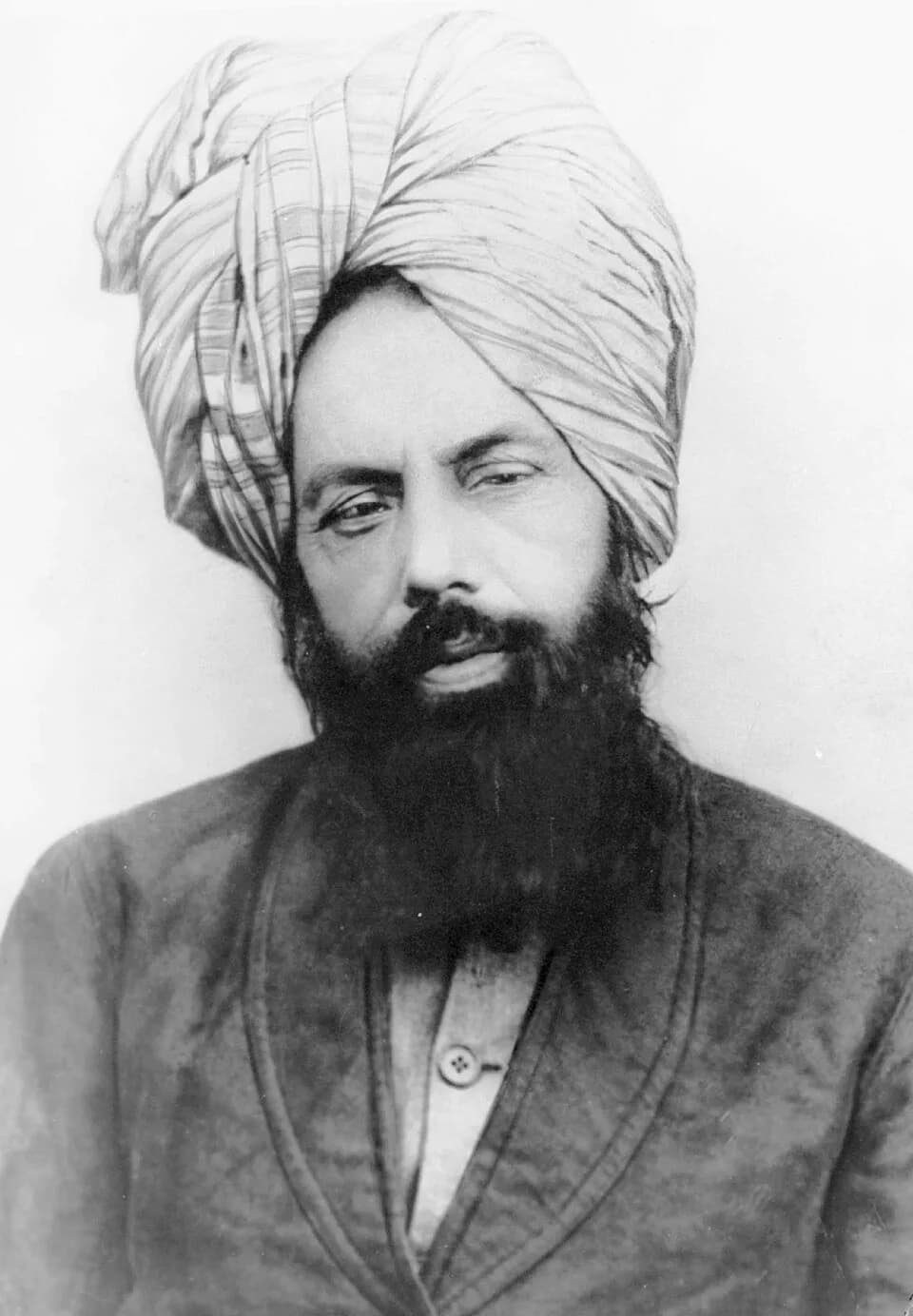
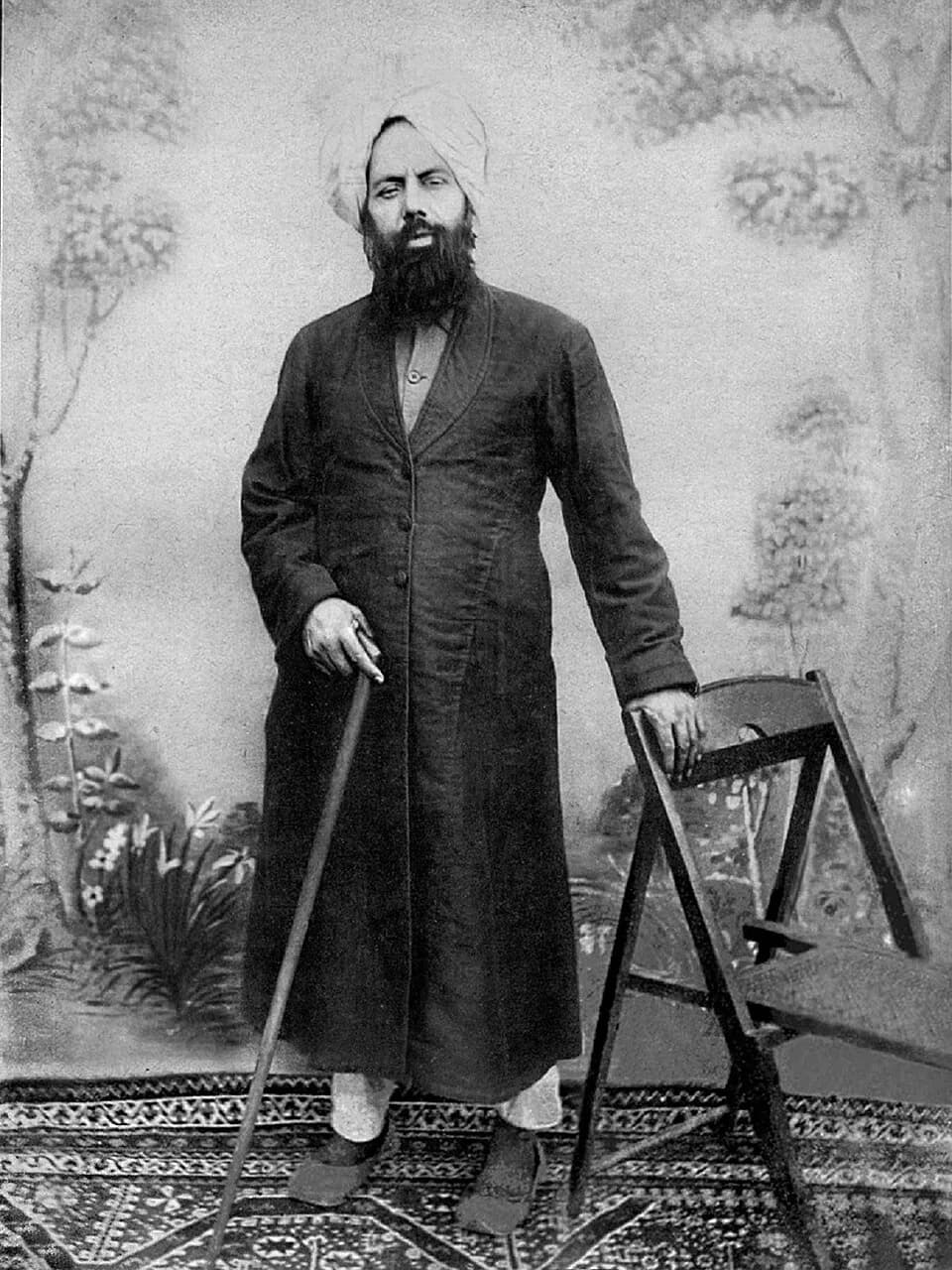
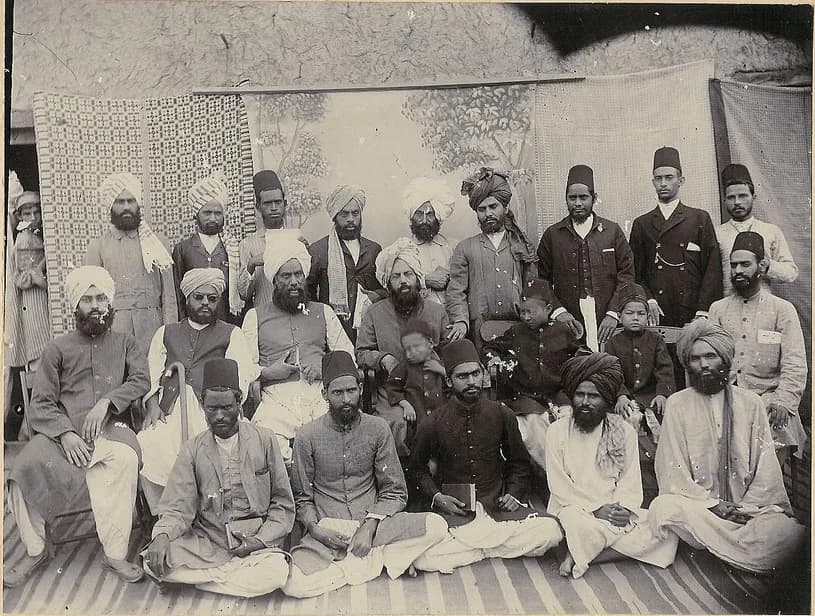
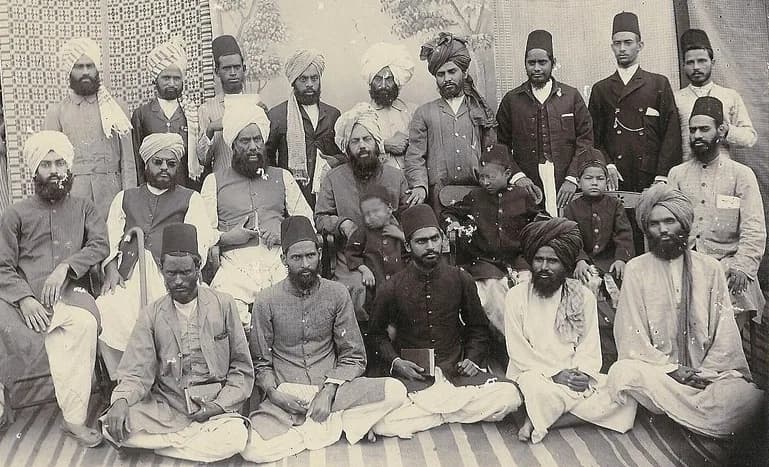
Mirza Ghulam Ahmad (February 13, 1835 – May 26, 1908) was an Indian religious leader and theologian. He founded the Ahmadiyya movement in Islam, claiming to be the promised Messiah and Mahdi. His teachings continue to influence a global community.
Capítulo
Capítulos de vida
Capítulo 1 · 1835· Capítulo 1 de 6
Early Life and Origins
Mirza Ghulam Ahmad was born on February 13, 1835, in Qadian, India, a specific geographical location that would later become the spiritual center for his global movement. His formative years unfolded against the backdrop of 19th-century India, a period characterized by intellectual ferment and significant colonial influence, which often spurred religious reflection. Qadian, a town within the Punjab region, thus provided the initial setting for his spiritual awakening and the development of his distinct religious perspective. The environment instilled in him a contemplative nature, preparing him for the weighty responsibilities he would later undertake as a religious leader.
Capítulo 2· Capítulo 2 de 6
Career Beginnings
The commencement of Mirza Ghulam Ahmad’s public religious career was defined by a series of extraordinary spiritual claims and declarations that set him apart from contemporary religious figures. He initially asserted his divine appointment as the Mujaddid of the 14th Islamic century, a reformer tasked with revitalizing the faith and guiding Muslims back to its foundational principles. This significant claim, made in the latter half of the 19th century, served as the formal beginning of his spiritual mission and public leadership. It established his authority and signaled the emergence of a new voice seeking to interpret religious tradition for a modern age.
Following this initial declaration, Mirza Ghulam Ahmad progressively unveiled broader and more encompassing spiritual assertions, deepening his unique theological position. He then claimed to be both the promised Messiah and Mahdi, fulfilling long-held Islamic prophecies regarding the advent of a divinely guided leader at the end of times. These bold claims, which were central to his evolving theological framework, began to draw the attention of many seeking spiritual guidance and answers to profound existential questions. His early work was characterized by explaining these claims and laying the intellectual groundwork for the movement that would soon emerge.
Capítulo 3· Capítulo 3 de 6
Major Achievements and Career Highlights
A crowning achievement of Mirza Ghulam Ahmad’s life was the successful establishment of the Ahmadiyya movement in Islam, a distinct and rapidly growing religious community that spread from its origins in India. This movement provided a structured platform for his teachings and attracted a devoted following, who accepted his status as a divinely guided reformer. The formal founding of Ahmadiyya marked a significant moment, transforming his individual spiritual claims into an organized religious entity with a clear mission. It represents the realization of his vision to revive Islam according to his unique understanding.
Central to his public mission were his remarkable claims to fulfill multiple religious prophecies across different faiths, demonstrating a breadth of spiritual ambition. He asserted that he was the promised Messiah, a figure expected by Christians and Muslims, and also the Mahdi, the prophesied redeemer in Islam. These claims were not only significant within Islamic eschatology but also aimed to address the prevailing religious expectations of his era. He presented himself as the solution to humanity's spiritual ailments, offering a path to peace and reconciliation through his divine appointment.
Expanding his spiritual outreach even further, Mirza Ghulam Ahmad put forth the extraordinary claim of being Krishna, an Avatar of Vishnu, for the Hindu community. This bold assertion showcased his aspiration for interfaith dialogue and universal religious harmony, aiming to bridge seemingly disparate spiritual traditions. By embracing such diverse roles, he sought to unite different religious communities under a common banner of divine guidance. His unique perspective was designed to demonstrate the underlying unity of all major religions, fostering a spirit of mutual respect and understanding.
Capítulo 4· Capítulo 4 de 6
Notable Works or Contributions
Mirza Ghulam Ahmad was an exceptionally prolific author, whose extensive body of theological and polemical writings forms the foundational texts of the Ahmadiyya movement. His work 'al-Vasiyyatah' (The Will) is considered a cornerstone text, articulating his vision for the future of his community and outlining specific instructions for its perpetuation. This text provides deep spiritual insights and practical guidance for his followers, ensuring the continuity of his mission. It is a testament to his foresight and dedication to the long-term establishment of the Ahmadiyya community.
Another monumental contribution to religious literature is 'DIE PHILOSOPHIE DER LEHREN DES ISLAMS', which is also widely known by its English translation, 'The Philosophy of the Teachings of Islam'. This extensive volume systematically expounds upon his interpretation of Islamic principles, moral philosophy, and the path to spiritual enlightenment. It served as a critical resource for communicating his distinctive theological framework to both adherents and external scholars interested in his views. The book provides a detailed argument for the rationality and beauty of Islam as understood through his perspective.
Further demonstrating his intellectual vigor, Mirza Ghulam Ahmad authored numerous other significant works, including 'Tiryāqulqulūb' (Antidote for Hearts) and 'R ūḥānī k̲h̲azāʼin' (Spiritual Treasures). These books address various theological debates, defend his claims, and offer spiritual guidance to his growing community. Through such extensive writings, he sought to clarify misconceptions, articulate his prophecies, and establish the doctrinal basis of the Ahmadiyya movement with intellectual rigor. His literary output was instrumental in disseminating his message far and wide.
His bibliography also includes works like 'Essence of Islam' and 'Islamic teachings on the moral conditions of man', which provided accessible insights into his perspective on faith, ethics, and human spirituality. These texts explored the practical application of Islamic principles to daily life and emphasized the moral development of individuals. The sheer volume and depth of his literary contributions cemented his reputation as a profound theologian and a persuasive advocate for his unique religious vision. These works continue to serve as primary sources for understanding his teachings and the Ahmadiyya philosophy.
Capítulo 5· Capítulo 5 de 6
Later Years
In his later years, Mirza Ghulam Ahmad remained intensely active, tirelessly working to consolidate and expand the Ahmadiyya movement he had founded. He continued his prolific writing, engaging in theological debates, and providing spiritual guidance to his growing global community, ensuring the continuity of his mission. His final years were marked by unwavering dedication to propagating his message of peace, reform, and the unique role he believed he held. He meticulously nurtured the foundations of his movement, setting it on a clear path for future growth and development.
His passing occurred on May 26, 1908, in Lahore, Pakistan, bringing to a close a life distinguished by unwavering spiritual assertion and the establishment of a profound new religious paradigm. The city of Lahore became the site of his final moments, marking an important location in the history of the Ahmadiyya community. His death, though a moment of great sorrow for his followers, ushered in a new phase for the movement as leadership transitioned to his appointed successors. The legacy of his final years lies in the solid institutional and theological groundwork he had meticulously laid.
Capítulo 6· Capítulo 6 de 6
Legacy and Impact
The most enduring legacy of Mirza Ghulam Ahmad is undoubtedly the Ahmadiyya movement in Islam, which he established and which continues to flourish as a global community today. His unique claims as the Mujaddid, the promised Messiah, the Mahdi, and Krishna fundamentally reshaped the religious landscape for his adherents and sparked diverse theological discussions. This movement has maintained a distinct identity and mission, propagating his teachings on peace, justice, and the true spirit of Islam worldwide. His vision aimed to unite humanity under a shared spiritual understanding, fostering an era of global harmony.
Mirza Ghulam Ahmad’s extensive body of writings and his consistent theological discourse left a rich and lasting intellectual inheritance that continues to guide the Ahmadiyya community. His interpretations of religious texts and prophecies provided a fresh perspective on faith, attracting many seeking spiritual revitalization. The movement he initiated has steadily grown, actively engaging in humanitarian efforts, promoting interfaith dialogue, and advocating for peace across different cultures. Through his life and work, Mirza Ghulam Ahmad left a unique mark on religious history, inspiring millions to pursue spiritual growth and service.
Una vida en momentos
Los momentos que dieron forma a una vida
FAQ
Preguntas frecuentes
¿Cuándo murió Mirza Ghulam Ahmad?
Mirza Ghulam Ahmad murió el 26 de mayo de 1908 en Lahore, Pakistan, a la edad de 73 años.
¿Dónde nació Mirza Ghulam Ahmad?
Mirza Ghulam Ahmad nació en Qadian, India el 13 de febrero de 1835.
¿Por qué es más conocido(a) Mirza Ghulam Ahmad?
Mirza Ghulam Ahmad es más conocido(a) por Indian religious leader.
¿Qué edad tenía Mirza Ghulam Ahmad cuando murió?
Mirza Ghulam Ahmad tenía 73 años en el momento de su muerte.
¿Cuál era la nacionalidad de Mirza Ghulam Ahmad?
Mirza Ghulam Ahmad era de India.
Cronología
La vida de un vistazo
Galería fotográfica
Una vida en imágenes
Haz clic en una polaroid para ampliar · 25 fotos
Código QR
Compartir esta biografía
Imprimir y compartir
Escanee para visitar esta página de biografía. Imprima para eventos, exposiciones o materiales educativos.