Nacido
August 4, 1901
New Orleans, United States
Fallecido
July 6, 1971
New York City, United States
Conocido por
American jazz musician, trumpeter and singer
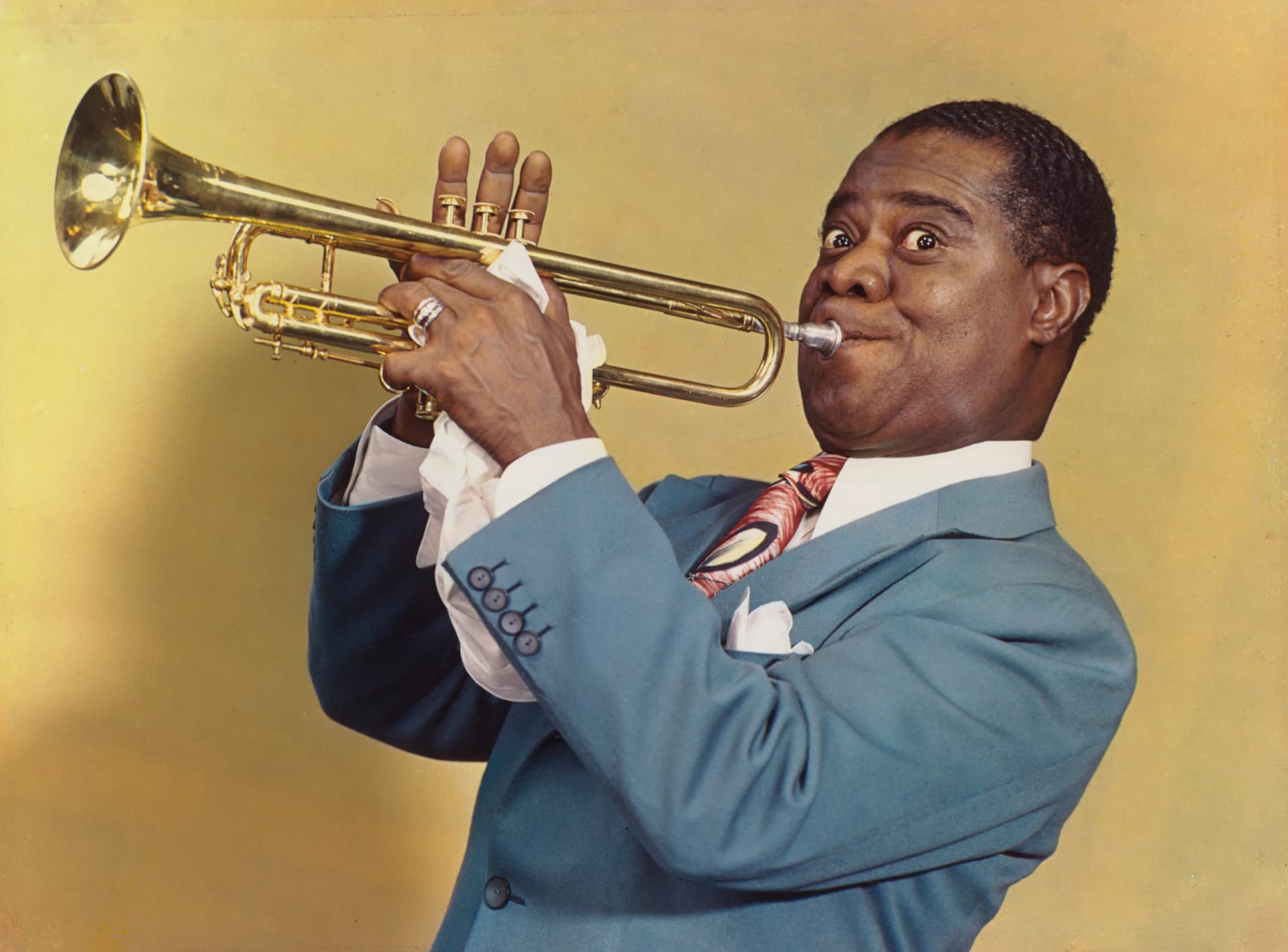
Louis Armstrong (1901–1971) was United States best known for American jazz musician, trumpeter and singer.
Louis Armstrong (August 4, 1901 – July 6, 1971) was an American jazz musician, trumpeter, and singer from New Orleans. A highly influential figure, he redefined jazz with his innovative trumpet playing and distinctive vocals. His career spanned five decades, leaving an enduring mark on multiple musical genres.
Capítulo
Capítulos de vida
Capítulo 1· Capítulo 1 de 6
Early Life and Origins
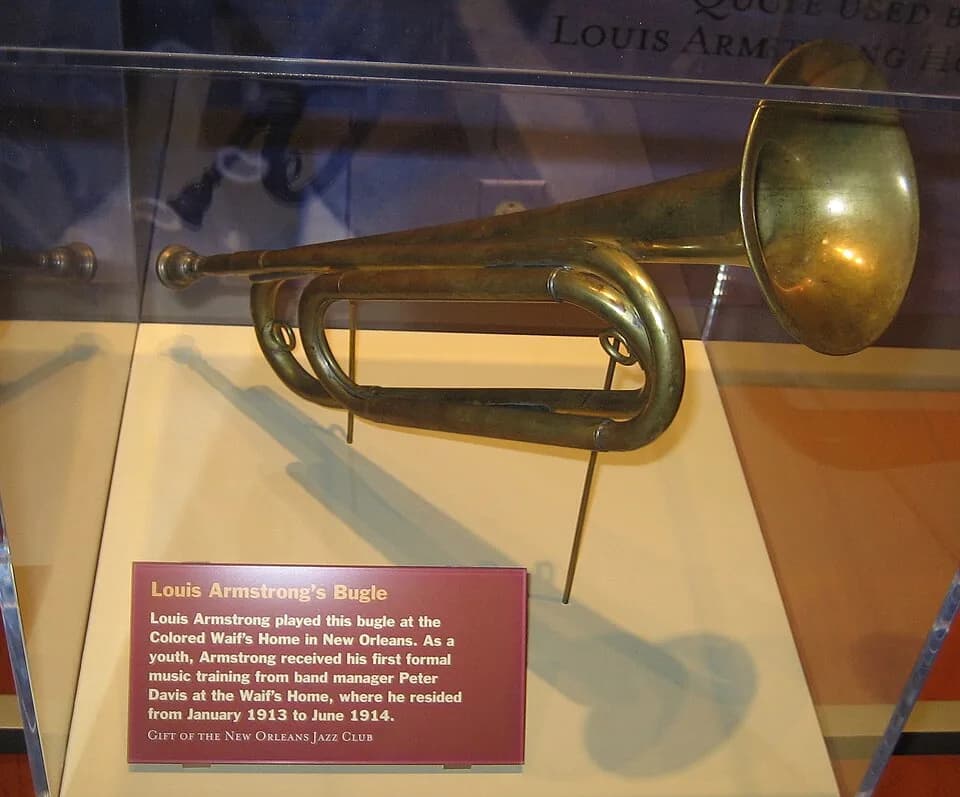
Born into challenging circumstances in New Orleans, Louisiana, Louis Armstrong's early life was steeped in the rich musical traditions of the city. New Orleans, his birthplace, was a melting pot of sounds, including blues, ragtime, and marching band music, which deeply shaped his artistic development. These early experiences provided a fertile ground for his inherent musical talent to flourish.
Armstrong often spoke of the vibrant street culture and musical performances he encountered daily. He began his musical journey as a street artist, absorbing the rhythms and melodies that would later become hallmarks of his innovative style. This foundational period in New Orleans was crucial, instilling in him the deep connection to music that would define his entire life and career.
Capítulo 2· Capítulo 2 de 6
Career Beginnings
Armstrong's natural talent for the trumpet quickly became evident during his early days as a street artist in New Orleans. His skills earned him opportunities to perform with various local bands, where he diligently honed his craft. He progressed from local engagements to working with prominent bandleaders, steadily building his reputation as a formidable trumpeter.
These initial professional experiences allowed him to experiment with different musical arrangements and improvisational techniques. He rapidly distinguished himself with his unique sound and powerful presence, paving the way for his eventual move to Chicago and New York, where he would become a central figure in the evolving jazz scene. His early work set the stage for a career that would redefine musical performance.
Capítulo 3· Capítulo 3 de 6
Major Achievements and Career Highlights
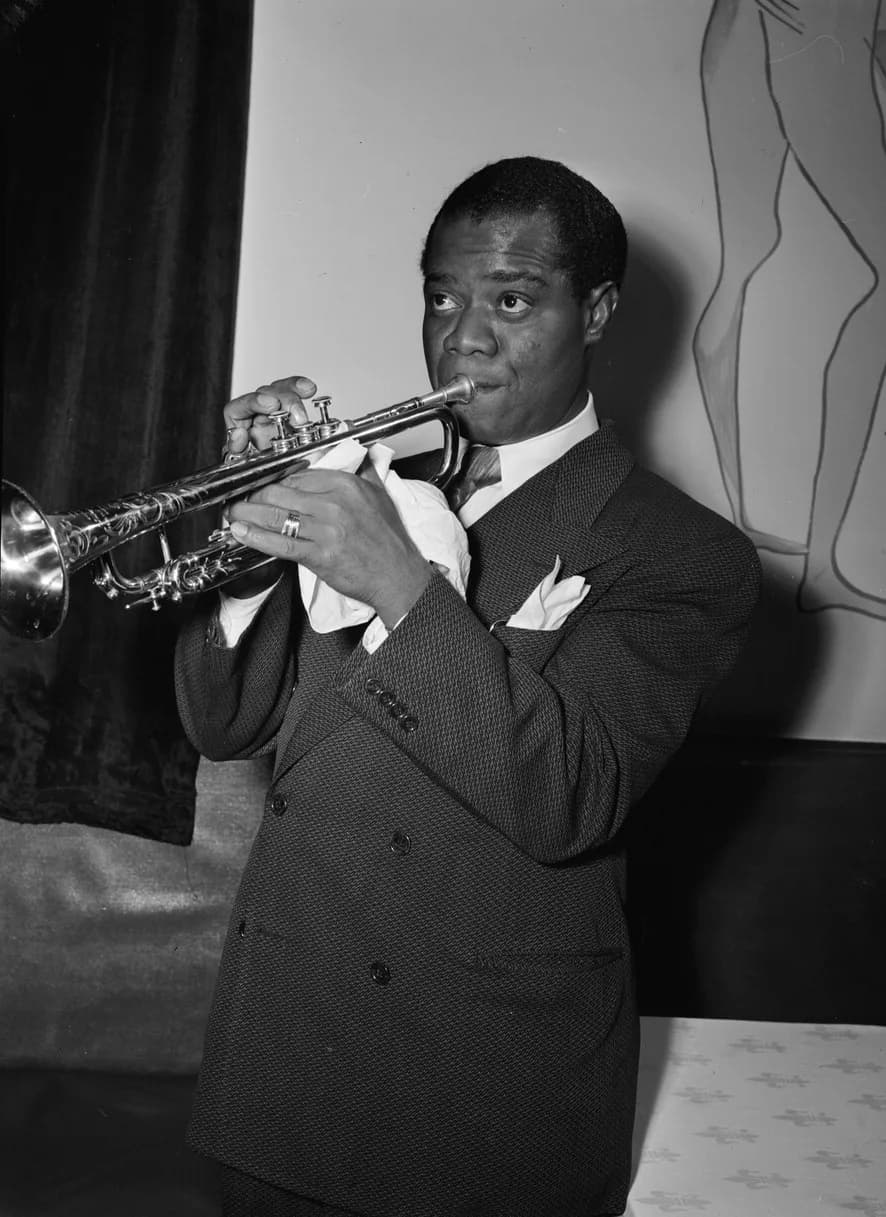
Louis Armstrong's career was filled with groundbreaking achievements that cemented his status as a music pioneer. He was a driving force in the development of jazz, transitioning the trumpet from a background instrument to a solo voice. His innovative approach to improvisation and vocal delivery reshaped musical performance.
Among his many accolades, Armstrong received a Grammy Award for Best Male Vocal Performance in 1965 for his rendition of "Hello, Dolly!" This win underscored his enduring popularity and commercial success across different musical landscapes. Following his passing, his monumental contributions were recognized with a posthumous Grammy Lifetime Achievement Award in 1972, celebrating his legacy as a recording artist and performer.
Armstrong's influence transcended genre boundaries, leading to his induction into multiple prestigious halls of fame. He was honored by the DownBeat Jazz Hall of Fame, acknowledging his foundational role in jazz. Furthermore, his impact on broader popular music was recognized with inductions into the Rock and Roll Hall of Fame and the National Rhythm & Blues Hall of Fame, highlighting the diverse reach of his artistic output.
Capítulo 4 · 1941· Capítulo 4 de 6
Notable Works or Contributions
Louis Armstrong's discography is extensive, featuring numerous recordings that remain classics in music history. Key albums include "Louis and Earl" (1941), "Louis Armstrong Plays W.C. Handy" (1954), and "Satch Plays Fats: A Tribute to the Immortal Fats Waller" (1955). His collaborations with Ella Fitzgerald, such as "Ella and Louis" (1956), "Porgy & Bess" (1957), and "Ella and Louis Again" (1957), are celebrated as quintessential vocal jazz recordings, showcasing his incredible synergy with other artists.
Beyond his musical recordings, Armstrong also made notable contributions as an actor and writer. He appeared in several films, including "The Five Pennies" (1959), "Paris Blues" (1961), and the iconic "Hello, Dolly!" (1969). His literary contributions include his autobiography, "Satchmo My Life in New Orleans," offering personal insights into his journey. His interpretation of "What a Wonderful World" remains one of his most beloved and enduring vocal works, touching hearts globally.
Capítulo 5· Capítulo 5 de 6
Later Years
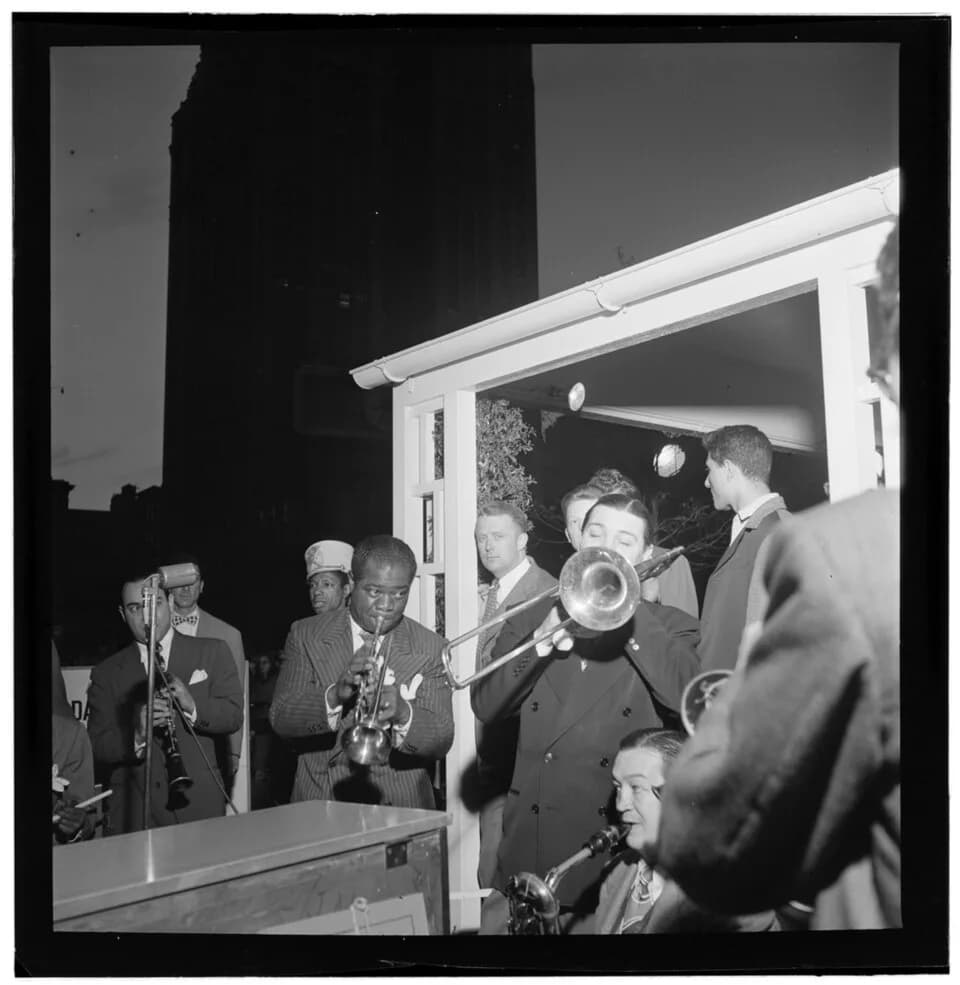
In his later years, Louis Armstrong continued to captivate audiences around the world with his vibrant performances and recordings. He maintained an active schedule, embodying the spirit of a true entertainer until his final days. Even as his health began to decline, his dedication to his craft and his joy in making music never diminished.
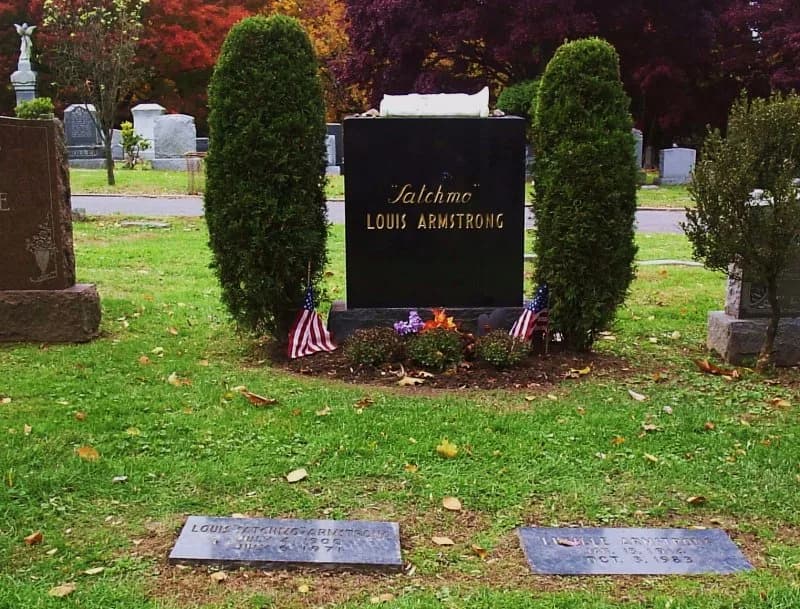
Armstrong remained a cherished public figure, continuing to perform as a bandleader and radio personality. His enduring presence served as a connection between the early days of jazz and its evolving forms. He passed away on July 6, 1971, in New York City, leaving behind a profound body of work.
Capítulo 6· Capítulo 6 de 6
Legacy and Impact
Louis Armstrong's legacy as an American jazz musician is immense and continues to shape music today. He transformed jazz from a regional folk music into an international art form, demonstrating its expressive power through his virtuosity and charisma. His innovative trumpet playing and gravelly, soulful vocal style set new standards for musical performance and improvisation.
He is celebrated for popularizing scat singing and for his ability to infuse every performance with warmth and authenticity. Armstrong’s influence can be heard in countless musicians across jazz, blues, pop, and rock. His timeless recordings and vibrant personality ensure that his contributions to music and culture will continue to inspire and entertain for generations to come. He remains a beloved icon whose impact on the world of music is truly immeasurable.
Una vida en momentos
Los momentos que dieron forma a una vida
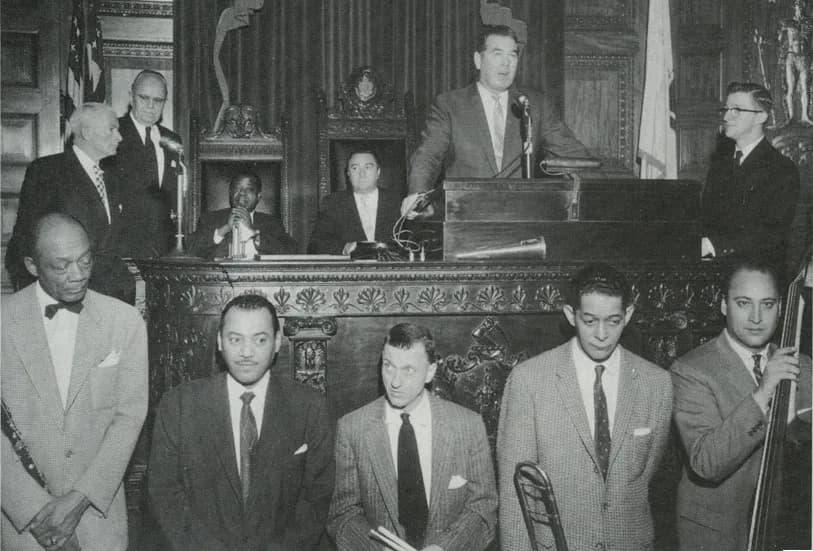
![Louis Armstrong - montage photo des grands maitres du jazz classique]](/_next/image?url=https%3A%2F%2Fcdn.whowasthisguy.com%2Fgallery_wikimedia_commons_1784285154525_4_21a3b88336.webp&w=1920&q=75)
FAQ
Preguntas frecuentes
¿Cuándo murió Louis Armstrong?
Louis Armstrong murió el 6 de julio de 1971 en New York City, United States, a la edad de 69 años.
¿Dónde nació Louis Armstrong?
Louis Armstrong nació en New Orleans, United States el 4 de agosto de 1901.
¿Por qué es más conocido(a) Louis Armstrong?
Louis Armstrong es más conocido(a) por American jazz musician, trumpeter and singer.
¿Qué edad tenía Louis Armstrong cuando murió?
Louis Armstrong tenía 69 años en el momento de su muerte.
¿Cuál era la nacionalidad de Louis Armstrong?
Louis Armstrong era de United States.
Cronología
La vida de un vistazo
Galería fotográfica
Una vida en imágenes
Haz clic en una polaroid para ampliar · 25 fotos
Código QR
Compartir esta biografía
Imprimir y compartir
Escanee para visitar esta página de biografía. Imprima para eventos, exposiciones o materiales educativos.