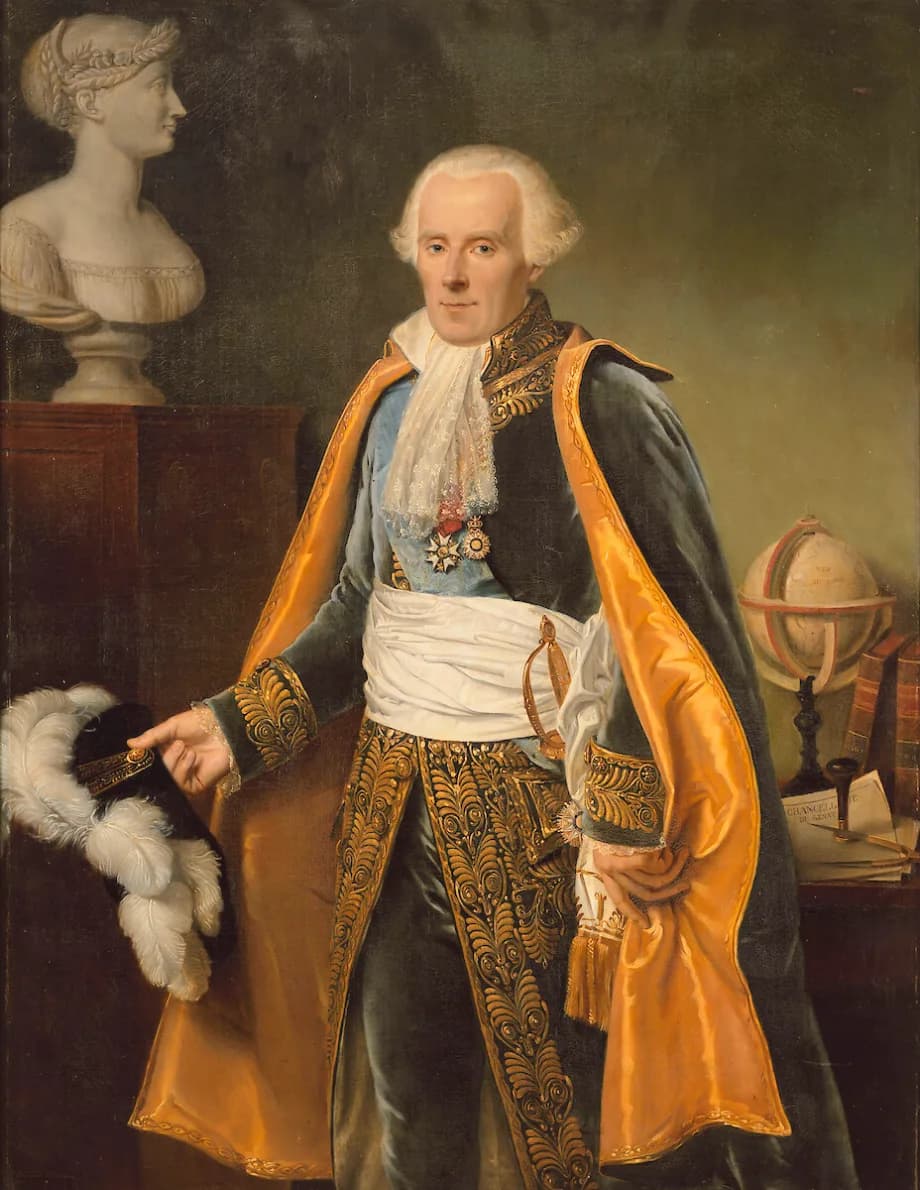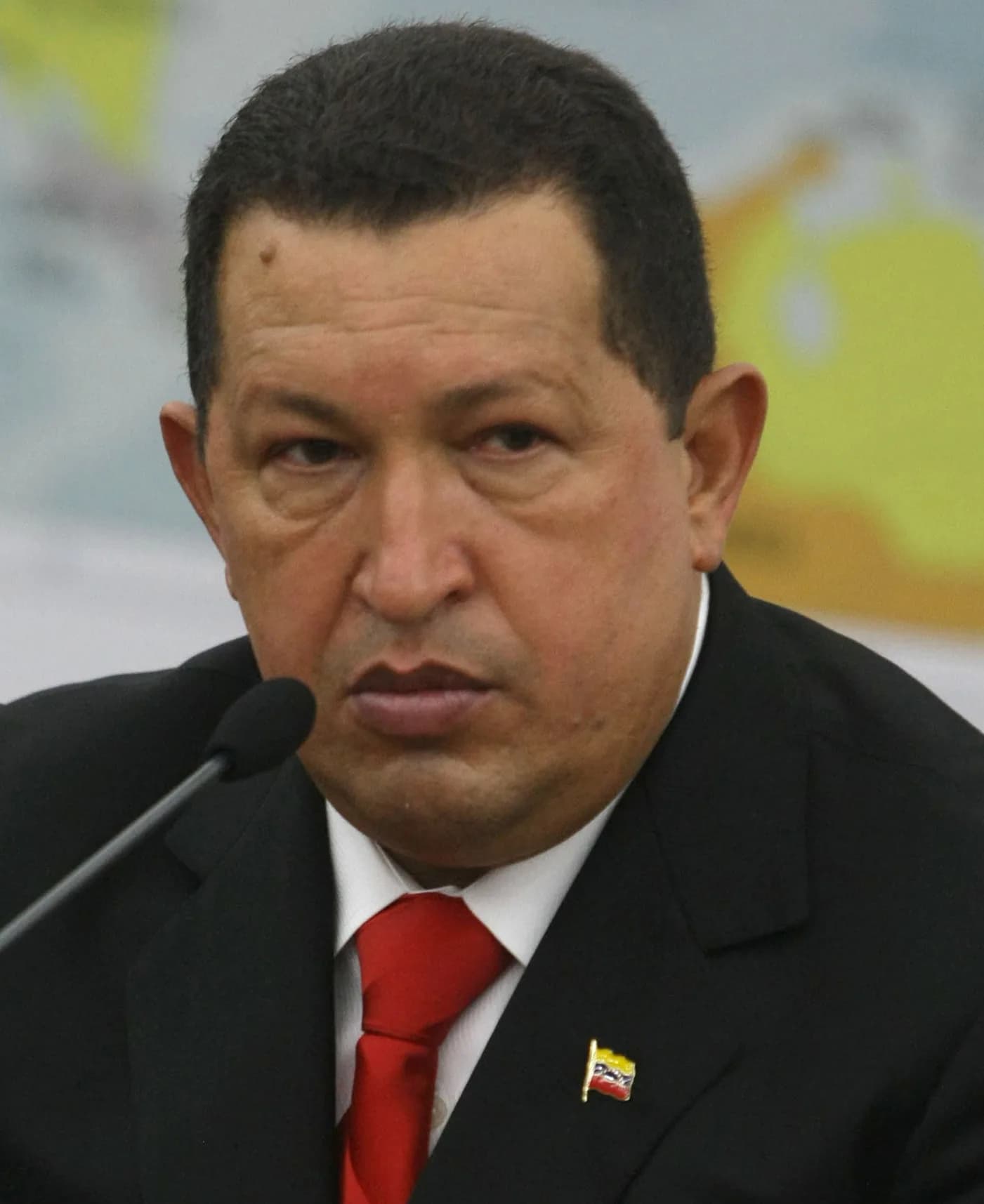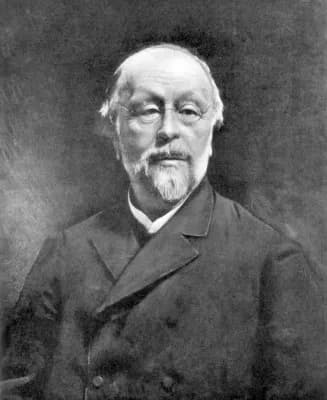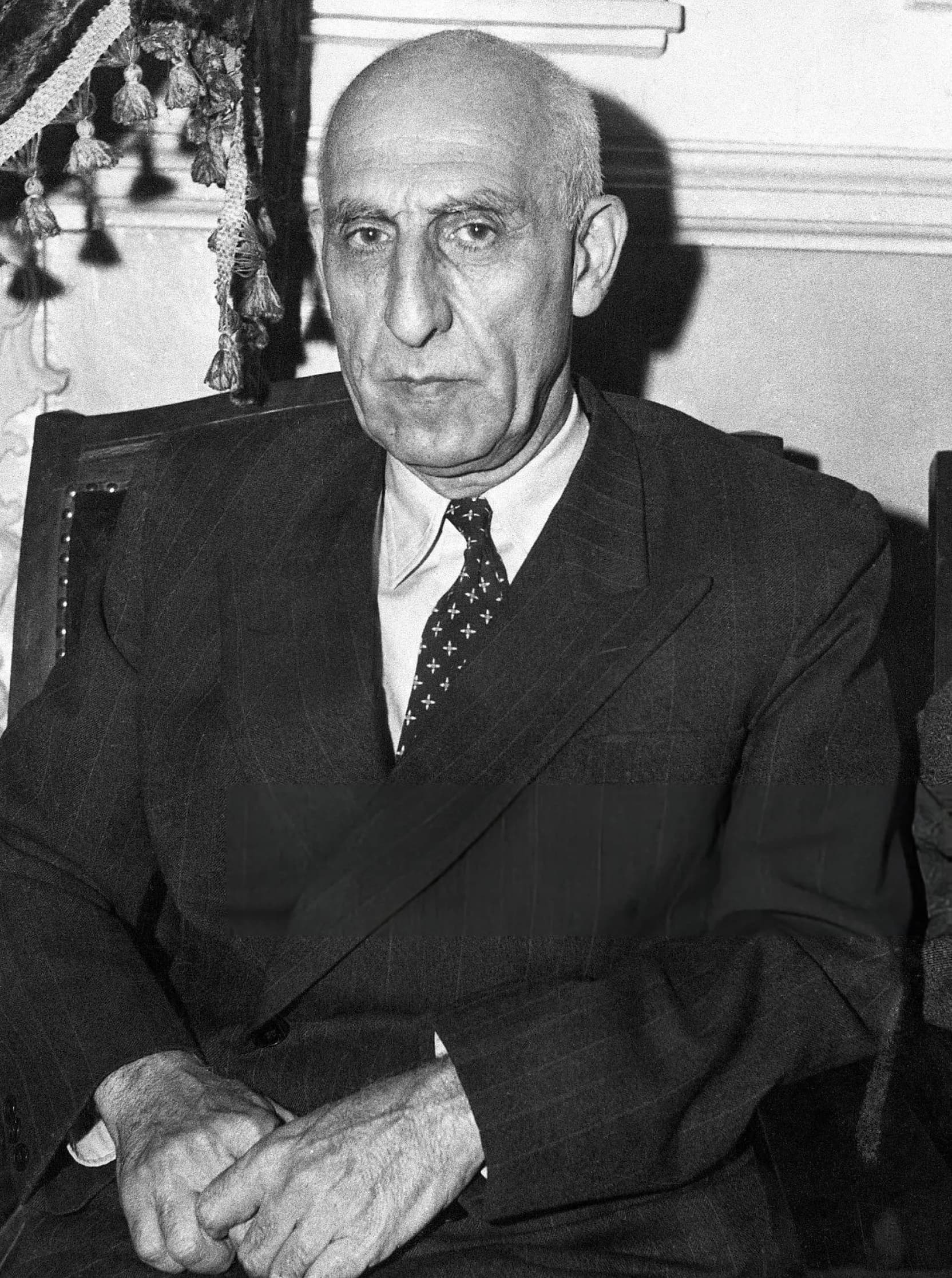
Nacido
December 18, 1878
Gori, Georgia
Fallecido
March 5, 1953
Kuntsevo Dacha, Russia
Conocido por
leader of the Soviet Union from 1924 to 1953
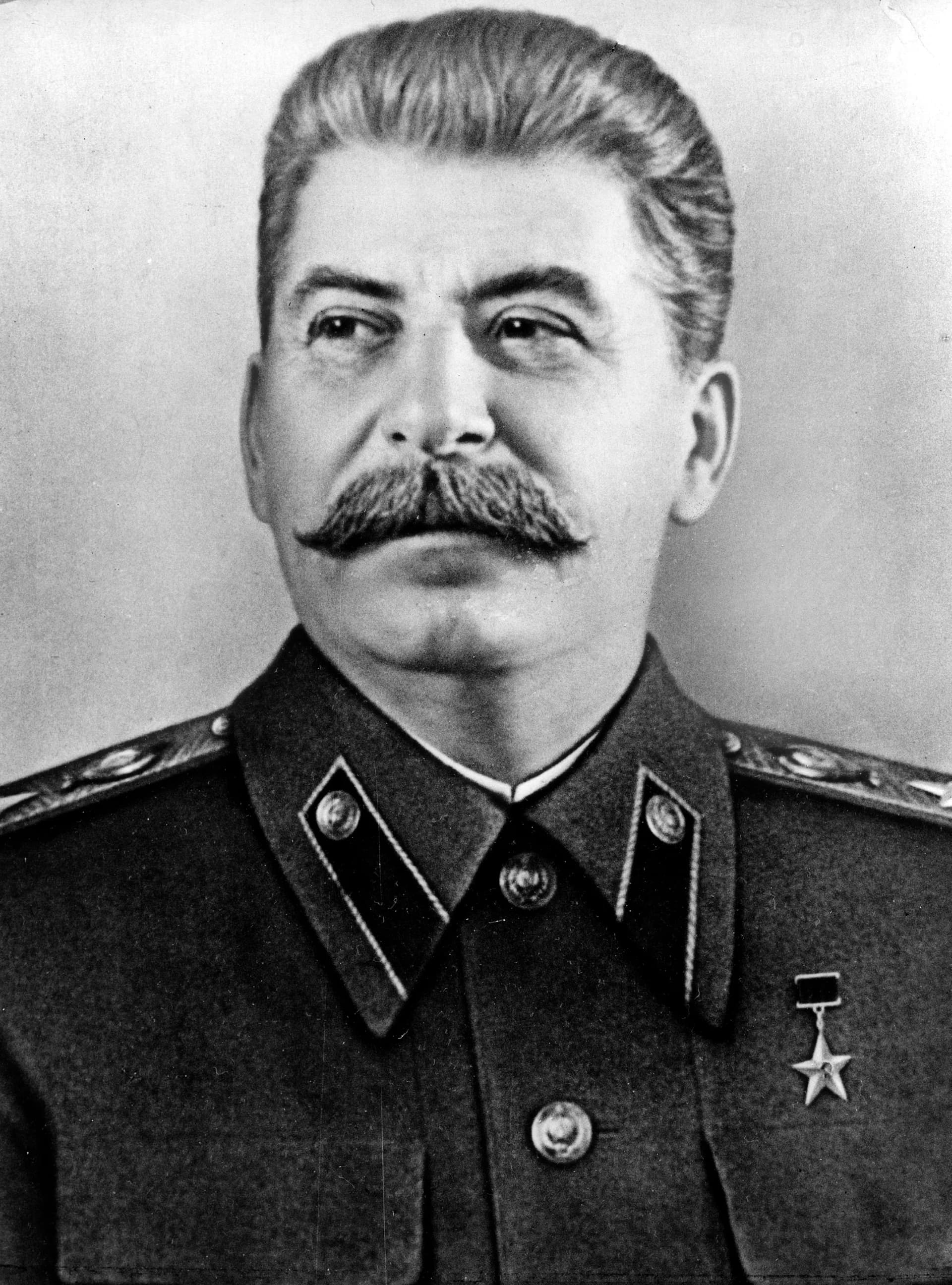
Joseph Stalin (1878–1953) was Georgia best known for leader of the Soviet Union from 1924 to 1953.
Joseph Vissarionovich Stalin (December 18, 1878 – March 5, 1953) was a politician and revolutionary from Gori, Georgia. He led the Soviet Union from 1924 until his death, consolidating power and codifying Marxism–Leninism. His leadership significantly shaped 20th-century history.
Una vida en momentos
Los momentos que dieron forma a una vida
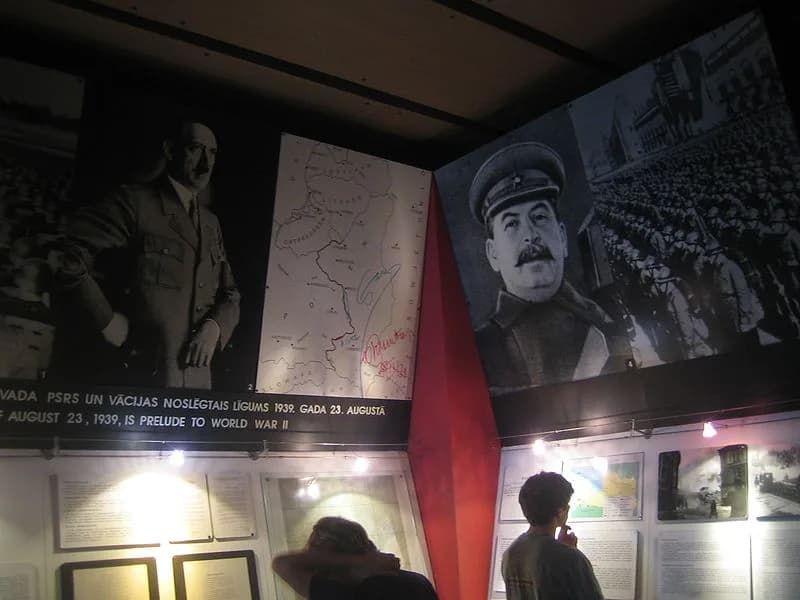
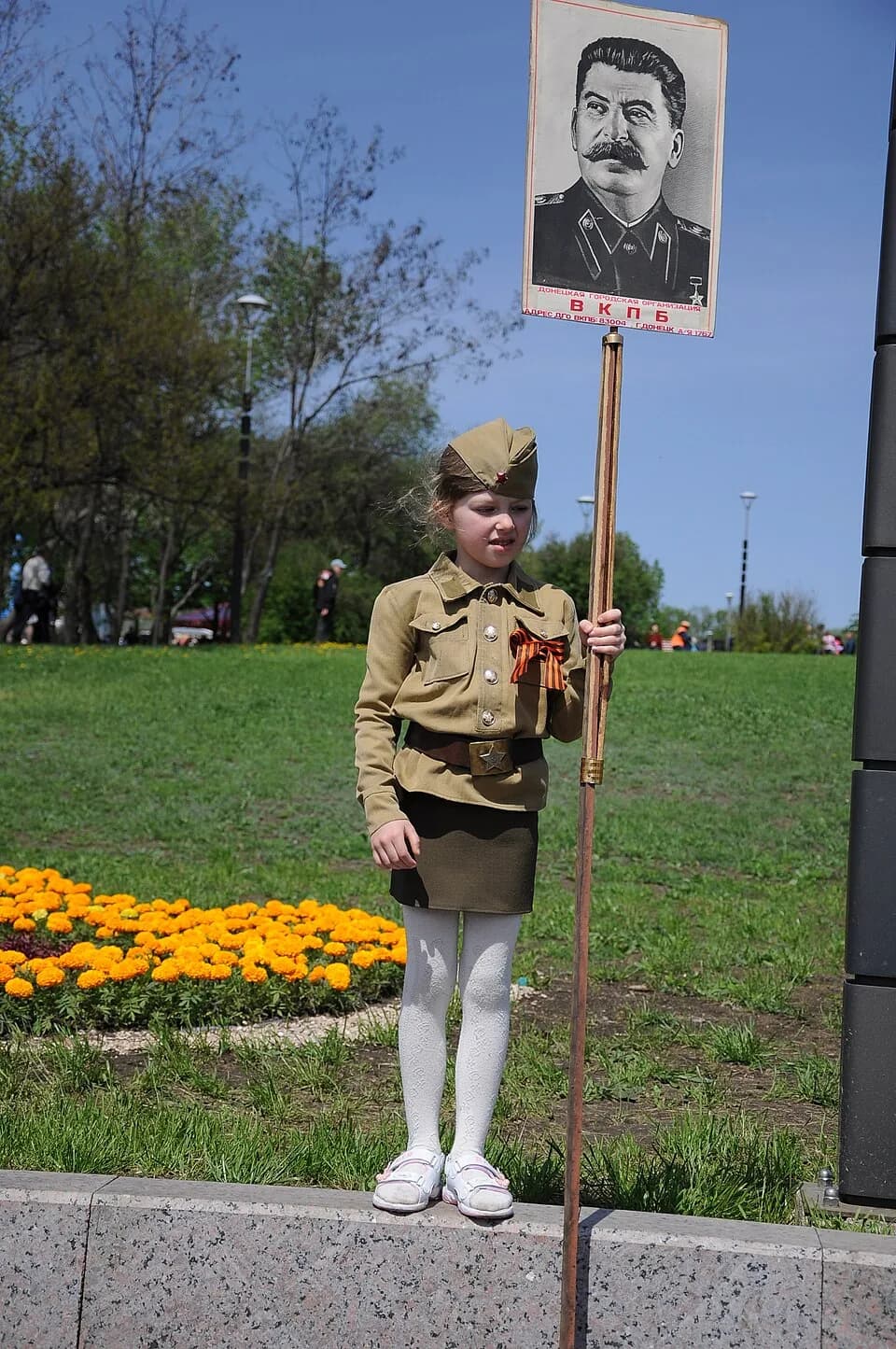
Capítulo
Capítulos de vida
Capítulo 1 · 1878· Capítulo 1 de 8
Introduction to Joseph Vissarionovich Stalin
Joseph Vissarionovich Stalin (December 18, 1878 – March 5, 1953) was a formidable politician, statesperson, official, and revolutionary who profoundly shaped the Soviet Union. He is primarily known for his leadership of the nation from 1924 until his death in 1953, a period marked by significant internal and international transformations. His life began in Gori, Georgia, and concluded at the Kuntsevo Dacha in Russia, leaving an enduring and complex legacy in the annals of history.
Capítulo 2 · 1878· Capítulo 2 de 8
Early Life and Origins
Joseph Vissarionovich Stalin was born on December 18, 1878, in the town of Gori, situated in what is now modern-day Georgia. At the time, Gori was part of the Tiflis Governorate within the vast Russian Empire. While the provided details do not extensively elaborate on his family background or specific educational experiences, his Georgian heritage was a defining aspect of his early identity. This formative period in a multi-ethnic region likely contributed to his early worldview and revolutionary leanings.
Capítulo 3· Capítulo 3 de 8
Career Beginnings
Stalin's path to prominence commenced with his fervent involvement as a revolutionary, a commitment that took root during his youth. He quickly became deeply immersed in political activism, laying essential groundwork for his eventual rise within the burgeoning communist movement. Beyond his primary role as a revolutionary, he also honed his skills as an opinion journalist, disseminating his views and influencing public discourse. His linguistic abilities further aided his early work, demonstrating a diverse intellectual capacity that was vital in his ascent through the turbulent political arena of the early 20th century.
Capítulo 4 · 1924· Capítulo 4 de 8
Major Achievements and Career Highlights
Joseph Stalin ascended to the pinnacle of power as the leader of the Soviet Union in 1924, a position he maintained with unwavering authority until his death on March 5, 1953. His tenure was marked by holding multiple influential offices, including serving as the General Secretary of the Communist Party from 1922 to 1952. Furthermore, he assumed the role of premier of the Soviet Union in 1941, continuing in this capacity concurrently until his passing. By the 1930s, Stalin had meticulously consolidated vast power, establishing himself as an absolute dictator and profoundly reshaping the structure of the Soviet state.
A cornerstone of his leadership involved the codification of the Communist Party's official interpretation of Marxism, which he formally articulated as Marxism–Leninism. This ideological framework became the guiding doctrine for the Soviet Union's domestic and foreign policies for decades. His distinct contributions and particular implementation of these principles led to his specific version being widely known and referred to as Stalinism. These ideological underpinnings were crucial to understanding the direction of the Soviet Union under his long rule.
Capítulo 5· Capítulo 5 de 8
Personal Life
While Joseph Stalin's public and political career are extensively documented and are the primary focus of historical records, specific details concerning his private family life, personal relationships, or individual interests are not provided in the available information. The given data largely concentrates on his professional trajectory and his comprehensive leadership within the Soviet Union. His unwavering dedication to his political roles and revolutionary work appears to have consumed much of his life, with personal aspects remaining less chronicled in the provided summary.
Capítulo 6 · 1935· Capítulo 6 de 8
Notable Works or Contributions
Joseph Stalin was not merely a political leader but also a prolific writer and influential theorist, contributing substantially to the ideological bedrock of the Soviet Union. Among his extensive notable works is "Soviet union, 1935," which offers insights into his vision for the nation's development during that era. His theoretical contributions were fundamental, including significant texts such as "論列寧主義基礎" (On the Foundations of Leninism) and "Les questions du léninisme" (Questions of Leninism), both pivotal in articulating his distinct interpretation of Marxist-Leninist thought and doctrine.
He also authored critical governmental and economic policy documents, such as "O zadachakh khozi︠a︡ĭstvennikov" (On the Tasks of Economic Executives), which outlined his directives for economic management, and "Sul progetto di Costituzione dell'URSS" (On the Project of the USSR Constitution), detailing his proposals for the Soviet constitution. Additionally, his political reports, including "Politicheskiĭ otchet T︠S︡entralʹnogo komiteta XVI sʺezdu VKP(b) 27 ii︠u︡ni︠a︡ 1930 g." (Political Report of the Central Committee to the XVI Congress of the All-Union Communist Party (Bolsheviks) on June 27, 1930), served to define and direct the party's agenda and future course. These writings collectively provide a deeper understanding of his intellectual and political contributions.
Capítulo 7 · 1953· Capítulo 7 de 8
Later Years
Joseph Stalin remained firmly at the helm of the Soviet Union throughout his final years, continuing his leadership until his passing on March 5, 1953. He consistently served as premier from 1941 and maintained his influential position as General Secretary of the Communist Party until 1952, demonstrating his enduring grip on power. Even in his later decades, his active engagement in the comprehensive leadership of the country persisted, as he continued to direct its complex domestic policies and international relations.
His death occurred at the Kuntsevo Dacha in Russia, marking the culmination of an extraordinary and lengthy era defined by his singular and absolute leadership. Until the very end, Stalin's unparalleled influence on the Soviet state remained pervasive, ensuring that his vision and policies continued to shape its trajectory and its standing on the global stage. His passing signified a momentous transition in Soviet history.
Capítulo 8· Capítulo 8 de 8
Legacy and Impact
Joseph Stalin's legacy is indelibly marked by his nearly three decades as the supreme leader of the Soviet Union, a period that fundamentally transformed the nation. He exerted an immense and lasting influence on the country's political, economic, and social frameworks, reshaping them according to his vision. His methodical consolidation of power throughout the 1930s resulted in the establishment of a highly centralized and authoritarian Soviet state, a characteristic that defined its operation for decades.
The specific ideological framework he not only codified but also rigorously enforced, Marxism–Leninism, and its particular application known as Stalinism, became the definitive blueprint for Soviet policy and governance. His leadership significantly shaped global politics, contributing substantially to the development and spread of communism as a powerful international force. The comprehensive effects of his long and impactful tenure as a politician, statesperson, official, and revolutionary continue to be subjects of extensive historical scrutiny and debate worldwide.
FAQ
Preguntas frecuentes
¿Cuándo murió Joseph Stalin?
Joseph Stalin murió el 5 de marzo de 1953 en Kuntsevo Dacha, Russia, a la edad de 74 años.
¿Dónde nació Joseph Stalin?
Joseph Stalin nació en Gori, Georgia el 18 de diciembre de 1878.
¿Por qué es más conocido(a) Joseph Stalin?
Joseph Stalin es más conocido(a) por leader of the Soviet Union from 1924 to 1953.
¿Qué edad tenía Joseph Stalin cuando murió?
Joseph Stalin tenía 74 años en el momento de su muerte.
¿Cuál era la nacionalidad de Joseph Stalin?
Joseph Stalin era de Georgia.
Cronología
La vida de un vistazo
Galería fotográfica
Una vida en imágenes
Haz clic en una polaroid para ampliar · 25 fotos
Código QR
Compartir esta biografía
Imprimir y compartir
Escanee para visitar esta página de biografía. Imprima para eventos, exposiciones o materiales educativos.