Nacido
April 24, 1903
Madrid, Spain
Fallecido
November 20, 1936
Alicante, Spain
Conocido por
Spanish politician and founder of Falange Española
José Antonio Primo de Rivera (1903–1936) was Spain best known for Spanish politician and founder of Falange Española.
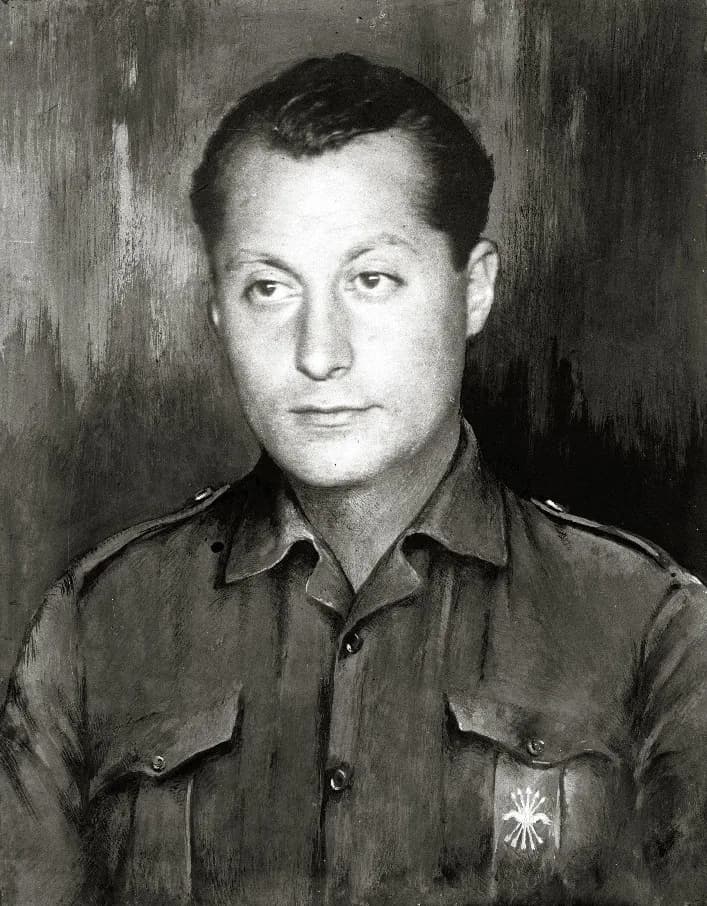
José Antonio Primo de Rivera (April 24, 1903 – November 20, 1936) was a Spanish lawyer, poet, and politician from Madrid, Spain. He is best known as the founder of Falange Española, a national syndicalist political movement. His foundational writings and political actions left a lasting mark on Spanish history.
Una vida en momentos
Los momentos que dieron forma a una vida
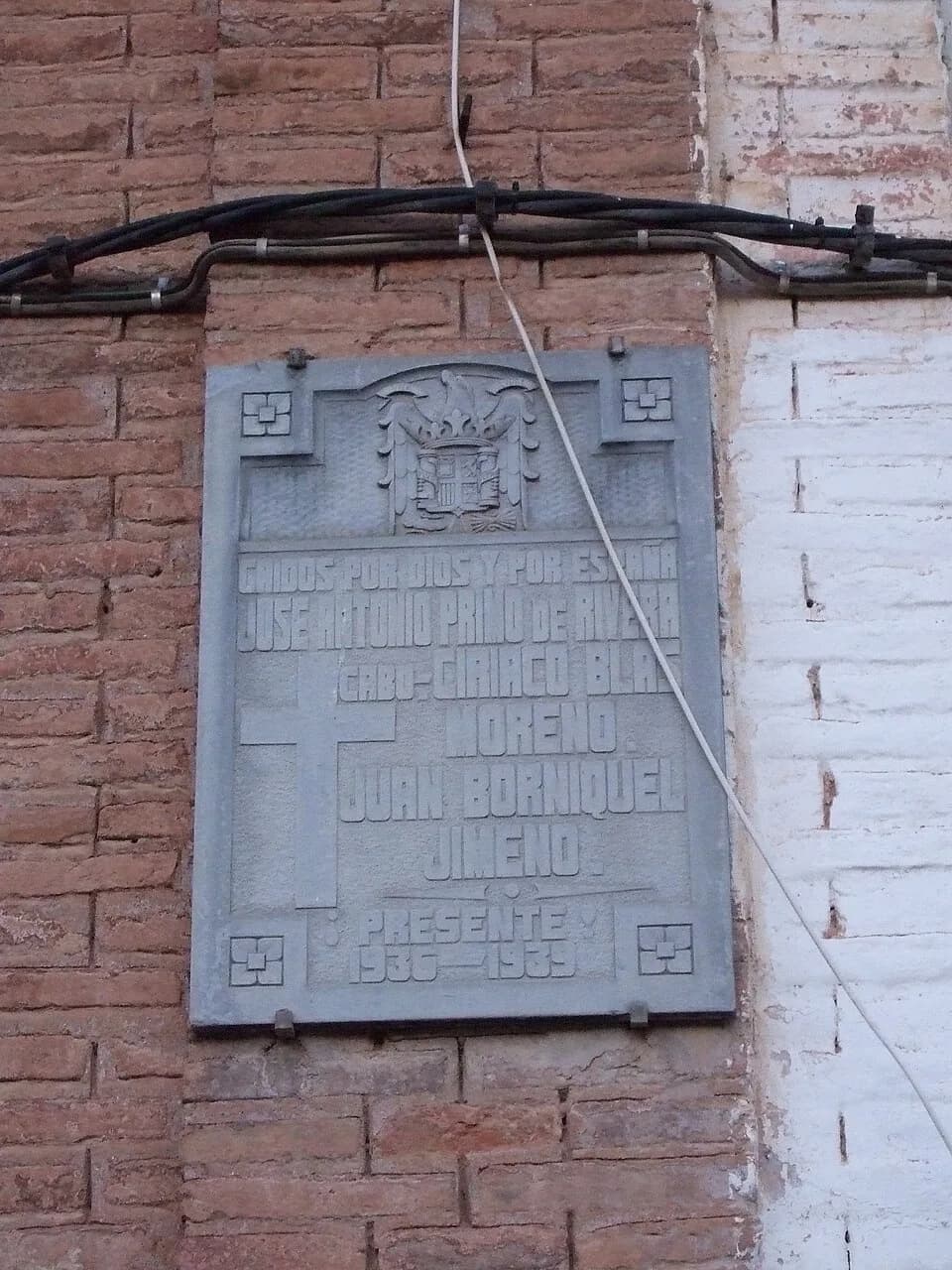
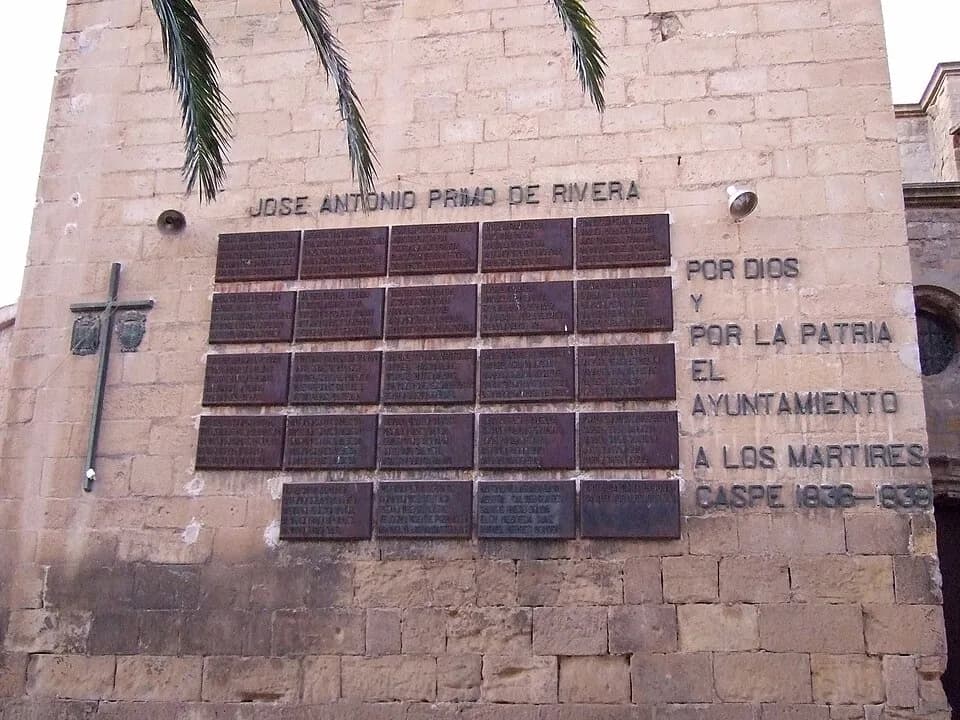
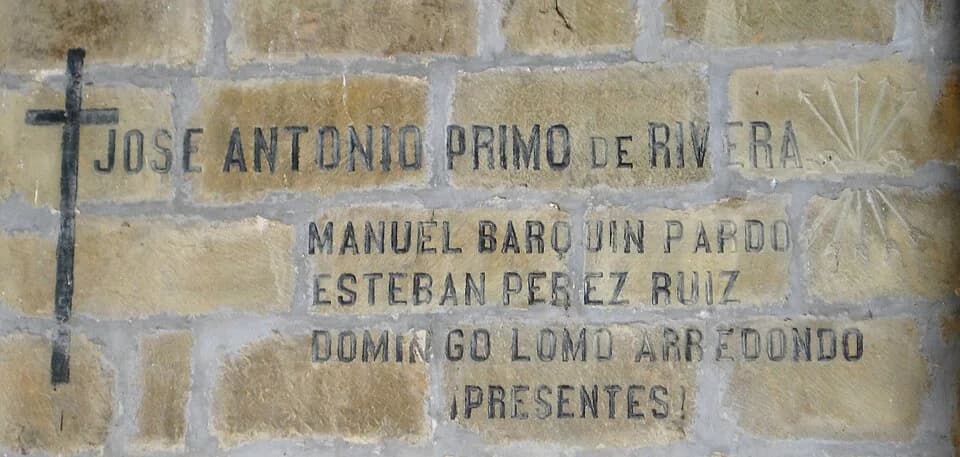
Capítulo
Capítulos de vida
Capítulo 1 · 1903· Capítulo 1 de 8
Remembering José Antonio Primo de Rivera
José Antonio Primo de Rivera (April 24, 1903 – November 20, 1936) was a Spanish lawyer, poet, and politician, renowned for his role as the founder of Falange Española. His life, though tragically brief, significantly impacted 20th-century Spanish history and its political landscape. Born in Madrid, Spain, his influence extended through his foundational writings and political actions until his passing in Alicante. He is remembered as a central figure in the national syndicalist movement within Spain.
Capítulo 2 · 1903· Capítulo 2 de 8
Early Life and Origins
José Antonio Primo de Rivera y Sáenz de Heredia was born on April 24, 1903, in the vibrant city of Madrid, Spain. As the 1st Duke of Primo de Rivera and 3rd Marquis of Estella GE, he belonged to a distinguished Spanish family. His upbringing in a prominent household provided him with a unique perspective on Spanish society and politics. These formative years in Madrid cultivated an intellectual curiosity and a drive that would define his later public career.
Capítulo 3· Capítulo 3 de 8
Career Beginnings
Before his political ascendance, José Antonio Primo de Rivera established himself as a lawyer, utilizing his sharp intellect and rhetorical skills in the legal profession. This initial career path honed his analytical abilities and his capacity for persuasive argumentation, which were crucial for his later advocacy. Concurrently, he engaged with his passion for literature, expressing himself through poetry and further developing his communicative prowess. These early professional endeavors laid the essential groundwork for his eventual and dramatic entry into public life.
Capítulo 4· Capítulo 4 de 8
Major Achievements and Career Highlights
A pivotal moment in José Antonio Primo de Rivera’s life was the founding of the Falange Española. This political organization, later known as Falange Española de las JONS, served as the primary vehicle for his national syndicalist ideology. Through his leadership, he established a distinct and influential political movement during a period of intense social and political flux in Spain. His role as a Spanish national syndicalist politician solidified his place as a key architect of a particular vision for the nation.
Capítulo 5· Capítulo 5 de 8
Personal Life
While José Antonio Primo de Rivera's public persona as a politician and ideologue was widely recognized, details concerning his personal life, family, and private interests are not extensively documented in the provided information. His public commitment to his political and professional pursuits largely defined his narrative. He focused his energies on the political sphere, leaving fewer records of his private world for posterity.
Capítulo 6· Capítulo 6 de 8
Notable Works or Contributions
José Antonio Primo de Rivera's intellectual legacy includes significant written works that articulated his political philosophy. His "Discurso de Fundación de Falange Española" stands as a foundational text, outlining the core tenets and aspirations of the movement he created. Furthermore, his "Selected Writings" offer a deeper exploration into his thoughts and political theories. These publications are essential for anyone seeking to understand the ideological underpinnings of Falangism and his specific contributions to Spanish political thought.
Capítulo 7 · 1936· Capítulo 7 de 8
Later Years
José Antonio Primo de Rivera's life concluded abruptly on November 20, 1936. He passed away in Alicante, Spain, bringing his active political career to an untimely end. His final years were characterized by the escalating political tensions that gripped Spain, leading to the turbulent Spanish Civil War. His death in Alicante at a relatively young age marked a significant moment in the unfolding conflict.
Capítulo 8· Capítulo 8 de 8
Legacy and Impact
The enduring legacy of José Antonio Primo de Rivera is intrinsically linked to his role as the founder of Falange Española. His national syndicalist political philosophy shaped a considerable segment of Spanish political and social discourse throughout the 20th century. Even after his death, the ideas and the movement he initiated continued to exert substantial influence on Spain's political landscape. He remains a complex and debated figure, integral to understanding the ideological currents of modern Spanish history.
FAQ
Preguntas frecuentes
¿Cuándo murió José Antonio Primo de Rivera?
José Antonio Primo de Rivera murió el 20 de noviembre de 1936 en Alicante, Spain, a la edad de 33 años.
¿Dónde nació José Antonio Primo de Rivera?
José Antonio Primo de Rivera nació en Madrid, Spain el 24 de abril de 1903.
¿Por qué es más conocido(a) José Antonio Primo de Rivera?
José Antonio Primo de Rivera es más conocido(a) por Spanish politician and founder of Falange Española.
¿Qué edad tenía José Antonio Primo de Rivera cuando murió?
José Antonio Primo de Rivera tenía 33 años en el momento de su muerte.
¿Cuál era la nacionalidad de José Antonio Primo de Rivera?
José Antonio Primo de Rivera era de Spain.
Cronología
La vida de un vistazo
Galería fotográfica
Una vida en imágenes
Haz clic en una polaroid para ampliar · 25 fotos
Código QR
Compartir esta biografía
Imprimir y compartir
Escanee para visitar esta página de biografía. Imprima para eventos, exposiciones o materiales educativos.