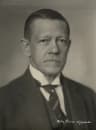
Nacido
June 5, 1760
Turku, Finland
Fallecido
August 15, 1852
Mynämäki, Finland
Conocido por
Finnish chemist, physicist and mineralogist
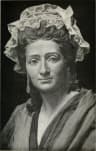
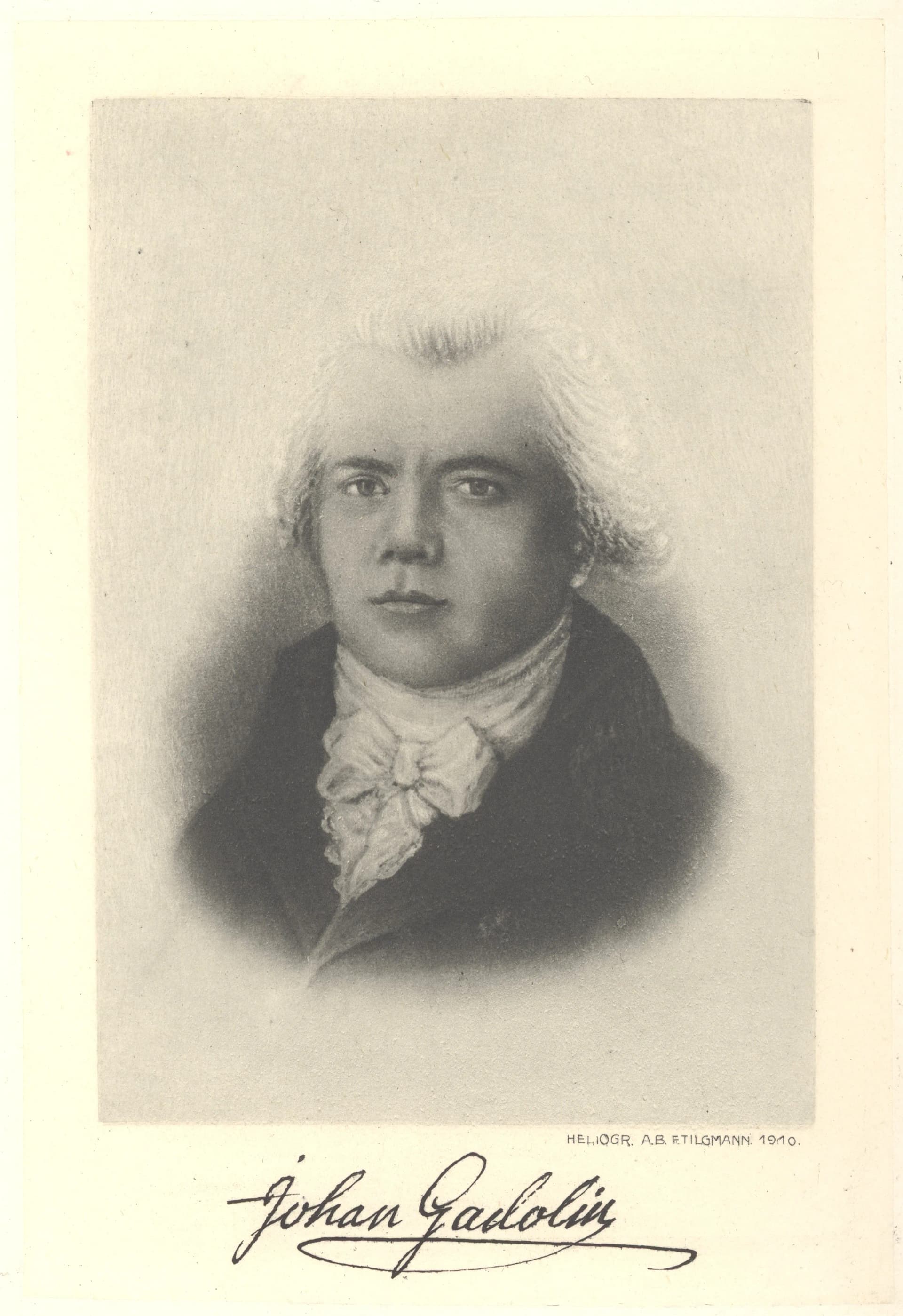
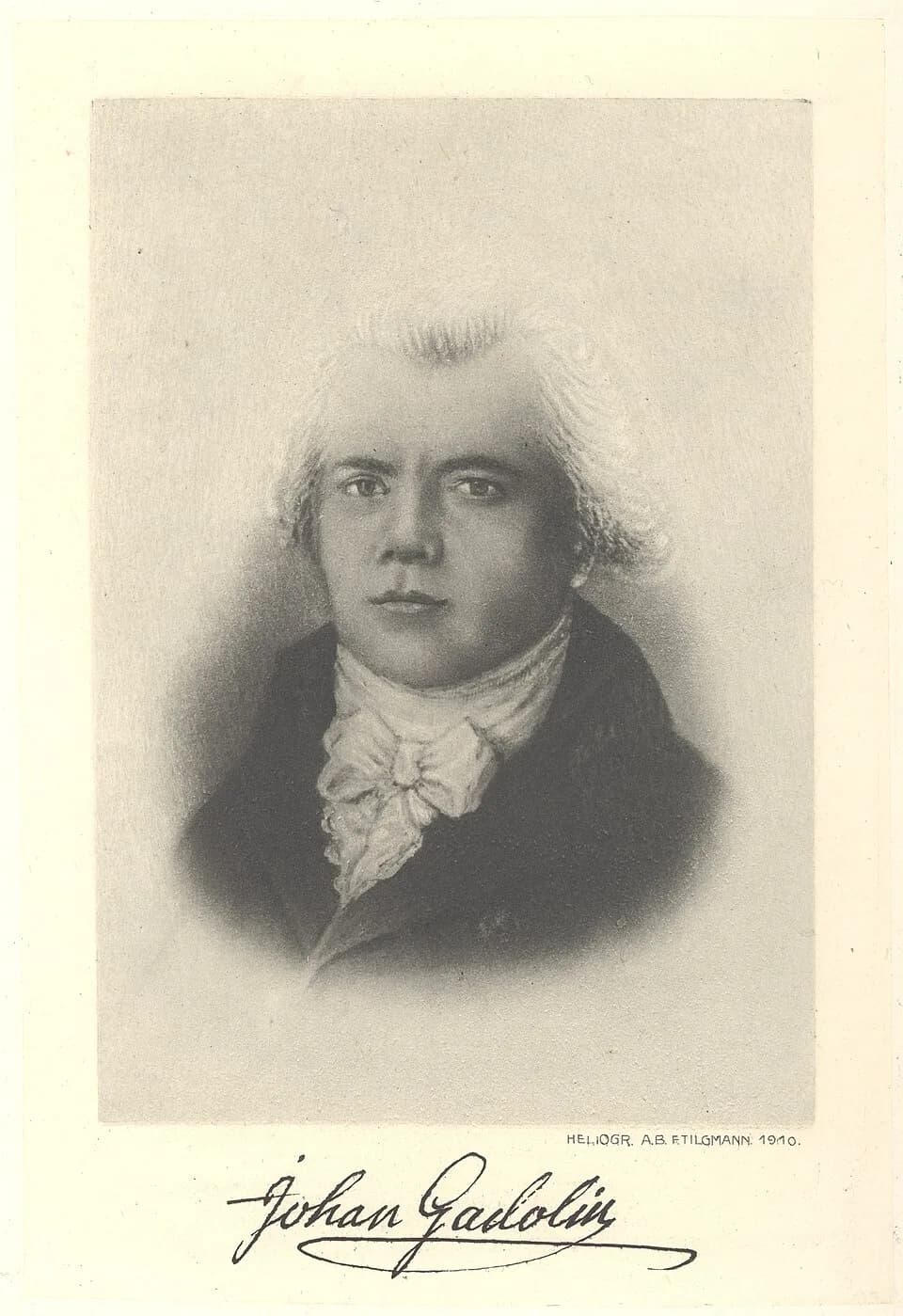
Johan Gadolin (1760–1852) was Finland best known for Finnish chemist, physicist and mineralogist.
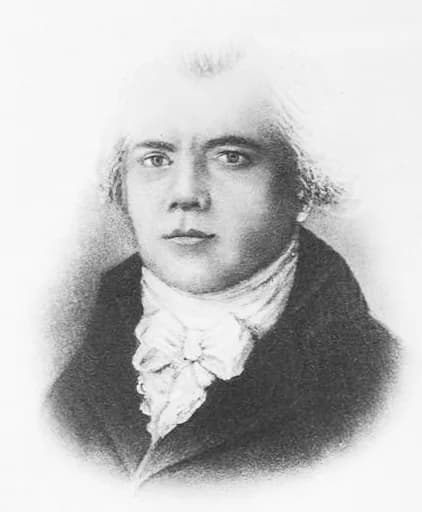
Johan Gadolin (June 5, 1760 – August 15, 1852) was a Finnish chemist, physicist, and mineralogist from Turku. He discovered a "new earth" containing yttrium, the first rare-earth compound. Gadolin is considered the founder of Finnish chemistry research.
Capítulo
Capítulos de vida
Capítulo 1 · 1760· Capítulo 1 de 7
Early Life and Origins
Johan Gadolin was born on June 5, 1760, in Turku, Finland, a city that would become central to his academic life. Growing up in Finland, he developed an early interest in the natural world and the scientific principles governing it. This environment fostered a deep passion for inquiry that would define his future career.
Capítulo 2· Capítulo 2 de 7
Career Beginnings
Gadolin quickly ascended through academic ranks, demonstrating exceptional promise and dedication to scientific study. His talents were formally recognized when he became the second holder of the prestigious Chair of Chemistry at the Royal Academy of Turku. This appointment was a significant milestone, positioning him at the forefront of chemical education and research in Finland.
In this esteemed role, Gadolin began to shape the future of chemistry within his nation. He not only taught the next generation of scientists but also established the necessary infrastructure and intellectual environment for rigorous chemical investigation.
Capítulo 3· Capítulo 3 de 7
Major Achievements and Career Highlights
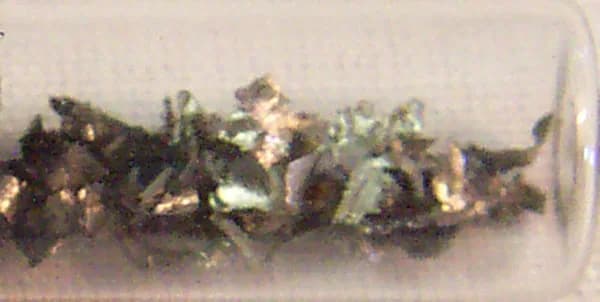
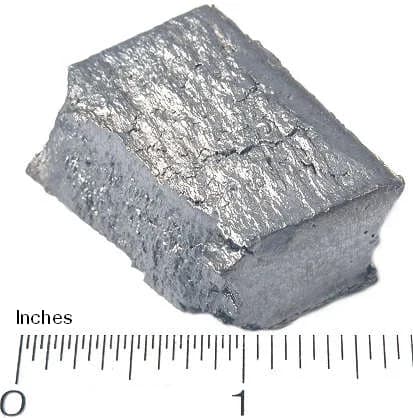
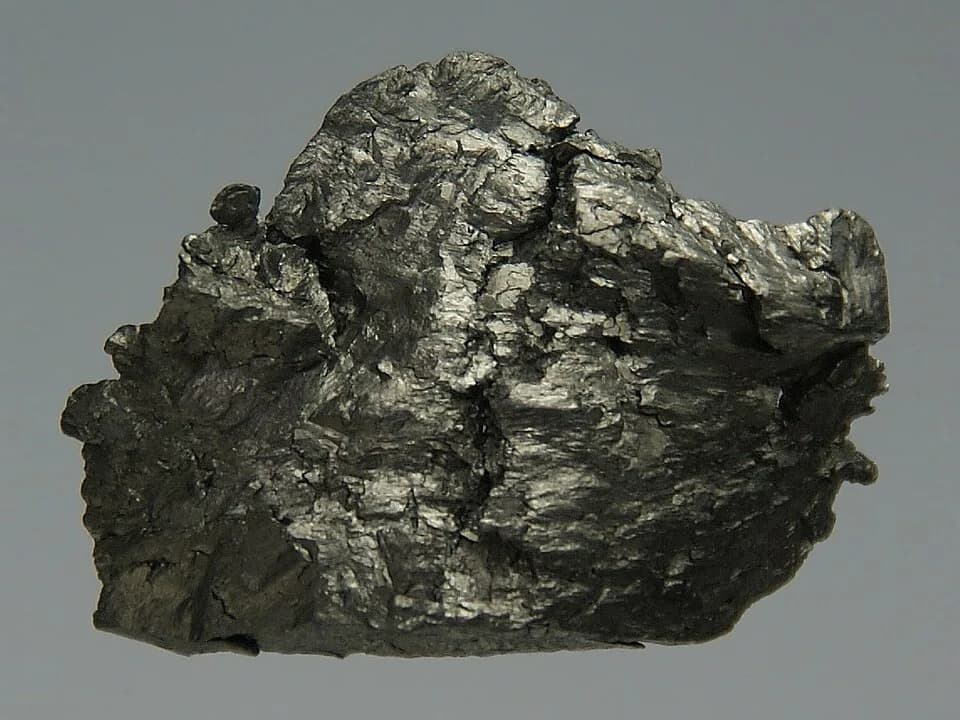
Among Johan Gadolin's most significant achievements was his discovery of a "new earth." This pivotal finding led to the identification of the first rare-earth compound, which was later named yttrium. His meticulous analysis and pioneering work opened up an entirely new branch of elemental study, revealing previously unknown components of the Earth's crust.
His scientific excellence did not go unnoticed by the wider world. Gadolin was ennobled in recognition of his substantial contributions to science and society. Further illustrating his esteemed standing, he was also awarded the distinguished Order of Saint Vladimir and the Order of Saint Anna, signifying high honors within the Empire.
Capítulo 4· Capítulo 4 de 7
Personal Life
While specific details about Johan Gadolin's personal life are not widely documented, his devotion to science was clearly a central aspect of his existence. His long and productive career attests to a life dedicated to rigorous study and the pursuit of knowledge. He channeled his energies into his research and teaching, leaving a rich scientific legacy.
Capítulo 5· Capítulo 5 de 7
Notable Works or Contributions
Gadolin's most famous contribution remains the discovery of yttrium. This "new earth" was an early step in understanding the complex family of rare-earth elements, a field that continues to yield important scientific and technological advancements. His rigorous experimental methods and keen observational skills were crucial to this breakthrough.
Beyond his elemental discovery, Johan Gadolin is widely regarded as the founder of Finnish chemistry research. Through his leadership at the Royal Academy of Turku, he cultivated an environment of scientific inquiry and innovation. He established the principles and practices that would guide future chemical investigations in Finland.
Capítulo 6 · 1852· Capítulo 6 de 7
Later Years
Johan Gadolin's life concluded on August 15, 1852, in Mynämäki, Finland. He passed away at the venerable age of 92, after a life rich with scientific pursuit and academic leadership. His final years followed a long and productive career that saw him shape the trajectory of chemistry.
Even in his later years, the influence of his foundational work continued to resonate. He left behind a robust framework for scientific exploration that persisted long after his active career concluded.
Capítulo 7· Capítulo 7 de 7
Legacy and Impact
The legacy of Johan Gadolin is enduring and multifaceted. His discovery of yttrium provided the initial insights into the rare-earth elements, a group now indispensable in modern technology, from electronics to medical imaging. This single discovery catalyzed an entire field of chemical exploration.
Furthermore, his role as the second holder of the Chair of Chemistry at the Royal Academy of Turku firmly establishes him as the architect of Finnish chemistry research. His pioneering efforts ensured that Finland developed its own strong tradition in chemical science, a tradition that continues to flourish today. Gadolin's name remains synonymous with scientific excellence and national pride in Finland.
Una vida en momentos
Los momentos que dieron forma a una vida
FAQ
Preguntas frecuentes
¿Cuándo murió Johan Gadolin?
Johan Gadolin murió el 15 de agosto de 1852 en Mynämäki, Finland, a la edad de 92 años.
¿Dónde nació Johan Gadolin?
Johan Gadolin nació en Turku, Finland el 5 de junio de 1760.
¿Por qué es más conocido(a) Johan Gadolin?
Johan Gadolin es más conocido(a) por Finnish chemist, physicist and mineralogist.
¿Qué edad tenía Johan Gadolin cuando murió?
Johan Gadolin tenía 92 años en el momento de su muerte.
¿Cuál era la nacionalidad de Johan Gadolin?
Johan Gadolin era de Finland.
Cronología
La vida de un vistazo
Galería fotográfica
Una vida en imágenes
Haz clic en una polaroid para ampliar · 24 fotos
Código QR
Compartir esta biografía
Imprimir y compartir
Escanee para visitar esta página de biografía. Imprima para eventos, exposiciones o materiales educativos.