Nacido
April 22, 1724
Königsberg, Prussia
Fallecido
February 12, 1804
Königsberg, Prussia
Conocido por
German philosopher
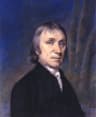
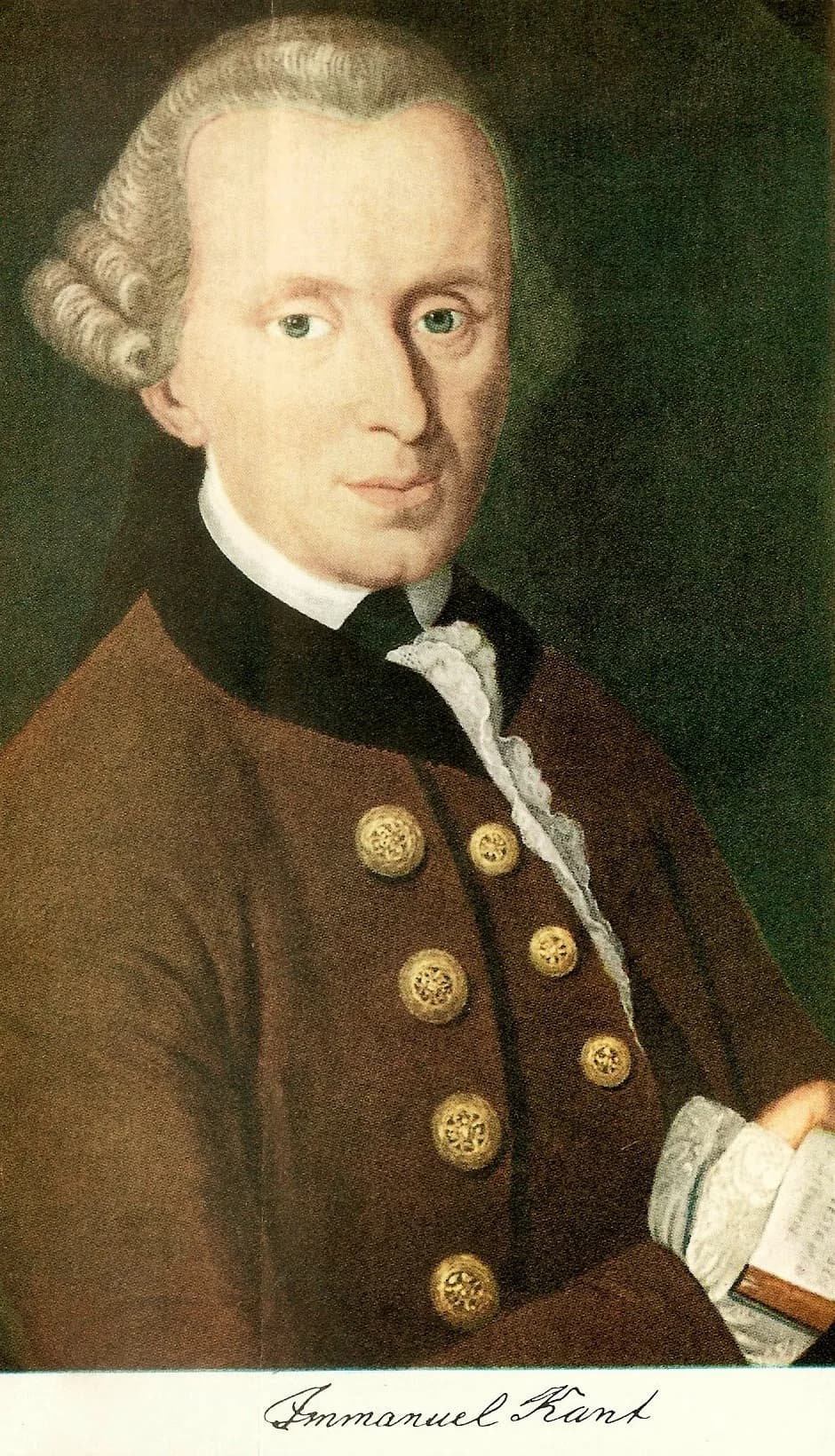
Immanuel Kant (1724–1804) was Prussia best known for German philosopher.
Immanuel Kant (April 22, 1724 – February 12, 1804) was a German philosopher from Königsberg, Prussia. He is recognized as a central thinker of the Enlightenment, whose systematic works shaped modern Western philosophy across multiple disciplines. His lasting influence continues to be widely discussed and studied.
Capítulo
Capítulos de vida
Capítulo 1· Capítulo 1 de 7
Early Life and Origins
Born in Königsberg in the Kingdom of Prussia, Immanuel Kant spent his entire life in his birth city. This steadfast connection to Königsberg shaped his personal experiences and intellectual development, grounding his philosophical inquiries within a specific cultural and historical context.
Capítulo 2· Capítulo 2 de 7
Career Beginnings
Kant's intellectual journey began with diverse roles, reflecting a wide range of interests. He served as an in-home tutor and pedagogue in his early career, developing his educational approach.
His professional pursuits later expanded to include work as an author, naturalist, physicist, mathematician, and librarian. Eventually, he became a university teacher, dedicating himself to academic instruction and the exploration of philosophical ideas.
Capítulo 3· Capítulo 3 de 7
Major Achievements and Career Highlights
Immanuel Kant is recognized for his comprehensive and systematic philosophical works. These contributions span numerous fields, including epistemology, metaphysics, logic, ethics, aesthetics, political theory, and the philosophy of religion.
He is widely considered one of the central thinkers of the Enlightenment, having significantly influenced the intellectual currents of his time. His approach to philosophy structured these diverse areas into an interconnected and cohesive system.
Capítulo 4· Capítulo 4 de 7
Personal Life
Details about Immanuel Kant's personal life, relationships, and specific recreational interests outside his academic pursuits are not extensively documented in the provided information. He maintained a consistent presence in Königsberg, living and working there throughout his eighty years.
Capítulo 5· Capítulo 5 de 7
Notable Works or Contributions
Among Kant's significant writings are "Von der Macht des Gemüths, durch den blossen Vorsatz seiner krankhaften Gefühle Meister zu sein" and "Beobachtungen über das Gefühl des Schönen und Erhabenen." These works reflect his early explorations into human psychology and aesthetic judgment.
His contributions to pedagogy are evident in texts like "Immanuel Kant über Pädagogik" and "Über Pädagogik." He also compiled "Zerstreute Aufsätze," a collection of scattered essays, and detailed the "Geschichte und Naturbeschreibung der merkewürdigsten Vorfälle des Erdebens welches an dem Ende des 1755sten Jahres einen grossen Theil der Erde erschüttert hat."
A cornerstone of his ethical philosophy is "Kritik der praktischen vernunft als prüfung der tätigen vernunft." Other notable works include "Opmerkingen over het gevoel van het schoone en verhevene" and a collection known as "歷史理性批判文集." His "Briefwechsel" provides insights into his correspondence.
Capítulo 6· Capítulo 6 de 7
Later Years
Immanuel Kant continued his work as a philosopher and university teacher in Königsberg until his final years. He remained intellectually active and dedicated to his philosophical system.
He passed away on February 12, 1804, in Königsberg, the city where he was born and to which he remained devoted throughout his life. His passing marked the end of a long and prolific career in philosophy.
Capítulo 7· Capítulo 7 de 7
Legacy and Impact
Immanuel Kant's philosophical framework had a lasting impact on modern Western philosophy. His ideas in areas such as epistemology, metaphysics, and ethics continue to be subjects of extensive study and discussion.
He remains one of the most influential and highly discussed figures, recognized for changing the trajectory of philosophical thought. His systematic approach continues to inform and shape contemporary philosophical discourse across many disciplines.
Una vida en momentos
Los momentos que dieron forma a una vida

FAQ
Preguntas frecuentes
¿Cuándo murió Immanuel Kant?
Immanuel Kant murió el 12 de febrero de 1804 en Königsberg, Prussia, a la edad de 79 años.
¿Dónde nació Immanuel Kant?
Immanuel Kant nació en Königsberg, Prussia el 22 de abril de 1724.
¿Por qué es más conocido(a) Immanuel Kant?
Immanuel Kant es más conocido(a) por German philosopher.
¿Qué edad tenía Immanuel Kant cuando murió?
Immanuel Kant tenía 79 años en el momento de su muerte.
¿Cuál era la nacionalidad de Immanuel Kant?
Immanuel Kant era de Prussia.
Galería fotográfica
Una vida en imágenes
Haz clic en una polaroid para ampliar · 23 fotos
Código QR
Compartir esta biografía
Imprimir y compartir
Escanee para visitar esta página de biografía. Imprima para eventos, exposiciones o materiales educativos.