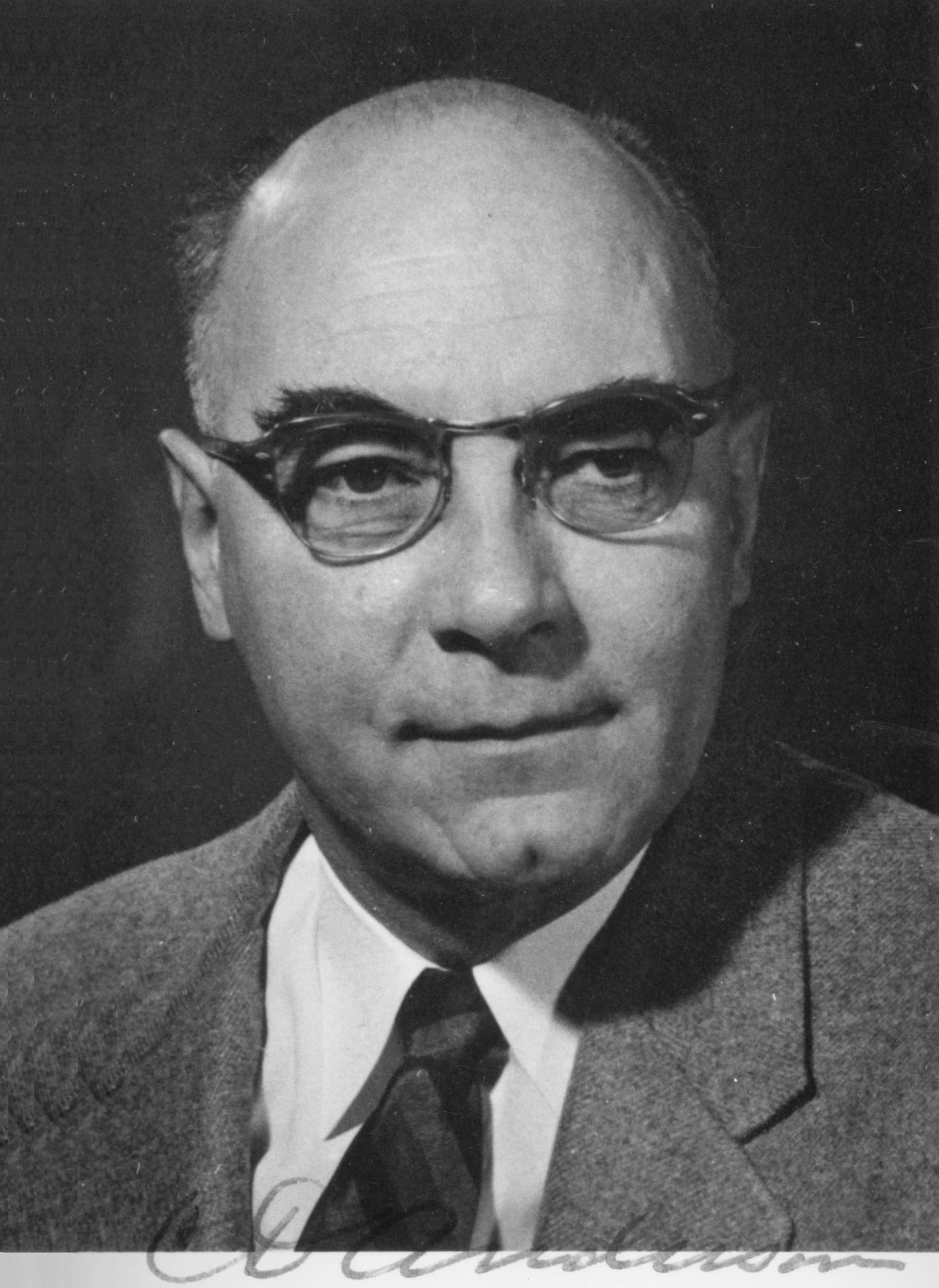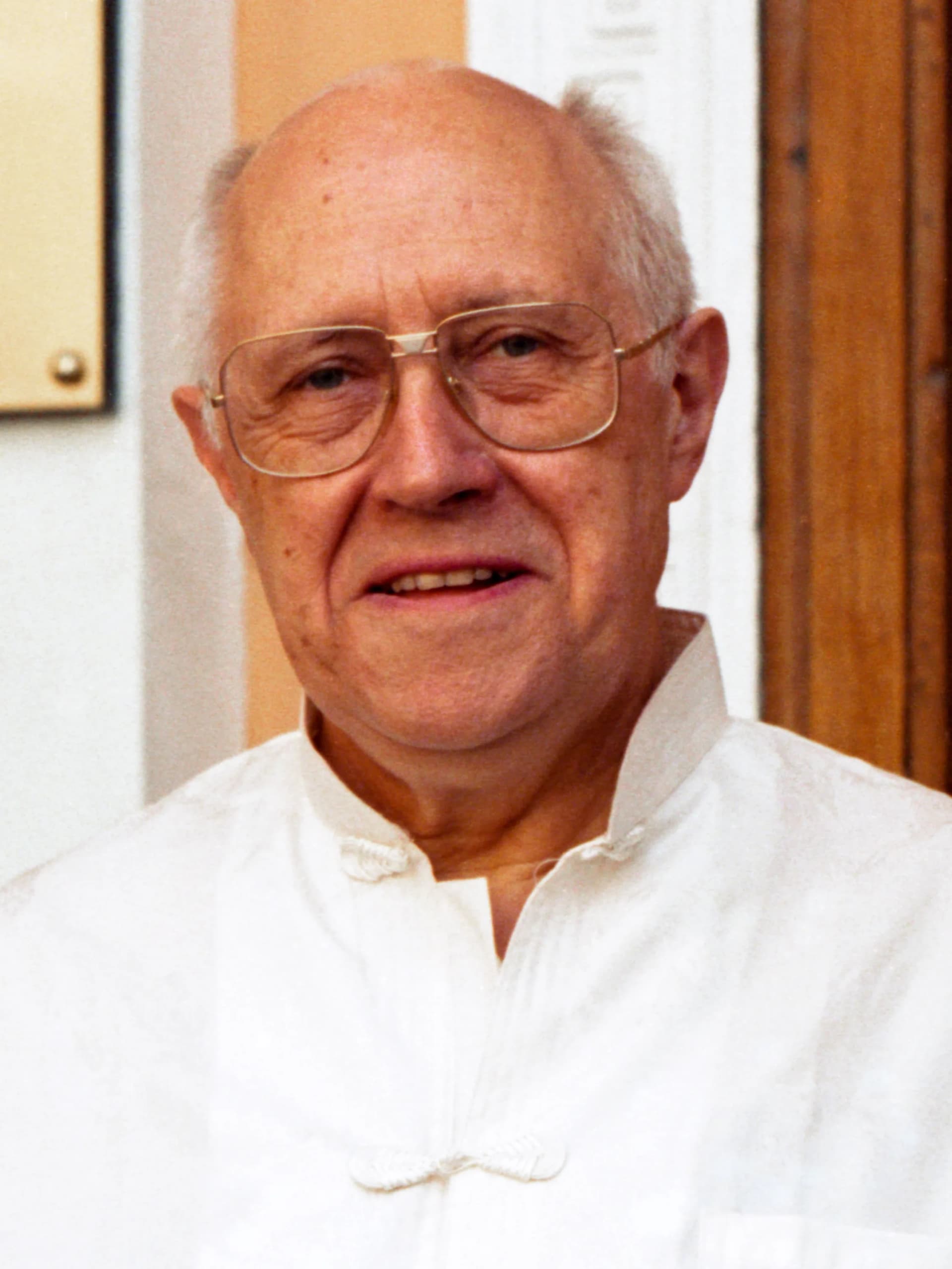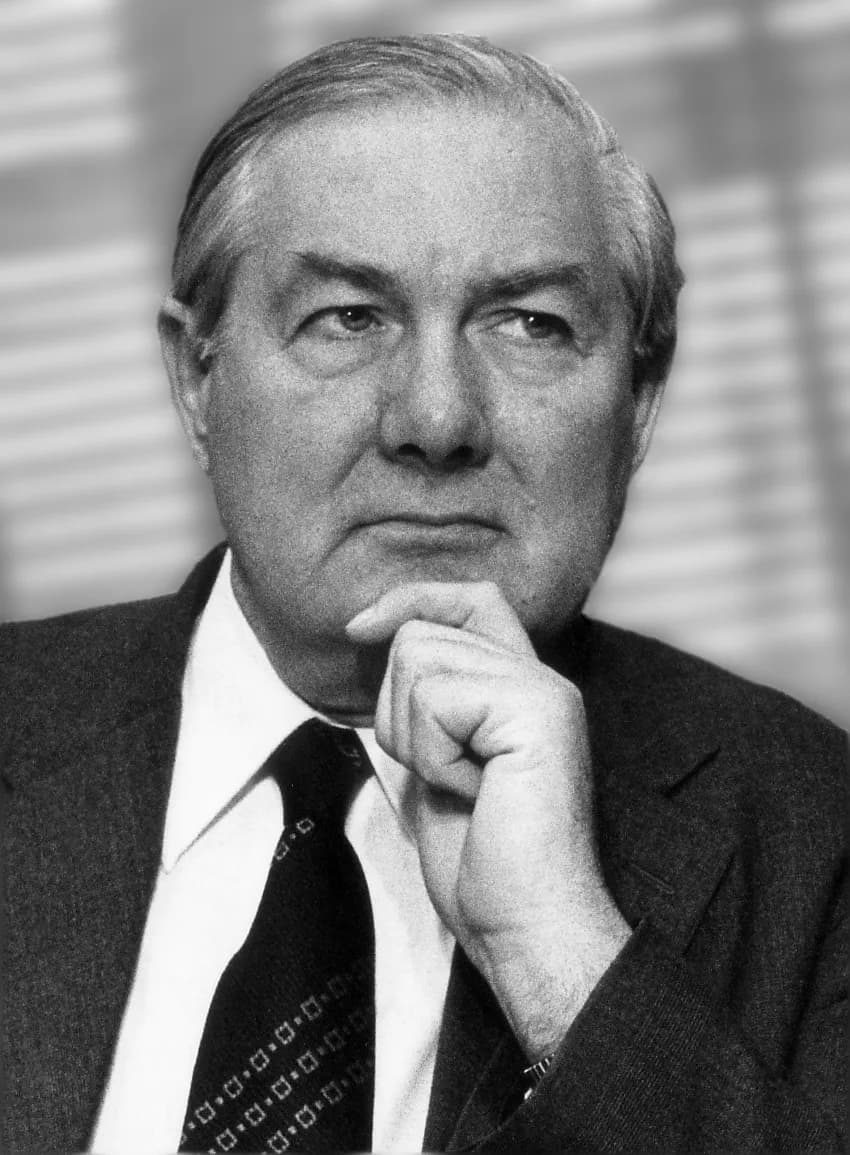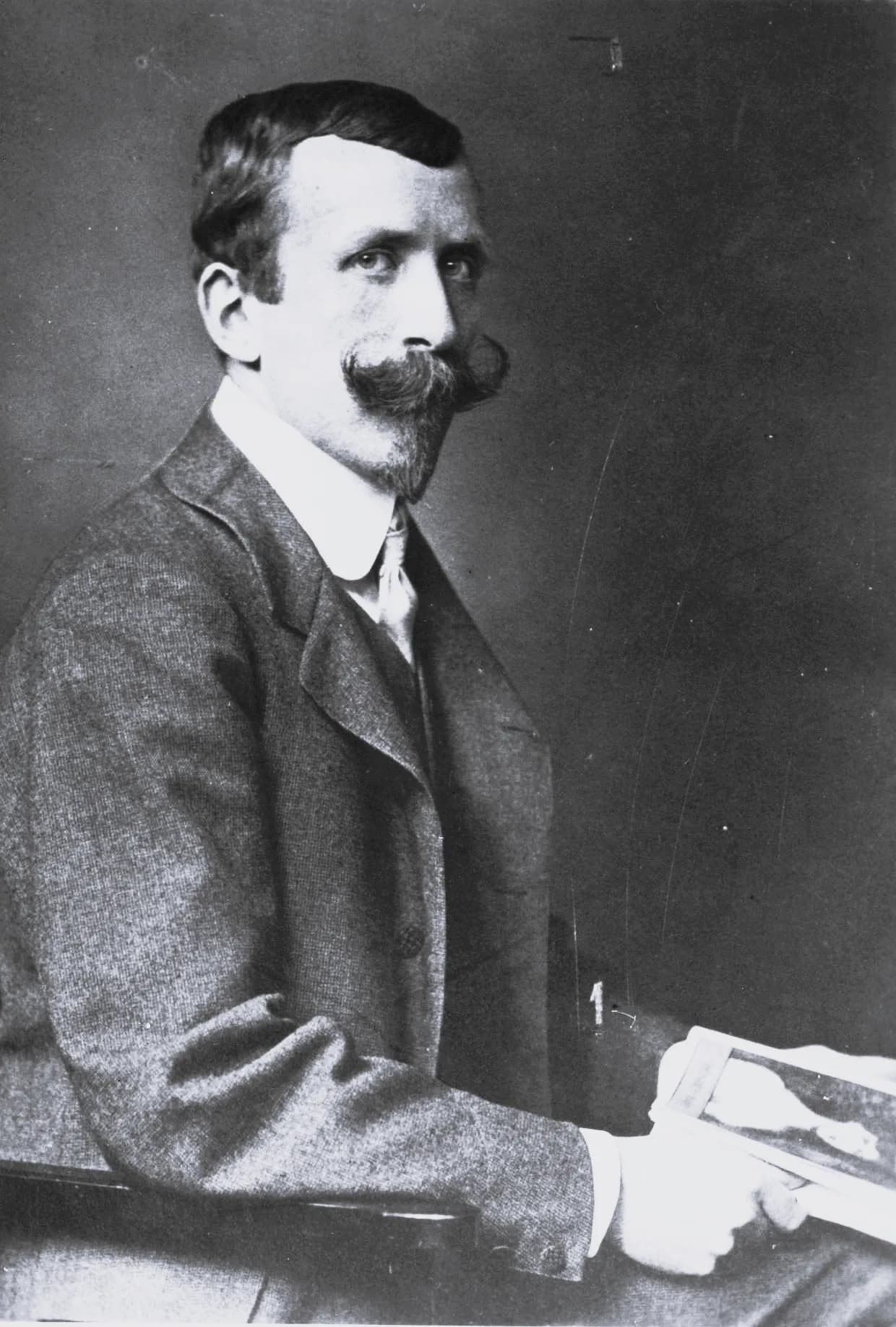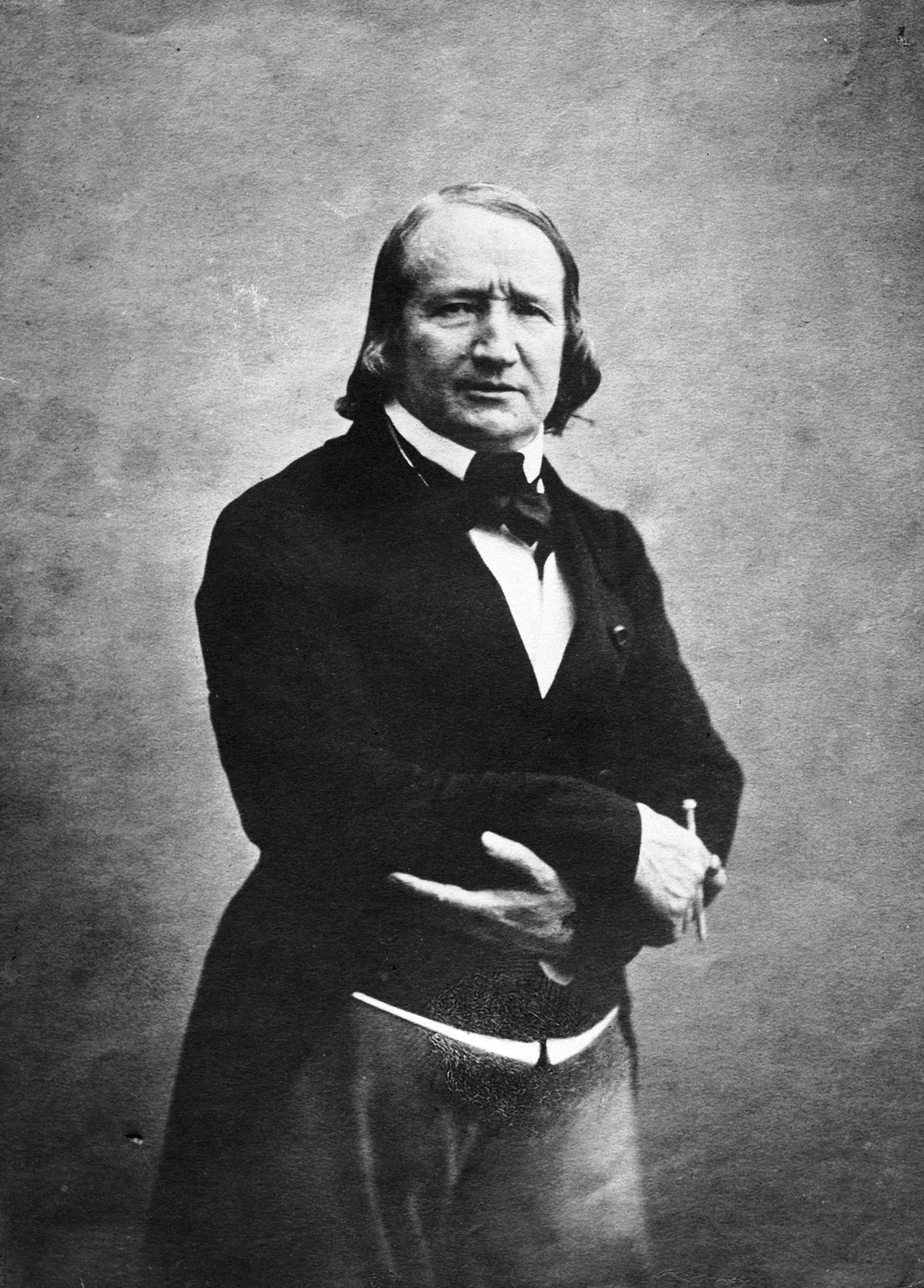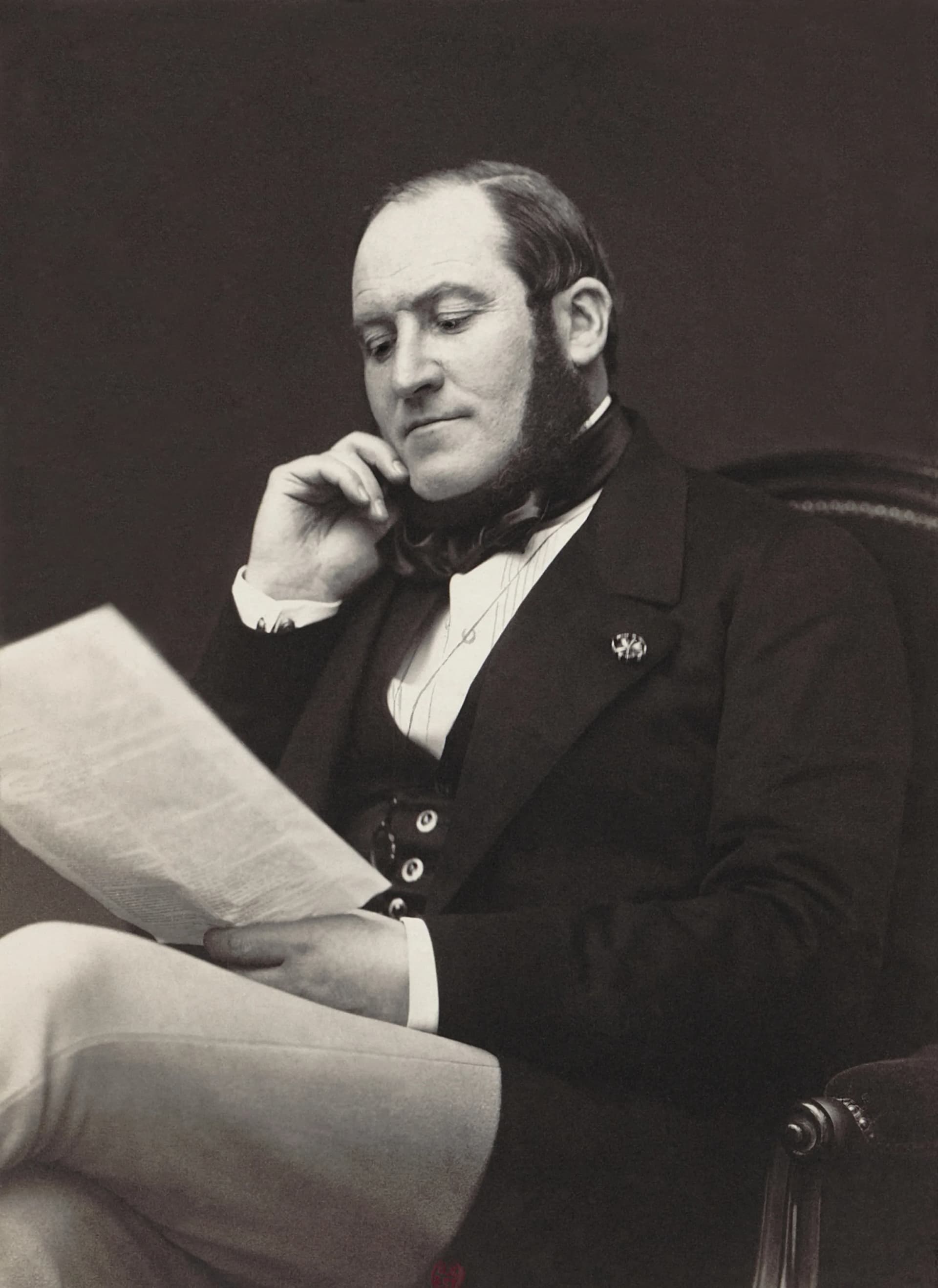
Nacido
March 27, 1809
Paris, France
Fallecido
January 11, 1891
Paris, France
Conocido por
French official and politician
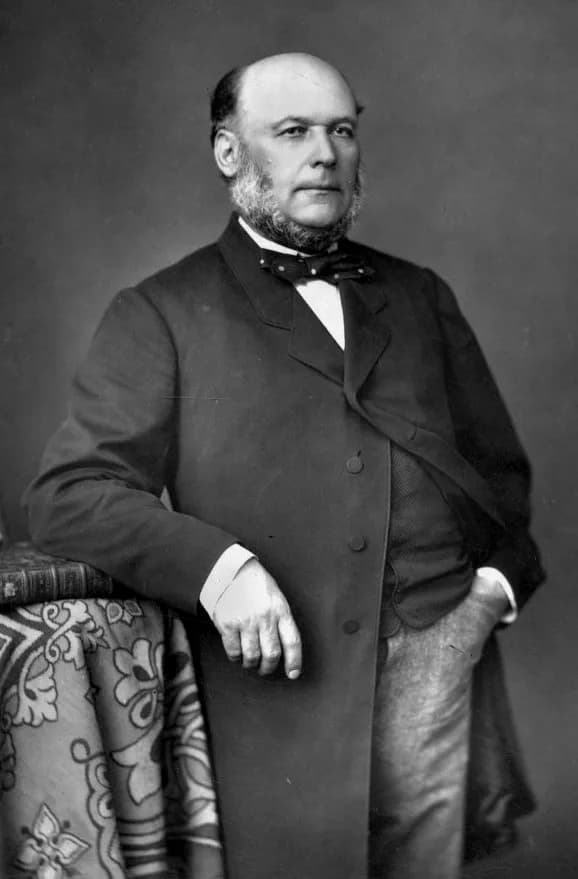
Georges-Eugène Haussmann (1809–1891) was France best known for French official and politician.
Georges-Eugène Haussmann (March 27, 1809 – January 11, 1891) was a French official, politician, urban planner, and architect from Paris, France. He supervised the radical urban renewal of Paris, known as Haussmann's renovation, which introduced grand boulevards and public works. His work transformed the city, leaving a lasting legacy of urban design.
Una vida en momentos
Los momentos que dieron forma a una vida
Capítulo
Capítulos de vida
Capítulo 1 · 1809· Capítulo 1 de 5
Early Life and Foundations
Georges-Eugène Haussmann began his life in Paris, France, the very city he would later so dramatically reshape. Born on March 27, 1809, his origins were deeply rooted in the heart of France. While details of his early family life are not extensively provided, his birth in the capital undoubtedly offered him a unique perspective on urban living from a young age.
Capítulo 2 · 1849· Capítulo 2 de 5
Administrative Ascent
Haussmann's career path saw him serve as a dedicated official across various regions of France before his most famous appointment. He first served as a prefect in Var, a position he held from 1849 to 1850. Following this, his administrative talents led him to serve as prefect in Yonne from 1850 to 1851, gaining further experience in public administration.
His capabilities continued to be recognized as he then took on the role of prefect in Gironde, serving from 1851 to 1853. These early postings honed his skills as an administrator, preparing him for the immense responsibilities that awaited him in Paris. It was during these years that his reputation for effective governance and execution grew, catching the attention of higher authorities.
Capítulo 3 · 1853· Capítulo 3 de 5
The Grand Vision for Paris
The year 1853 marked a critical turning point in Haussmann's career and in the history of Paris. Emperor Napoleon III, impressed by Haussmann's demonstrated administrative abilities, appointed him to a leading position in the capital. This appointment thrust him into the forefront of an ambitious plan to modernize and transform Paris.
Tasked with nothing less than a complete urban overhaul, Haussmann dedicated himself to a mission to introduce grandeur to the city. The Emperor's vision, executed under Haussmann's strict supervision, aimed to address issues of overcrowding, sanitation, and circulation that plagued the aging medieval core of Paris. It was a project of immense scale, designed to make Paris a leading modern European capital.
Capítulo 4· Capítulo 4 de 5
Executing the Transformation
The urban renewal program, now famously known as Haussmann's renovation of Paris, involved a wide range of significant public works. Central to this transformation was the creation of new, expansive boulevards that sliced through the existing labyrinthine street network. These wide avenues improved traffic flow and brought light and air into densely populated areas.
Beyond the boulevards, Haussmann oversaw the development of numerous new parks and public green spaces, offering Parisian residents recreational areas and enhancing the city's aesthetic appeal. His work also encompassed a variety of other essential public infrastructure projects, although specific details are not provided in the source material, it's understood these were fundamental to a modern city. The meticulous planning and execution of these projects truly redefined the urban environment.
Capítulo 5 · 1891· Capítulo 5 de 5
End of an Era and Enduring Influence
Georges-Eugène Haussmann continued his influential work for many years, leaving a lasting impression on Paris. He passed away on January 11, 1891, in the very city of his birth and greatest achievements, Paris, France. His life spanned a period of significant change in France, and he was a central figure in shaping its capital.
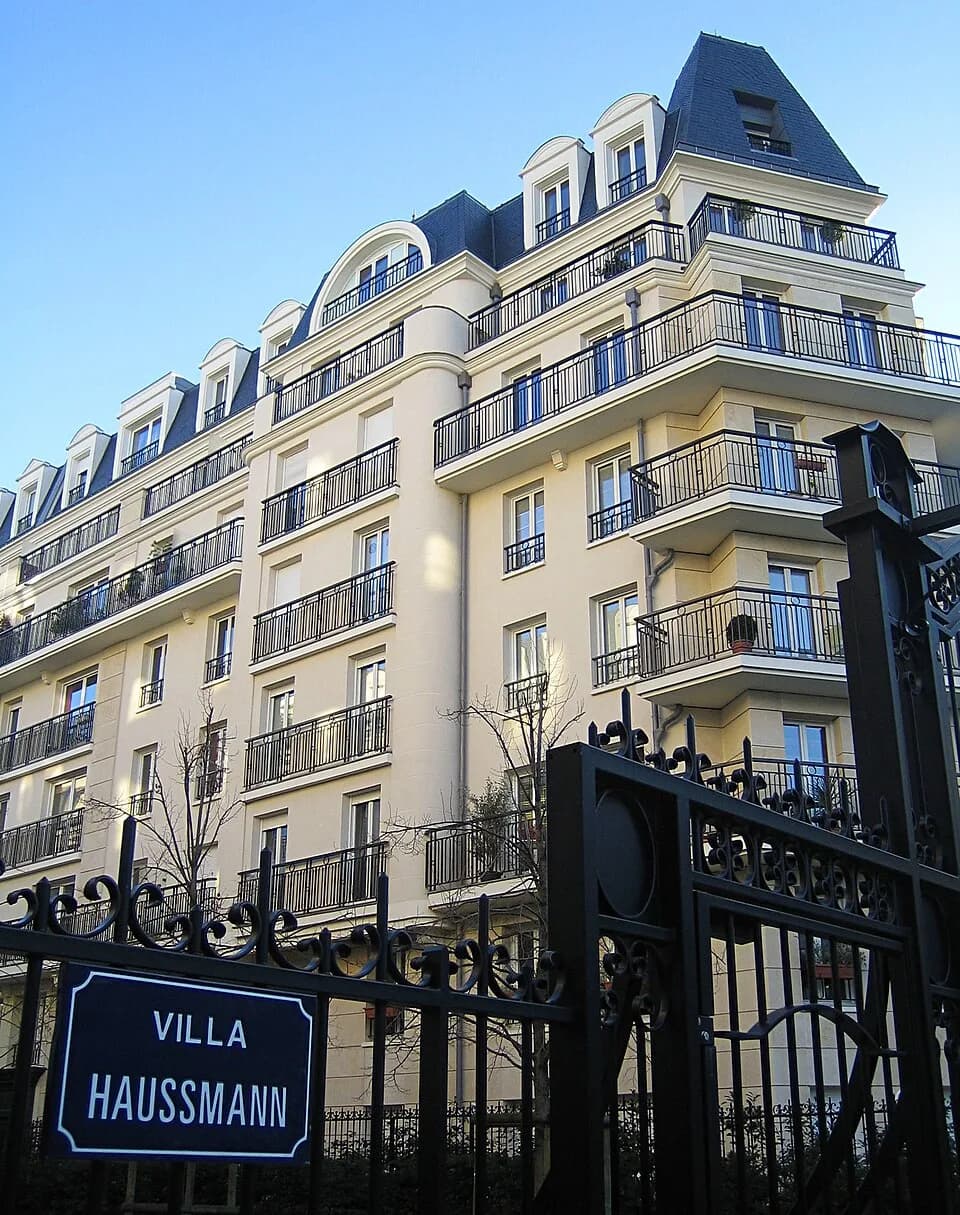
Today, Georges-Eugène Haussmann is widely known as Baron Haussmann, a title reflecting his lasting legacy and the scale of his achievements. His architectural and urban planning contributions continue to define the visual character of Paris, with his boulevards and public spaces remaining central to the city's identity. He is remembered as an official whose vision and administrative prowess brought a new era of urban design to one of the world's most celebrated cities.
FAQ
Preguntas frecuentes
¿Cuándo murió Georges-Eugène Haussmann?
Georges-Eugène Haussmann murió el 11 de enero de 1891 en Paris, France, a la edad de 81 años.
¿Dónde nació Georges-Eugène Haussmann?
Georges-Eugène Haussmann nació en Paris, France el 27 de marzo de 1809.
¿Por qué es más conocido(a) Georges-Eugène Haussmann?
Georges-Eugène Haussmann es más conocido(a) por French official and politician.
¿Qué edad tenía Georges-Eugène Haussmann cuando murió?
Georges-Eugène Haussmann tenía 81 años en el momento de su muerte.
¿Cuál era la nacionalidad de Georges-Eugène Haussmann?
Georges-Eugène Haussmann era de France.
Cronología
La vida de un vistazo
Galería fotográfica
Una vida en imágenes
Haz clic en una polaroid para ampliar · 22 fotos
Código QR
Compartir esta biografía
Imprimir y compartir
Escanee para visitar esta página de biografía. Imprima para eventos, exposiciones o materiales educativos.