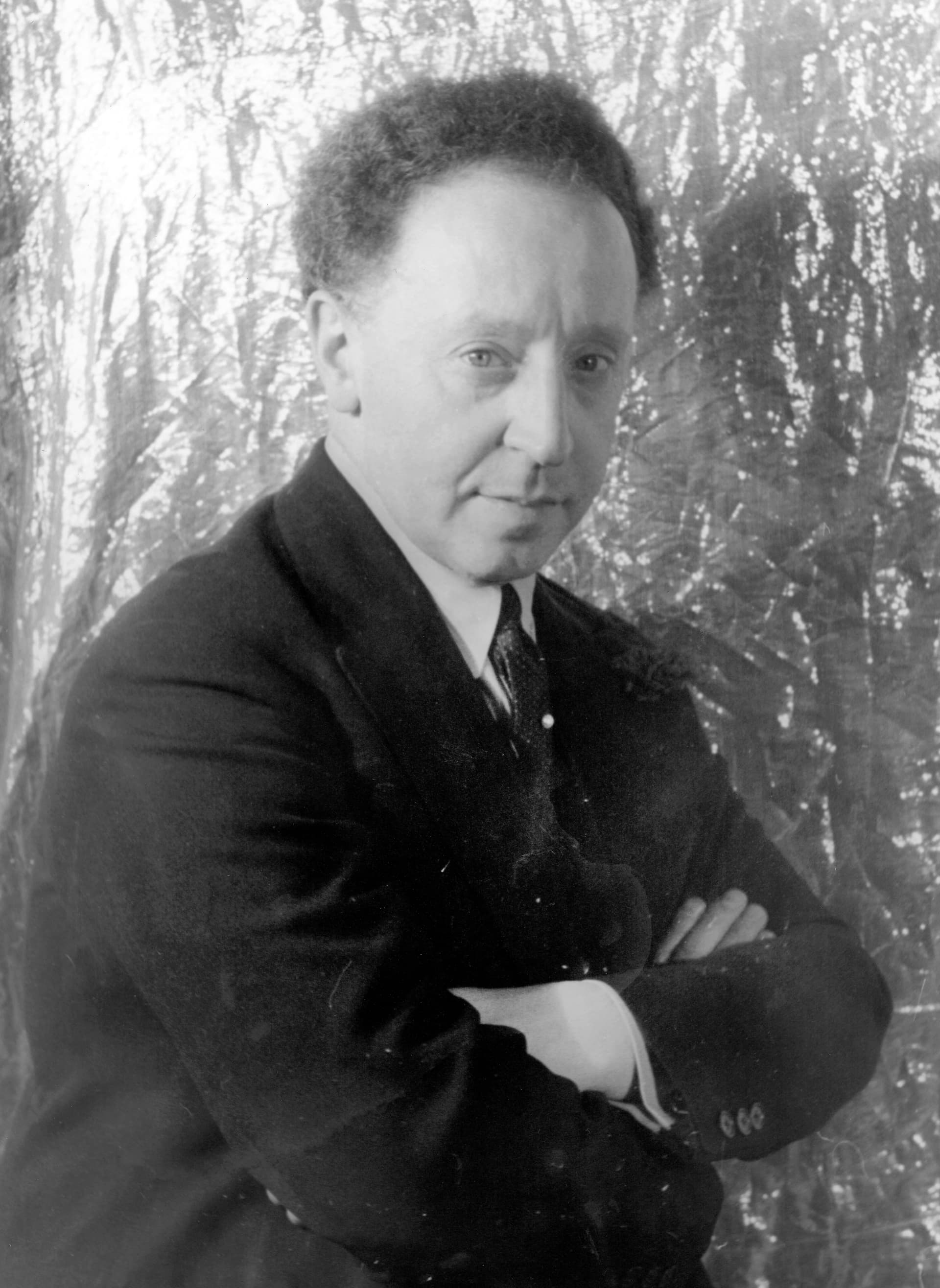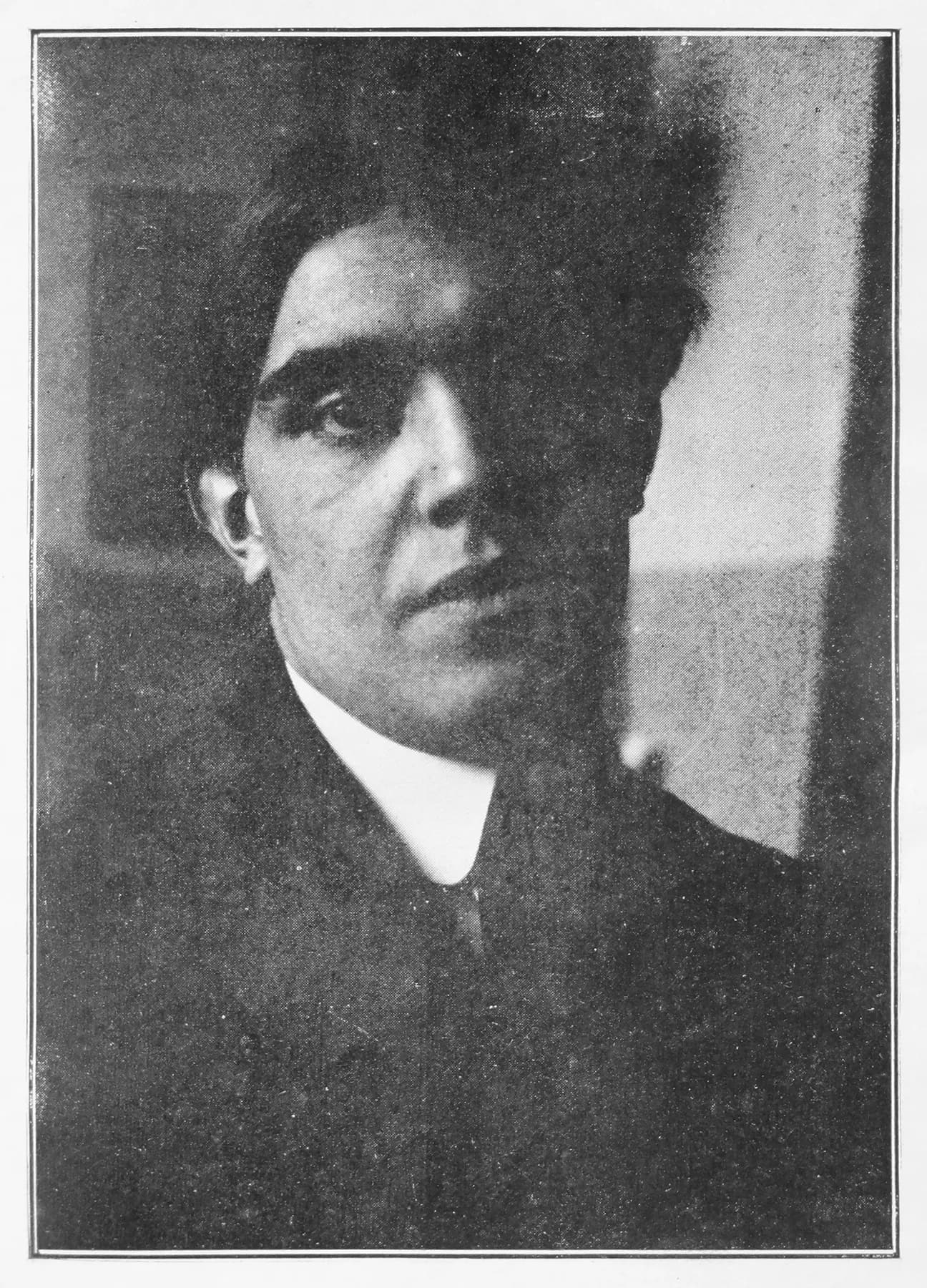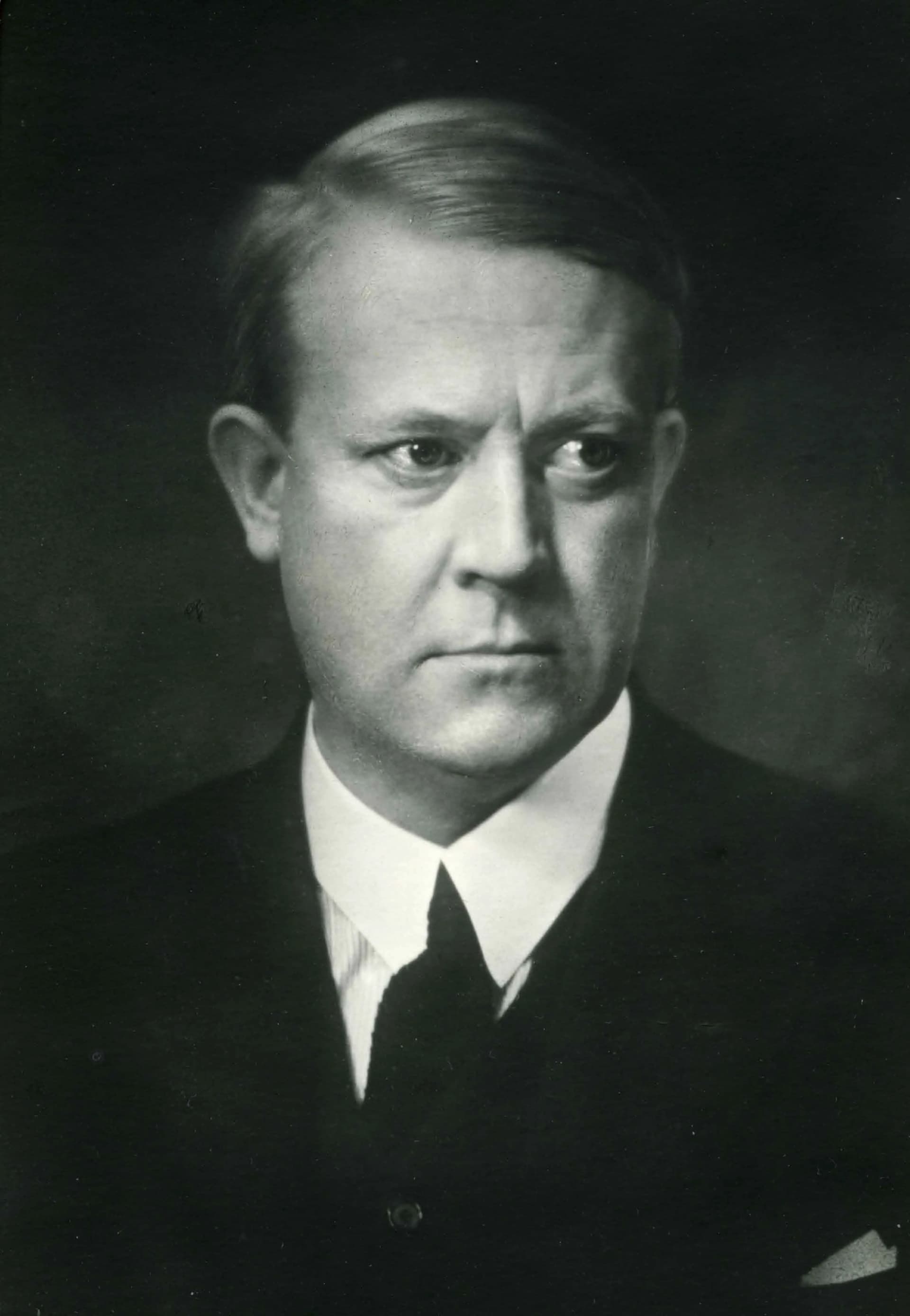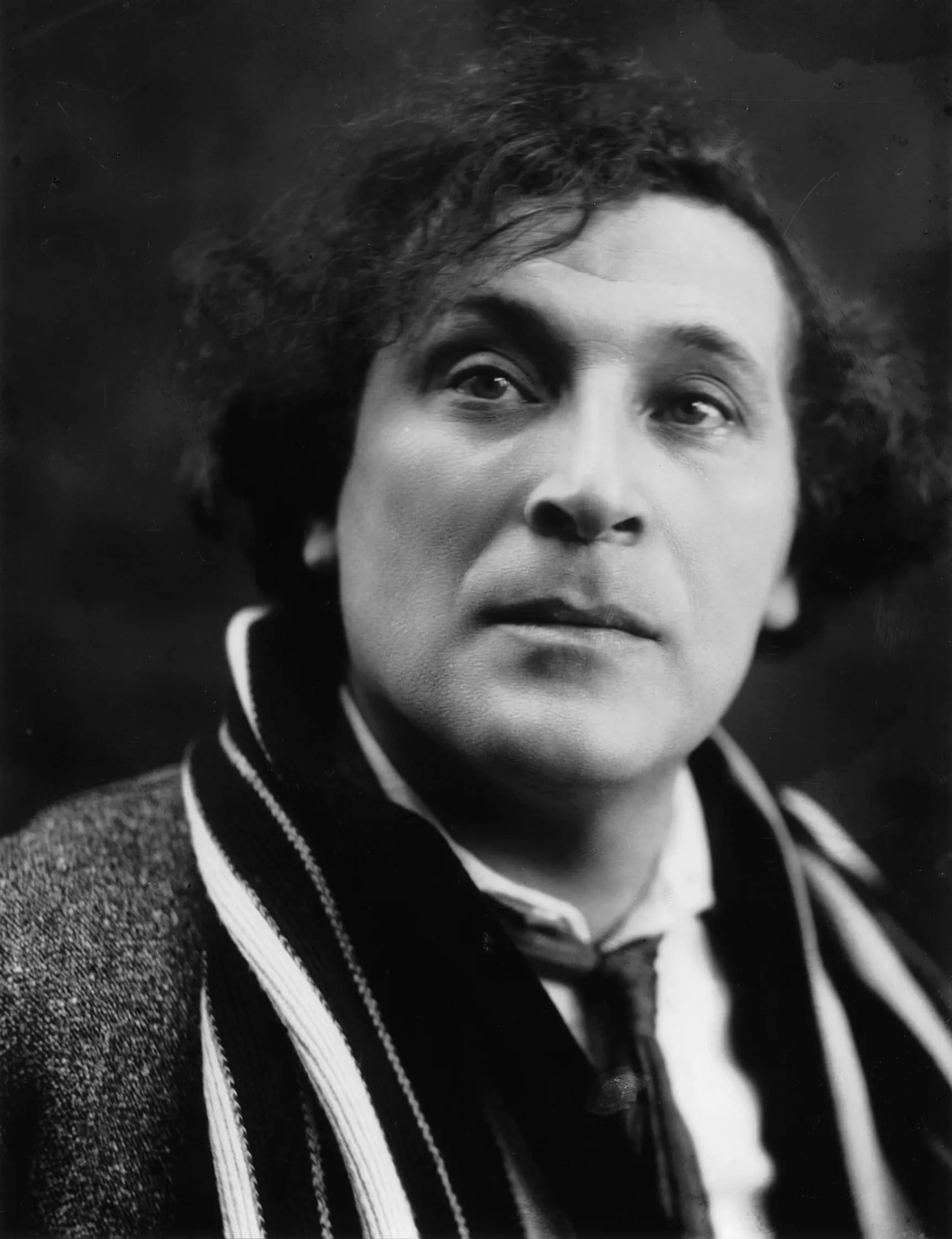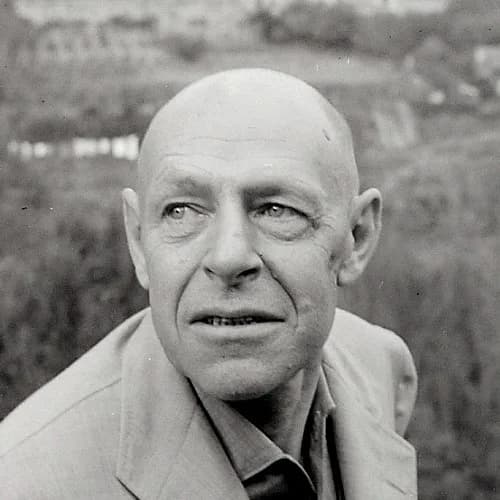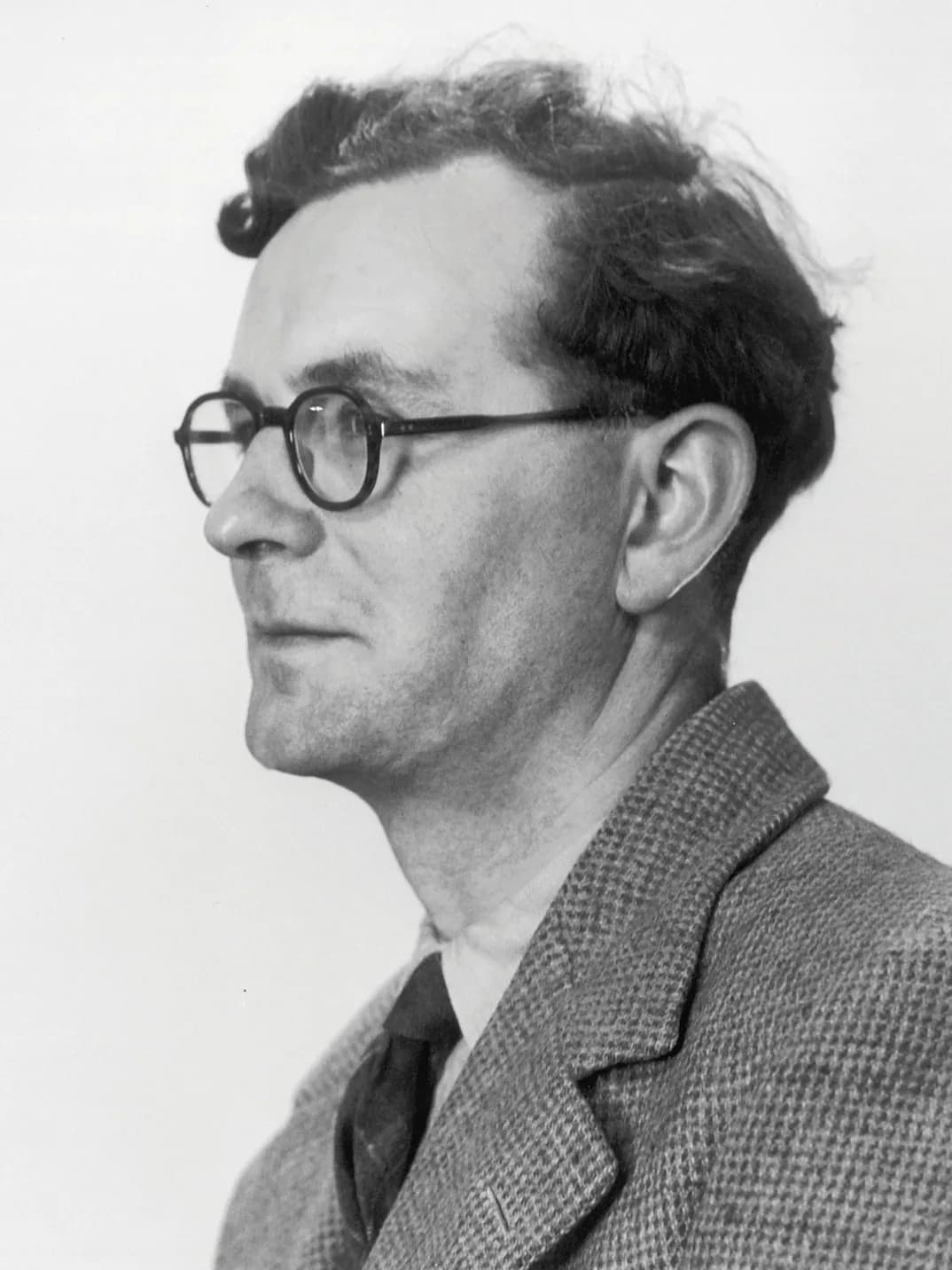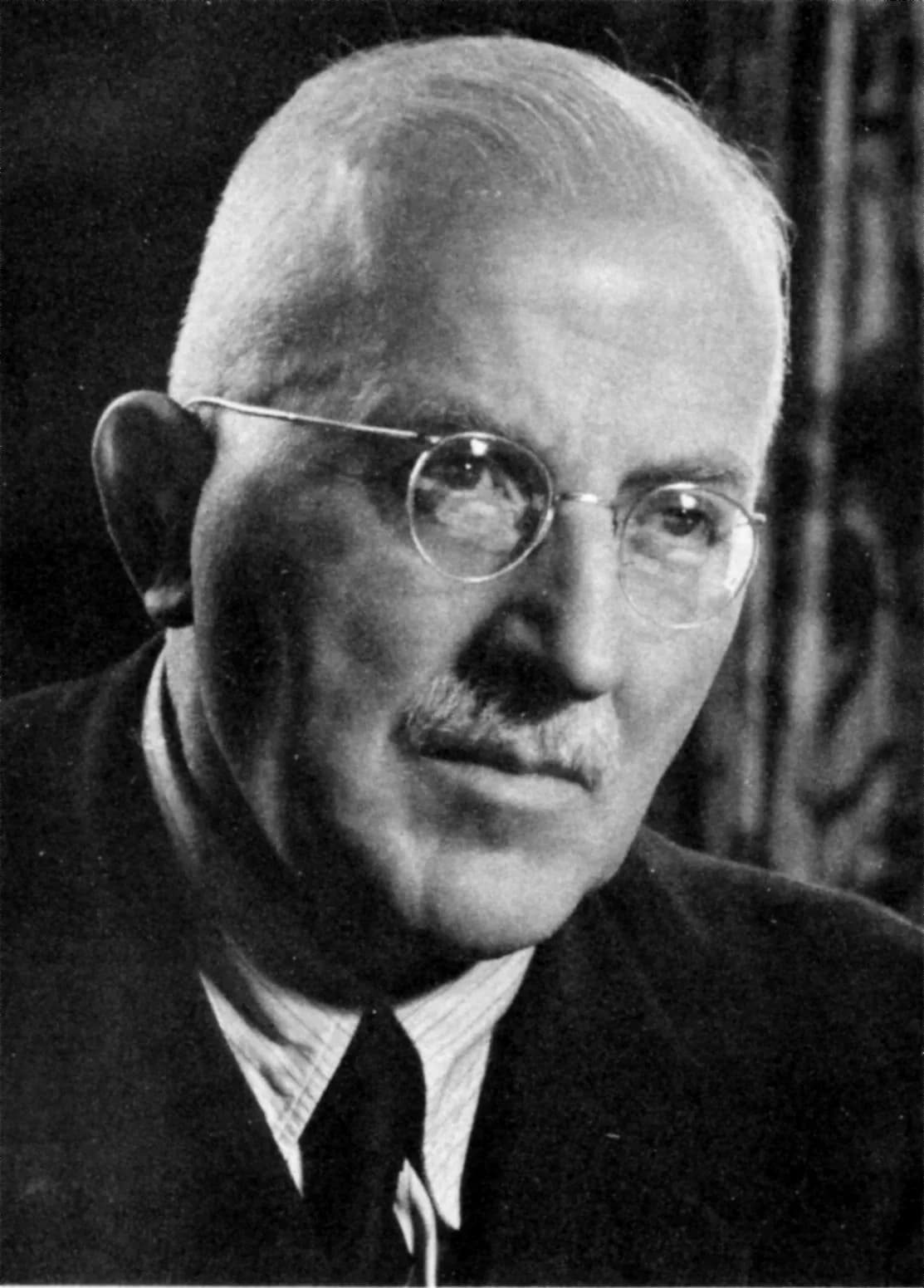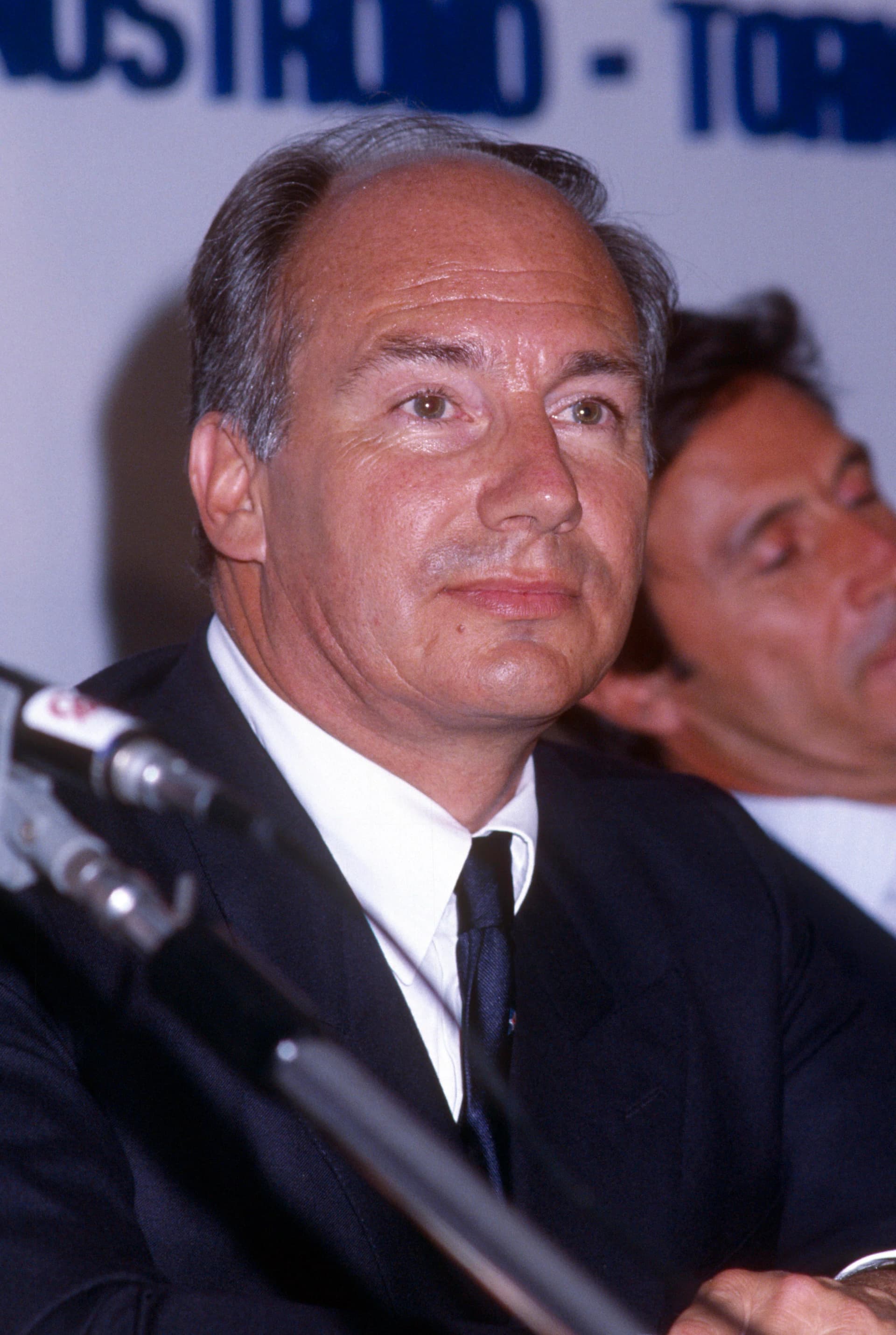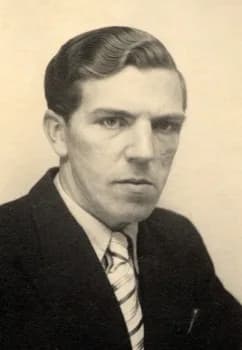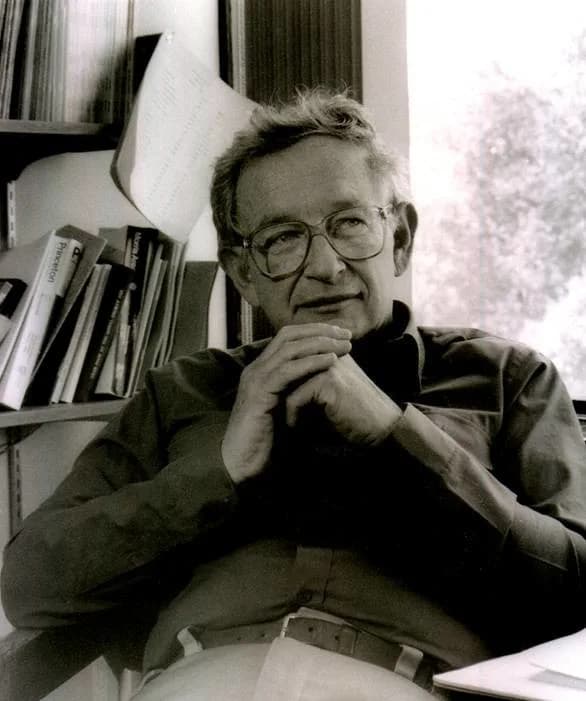
Nacido
December 13, 1887
Budapest, Hungary
Fallecido
September 8, 1985
Palo Alto, United States
Conocido por
Hungarian mathematician
George Pólya (1887–1985) was Hungary best known for Hungarian mathematician.
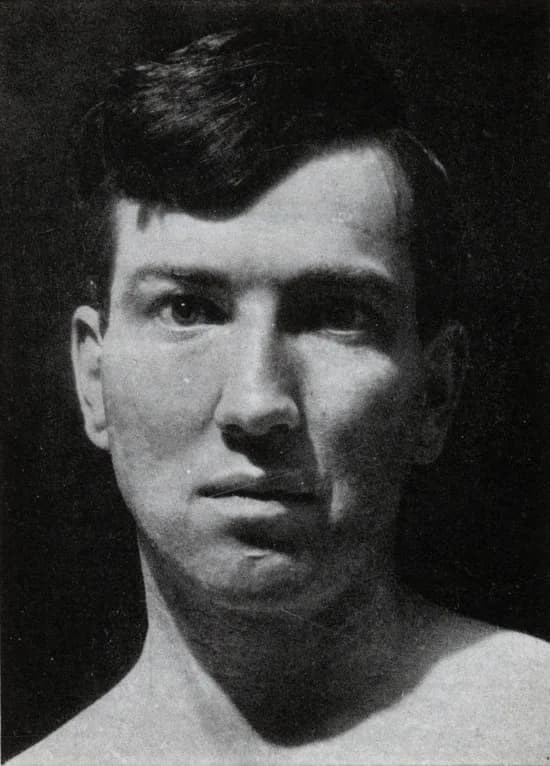
George Pólya (December 13, 1887 – September 8, 1985) was a Hungarian-American mathematician. He made fundamental contributions to combinatorics, number theory, and mathematics education. His influential work in heuristics continues to guide problem-solving methodologies.
Una vida en momentos
Los momentos que dieron forma a una vida
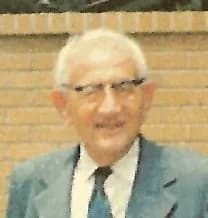
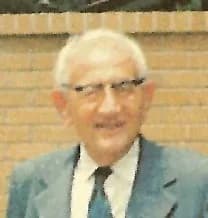
Capítulo
Capítulos de vida
Capítulo 1 · 1887· Capítulo 1 de 7
Introduction
George Pólya, a Hungarian-American mathematician, left an enduring mark on the world of science and education. Born on December 13, 1887, and passing on September 8, 1985, his life spanned an era of significant mathematical advancement. He was celebrated as a university teacher and mathematician whose insights shaped how problems are approached and understood across various disciplines.
Capítulo 2 · 1887· Capítulo 2 de 7
Early Life and Origins
George Pólya began his life's journey in Budapest, Hungary, where he was born on December 13, 1887. His early years in the vibrant academic environment of Budapest laid the groundwork for his intellectual development. This Hungarian origin would forever be a part of his identity as he moved through his illustrious career.
Capítulo 3 · 1914· Capítulo 3 de 7
Career Beginnings
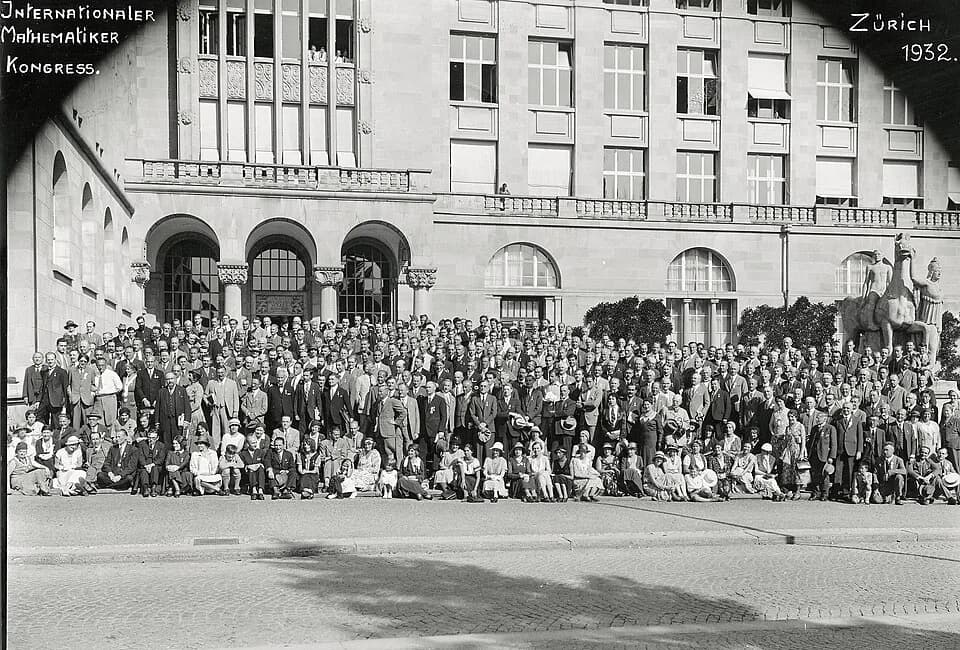
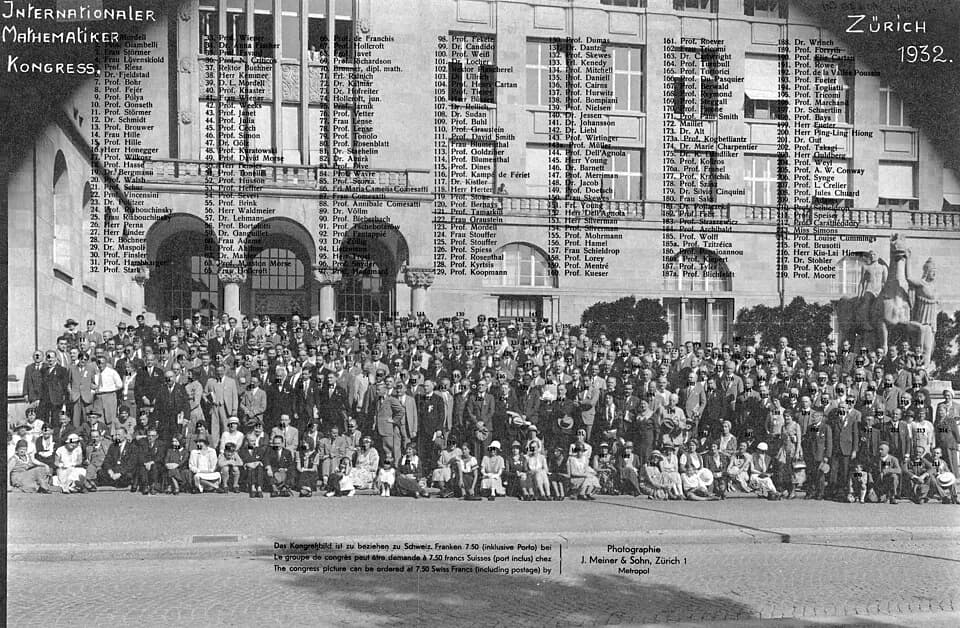
Pólya’s distinguished academic career commenced in 1914 when he became a professor of mathematics at ETH Zürich. He dedicated over two decades to teaching and research at this prestigious institution, holding his position until 1940. This period was formative for his early contributions to the mathematical community and established his reputation as a formidable scholar.
In 1940, George Pólya made the significant move to the United States, taking up a professorship at Stanford University. He continued his influential work there until 1953, further solidifying his status as a leading mathematician. His move to America marked a new chapter in his career, expanding his academic reach and influence.
Capítulo 4· Capítulo 4 de 7
Major Achievements and Career Highlights
George Pólya made fundamental contributions across several core areas of mathematics, enriching combinatorics, number theory, numerical analysis, and probability theory. His work provided new perspectives and solutions within these complex fields. These varied contributions highlight the breadth of his mathematical genius.
Beyond pure mathematics, Pólya is especially noted for his pioneering work in heuristics and mathematics education. He developed methods and approaches to problem-solving that continue to guide students and educators worldwide. His methodologies transformed the way mathematical thinking is taught and practiced.
Pólya was also informally recognized as one of “The Martians,” a group of prominent Hungarian scientists who emigrated to the United States. This esteemed category included one of his most famous students at ETH Zürich, John von Neumann. This association speaks to the high regard in which he was held by his peers and students.
Capítulo 5 · 1936· Capítulo 5 de 7
Notable Works or Contributions
George Pólya's intellectual output was significant, reflected in his h-index of 8 across 13 papers, featuring highly cited works. Among his top contributions is “Fonctions entières et intégrales de fourier multiples,” published in 1936, which garnered 227 citations. This work demonstrates his profound impact on the study of entire functions and Fourier integrals.
Another influential piece was “Sur les types des propositions composées” from 1940, accumulating 60 citations. This publication delves into the structures and classifications of compound propositions, showcasing his analytical depth. His work on mathematical logic provided a foundational understanding for many scholars.
His profound influence on problem-solving is evident in “Comment poser et résoudre un problème,” published in 1989, which received 41 citations. This enduring work offered practical guidance on how to approach and solve mathematical challenges. It has become a cornerstone text for anyone seeking to improve their problem-solving skills.
Pólya also explored the nature of mathematical reasoning in “Les mathématiques et le raisonnement 'plausible',” published in 1958 with 24 citations. This work explored the concept of plausible reasoning within mathematics, expanding the philosophical dimensions of the discipline. A related earlier publication, “Fonctions entières et intégrales de Fourier multiples” (1936), also received 18 citations, further underscoring his lasting contributions to analysis.
Capítulo 6 · 1953· Capítulo 6 de 7
Later Years
After his retirement from Stanford University in 1953, George Pólya remained an active and revered figure in the mathematical community. His influence continued through his publications and ongoing engagement with academic pursuits. He maintained a strong connection to the fields he helped shape.
George Pólya passed away on September 8, 1985, in Palo Alto, United States, at the age of 97. His long life was filled with intellectual vigor and continuous contributions to mathematics and education. His passing marked the end of an era for many who knew his work and benefited from his teaching.
Capítulo 7· Capítulo 7 de 7
Legacy and Impact
The legacy of George Pólya is deeply embedded in the methodologies of mathematics education and the very fabric of problem-solving. His emphasis on heuristics provided a structured yet flexible framework for tackling complex problems. This approach has educated generations of mathematicians and critical thinkers.
He permanently influenced fields like combinatorics, number theory, and probability theory through his fundamental research. His standing as one of “The Martians” affirms his exceptional intellectual caliber and the lasting respect he commanded. Pólya's work continues to inspire and instruct, cementing his place as one of the twentieth century's most significant mathematicians.
FAQ
Preguntas frecuentes
¿Cuándo murió George Pólya?
George Pólya murió el 8 de septiembre de 1985 en Palo Alto, United States, a la edad de 97 años.
¿Dónde nació George Pólya?
George Pólya nació en Budapest, Hungary el 13 de diciembre de 1887.
¿Por qué es más conocido(a) George Pólya?
George Pólya es más conocido(a) por Hungarian mathematician.
¿Qué edad tenía George Pólya cuando murió?
George Pólya tenía 97 años en el momento de su muerte.
¿Cuál era la nacionalidad de George Pólya?
George Pólya era de Hungary.
Cronología
La vida de un vistazo
Galería fotográfica
Una vida en imágenes
Haz clic en una polaroid para ampliar · 6 fotos
Código QR
Compartir esta biografía
Imprimir y compartir
Escanee para visitar esta página de biografía. Imprima para eventos, exposiciones o materiales educativos.