Nacido
December 11, 1781
Jedburgh, United Kingdom
Fallecido
February 10, 1868
Melrose, United Kingdom
Conocido por
Scottish astronomer and mathematician
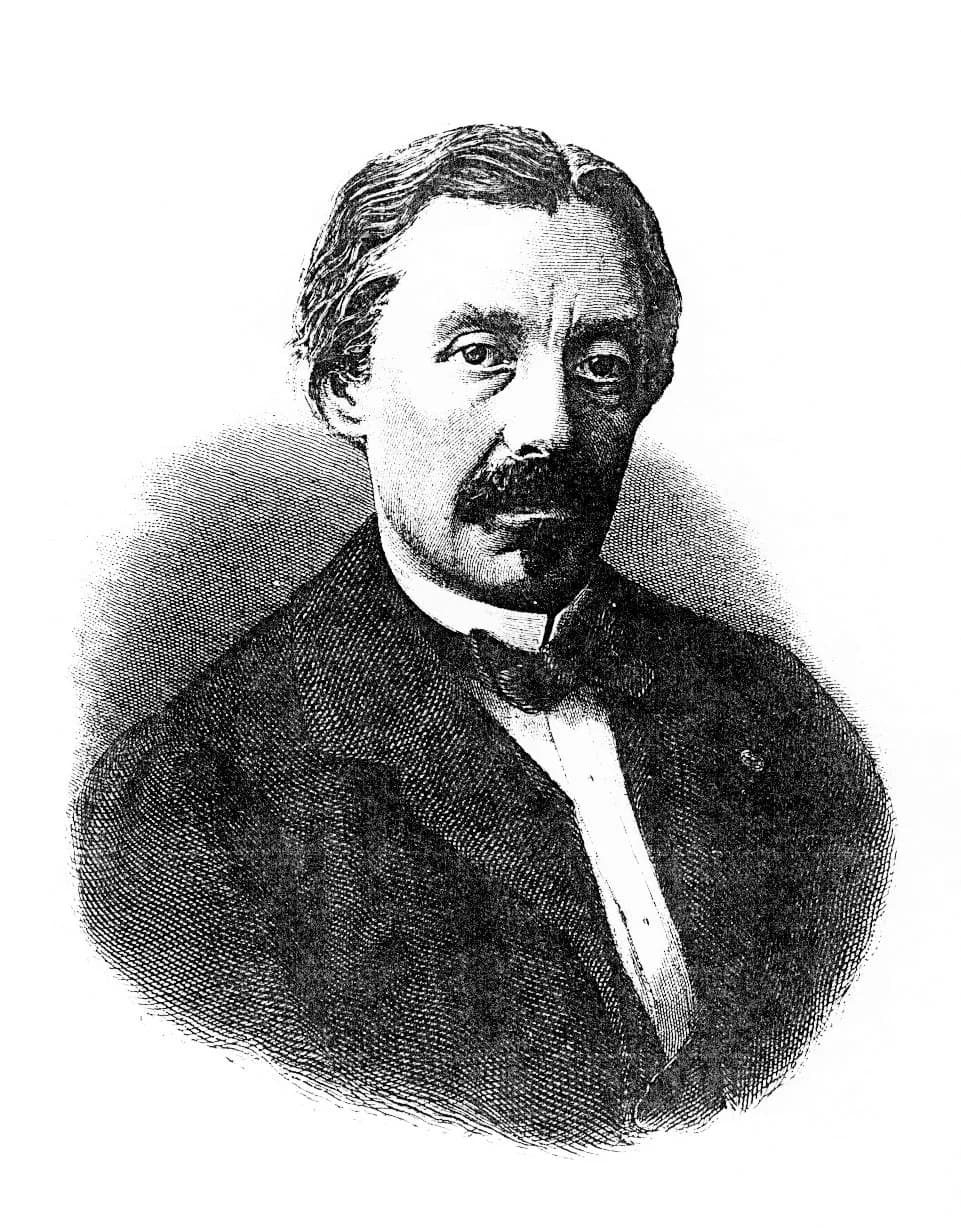
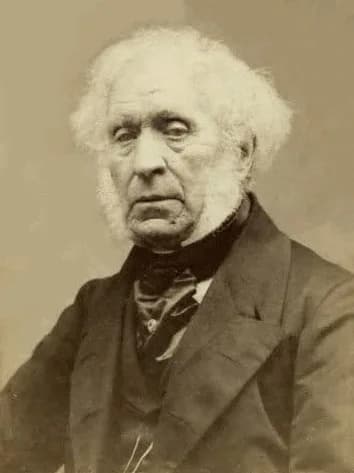
David Brewster (1781–1868) was United Kingdom best known for Scottish astronomer and mathematician.
Sir David Brewster (December 11, 1781 – February 10, 1868) was a Scottish astronomer and mathematician from Jedburgh, United Kingdom. He is remembered for discovering Brewster's angle and photoelasticity, fundamentally advancing the field of optical mineralogy. Brewster's pioneering work earned him the title 'father of modern experimental optics.'
Una vida en momentos
Los momentos que dieron forma a una vida
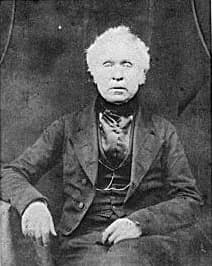
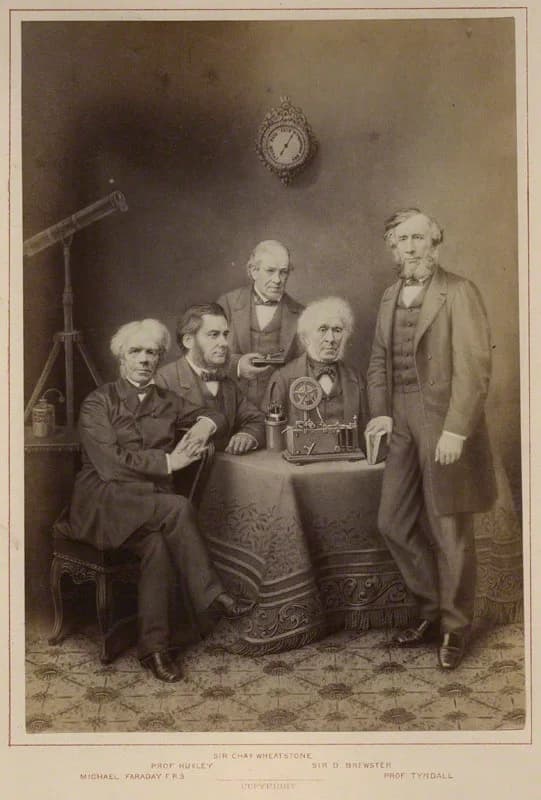
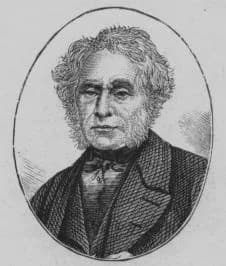
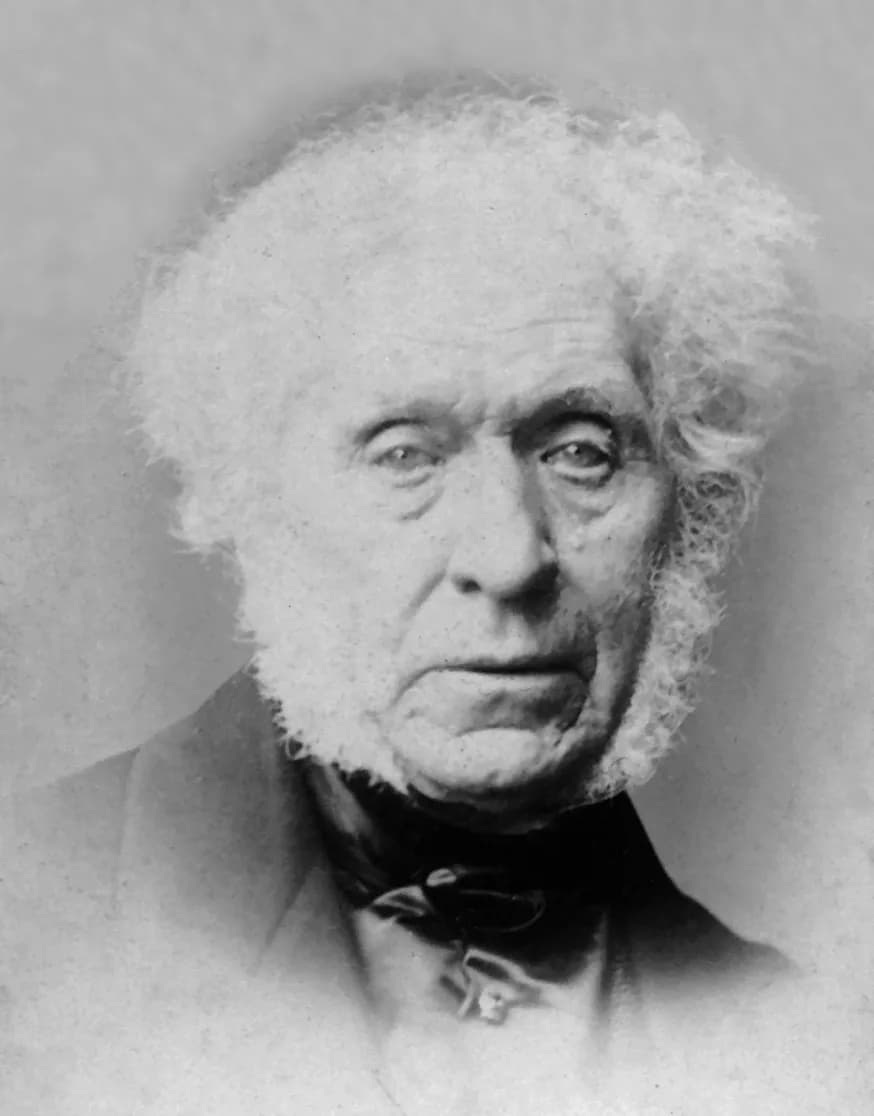
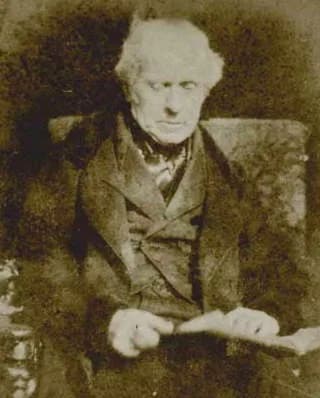
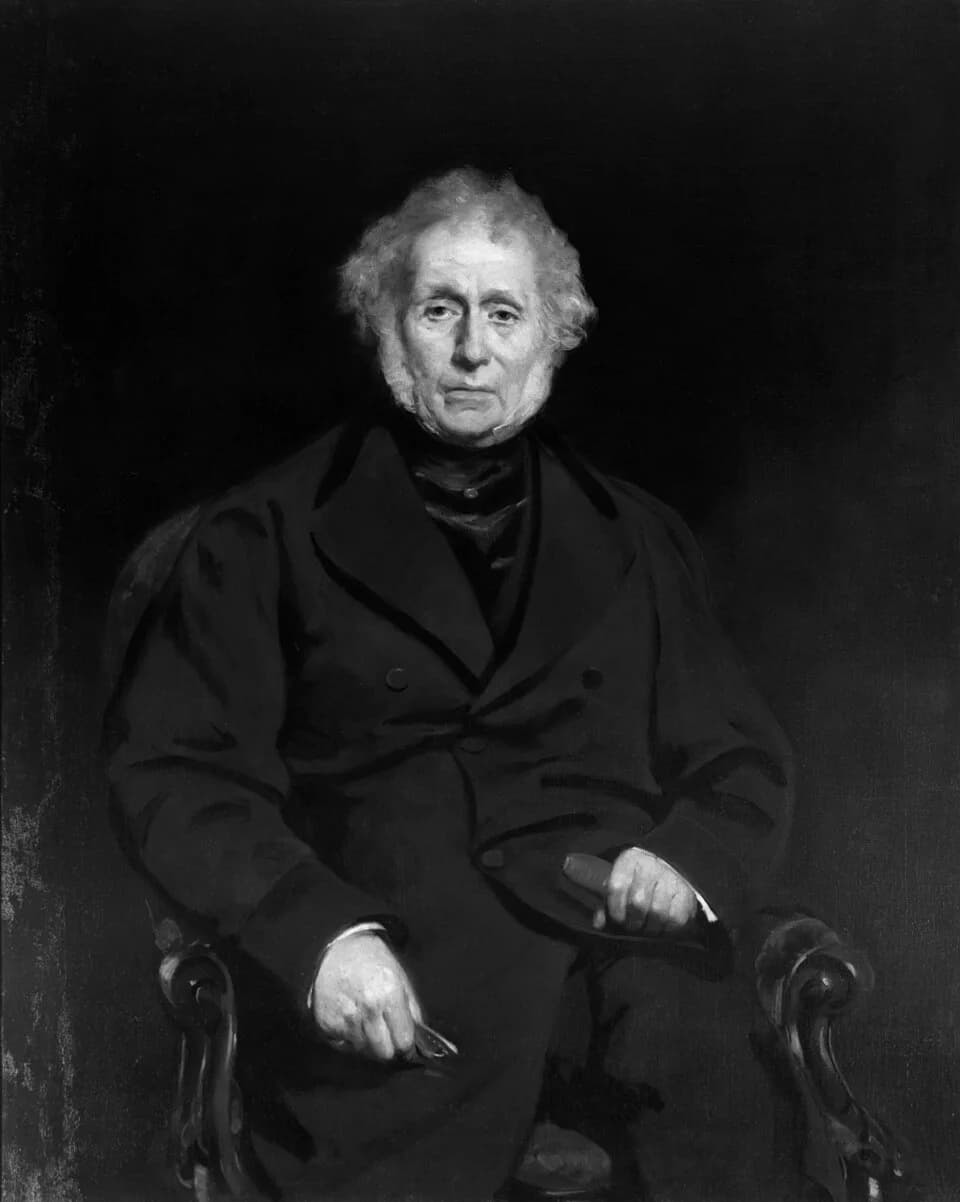
Capítulo
Capítulos de vida
Capítulo 1 · 1781· Capítulo 1 de 8
Opening
Sir David Brewster (December 11, 1781 – February 10, 1868) was a distinguished Scottish scientist, inventor, author, and academic administrator. Primarily known for his profound contributions to physical optics, Brewster’s work significantly advanced our understanding of light and its properties. His extensive career spanned multiple disciplines, establishing him as a leading figure in 19th-century scientific thought.
Capítulo 2 · 1781· Capítulo 2 de 8
Early Life and Origins
David Brewster was born on December 11, 1781, in Jedburgh, United Kingdom. He grew up during a period of intense intellectual curiosity and scientific development in Scotland. His early education and natural inclination for inquiry laid the groundwork for a career that would encompass an extraordinary range of scientific and literary pursuits.
Capítulo 3· Capítulo 3 de 8
Career Beginnings
Brewster initially pursued theological studies, reflecting the academic paths often taken in his era, but his burgeoning interest in natural science soon became paramount. His profound curiosity quickly gravitated towards dedicated experimental work, particularly within the burgeoning field of optics. This early shift in focus marked the genesis of a prolific career, positioning him as a pioneering figure in experimental physics.
Capítulo 4· Capítulo 4 de 8
Major Achievements and Career Highlights
Brewster is principally remembered for his seminal experimental work in physical optics, which fundamentally reshaped the scientific understanding of light. He conducted extensive studies on the polarization of light, leading to his monumental discovery of Brewster's angle. This discovery, a fundamental principle, elucidates how light reflects and refracts at specific angles, a cornerstone of optical physics.
His scientific inquiries extended to the birefringence of crystals under compression, through which he uncovered the phenomenon of photoelasticity. This pioneering work effectively established the new scientific discipline of optical mineralogy, demonstrating the relationship between stress, strain, and optical properties in materials. For these key contributions, William Whewell famously lauded him as the "father of modern experimental optics" and "the Johannes Kepler of optics," acknowledging his systematic approach and lasting influence.
Capítulo 5· Capítulo 5 de 8
Personal Life
While specific details about David Brewster’s personal life are not extensively provided, his enduring dedication to science indicates a life largely devoted to intellectual exploration and discovery. He maintained a broad network within the scientific community, fostering exchanges of ideas and collaborations with many prominent thinkers of his time. His prolific writing and extensive teaching also highlight a deep commitment to disseminating knowledge and encouraging scientific discourse.
Capítulo 6· Capítulo 6 de 8
Notable Works or Contributions
Sir David Brewster was a highly prolific author and inventor, whose contributions enriched both scientific literature and practical technological applications. Among his notable published works, "More worlds than one" explored astronomical theories, reflecting his broad scientific interests. He also significantly contributed to and edited "Parker & Delaplaine's American edition of the new Edinburgh encyclopaedia" and "Ferguson's lectures on select subjects," adapting these texts to incorporate contemporary scientific advancements.
His inventive genius was prominently displayed with the creation of the kaleidoscope, an instrument that captured the public's imagination and vividly demonstrated principles of optics. He authored detailed works such as "Method of using the patent kaleidoscope" and "A treatise on the kaleidoscope, its history, theory and construction," meticulously documenting its mechanics and diverse applications. Brewster also engaged in academic debates through works like "An examination of the letter addressed to Principal Hill" and significantly advanced the understanding of "Double refraction and polarisation of light."
Academically, Brewster's research output was substantial, evidenced by an h-index of 15 across 107 papers. His influential "Letters on natural magic, addressed to Sir Walter Scott, bart." saw multiple editions and revisions, illustrating his unique ability to engage both specialized scientific and broader popular audiences. Other significant academic contributions included "On the Optical Figures produced by the Disintegrated Surfaces of Crystals," "Description of a Monochromatic Lamp for Microscopical purposes," and an "Account of a curious Chinese mirror," each reflecting the depth and breadth of his diverse optical investigations.
Capítulo 7 · 1868· Capítulo 7 de 8
Later Years
Sir David Brewster continued his vigorous scientific pursuits and administrative roles effectively into his later years. His relentless dedication to original research and scholarly writing remained a defining characteristic of his distinguished career. He passed away on February 10, 1868, in Melrose, United Kingdom, leaving behind a monumental body of scientific and literary work.
Capítulo 8· Capítulo 8 de 8
Legacy and Impact
The legacy of Sir David Brewster is profound and enduring, particularly within the field of optics, where his experimental rigor and theoretical insights established crucial foundational knowledge for future generations. His pioneering discoveries of Brewster's angle and photoelasticity fundamentally reshaped both optical physics and the broader understanding of material science. His extensive work on optical mineralogy continues to inform various scientific and engineering disciplines even today.
Celebrated as a "father of modern experimental optics" and "the Johannes Kepler of optics," Brewster’s influence stretched far beyond his specific discoveries. His roles as an astronomer, writer, physicist, inventor, mathematician, biographer, university teacher, botanist, philosopher, and civil engineer demonstrate a singular intellect and an unwavering commitment to scientific progress. He remains an inspirational figure whose inquisitive spirit and dedication significantly advanced the frontiers of human knowledge.
FAQ
Preguntas frecuentes
¿Cuándo murió David Brewster?
David Brewster murió el 10 de febrero de 1868 en Melrose, United Kingdom, a la edad de 86 años.
¿Dónde nació David Brewster?
David Brewster nació en Jedburgh, United Kingdom el 11 de diciembre de 1781.
¿Por qué es más conocido(a) David Brewster?
David Brewster es más conocido(a) por Scottish astronomer and mathematician.
¿Qué edad tenía David Brewster cuando murió?
David Brewster tenía 86 años en el momento de su muerte.
¿Cuál era la nacionalidad de David Brewster?
David Brewster era de United Kingdom.
Cronología
La vida de un vistazo
- 1781
Opening
- 1781
Early Life and Origins
- 1868
Later Years
Galería fotográfica
Una vida en imágenes
Haz clic en una polaroid para ampliar · 24 fotos
Código QR
Compartir esta biografía
Imprimir y compartir
Escanee para visitar esta página de biografía. Imprima para eventos, exposiciones o materiales educativos.