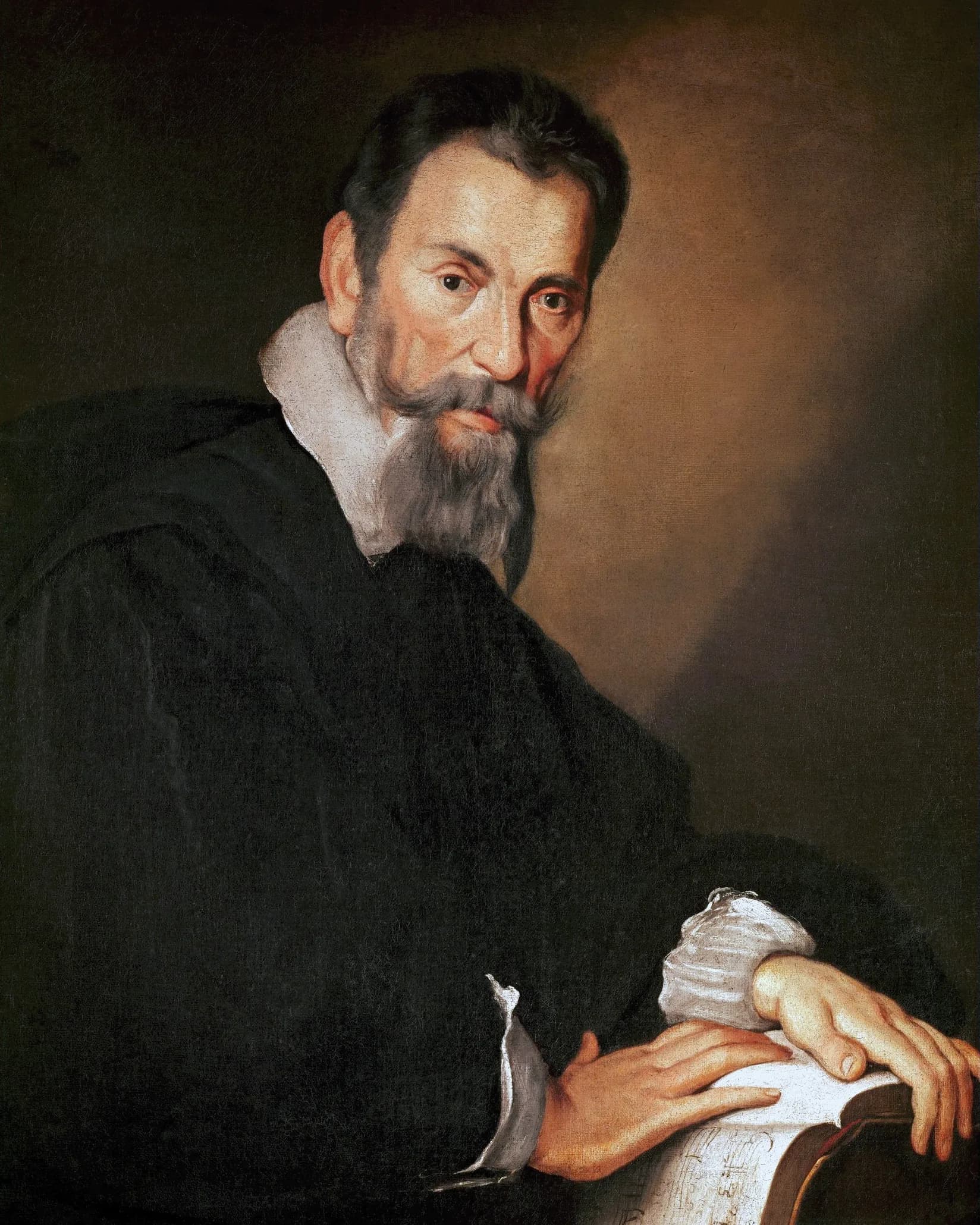
Nacido
May 15, 1567
Cremona, Italy
Fallecido
November 29, 1643
Venice, Italy
Conocido por
Italian composer, string player, choirmaster, and priest
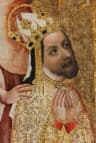
Claudio Monteverdi (1567–1643) was Italy best known for Italian composer, string player, choirmaster, and priest.
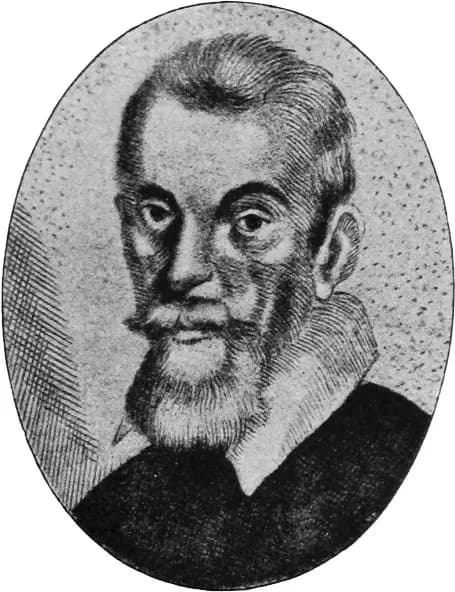
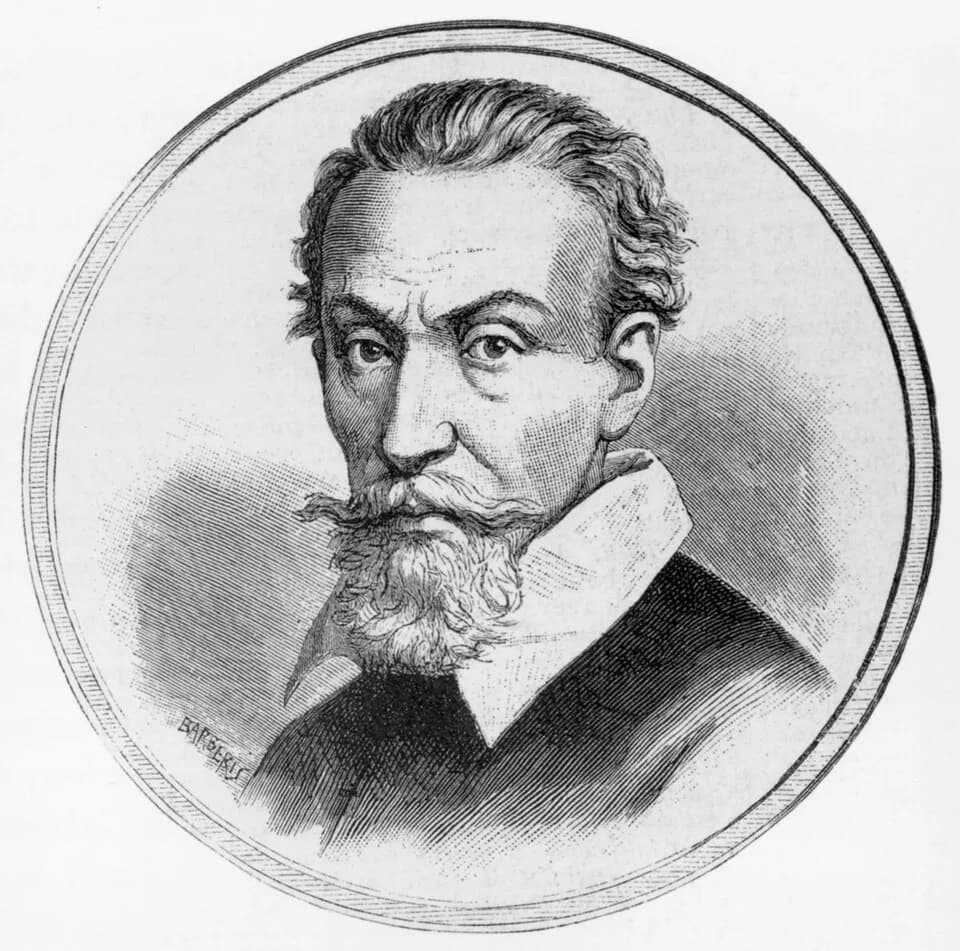
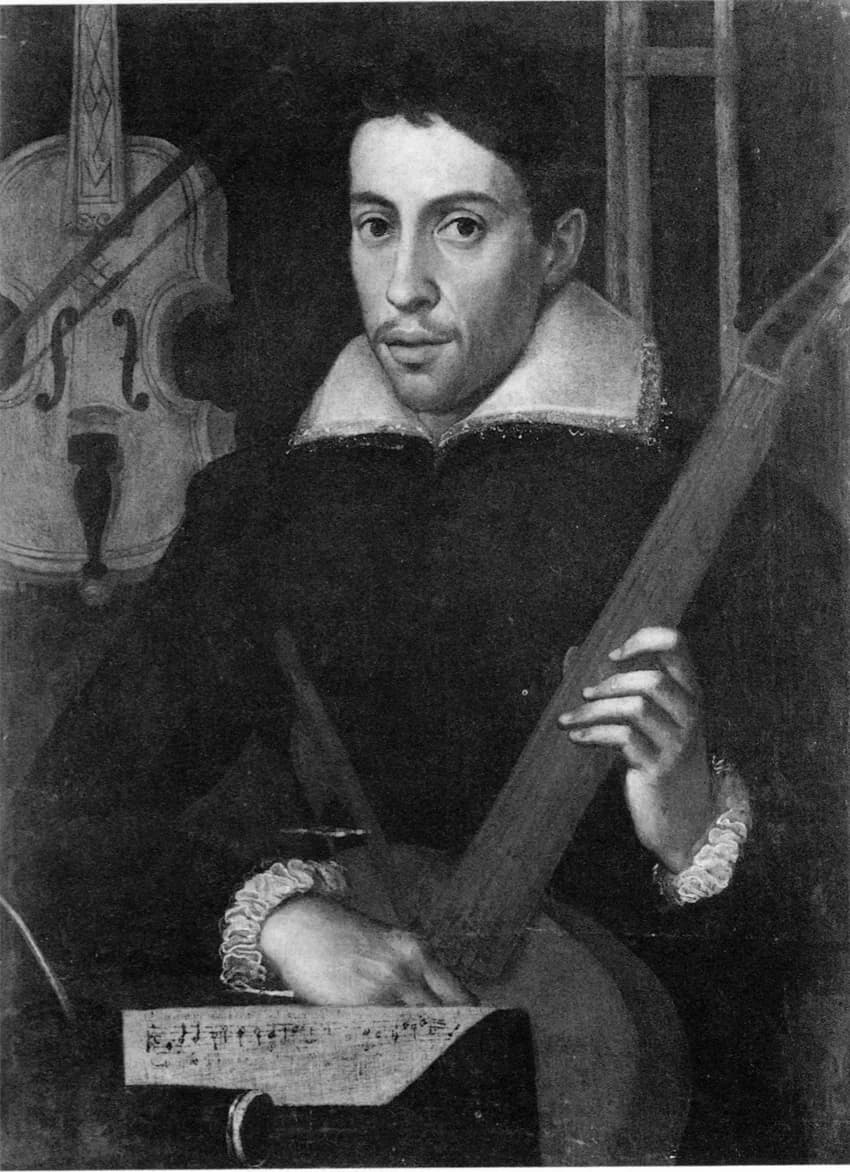
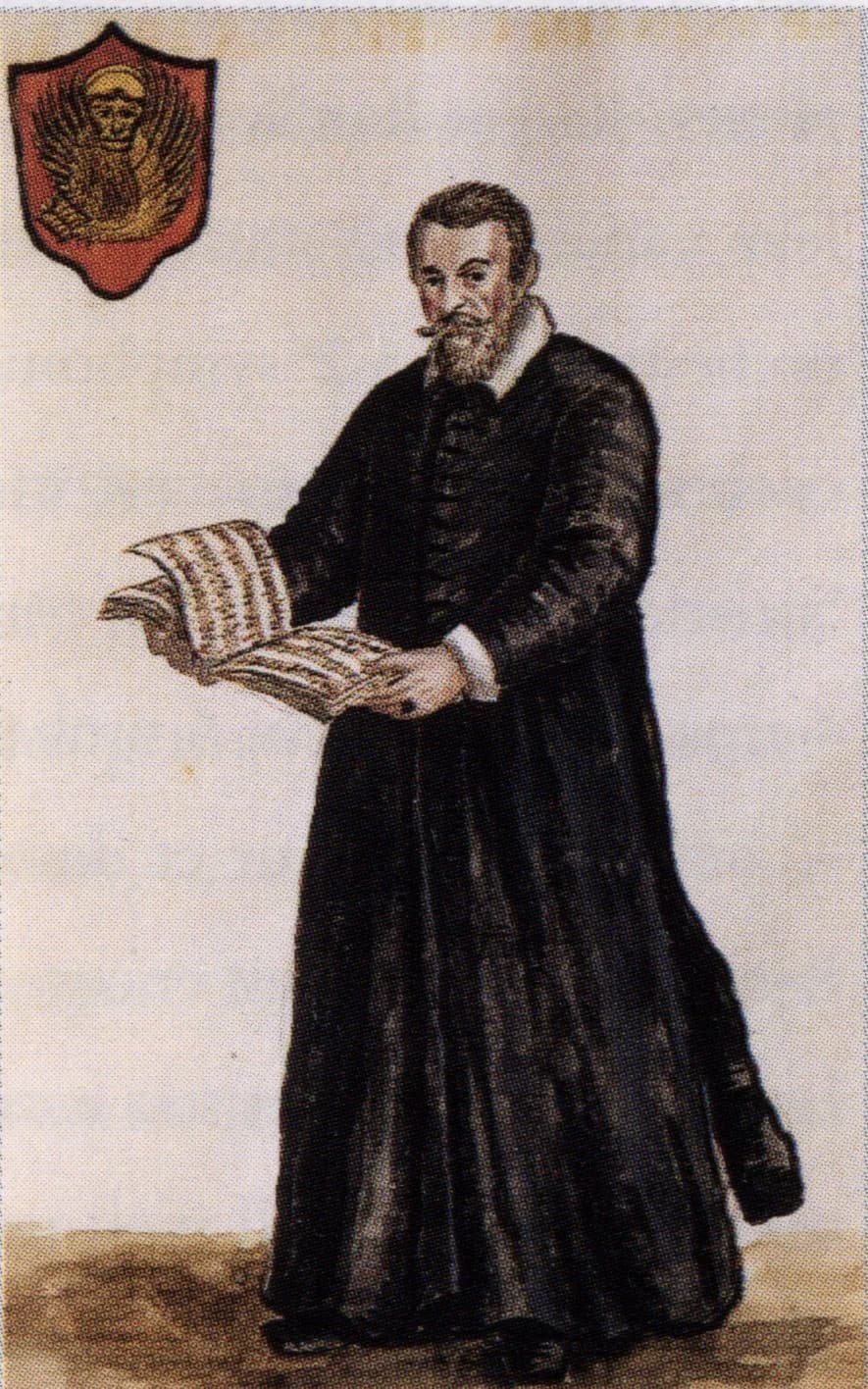
Claudio Monteverdi (May 15, 1567 – November 29, 1643) was an Italian composer and choirmaster from Cremona. He pioneered opera, bridging the Renaissance and Baroque periods of music history. His works continue to shape classical music understanding.
Capítulo
Capítulos de vida
Capítulo 1 · 1567· Capítulo 1 de 6
Early Life and Origins
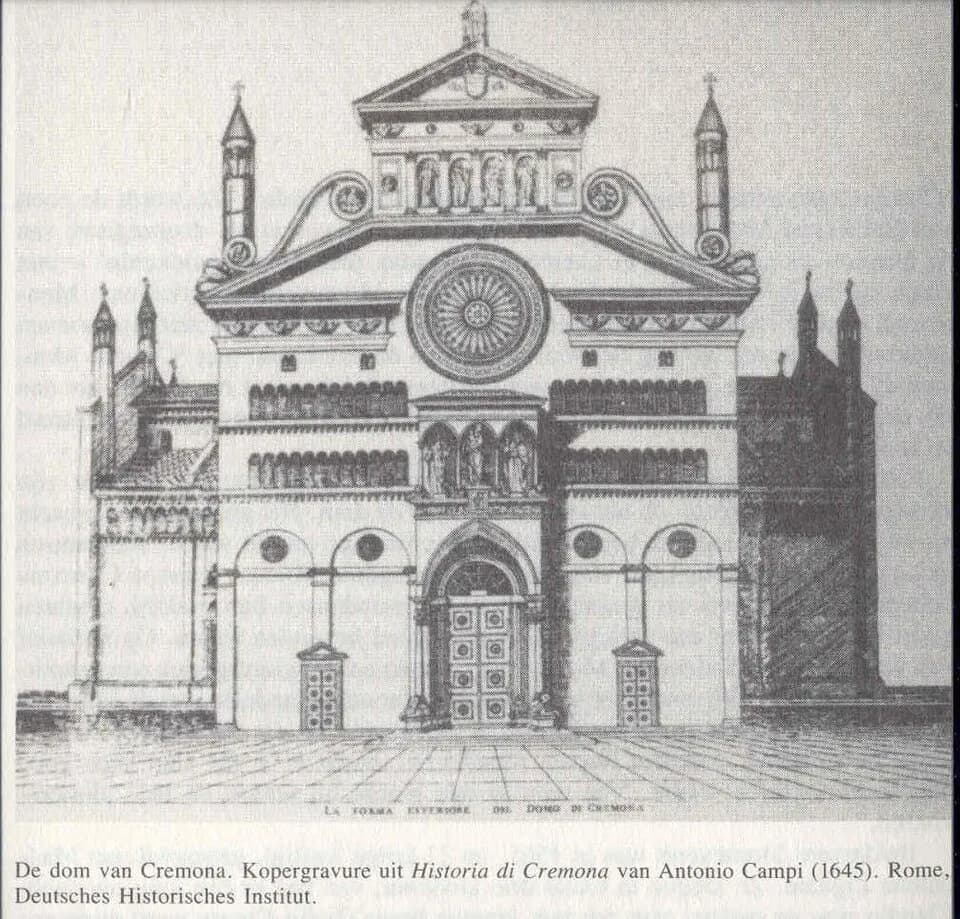
Claudio Monteverdi was born on May 15, 1567, in the historic city of Cremona, Italy. This early environment likely fostered his prodigious musical talents from a young age. Cremona, known for its rich artistic heritage, provided the backdrop for his formative years as he began his journey in music.
Capítulo 2· Capítulo 2 de 6
Career Beginnings
Monteverdi's career saw him emerge as a gifted composer and string player, skills that quickly gained him recognition. He began to compose early in his life, contributing significantly to both secular and sacred musical forms. His initial works showcased a fresh approach that hinted at the dramatic shifts he would later introduce to the musical world.
Capítulo 3· Capítulo 3 de 6
Major Achievements and Career Highlights
Throughout his extensive career, Monteverdi held various prestigious positions, including court chapel master and church musician. As a choirmaster, he guided musical ensembles with skill and innovation, elevating the performances under his direction. His pioneering efforts in the development of opera fundamentally altered the course of music history.
He mastered the art of combining drama with music, crafting works that explored profound human emotions and narratives. These achievements cemented his standing as a master composer during a period of intense musical change. His dual roles as a secular and sacred composer demonstrate his versatility and profound understanding of diverse musical forms.
Capítulo 4 · 1974· Capítulo 4 de 6
Notable Works and Contributions
Monteverdi's discography offers a glimpse into his expansive creative output across classical, renaissance, baroque, and opera genres. His opera, L’Orfeo, recorded in 1974, stands as a foundational work in the operatic repertoire, demonstrating his innovative use of dramatic music. Another monumental achievement is the Vespers (1610), also known as the Vespro della Beata Vergine, recorded in 1976, which showcases his mastery of sacred composition.
His collection Scherzi Musicali, recorded in 1970, along with various madrigal selections such as Il combattimento di Tancredi e Clorinda and Other Madrigals from Book VIII (1967), illustrate his profound impact on vocal music. Later works like Il ritorno d’Ulisse in patria, SV 325 (1980 recording) and Altri Canti (1981 recording) further exemplify his enduring creativity. These pieces continue to be celebrated for their beauty and historical significance.
Capítulo 5 · 1643· Capítulo 5 de 6
Later Years
Monteverdi's final years saw him continue his dedicated service as a Catholic priest and church musician. He maintained his creative output and influence until his passing on November 29, 1643. He passed away in Venice, Italy, a city where he had spent a significant portion of his professional life.
Capítulo 6· Capítulo 6 de 6
Legacy and Impact
Claudio Monteverdi is universally recognized as a crucial transitional figure, skillfully guiding music from the polyphonic complexities of the Renaissance to the expressive drama of the Baroque. His advancements in opera laid the groundwork for future generations of composers and defined the genre for centuries to come. His ability to fuse traditional elements with revolutionary ideas created a rich new vocabulary for musical expression.
The enduring popularity and study of his works attest to his lasting influence on classical music. Monteverdi's innovative spirit, combined with his deep understanding of composition, ensured his place among the greatest figures in musical history. Musicians and scholars alike continue to draw inspiration from his profound and moving compositions.
Una vida en momentos
Los momentos que dieron forma a una vida
FAQ
Preguntas frecuentes
¿Cuándo murió Claudio Monteverdi?
Claudio Monteverdi murió el 29 de noviembre de 1643 en Venice, Italy, a la edad de 76 años.
¿Dónde nació Claudio Monteverdi?
Claudio Monteverdi nació en Cremona, Italy el 15 de mayo de 1567.
¿Por qué es más conocido(a) Claudio Monteverdi?
Claudio Monteverdi es más conocido(a) por Italian composer, string player, choirmaster, and priest.
¿Qué edad tenía Claudio Monteverdi cuando murió?
Claudio Monteverdi tenía 76 años en el momento de su muerte.
¿Cuál era la nacionalidad de Claudio Monteverdi?
Claudio Monteverdi era de Italy.
Cronología
La vida de un vistazo
Galería fotográfica
Una vida en imágenes
Haz clic en una polaroid para ampliar · 25 fotos
Código QR
Compartir esta biografía
Imprimir y compartir
Escanee para visitar esta página de biografía. Imprima para eventos, exposiciones o materiales educativos.