Nacido
April 17, 1927
Ibrahimpatti, India
Fallecido
July 8, 2007
New Delhi, India
Conocido por
Prime Minister of India
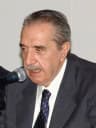
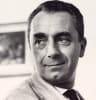
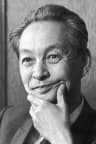
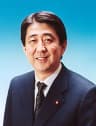
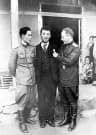
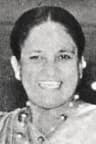
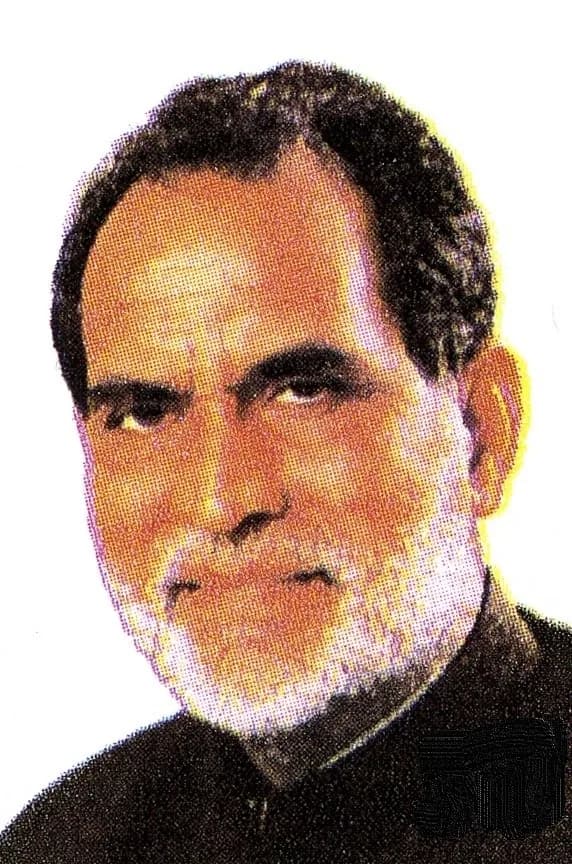
Chandra Shekhar (1927–2007) was India best known for Prime Minister of India.
Chandra Shekhar (April 17, 1927 – July 8, 2007) was an Indian politician from Ibrahimpatti, India. He served as the Prime Minister of India from November 1990 to June 1991, leading a minority government. He was notably the second Prime Minister never to have held prior government office.
Capítulo
Capítulos de vida
Capítulo 1 · 1927· Capítulo 1 de 6
Early Life and Origins
Born on April 17, 1927, in Ibrahimpatti, a village located in India, Chandra Shekhar's early life was rooted in the heartland of the country. This rural upbringing likely shaped his understanding of the challenges faced by ordinary citizens. His origins provided him with a ground-level perspective on the diverse social and economic fabric of India, influencing his later political views.
Capítulo 2· Capítulo 2 de 6
Career Beginnings
Chandra Shekhar embarked on his political journey, dedicating himself to the field of politics. His career saw him become a prominent figure within the Indian political system over many years. He eventually rose through the ranks, demonstrating his commitment to national issues and public representation.
His path to the Prime Minister's office was notably unconventional, setting him apart from many peers. He emerged as the leader of a breakaway faction of the Janata Dal party. This period of political realignment showcased his ability to gather support and forge new alliances within a complex multiparty system, highlighting his political acumen.
Capítulo 3 · 1990· Capítulo 3 de 6
Major Achievements and Career Highlights
On November 10, 1990, Chandra Shekhar assumed the esteemed office of Prime Minister of India. He led the country through a significant, albeit brief, period of governance during a time of political fluidity. His tenure as Prime Minister concluded on June 21, 1991, marking a distinct chapter in India's political history.
A defining characteristic of his premiership was leading a minority government. This required navigating the political terrain with outside support from the Indian National Congress, illustrating the intricacies of power-sharing. His administration demonstrated the complex dynamics of coalition politics and the challenges of governing without an outright majority.
Chandra Shekhar held the rare distinction of being the second Indian Prime Minister who had never held any prior government office. This fact set him apart from many of his predecessors and successors. It highlighted a direct ascent to the top executive position, underscoring a unique political trajectory in Indian democracy.
Capítulo 4· Capítulo 4 de 6
Notable Works or Contributions
Chandra Shekhar's primary contribution to India was his period as Prime Minister, where he managed to form and sustain a government under challenging circumstances. Leading a minority government required significant political acumen and negotiation skills. His administration, though short-lived, played a crucial role in guiding the nation during a specific historical juncture.
The formation of his government, drawing outside support from the Indian National Congress, demonstrated a pragmatic approach to governance. He prioritized stability in a politically fragmented environment, working to maintain continuity. His leadership provided a steady hand, even as the broader political landscape was in a state of flux.
Capítulo 5· Capítulo 5 de 6
Later Years
Following his time as Prime Minister, Chandra Shekhar continued his involvement in public life and politics. He remained an influential voice, contributing to national discourse and policy debates for many years. His enduring presence in the political arena reflected his lifelong commitment to India's development.
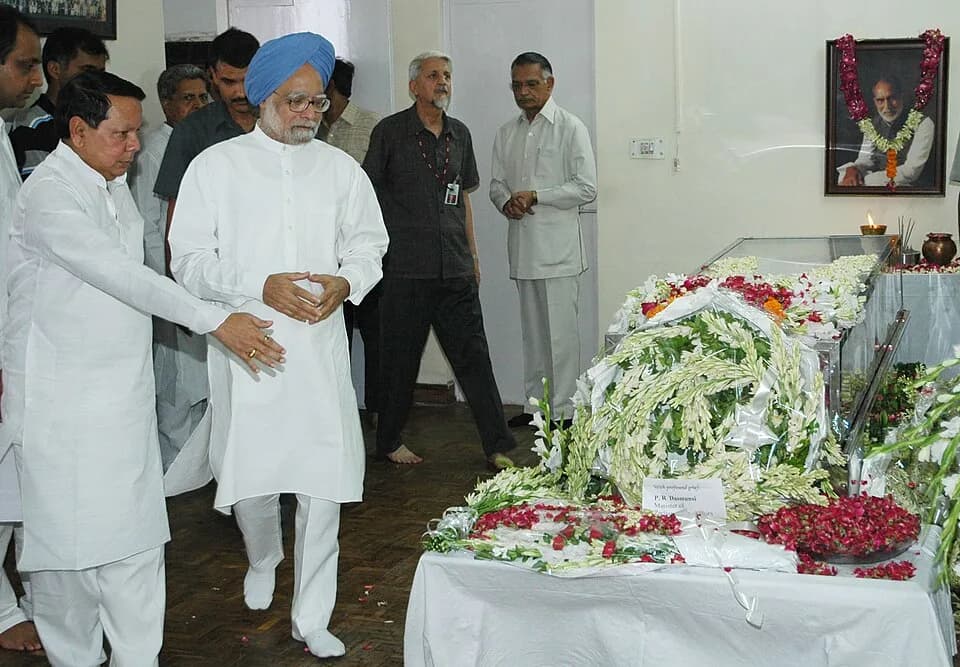
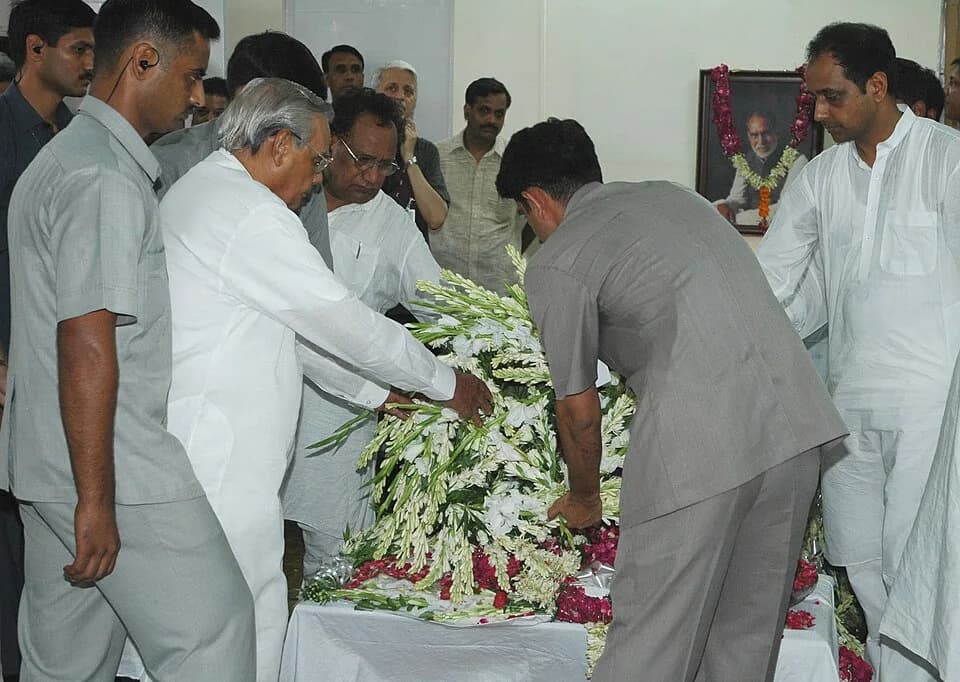
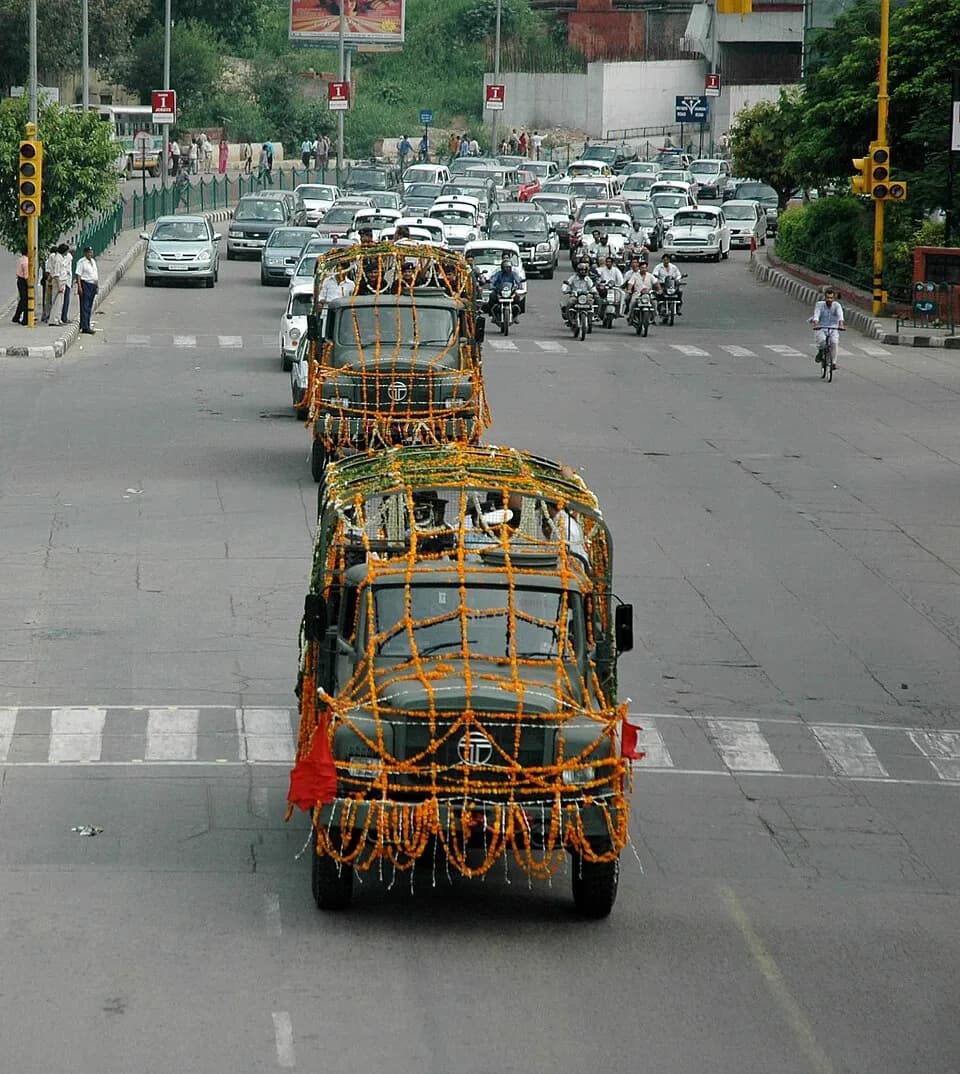
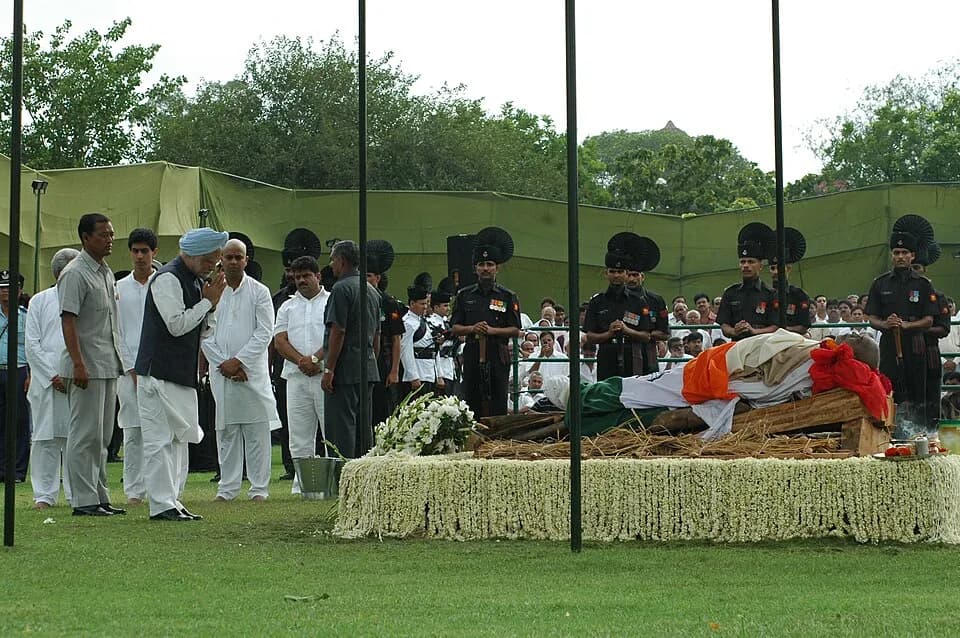
Chandra Shekhar passed away on July 8, 2007, in New Delhi, India, the capital city where he had once served as Prime Minister. His death marked the end of a long and impactful career dedicated to the service of his nation. He left behind a legacy of dedicated public service and a unique chapter in India's political narrative.
Capítulo 6· Capítulo 6 de 6
Legacy and Impact
Chandra Shekhar's legacy is defined by his time as Prime Minister and the distinctive circumstances of his ascension to power. His leadership of a minority government, supported externally, stands as an example of political adaptability and strategic maneuvering. He demonstrated that even without traditional ministerial experience, one could rise to the nation's highest office through different pathways.
He is remembered not only for his tenure but also for the manner in which he navigated complex political alliances and maintained stability. His unique position as a Prime Minister without prior government office makes him a significant figure in India's political history. Chandra Shekhar's life serves as a testament to the diverse paths one can take in democratic public service.
Una vida en momentos
Los momentos que dieron forma a una vida
FAQ
Preguntas frecuentes
¿Cuándo murió Chandra Shekhar?
Chandra Shekhar murió el 8 de julio de 2007 en New Delhi, India, a la edad de 80 años.
¿Dónde nació Chandra Shekhar?
Chandra Shekhar nació en Ibrahimpatti, India el 17 de abril de 1927.
¿Por qué es más conocido(a) Chandra Shekhar?
Chandra Shekhar es más conocido(a) por Prime Minister of India.
¿Qué edad tenía Chandra Shekhar cuando murió?
Chandra Shekhar tenía 80 años en el momento de su muerte.
¿Cuál era la nacionalidad de Chandra Shekhar?
Chandra Shekhar era de India.
Cronología
La vida de un vistazo
Galería fotográfica
Una vida en imágenes
Haz clic en una polaroid para ampliar · 24 fotos
Código QR
Compartir esta biografía
Imprimir y compartir
Escanee para visitar esta página de biografía. Imprima para eventos, exposiciones o materiales educativos.