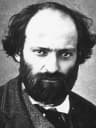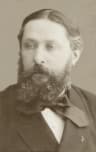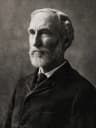
Nacido
October 30, 1839
former 4th arrondissement of Paris, France
Fallecido
January 29, 1899
cemetery of Moret-sur-Loing, France
Conocido por
French, British painter
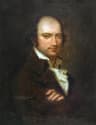
Alfred Sisley (1839–1899) was France best known for French, British painter.
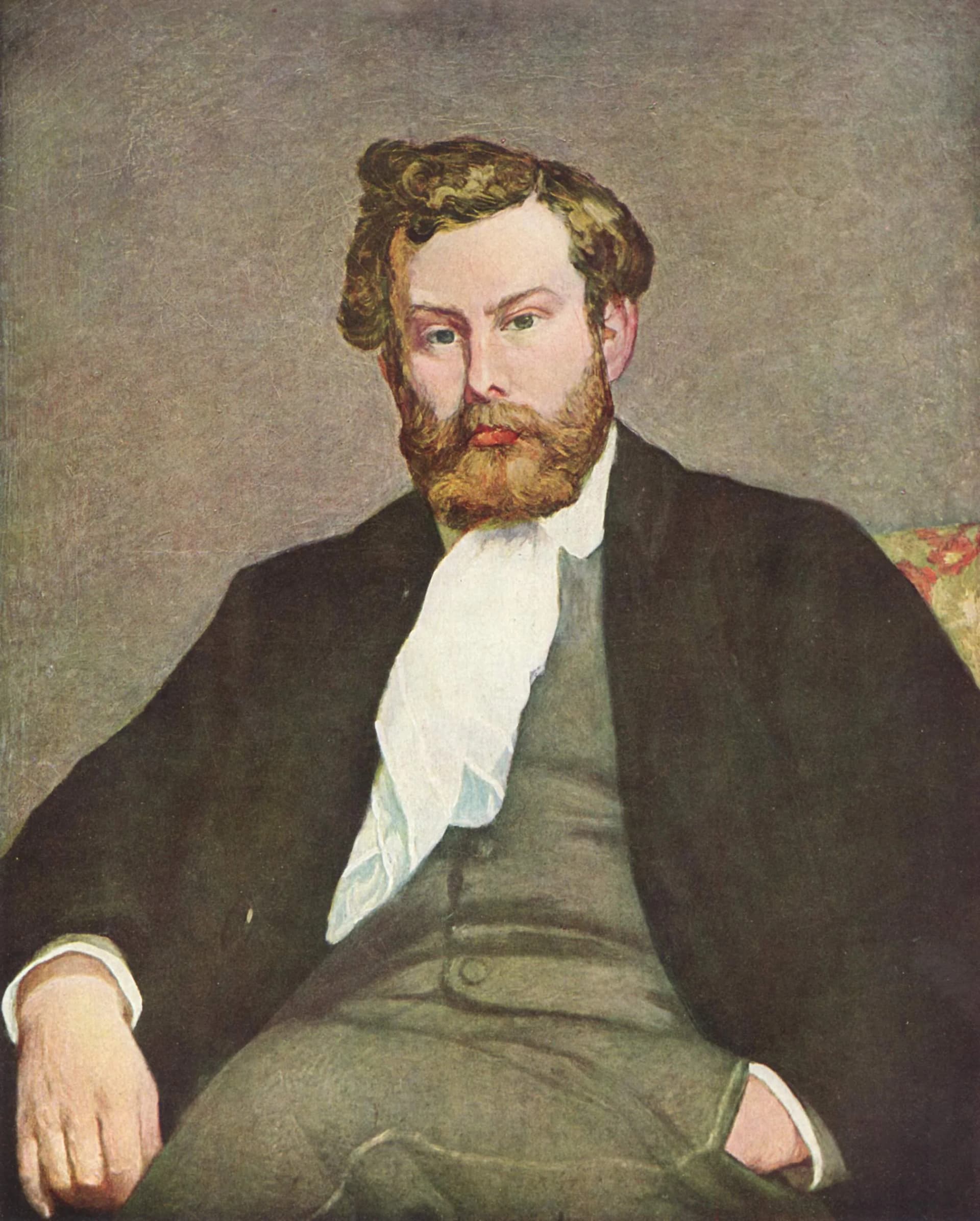
Alfred Sisley (October 30, 1839 – January 29, 1899) was a French-born British Impressionist painter, visual artist, etcher, and lithographer. He was renowned for his unwavering dedication to landscape painting <i>en plein air</i>, consistently capturing the subtle beauty of the French countryside. His artistic vision found complete fulfillment within the Impressionist movement.
Capítulo
Capítulos de vida
Capítulo 1 · 1839· Capítulo 1 de 8
Opening Tribute
Today, we remember Alfred Sisley (1839–1899), a distinguished French-born British painter, visual artist, etcher, and lithographer whose dedication to Impressionist landscape painting left an enduring mark on art history. Sisley was born in Paris, France, and spent the majority of his life immersed in the French countryside, which became the sole focus of his artistic exploration. He is celebrated for his consistent commitment to painting en plein air, capturing the fleeting light and atmospheric conditions of nature with unparalleled sincerity and focus.
Capítulo 2 · 1839· Capítulo 2 de 8
Early Life and Origins
Alfred Sisley was born on October 30, 1839, in the former 4th arrondissement of Paris, France. Though born on French soil, his parents were British, granting him a unique dual heritage. This upbringing meant that while he was deeply embedded in French culture and its artistic movements, he maintained a distinct connection to his British roots.
Sisley’s early life saw him develop an interest in art that would eventually lead him to dedicate his entire professional career to painting. His formative years in France provided the foundational experiences that would later shape his artistic sensibilities and his preference for natural settings as his primary subject matter.
Capítulo 3· Capítulo 3 de 8
Career Beginnings
Sisley's artistic journey began by embracing the emerging style of Impressionism, a movement that perfectly aligned with his inherent artistic needs. Unlike many of his contemporaries who experimented with various subjects, Sisley demonstrated an early and unwavering commitment to landscape painting. His early works already showed a dedication to capturing outdoor scenes, laying the groundwork for his lifelong artistic pursuit.
He rarely deviated into figure painting, a testament to how fully Impressionism fulfilled his artistic vision from the outset. This early focus allowed him to refine his technique for rendering light, shadow, and atmospheric effects, which became hallmarks of his mature style. His foundational approach established him as a consistent and pure voice within the Impressionist movement.
Capítulo 4· Capítulo 4 de 8
Major Achievements and Career Highlights
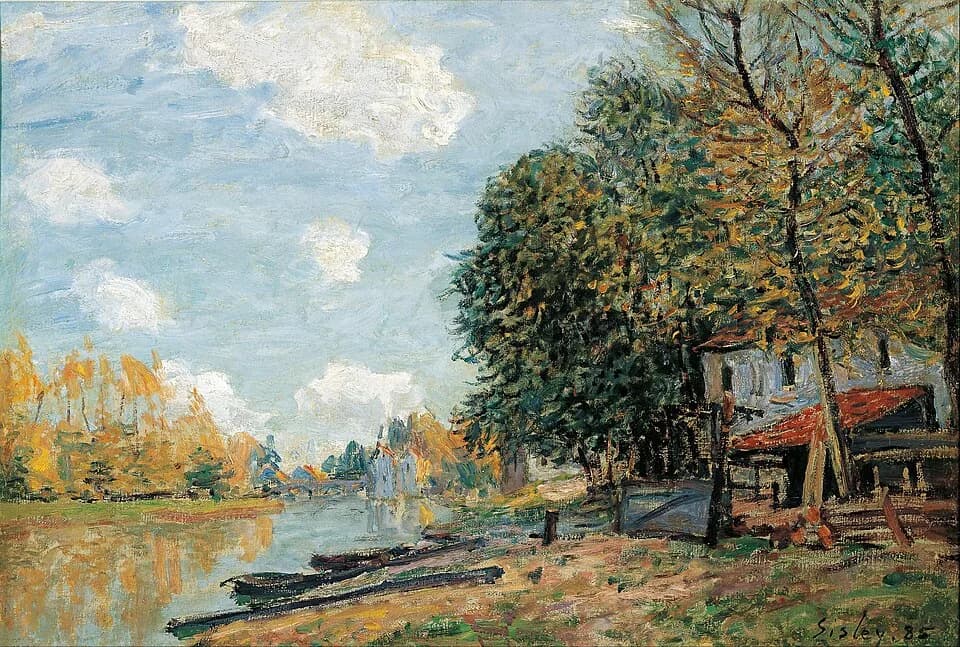
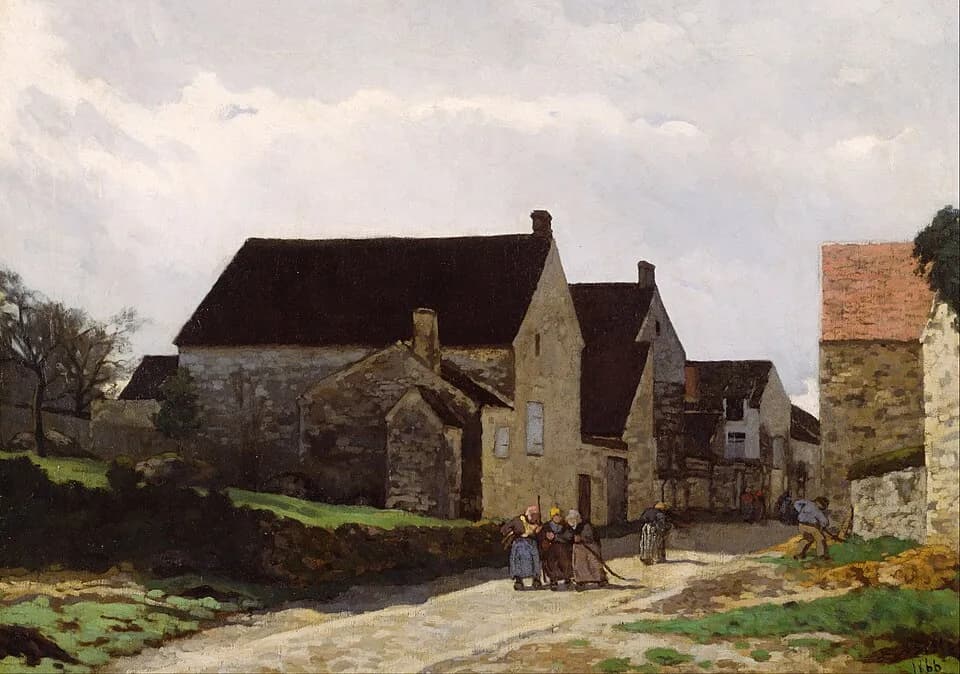
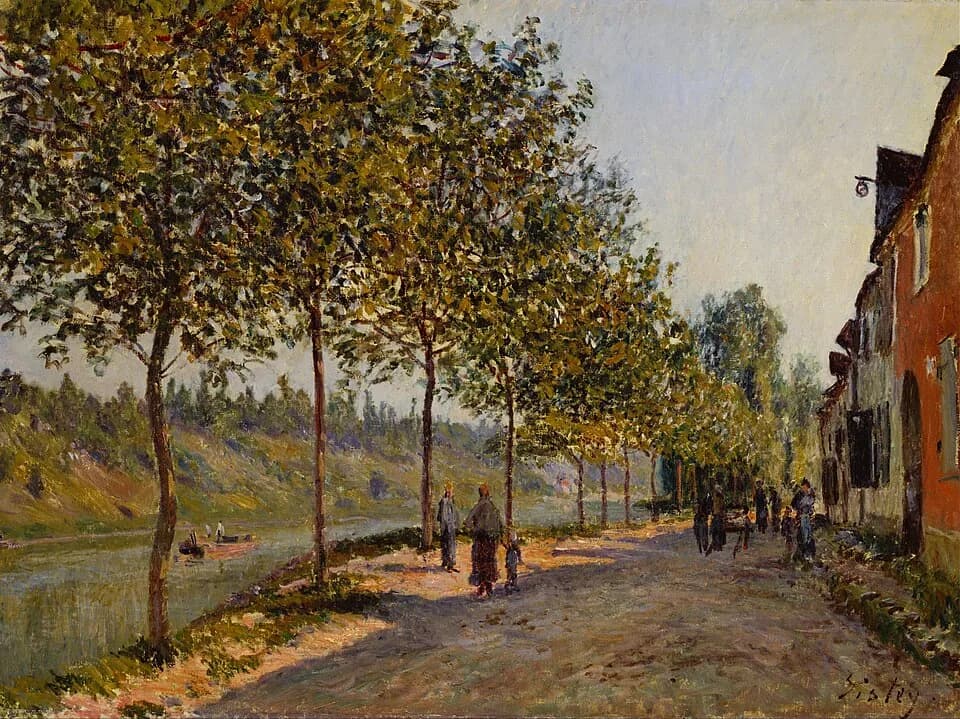
Alfred Sisley stands out as the most consistent among the Impressionists in his devotion to painting landscapes en plein air, meaning outdoors. This steadfast commitment to capturing nature directly on canvas, rather than in a studio, was a defining characteristic of his career. While other Impressionists like Renoir and Pissarro explored diverse subjects, Sisley consistently found that Impressionism, specifically applied to landscape, entirely satisfied his artistic requirements.
His career was marked by this singular focus, allowing him to achieve a profound depth in his portrayal of the French countryside. Sisley’s ability to render the nuances of light, weather, and seasonal changes with such fidelity and feeling is a significant achievement. His unwavering artistic direction cemented his place as a master of the Impressionist landscape.
Capítulo 5· Capítulo 5 de 8
Personal Life
Alfred Sisley spent the majority of his life in France, deeply connected to the landscapes that inspired his most famous works. His choice to reside predominantly in the French countryside allowed him continuous access to the natural environments he so meticulously depicted. While detailed specifics of his personal relationships and interests are not extensively documented in the provided information, his life was undoubtedly shaped by his immersive experience in the regions he painted.
Capítulo 6 · 1876· Capítulo 6 de 8
Notable Works and Contributions
Sisley’s prolific career yielded an extensive body of work, many pieces of which are now held in prestigious collections worldwide. Among his notable artworks housed at the Metropolitan Museum of Art are "View of Marly-le-Roi from Coeur-Volant" (1876), "Sahurs Meadows in Morning Sun" (1894), and "The Road from Versailles to Louveciennes" (probably 1879). The museum also holds his works "The Seine at Bougival" (1876) and "The Bridge at Villeneuve-la-Garenne" (1872), showcasing his early mastery of capturing waterways and structures.
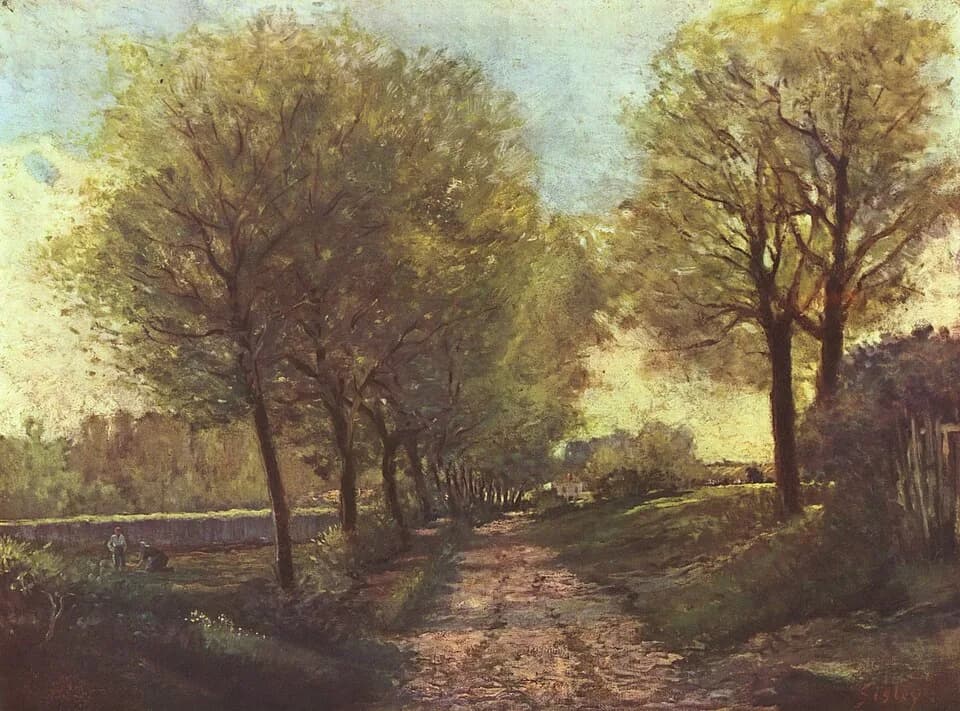
The Art Institute of Chicago also boasts a significant collection of Sisley’s paintings, illustrating his continuous engagement with diverse French locales. These include "A Turn in the Road" (1873), "The Seine at Port-Marly, Piles of Sand" (1875), and the evocative "Street in Moret" (c. 1890). Further works at the AIC, such as "The Loire" (1896), "Watering Place at Marly" (1875), and "Landscape along the Seine with the Institut de France and the Pont des Arts" (c. 1875), underscore his dedication to depicting river scenes and urban views.
Additional masterpieces at the Art Institute of Chicago, including "A Corner of Moret-sur-Loing" (1895) and "Landscape with Trees" (1880/85), further highlight his versatile yet focused approach to landscape painting. Through these and countless other works, Sisley consistently demonstrated his ability to transform ordinary scenes into captivating studies of light and atmosphere. His dedication to capturing the French environment enriched the Impressionist movement with its characteristic purity and vision.
Capítulo 7 · 1894· Capítulo 7 de 8
Later Years
In his later years, Sisley continued his fervent dedication to painting the world around him, particularly the regions of France where he spent much of his life. Works from this period, such as "Sahurs Meadows in Morning Sun" (1894), "A Corner of Moret-sur-Loing" (1895), and "The Loire" (1896), demonstrate his sustained artistic vitality. He remained committed to his Impressionist principles until his passing.
Alfred Sisley died on January 29, 1899, in France. His final resting place is the cemetery of Moret-sur-Loing, a place intimately connected to his life and the very landscapes that inspired much of his later work. His passing marked the end of a prolific career entirely devoted to the art of landscape painting.
Capítulo 8· Capítulo 8 de 8
Legacy and Impact
Alfred Sisley's legacy as a painter is defined by his unwavering consistency and pure dedication to the Impressionist landscape. He proved that within the specific focus of en plein air landscape painting, an artist could find complete artistic fulfillment and produce a vast, varied, and influential body of work. His ability to capture the subtle variations of light, season, and weather in the French countryside continues to inspire artists and viewers alike.
Through his steadfast practice, Sisley demonstrated the profound expressive potential of nature as a singular subject. Unlike other Impressionists who diversified their themes, Sisley's sustained commitment to landscape remains a powerful artistic statement. His works offer a timeless invitation to observe the beauty and ever-changing character of the natural world.
Una vida en momentos
Los momentos que dieron forma a una vida
FAQ
Preguntas frecuentes
¿Cuándo murió Alfred Sisley?
Alfred Sisley murió el 29 de enero de 1899 en cemetery of Moret-sur-Loing, France, a la edad de 59 años.
¿Dónde nació Alfred Sisley?
Alfred Sisley nació en former 4th arrondissement of Paris, France el 30 de octubre de 1839.
¿Por qué es más conocido(a) Alfred Sisley?
Alfred Sisley es más conocido(a) por French, British painter.
¿Qué edad tenía Alfred Sisley cuando murió?
Alfred Sisley tenía 59 años en el momento de su muerte.
¿Cuál era la nacionalidad de Alfred Sisley?
Alfred Sisley era de France.
Cronología
La vida de un vistazo
Galería fotográfica
Una vida en imágenes
Haz clic en una polaroid para ampliar · 48 fotos
Código QR
Compartir esta biografía
Imprimir y compartir
Escanee para visitar esta página de biografía. Imprima para eventos, exposiciones o materiales educativos.