Nacido
August 3, 1856
Melbourne, Australia
Fallecido
October 7, 1919
Melbourne, Australia
Conocido por
Australian politician
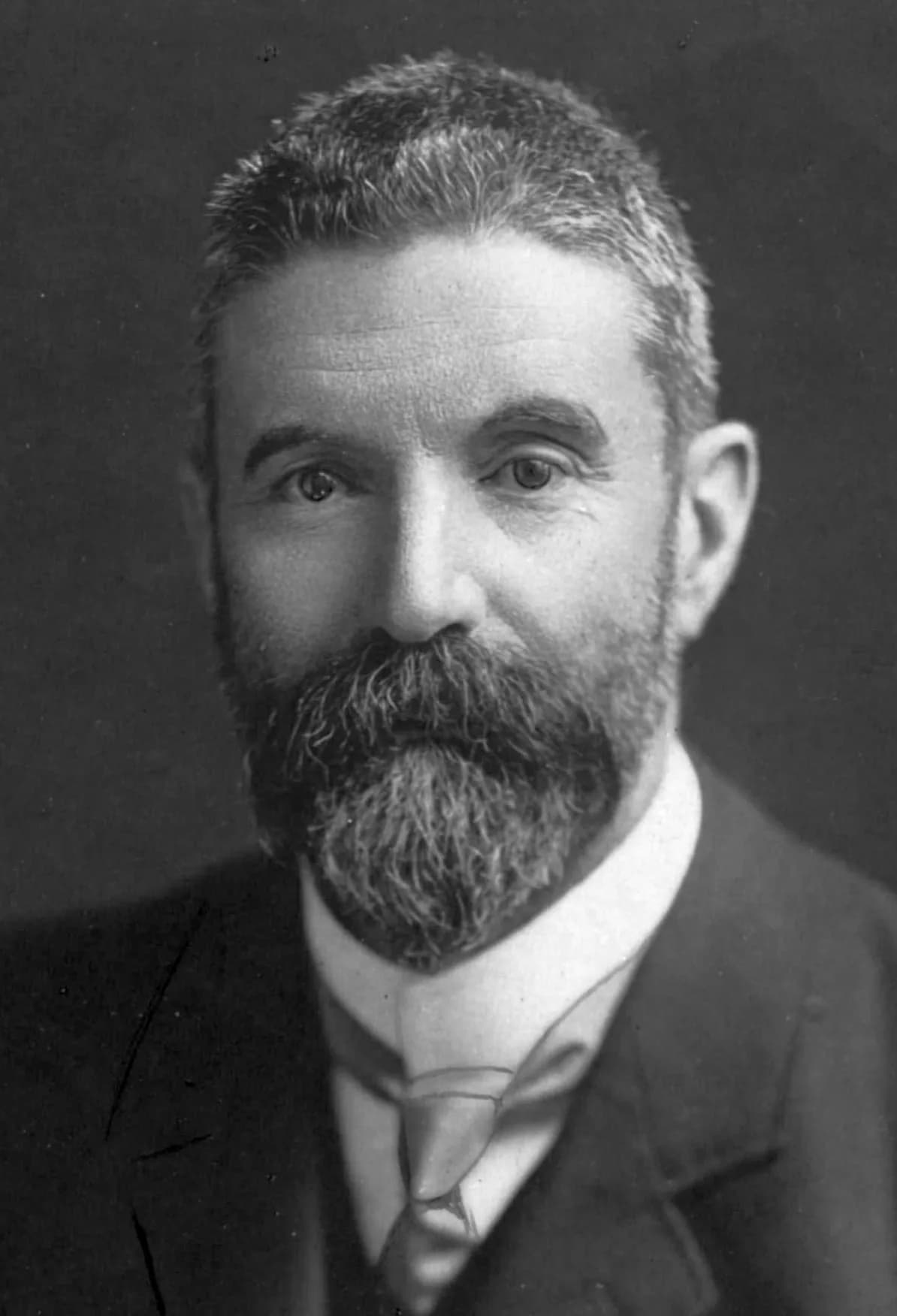
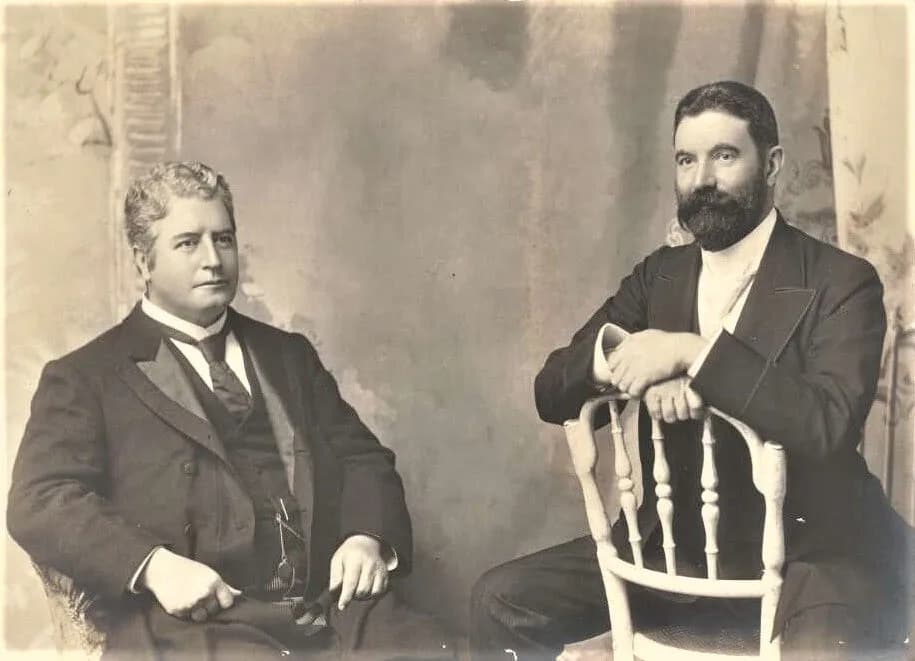
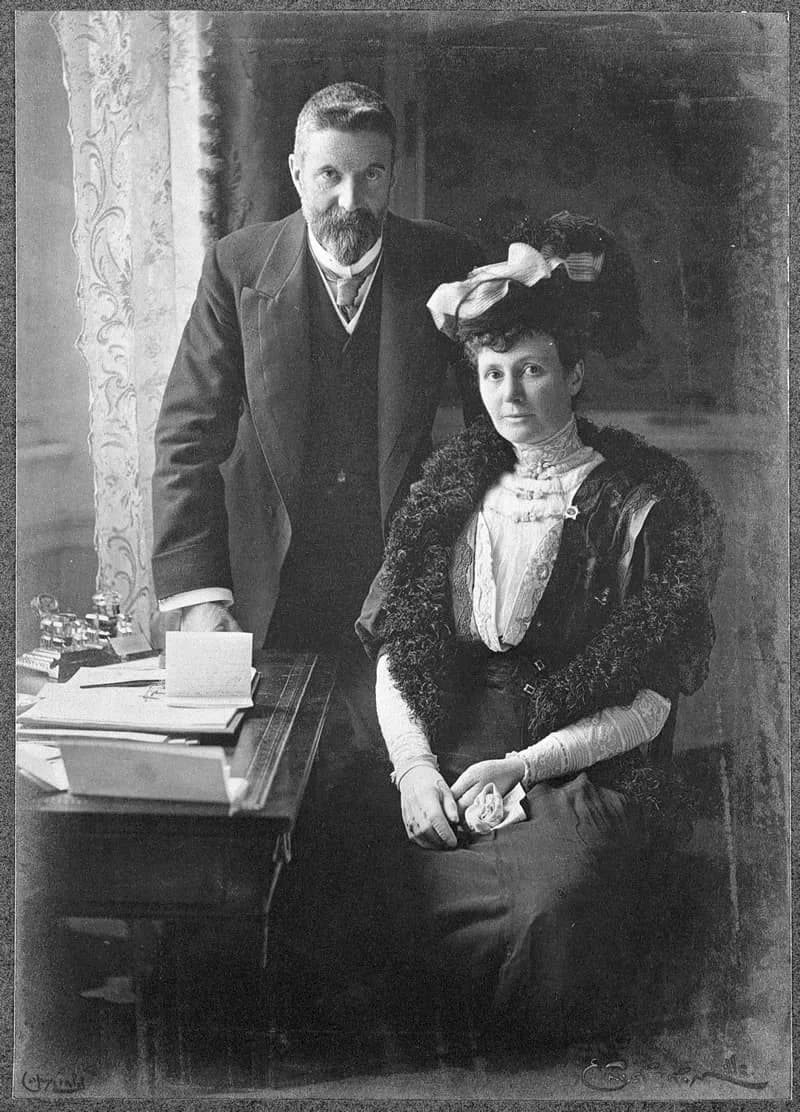
Alfred Deakin (1856–1919) was Australia best known for Australian politician.
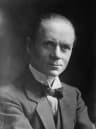
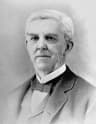
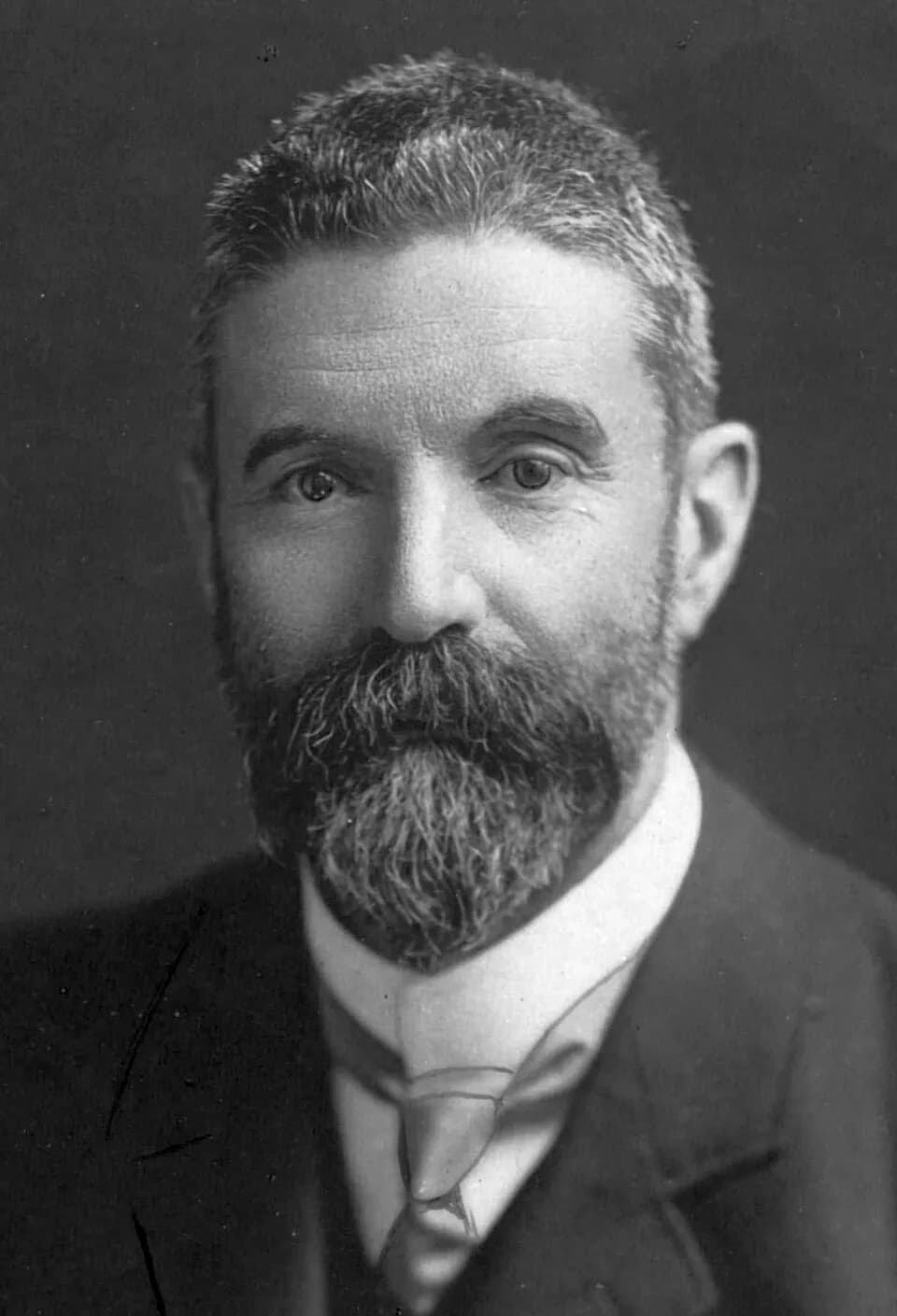
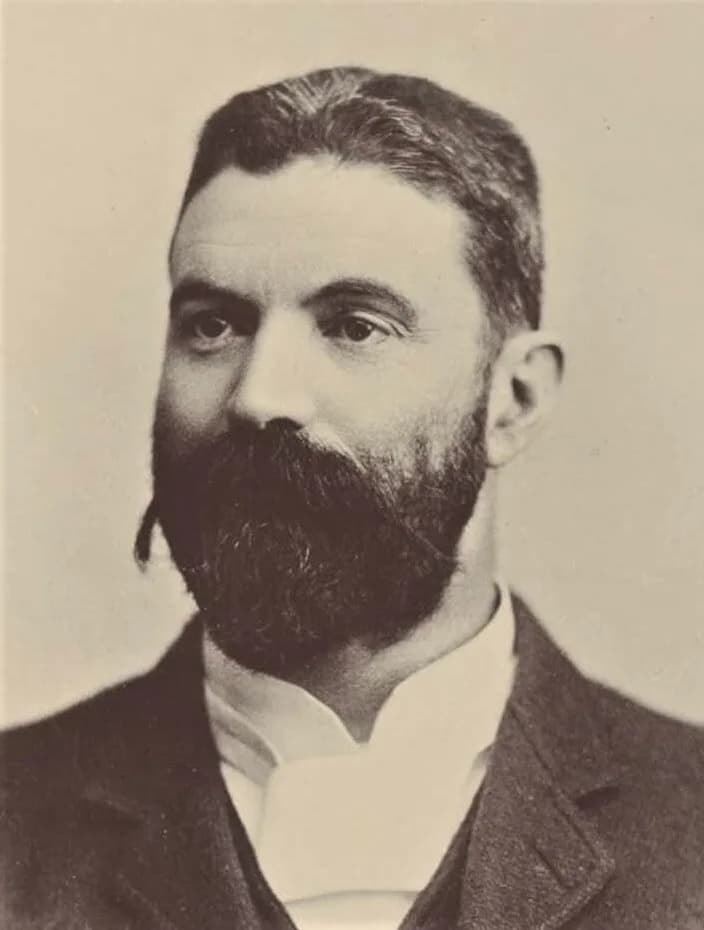
Alfred Deakin (August 3, 1856 – October 7, 1919) was an Australian politician from Melbourne, Australia. He served as Australia's second prime minister across three terms and was a key figure in the Federation of Australia. His influence shaped early Australian politics.
Capítulo
Capítulos de vida
Capítulo 1 · 1856· Capítulo 1 de 7
Early Life and Origins
Alfred Deakin’s journey began in Melbourne, Australia, where he was born on August 3, 1856. While specific details about his family and upbringing are not extensively provided in historical records, his origins in the burgeoning city of Melbourne set the stage for his distinguished career. He would later contribute significantly to the nation that grew from these early colonial settlements.
Capítulo 2· Capítulo 2 de 7
Career Beginnings
Before his prominent political career, Alfred Deakin was known for his diverse professional pursuits, including his work as a poet, journalist, and diplomat. These early vocations likely honed his communication skills and deep understanding of public affairs. This foundation prepared him for the political arena where he would soon make a lasting impact.
Capítulo 3 · 1903· Capítulo 3 de 7
Major Achievements and Career Highlights
Alfred Deakin's political career was marked by significant achievements, most notably his service as the second Prime Minister of Australia across three distinct terms. He held this high office from 1903 to 1904, again from 1905 to 1908, and finally from 1909 to 1910. He led the Protectionist Party during much of his prime ministership and concluded his final term as the leader of the Liberal Party.
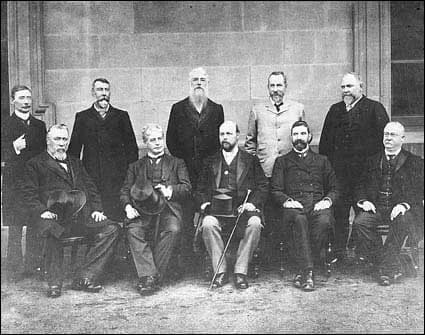
Deakin is celebrated as one of the "fathers of Federation," playing a crucial role in uniting the Australian colonies into a single nation. His deep influence in early Australian politics helped to shape the nascent country's institutional framework and legislative agenda. Through his leadership, Australia developed many of the policies and structures that endure to this day.
Capítulo 4· Capítulo 4 de 7
Personal Life
While Alfred Deakin's public service is well-documented, specific details regarding his personal life, family, and relationships are not extensively outlined in available historical summaries. His commitment to public life and his numerous professional roles as a poet, politician, diplomat, and journalist suggest a life devoted to intellectual and civic engagement. He was an individual whose public contributions are the primary focus of his historical record.
Capítulo 5· Capítulo 5 de 7
Notable Works or Contributions
Beyond his political leadership, Alfred Deakin was a prolific writer, contributing several notable works to public discourse. His published bibliography includes significant titles such as "The federal story," which chronicled the pivotal period of Australia's unification. Other important works include "Temple and tomb in India," "Imperial federation," and "Irrigated India, an Australian view of India and Ceylon."
His writings often reflected his broad interests and commitment to national and imperial affairs, as seen in "And be one people" and "Needs of empire." Deakin also explored contemporary political challenges through works like "The crisis in Victorian politics, 1879-1881" and "Federated Australia." These literary contributions offer insights into the complex issues of his era and his vision for Australia's future.
Capítulo 6 · 1910· Capítulo 6 de 7
Later Years
After his final term as Prime Minister concluded in 1910, Alfred Deakin continued to be a respected voice in Australian public life. He passed away on October 7, 1919, in his birthplace of Melbourne, Australia. His passing marked the end of an era for a nation he had so significantly helped to establish and guide.
Capítulo 7· Capítulo 7 de 7
Legacy and Impact
Alfred Deakin's legacy is immense, primarily cemented by his indispensable role as one of the fathers of Federation. His vision and perseverance were instrumental in the creation of modern Australia, setting legislative and political precedents that shaped its trajectory for decades. His three terms as Prime Minister underscore his enduring leadership and his skill in navigating the complexities of early national governance.
His influence on early Australian politics remains a cornerstone of the nation's historical narrative. Deakin's dedication to public service and his intellectual contributions through his writings continue to inspire reflection on Australia's foundational principles. He is remembered as a statesman who truly helped to define the character of a new nation.
Una vida en momentos
Los momentos que dieron forma a una vida
FAQ
Preguntas frecuentes
¿Cuándo murió Alfred Deakin?
Alfred Deakin murió el 7 de octubre de 1919 en Melbourne, Australia, a la edad de 63 años.
¿Dónde nació Alfred Deakin?
Alfred Deakin nació en Melbourne, Australia el 3 de agosto de 1856.
¿Por qué es más conocido(a) Alfred Deakin?
Alfred Deakin es más conocido(a) por Australian politician.
¿Qué edad tenía Alfred Deakin cuando murió?
Alfred Deakin tenía 63 años en el momento de su muerte.
¿Cuál era la nacionalidad de Alfred Deakin?
Alfred Deakin era de Australia.
Cronología
La vida de un vistazo
Galería fotográfica
Una vida en imágenes
Haz clic en una polaroid para ampliar · 21 fotos
Código QR
Compartir esta biografía
Imprimir y compartir
Escanee para visitar esta página de biografía. Imprima para eventos, exposiciones o materiales educativos.