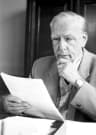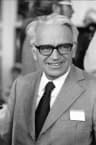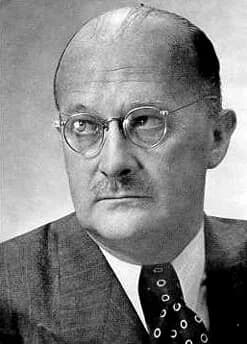
Nacido
December 25, 1876
Berlin, Margraviate of Brandenburg
Fallecido
June 9, 1959
Göttingen, Germany
Conocido por
German chemist
Adolf Windaus (1876–1959) was Margraviate of Brandenburg best known for German chemist.
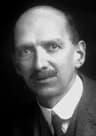
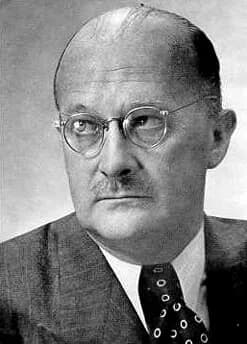
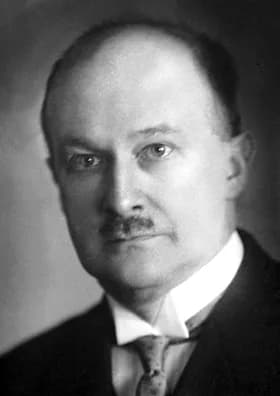
Adolf Otto Reinhold Windaus (December 25, 1876 – June 9, 1959) was a German chemist. He received the 1928 Nobel Prize in Chemistry for his groundbreaking research into sterols and their vital connection with vitamins. His work significantly advanced understanding in biochemistry.
Capítulo
Capítulos de vida
Capítulo 1 · 1876· Capítulo 1 de 8
Early Life and Origins
Adolf Windaus began his life in Berlin, then part of the Margraviate of Brandenburg, on Christmas Day in 1876. Growing up in the intellectual environment of late 19th-century Germany, his path towards scientific inquiry was likely nurtured. While specific details of his family background remain undetailed in public records, his early experiences undoubtedly laid the groundwork for his exceptional career in chemistry.
Capítulo 2· Capítulo 2 de 8
Academic and Career Beginnings
Windaus embarked on a distinguished academic career, establishing himself as both a chemist and a university teacher. His dedication to scientific exploration began early, leading him through rigorous studies that prepared him for a lifetime of research. This foundational period in his education and early career was crucial for developing the expertise he would later apply to complex biochemical problems.
Capítulo 3· Capítulo 3 de 8
Pioneering Research in Sterols and Vitamins
Windaus's most impactful work centered on the constitution of sterols and their crucial connection to vitamins. These organic compounds, found in fats and oils, were subjects of intense study due to their complex structures and physiological importance. His investigations elucidated the chemical nature of these substances, revealing their fundamental roles in biological systems. This research was groundbreaking, offering new perspectives on human health and nutrition.
Capítulo 4 · 1928· Capítulo 4 de 8
Major Achievements and Nobel Recognition
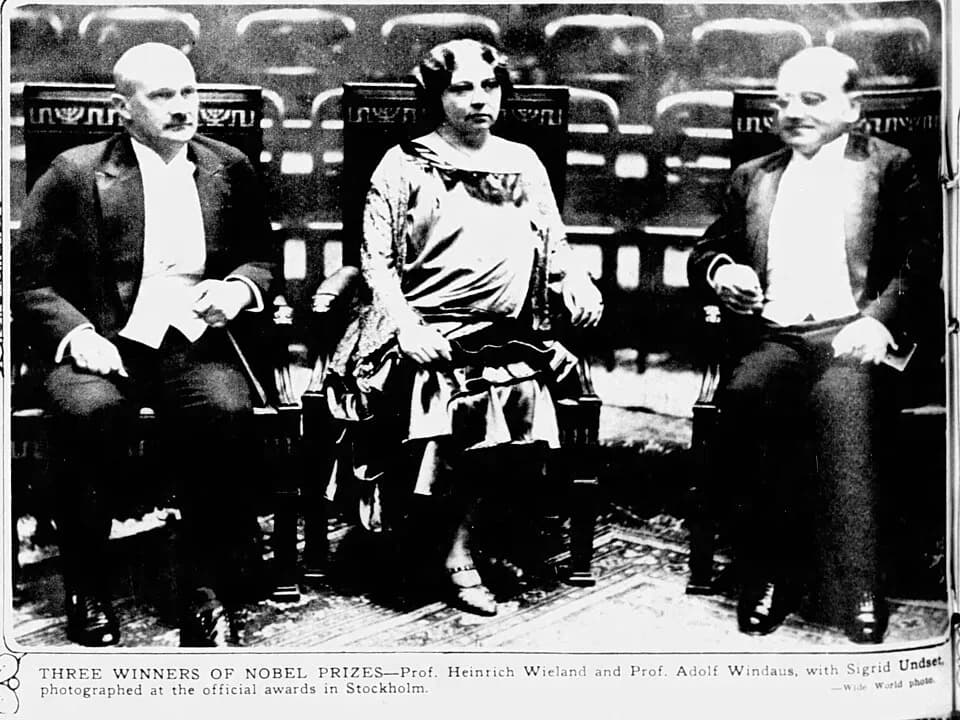
The pinnacle of Windaus's career arrived in 1928 when he was awarded the Nobel Prize in Chemistry. This high honor recognized the invaluable services he rendered through his in-depth research into sterols and their critical link with vitamins. His findings illuminated crucial biochemical pathways, explaining how these compounds influence processes like bone development and overall well-being. This recognition firmly placed him among the leading scientific minds of his era.
Capítulo 5 · 1939· Capítulo 5 de 8
Impact as a Mentor
Beyond his personal discoveries, Windaus exerted significant influence through his role as a mentor. He notably served as the doctoral advisor to Adolf Butenandt, who himself would later receive a Nobel Prize in Chemistry in 1939. This succession of Nobel laureates highlights Windaus's exceptional ability to guide and inspire future generations, creating a lasting intellectual lineage within the scientific community.
Capítulo 6 · 1938· Capítulo 6 de 8
Notable Works and Publications
Throughout his prolific career, Adolf Windaus contributed significantly to scientific literature, evidenced by his h-index of 7 and 27 published papers. His research delved into the intricate structures and functions of various organic molecules. Among his most cited works are "ber Iso-dehydro-cholesterin (?6, ?8-Cholestadien-3-ol)," from 1938, which garnered 25 citations, and "Photo-oxidation of cholesterol." from 1941, with 14 citations. These publications underscore his persistent investigation into cholesterol, sterols, and their biological roles, directly tying into his Nobel-winning research. Further important contributions include "Antirachitic provitamin of wheat germ oil." (1938) and "Sterols as parent substances of hormones, vitamins and other physiologically important compounds." (1935).
Capítulo 7 · 1959· Capítulo 7 de 8
Later Years and Legacy
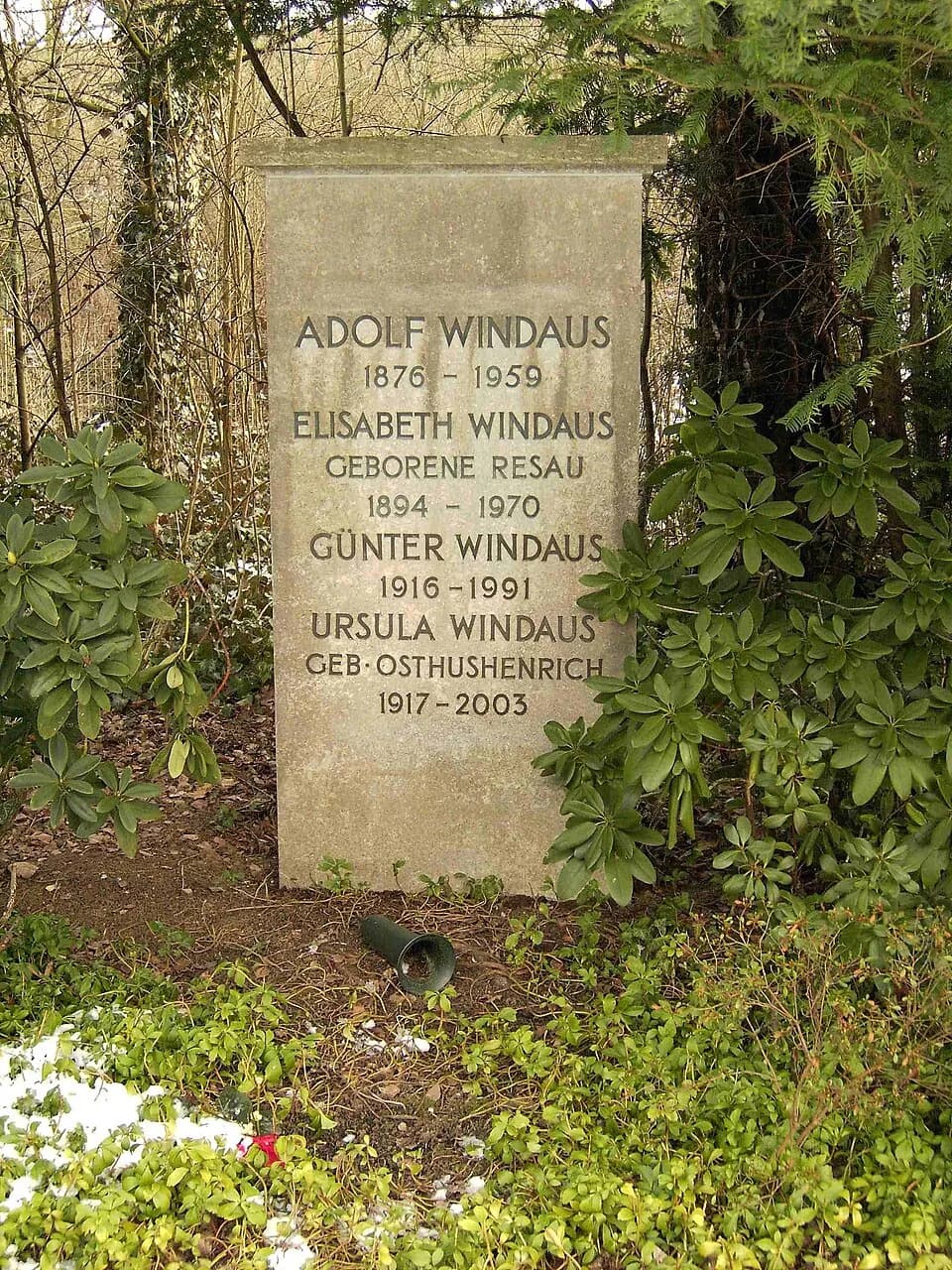
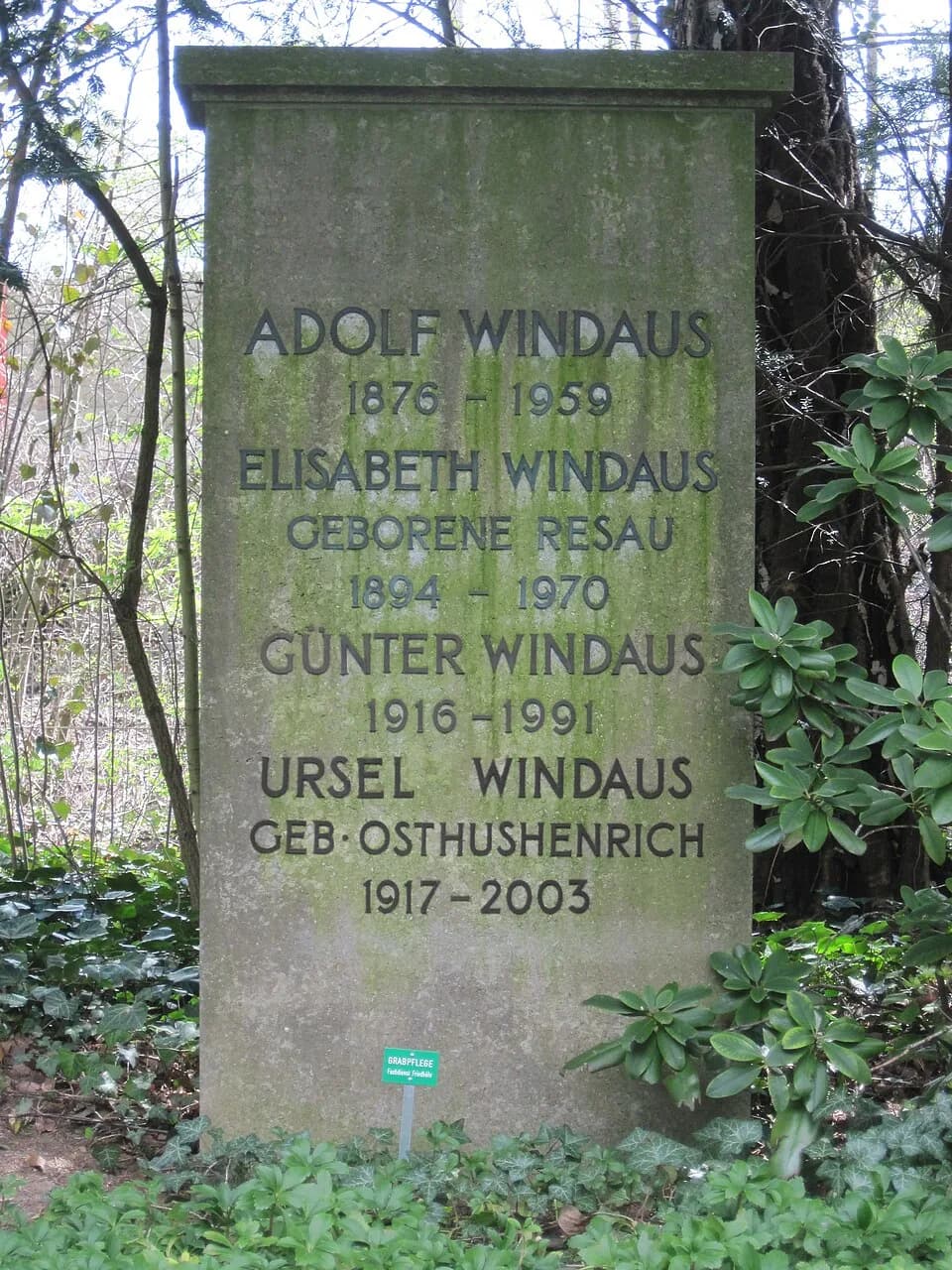
Adolf Windaus continued his distinguished work until his passing on June 9, 1959, in Göttingen, Germany. His life spanned a period of immense scientific progress, to which he was a key contributor, leaving behind a rich body of work. Even in his later years, his scientific insights remained influential, with his foundational discoveries continuing to inform new research.
Capítulo 8· Capítulo 8 de 8
Enduring Impact
Adolf Windaus's legacy is firmly rooted in his foundational discoveries regarding sterols and vitamins, which profoundly impacted biochemistry and medicine. His work provided critical insights into the chemical basis of life, particularly concerning the synthesis and function of vital biological compounds. The recognition of a Nobel Prize, coupled with the subsequent Nobel win by his doctoral student, underscores the lasting intellectual and scientific excellence he fostered. His contributions continue to be referenced and built upon, ensuring his enduring influence on chemical and biological sciences for decades to come.
Una vida en momentos
Los momentos que dieron forma a una vida
FAQ
Preguntas frecuentes
¿Cuándo murió Adolf Windaus?
Adolf Windaus murió el 9 de junio de 1959 en Göttingen, Germany, a la edad de 82 años.
¿Dónde nació Adolf Windaus?
Adolf Windaus nació en Berlin, Margraviate of Brandenburg el 25 de diciembre de 1876.
¿Por qué es más conocido(a) Adolf Windaus?
Adolf Windaus es más conocido(a) por German chemist.
¿Qué edad tenía Adolf Windaus cuando murió?
Adolf Windaus tenía 82 años en el momento de su muerte.
¿Cuál era la nacionalidad de Adolf Windaus?
Adolf Windaus era de Margraviate of Brandenburg.
Cronología
La vida de un vistazo
Galería fotográfica
Una vida en imágenes
Haz clic en una polaroid para ampliar · 25 fotos
Código QR
Compartir esta biografía
Imprimir y compartir
Escanee para visitar esta página de biografía. Imprima para eventos, exposiciones o materiales educativos.