Geboren
September 4, 1927
Boston, United States
Verstorben
October 24, 2011
Stanford, United States
Bekannt für
American computer scientist and cognitive scientist
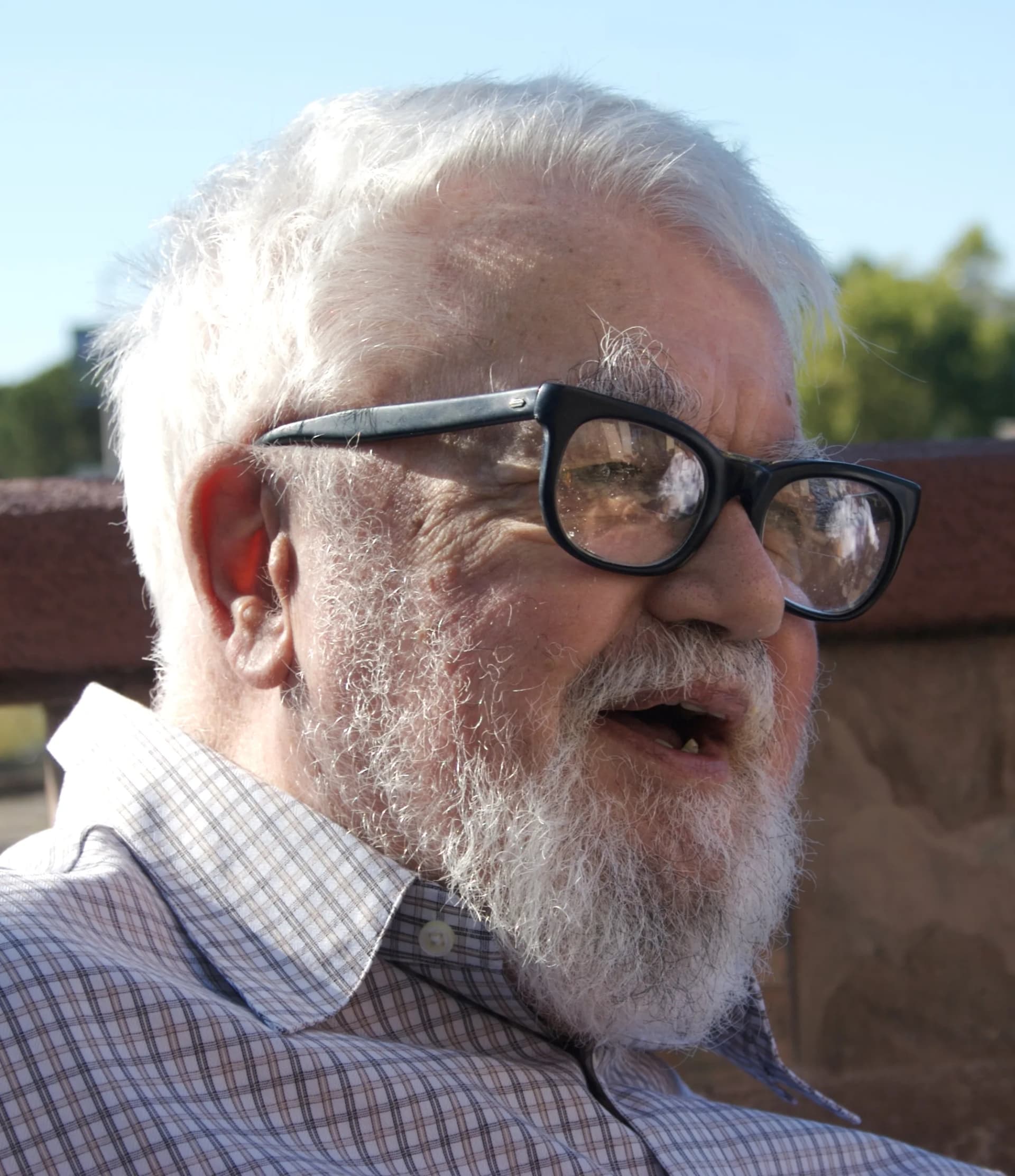
John McCarthy (1927–2011) was United States best known for American computer scientist and cognitive scientist.
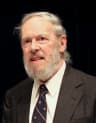
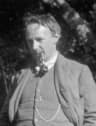
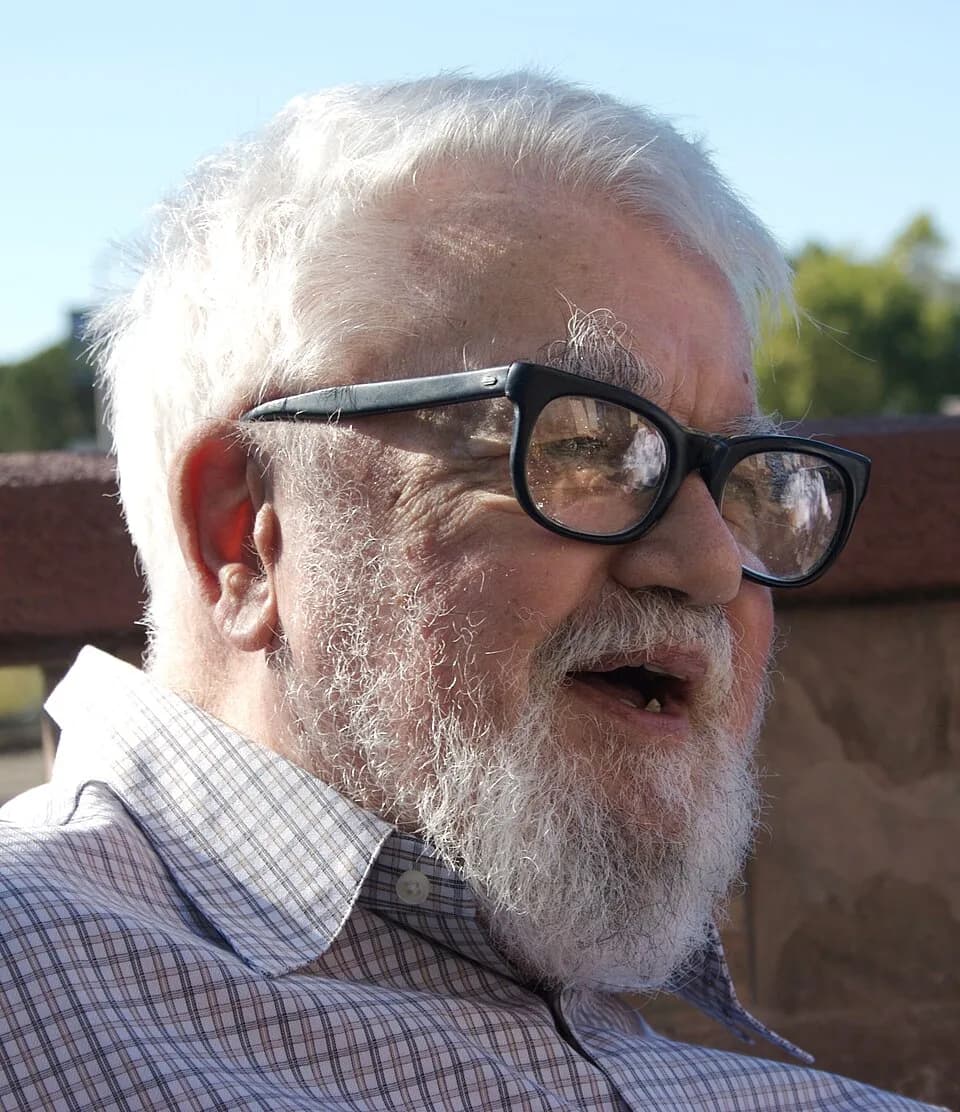
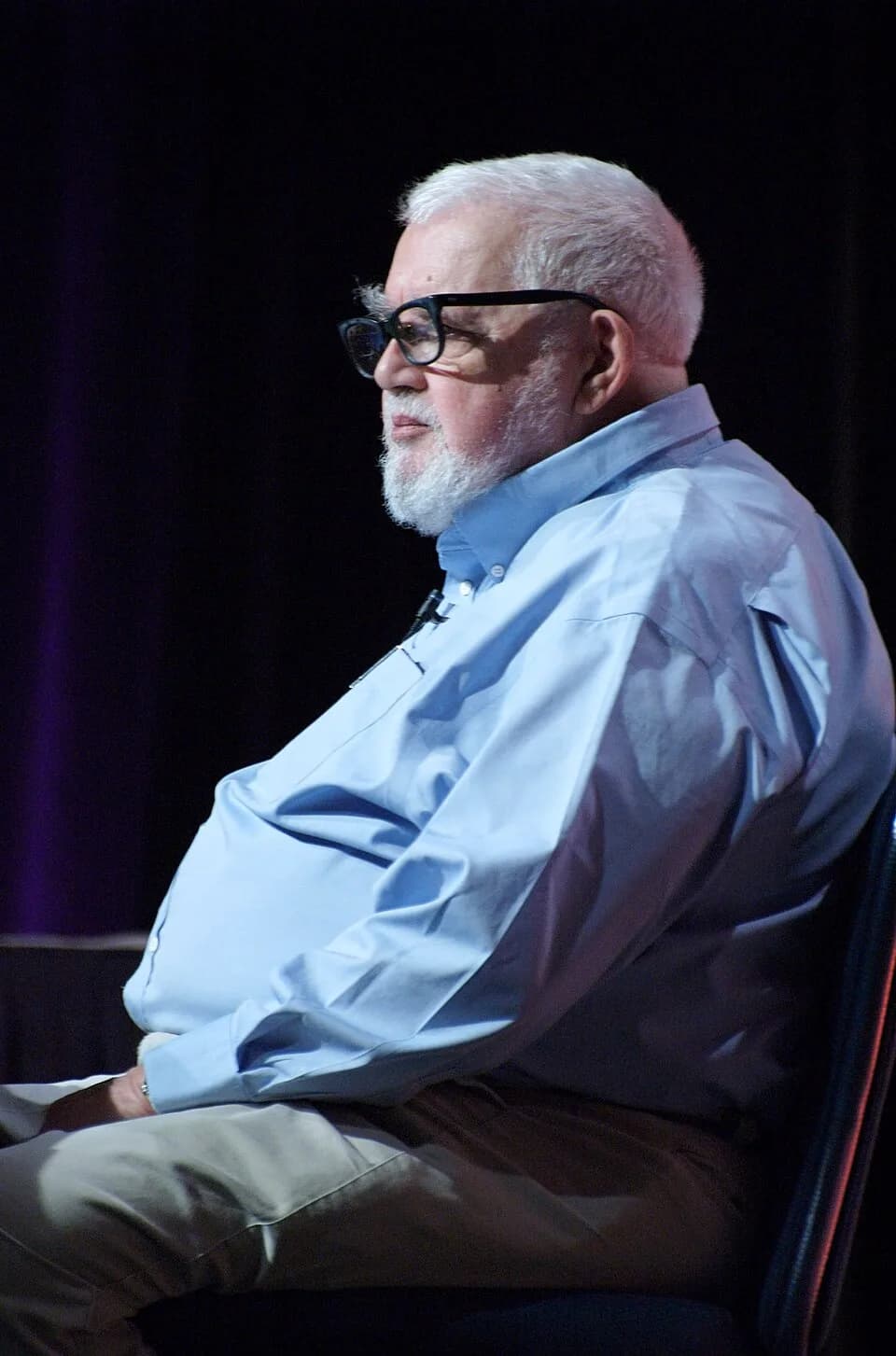
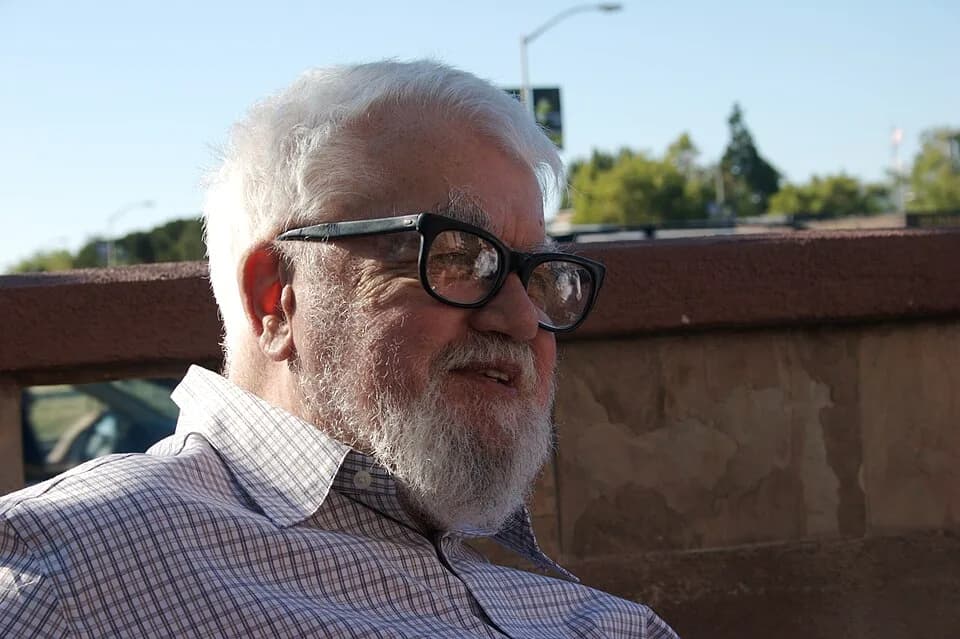
John McCarthy (September 4, 1927 – October 24, 2011) was an American computer scientist and cognitive scientist from Boston, United States. He was a founder of artificial intelligence, coining the term AI and developing the Lisp programming language. His work greatly influenced modern computing.
Kapitel
Lebenskapitel
Kapitel 1 · 1927· Kapitel 1 von 8
Opening Tribute
John McCarthy (September 4, 1927 – October 24, 2011) was an American computer scientist and cognitive scientist whose contributions profoundly shaped the field of artificial intelligence. He was a visionary engineer, mathematician, and university teacher, widely recognized as one of the principal founders of AI. His pioneering work laid much of the groundwork for modern computing and machine intelligence, establishing a legacy that continues to influence technological advancements today.
Kapitel 2 · 1927· Kapitel 2 von 8
Early Life and Origins
John McCarthy was born on September 4, 1927, in Boston, United States. While specific details about his family and early upbringing are not extensively documented in available records, his formative years in Boston undoubtedly fostered the intellectual curiosity that would define his career. This early environment provided the foundation for his exceptional academic pursuits and later scientific breakthroughs.
Kapitel 3· Kapitel 3 von 8
Career Beginnings
McCarthy began his professional journey with a strong background as an engineer, mathematician, and computer scientist. He quickly gravitated towards the nascent and challenging field of artificial intelligence, recognizing its immense potential. In the dynamic decades of the 1950s and 1960s, he emerged as a key figure among a small, dedicated group of researchers exploring the very possibilities of machine intelligence.
Kapitel 4 · 1956· Kapitel 4 von 8
Major Achievements and Career Highlights
One of McCarthy's most significant contributions was his co-authorship of the proposal for the pivotal Dartmouth workshop in 1956. This landmark event famously coined the term "artificial intelligence" (AI), marking the formal birth of AI as a distinct academic discipline. He also spearheaded the development of Lisp, a symbolic programming language family that became fundamental for AI research and remains influential. Additionally, McCarthy exerted considerable influence over the language ALGOL, helping to define its structure and capabilities for wider use. He is credited with popularizing time-sharing, a revolutionary concept that allowed multiple users to access a single computer simultaneously, dramatically increasing efficiency. A crucial invention attributed to him is garbage collection, an automatic memory management technique that optimizes program performance.
Kapitel 5· Kapitel 5 von 8
Personal Life
The available information does not provide specific details regarding John McCarthy's personal life, family, relationships, or particular interests outside of his extensive professional work. His public profile was predominantly focused on his scientific and academic contributions to computer science and artificial intelligence.
Kapitel 6· Kapitel 6 von 8
Notable Works and Contributions
Beyond his leadership in coining the term AI and developing programming languages, McCarthy's creation of garbage collection significantly advanced how computer programs manage memory resources. His influence on ALGOL, alongside his profound work on Lisp, solidified his reputation as an architect of programming paradigms. Throughout his career, he maintained an active academic output, reflected in his h-index of 25 from 105 published papers, all contributing directly to the advancement of AI and computer science.
Kapitel 7 · 2011· Kapitel 7 von 8
Later Years
John McCarthy continued his invaluable work as an artificial intelligence researcher and university teacher throughout his later years, maintaining his commitment to the field. He passed away on October 24, 2011, in Stanford, United States. His unwavering dedication to advancing computer science and AI remained evident through his long and impactful career, leaving an enduring mark on the scientific community.
Kapitel 8· Kapitel 8 von 8
Legacy and Impact
John McCarthy's legacy is immense, having shaped the very definition and future direction of artificial intelligence. His work on the Lisp programming language continues to be influential in various computing domains. The term "artificial intelligence" itself is a direct result of his seminal efforts at the Dartmouth workshop, a testament to his foresight. He effectively steered the early development of AI, setting a crucial course that continues to guide researchers and developers today. His foundational ideas, from the concept of time-sharing to the practical implementation of garbage collection, have become integral components of modern computing infrastructure. He is remembered as a visionary who perceived the transformative potential of intelligent machines long before many others, laying much of the groundwork for the digital world we inhabit.
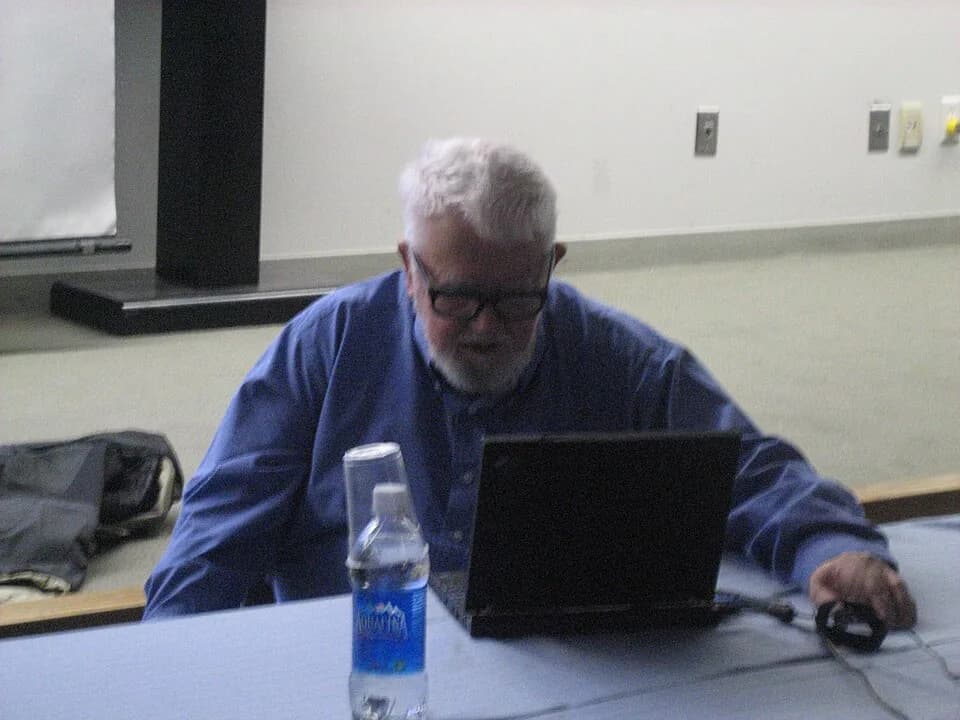
Ein Leben in Momenten
Die Momente, die ein Leben prägten
FAQ
Häufig gefragt
Wann starb John McCarthy?
John McCarthy starb am 24. Oktober 2011 in Stanford, United States im Alter von 84 Jahren.
Wo wurde John McCarthy geboren?
John McCarthy wurde in Boston, United States am 4. September 1927 geboren.
Wofür ist John McCarthy am bekanntesten?
John McCarthy ist am bekanntesten für American computer scientist and cognitive scientist.
Wie alt war John McCarthy beim Tod?
John McCarthy war zum Zeitpunkt des Todes 84 Jahre alt.
Welche Nationalität hatte John McCarthy?
John McCarthy stammte aus United States.
Zeitlinie
Leben im Überblick
Fotogalerie
Ein Leben in Bildern
Klicken Sie ein Polaroid an, um es zu vergrößern · 24 Fotos
QR-Code
Diese Biografie teilen
Drucken & Teilen
Scannen Sie, um diese Biografieseite zu besuchen. Drucken Sie sie für Veranstaltungen, Ausstellungen oder Lehrmaterialien.