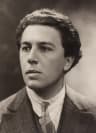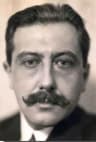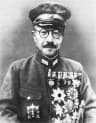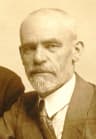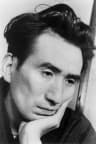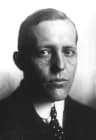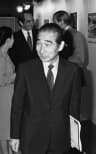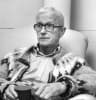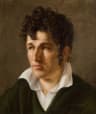
Geboren
September 4, 1896
Marseille, France
Verstorben
March 4, 1948
Paris, France
Bekannt für
French-Occitanian poet, playwright, actor and theatre director
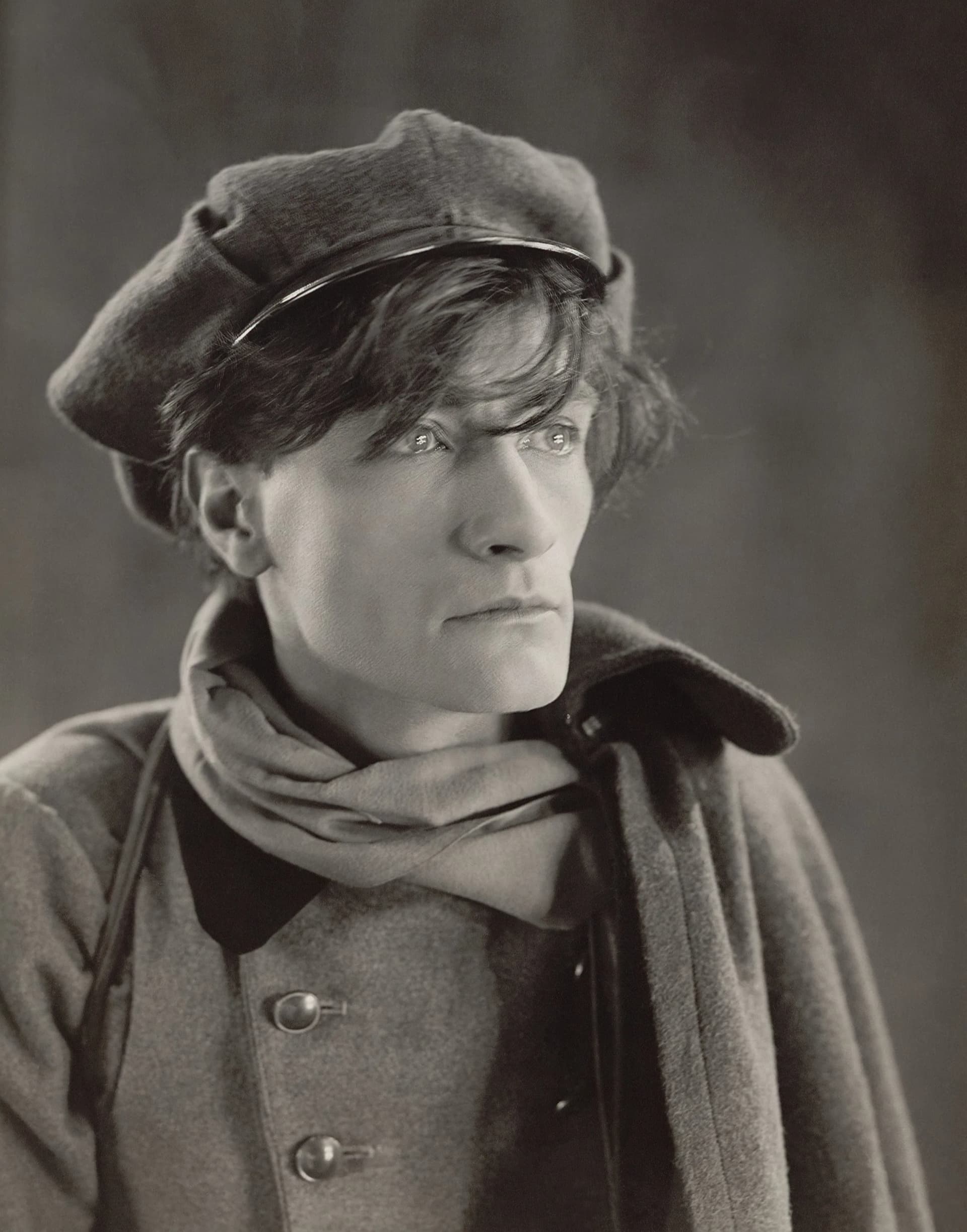
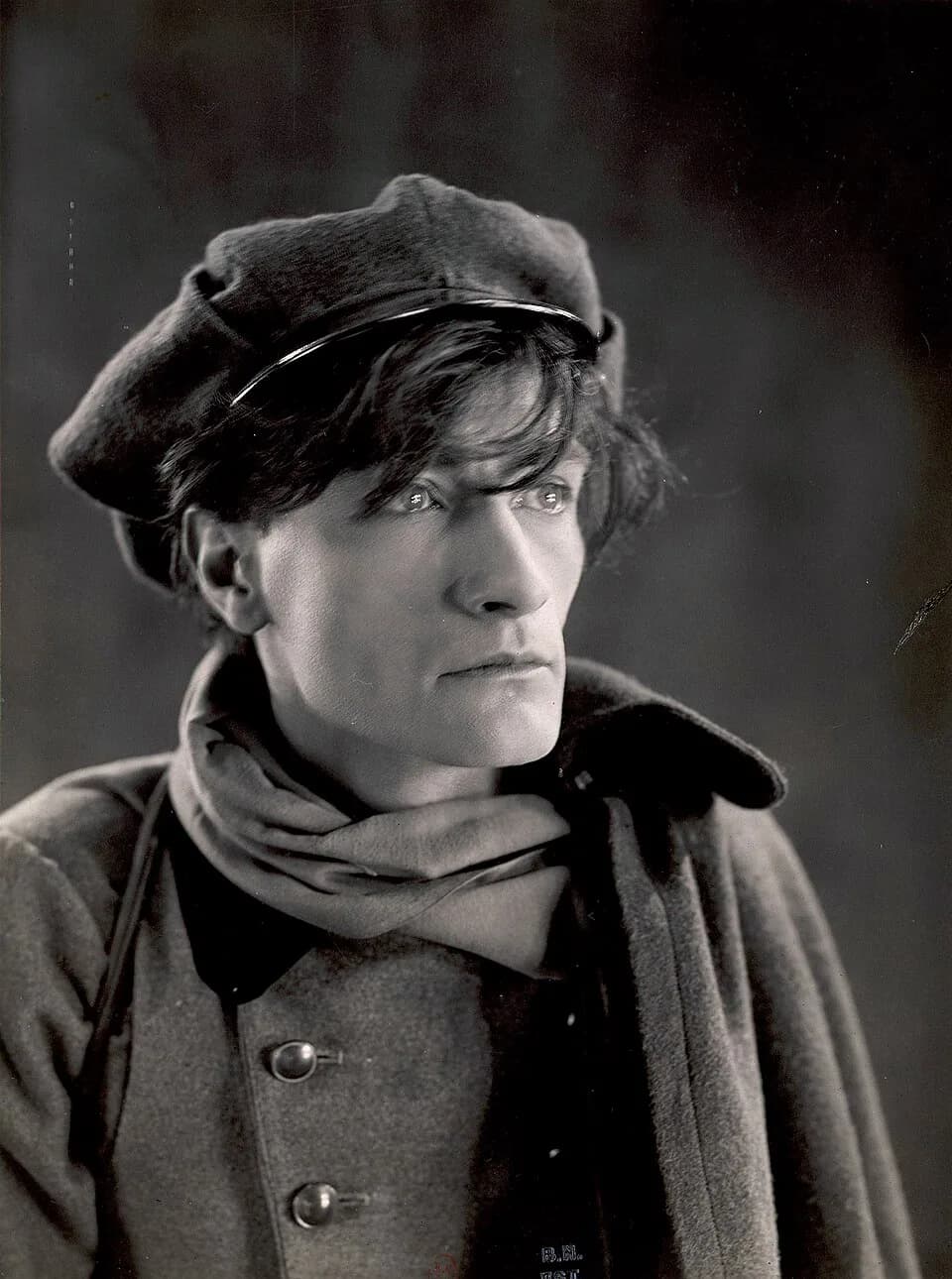
Antonin Artaud (1896–1948) was France best known for French-Occitanian poet, playwright, actor and theatre director.
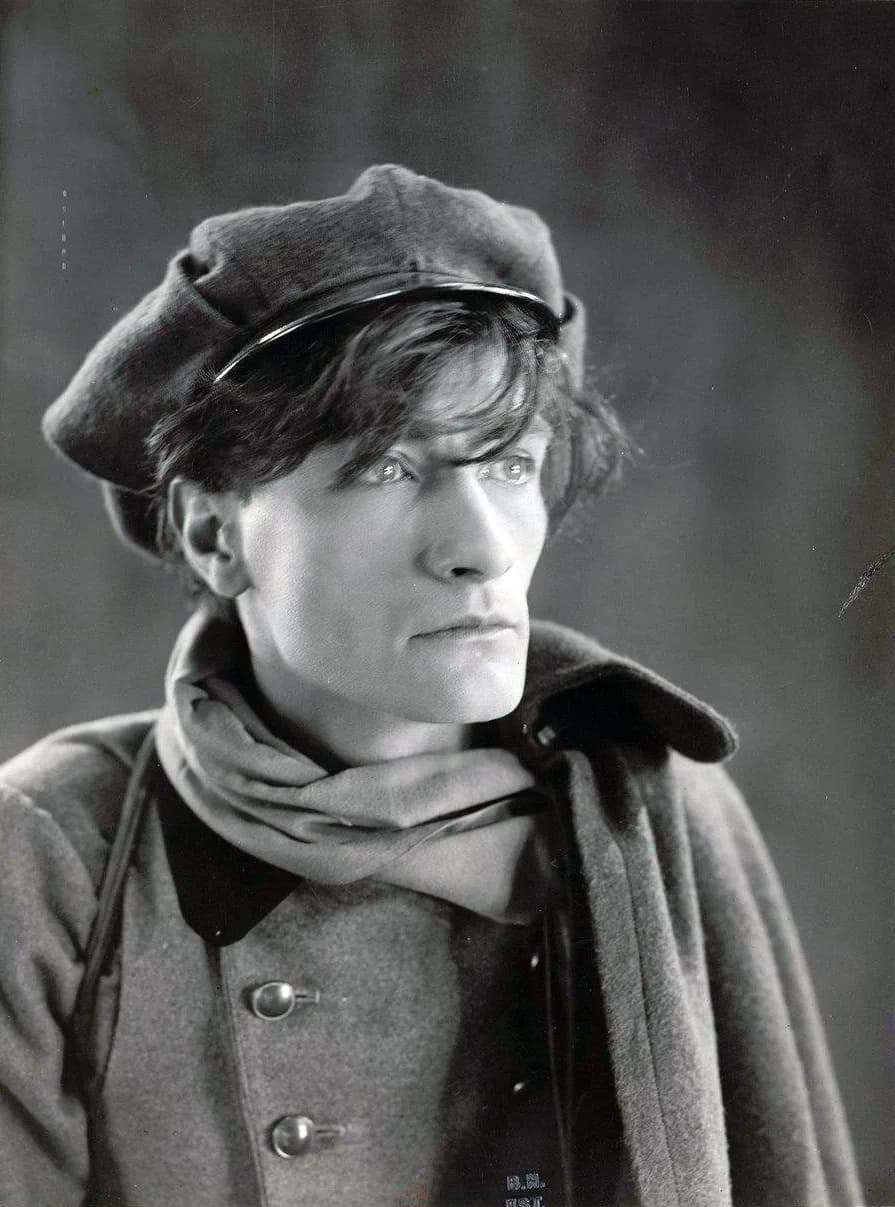
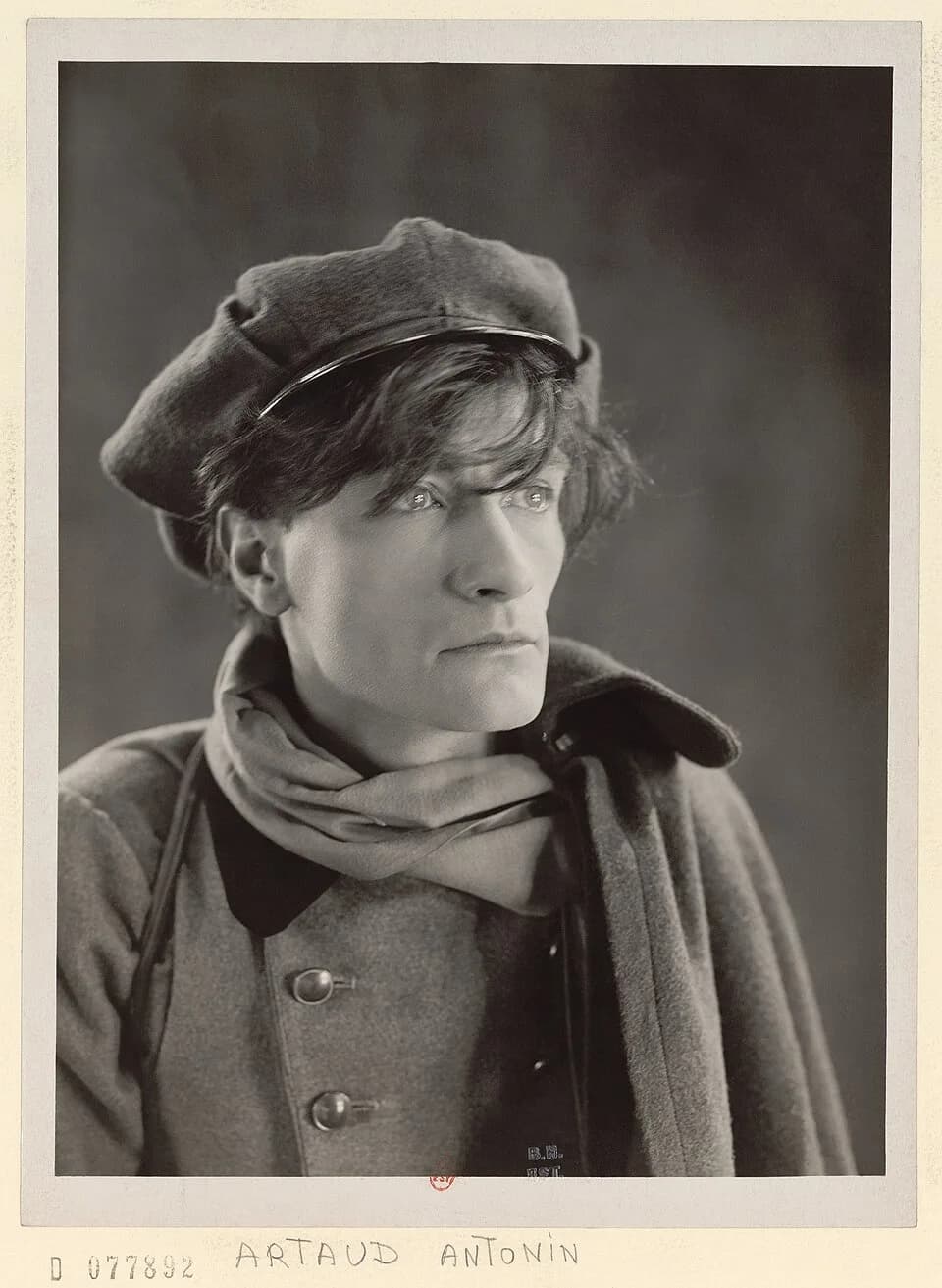
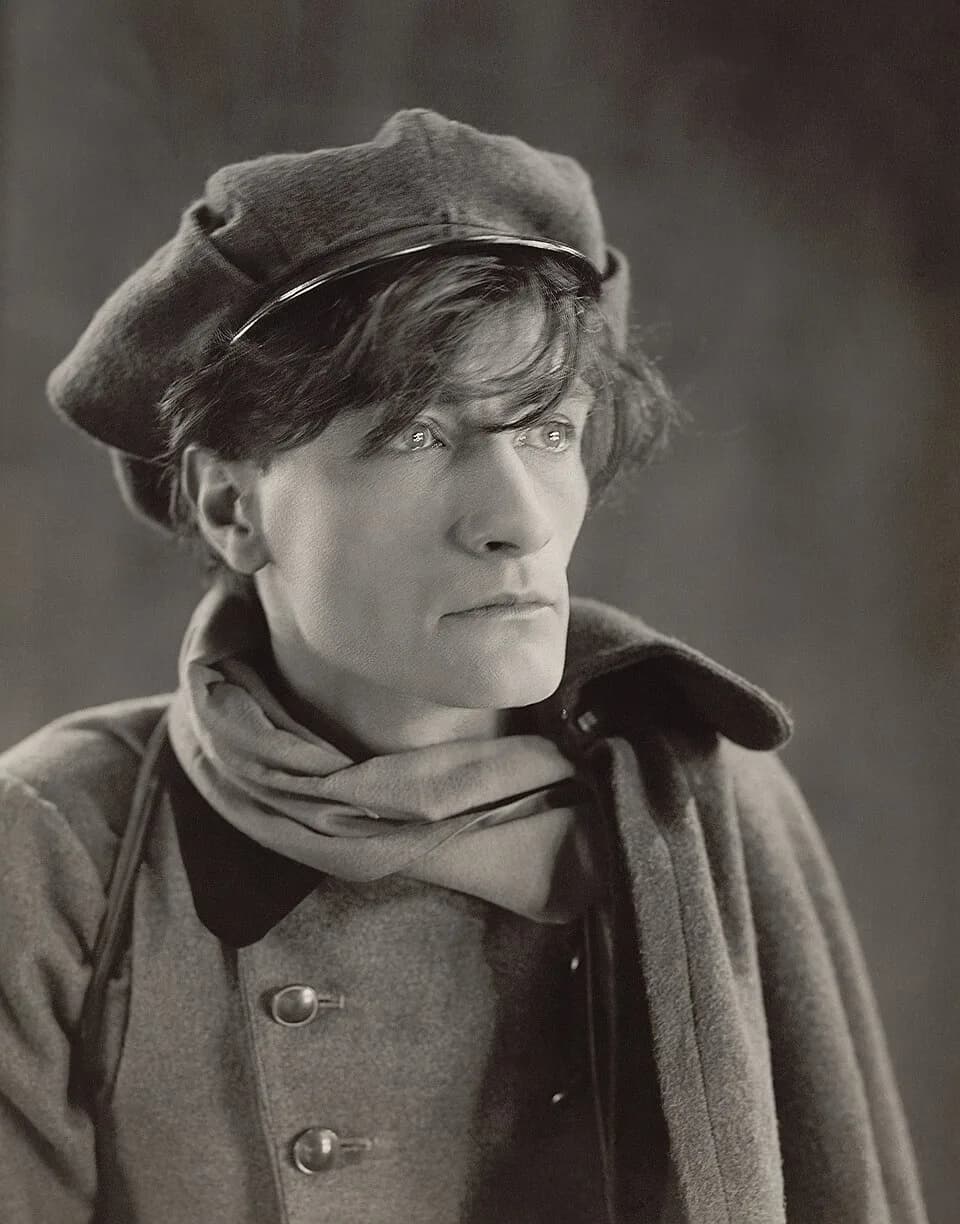
Antonin Artaud (September 4, 1896 – March 4, 1948) was a French-Occitanian poet, playwright, actor, and theatre director. He was a major figure of the European avant-garde, best known for his conceptualization of the Theatre of Cruelty. His raw, surreal work deeply influenced 20th-century theatre.
Kapitel
Lebenskapitel
Kapitel 1 · 1896· Kapitel 1 von 8
Opening
Antonin Artaud (September 4, 1896 – March 4, 1948) was a French-Occitanian poet, playwright, actor, and theatre director whose radical ideas profoundly influenced twentieth-century art. He emerged as a major figure of the European avant-garde, known for challenging conventional artistic boundaries. His work, characterized by its raw and surreal qualities, continues to inspire artists and thinkers across various media.
Kapitel 2 · 1896· Kapitel 2 von 8
Early Life and Origins
Antonin Artaud was born Antoine Maria Joseph Paul Artaud on September 4, 1896, in Marseille, France. This vibrant port city served as his birthplace, providing the backdrop for his formative years. He later relocated to Paris, France, which would become both a center for his artistic endeavors and the place of his passing.
Kapitel 3 · 1931· Kapitel 3 von 8
Career Beginnings
Artaud embarked on a diverse professional path early in his career, embracing roles as a screenwriter, actor, writer, and poet. He also gained experience as a stage actor and film actor, contributing to works like "Faubourg Montmartre" in 1931 and "Mater dolorosa" in 1932. These early engagements across different artistic fields laid the foundation for his later, more revolutionary contributions to theatre and cinema.
Kapitel 4· Kapitel 4 von 8
Major Achievements and Career Highlights
Antonin Artaud is widely celebrated for his groundbreaking conceptualization of the Theatre of Cruelty, a theoretical framework that dramatically reshaped modern theatrical practice. This vision sought to confront audiences with intense, visceral experiences, drawing from primitive and mythical expressions. He was recognized as a major figure of the European avant-garde, pushing artistic boundaries through his surreal and transgressive work.
His influence extended deeply into twentieth-century theatre, encouraging a departure from traditional narrative forms towards a more symbolic and ritualistic approach. Artaud’s raw artistic expression consistently explored challenging themes, leaving an undeniable mark on performance art and drama. He also worked as a film director, director, film critic, essayist, and performance artist, demonstrating his versatile artistic talents.
Kapitel 5· Kapitel 5 von 8
Personal Life
While the provided information does not detail Antonin Artaud's personal family life or relationships, his artistic output often stemmed from deep introspection and philosophical inquiry. His texts frequently explored profound themes rooted in his unique perspective. Artaud's interests clearly included ancient cultures, philosophy, the occult, mysticism, and indigenous Mexican and Balinese practices, which significantly informed his creative output.
Kapitel 6· Kapitel 6 von 8
Notable Works or Contributions
Antonin Artaud's bibliography includes significant literary works such as "Ce que l'Oiseau Noir m'a Raconte," "Le pèse-nerfs suivi des Fragments d'un journal d'enfer," and "Pour en finir avec le jugement de Dieu." He also authored "Le théâtre de Séraphin," "Tric trac du ciel," and "Vie et mort de Satan le feu." These writings delve into the complex themes that fascinated him, ranging from cosmologies to the mystical.
Beyond his written texts, Artaud also contributed to visual art, with notable pieces like "The Theater and the Gods (Le Théatre et les Dieux)" from 1966 and "Poésie de mots inconnus" from 1949. His acting career included roles in films such as "Liliom" (1934), "Koenigsmark" (1935), and "The Road to Glory" (1936). He also appeared in "Lucrezia Borgia" (1935) and "Wooden Crosses" (1954).
Kapitel 7 · 1948· Kapitel 7 von 8
Later Years
Antonin Artaud continued to evolve his artistic vision into his later years, solidifying his status as a singular voice in French and European art. He passed away in Paris, France, on March 4, 1948, at the age of 51. His passing marked the end of a life dedicated to pushing the boundaries of artistic expression and challenging conventional thought.
Kapitel 8· Kapitel 8 von 8
Legacy and Impact
Antonin Artaud's enduring legacy is primarily defined by his profound influence on twentieth-century theatre through the Theatre of Cruelty. His theories encouraged generations of artists to explore performance as a visceral, ritualistic, and confrontational experience, moving beyond mere representation. His radical ideas continue to resonate in contemporary experimental theatre, performance art, and philosophy.
His writings, which explored complex themes from ancient cosmologies to the occult, cement his place as a seminal figure in the European avant-garde. Artaud's work, known for its surreal and transgressive qualities, continues to inspire new interpretations and artistic movements. He remains an essential reference for anyone studying the evolution of modern and postmodern performance.
Ein Leben in Momenten
Die Momente, die ein Leben prägten
FAQ
Häufig gefragt
Wann starb Antonin Artaud?
Antonin Artaud starb am 4. März 1948 in Paris, France im Alter von 51 Jahren.
Wo wurde Antonin Artaud geboren?
Antonin Artaud wurde in Marseille, France am 4. September 1896 geboren.
Wofür ist Antonin Artaud am bekanntesten?
Antonin Artaud ist am bekanntesten für French-Occitanian poet, playwright, actor and theatre director.
Wie alt war Antonin Artaud beim Tod?
Antonin Artaud war zum Zeitpunkt des Todes 51 Jahre alt.
Welche Nationalität hatte Antonin Artaud?
Antonin Artaud stammte aus France.
Zeitlinie
Leben im Überblick
- 1896
Opening
- 1896
Early Life and Origins
- 1931
Career Beginnings
- 1948
Later Years
Fotogalerie
Ein Leben in Bildern
Klicken Sie ein Polaroid an, um es zu vergrößern · 37 Fotos
QR-Code
Diese Biografie teilen
Drucken & Teilen
Scannen Sie, um diese Biografieseite zu besuchen. Drucken Sie sie für Veranstaltungen, Ausstellungen oder Lehrmaterialien.