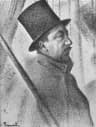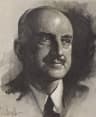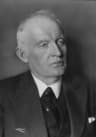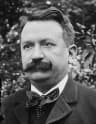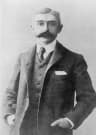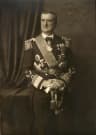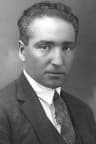
Geboren
April 3, 1863
Antwerp, Belgium
Verstorben
October 25, 1957
Zurich, Switzerland
Bekannt für
Belgian painter, architect and interior designer
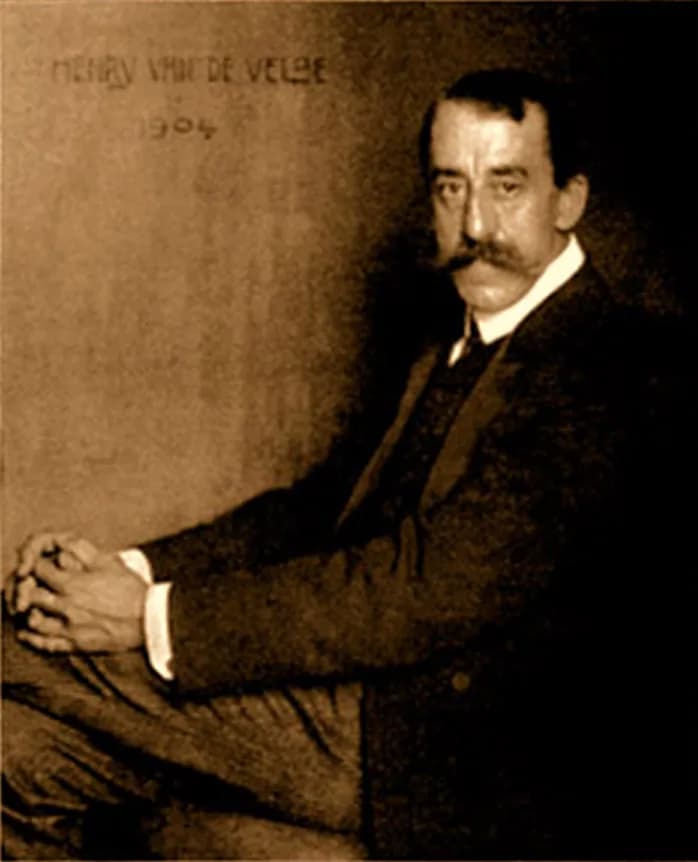
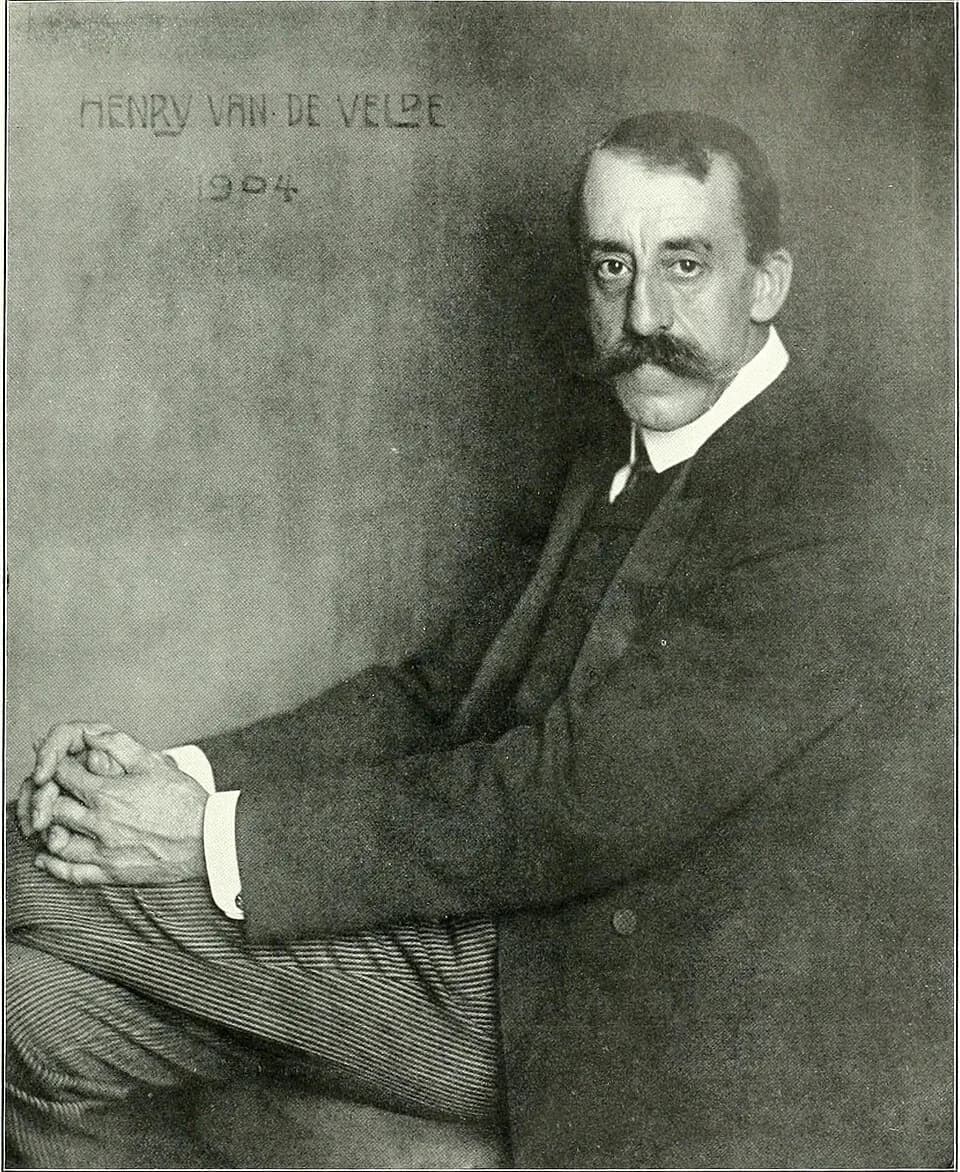
Henry van de Velde (1863–1957) was Belgium best known for Belgian painter, architect and interior designer.
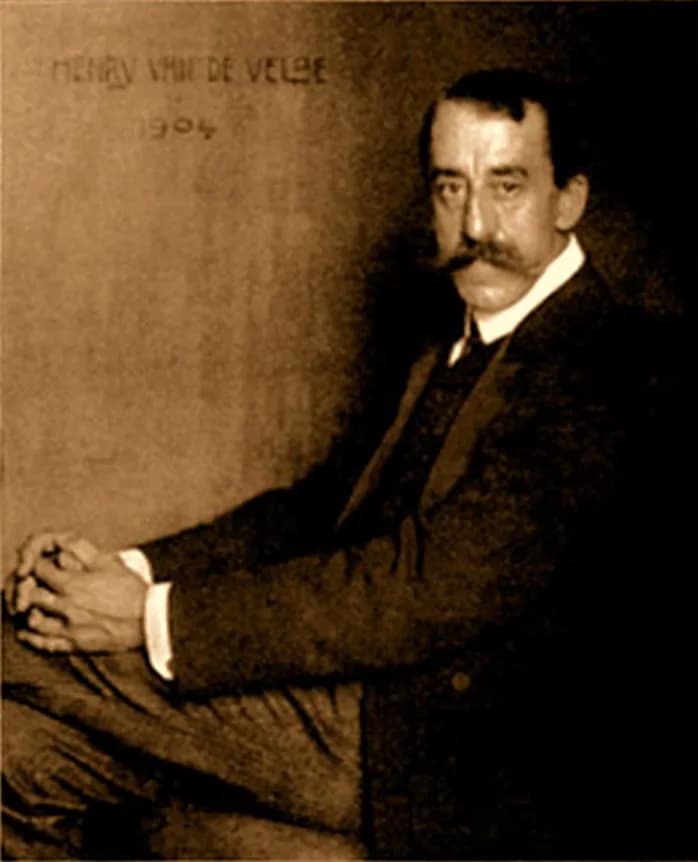
Henry van de Velde (April 3, 1863 – October 25, 1957) was a Belgian painter, architect, and interior designer. He was a co-founder of Art Nouveau in Belgium and a major figure in German Jugendstil. His diverse work profoundly influenced early 20th-century architecture and design.
Kapitel
Lebenskapitel
Kapitel 1 · 1863· Kapitel 1 von 7
Introduction to a Master of Modern Design
Henry van de Velde (April 3, 1863 – October 25, 1957) was a distinguished Belgian painter, architect, and interior designer whose multifaceted career left an enduring mark on European modernism. He is recognized as a co-founder of Art Nouveau in Belgium and a central figure in the German Jugendstil movement. Van de Velde's visionary approach to art and design spanned decades, influencing generations of artists and architects.
Kapitel 2 · 1863· Kapitel 2 von 7
Early Life and Origins
Born on April 3, 1863, in Antwerp, Belgium, Henry van de Velde's formative years were spent in a vibrant cultural landscape. His early artistic inclinations led him to begin his professional journey as a painter. This foundational experience in fine art would later inform his comprehensive approach to design, blending aesthetic principles with functional considerations across various mediums.
While specific details of his upbringing are not extensively documented in the provided information, his birthplace in Antwerp suggests an environment rich in artistic tradition. This early exposure to the arts undoubtedly contributed to his development into a polymath who would seamlessly transition between painting, architecture, and design disciplines throughout his life.
Kapitel 3· Kapitel 3 von 7
Career Beginnings
Van de Velde's career began with painting, but his artistic vision soon expanded beyond the canvas. He transitioned into the burgeoning fields of architecture and interior design, driven by a desire for a more unified artistic expression. This shift coincided with the rise of the Art Nouveau movement in Europe, a period of significant innovation in design.
A crucial early collaboration saw him working in Paris with Siegfried Bing, who established the first gallery dedicated to Art Nouveau in the city. This experience placed Van de Velde at the heart of the movement's international development, allowing him to contribute directly to its defining aesthetic and theoretical underpinnings alongside contemporaries like Victor Horta and Paul Hankar, with whom he is considered a co-founder of Art Nouveau in Belgium.
Kapitel 4· Kapitel 4 von 7
Major Achievements and Career Highlights
Henry van de Velde became a pivotal figure in the German Jugendstil movement, where he spent a significant part of his career. His work in Germany had a decisive influence on the direction of German architecture and design at the beginning of the 20th century. He championed a holistic approach to design, advocating for harmony between form and function in everything from buildings to everyday objects.
His extensive list of professions underscores the breadth of his talents and contributions: writer, engineer, architect, painter, typographer, university teacher, interior designer, jewelry designer, designer, furniture designer, draftsperson, watercolorist, glass painter, and decorative artist. This diverse expertise allowed him to shape not just individual works but also the very philosophy of modern design and art education.
Kapitel 5 · 1903· Kapitel 5 von 7
Notable Works or Contributions
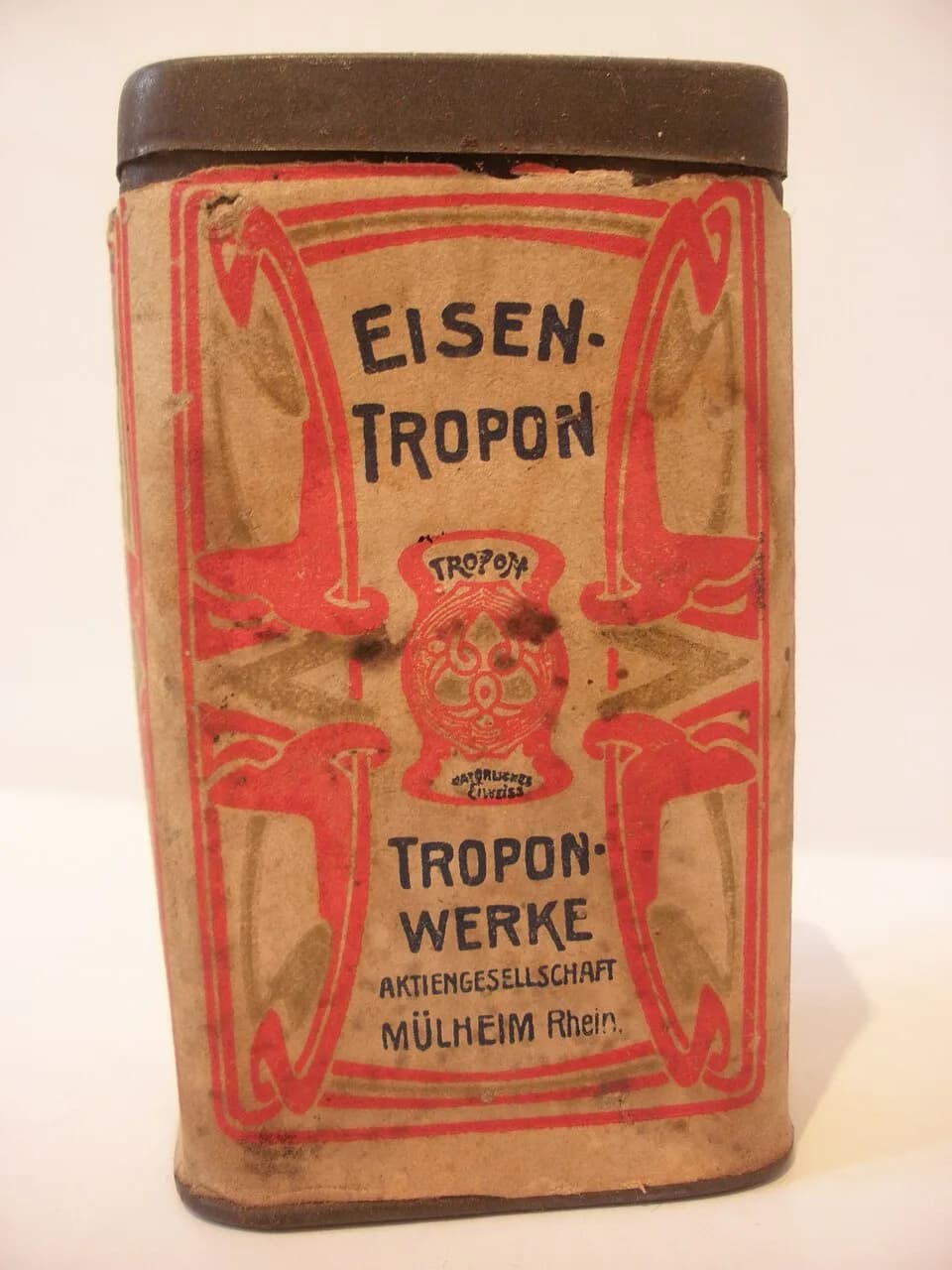
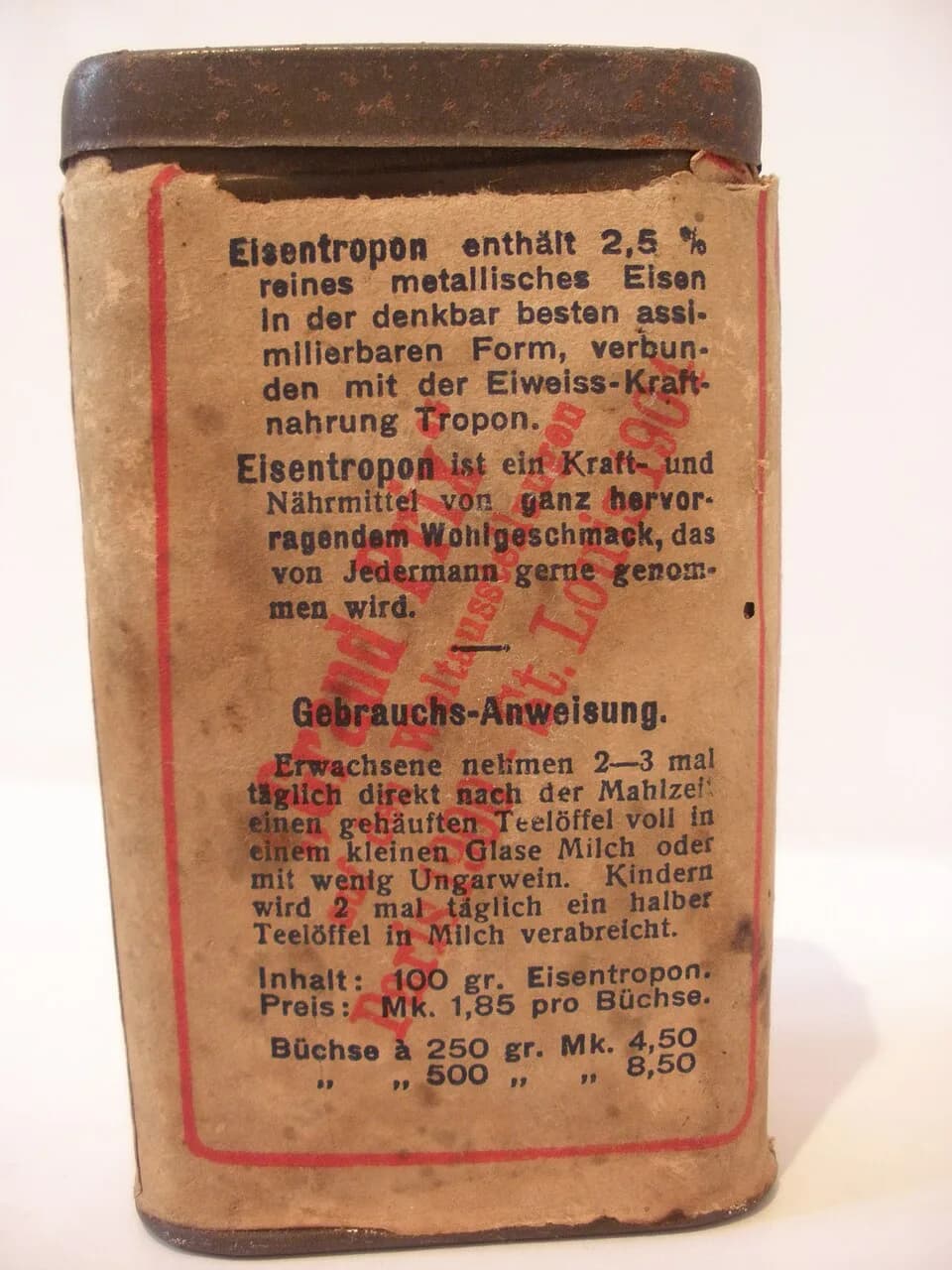
Van de Velde's creative output spanned various disciplines, showcasing his commitment to integrated design. Among his notable artworks are functional objects that exemplify the Art Nouveau aesthetic: a Side chair (1903), a Salt cellar (circa 1902), a Jardinière (circa 1902), and a Vase (1902), all held at the Met Museum. Other significant pieces include a Samovar (1897/1907), a Tropon poster (circa 1896), and a Plate (1904/05), all collected by the Art Institute of Chicago.
His intellectual contributions were equally substantial, captured in numerous publications. Key titles from his bibliography include "Os fundamentos do estilo moderno," "Plan begane grond Rijksmuseum Kröller-Müller 1:200," and "Formules de la beauté architectonique moderne." These writings provided theoretical frameworks for his practical work, articulating his principles for modern style and architectural beauty.
Academically, Van de Velde's influence is evident in works like "Récit de ma vie" (published posthumously in 1992), "Déblaiement d'art" (1979), and "Les formules de la beauté architectonique moderne" (1978). These texts, despite their later publication dates, represent his thoughts and experiences, contributing to design theory and history. His academic engagement solidifies his status as both a practitioner and a theoretician.
Kapitel 6 · 1957· Kapitel 6 von 7
Later Years
Henry van de Velde continued to contribute to the discourse of art and design well into his later years. His extensive career culminated in a rich body of work that influenced countless designers and architects. He passed away on October 25, 1957, in Zurich, Switzerland, at the age of 94, leaving behind a profound artistic and intellectual legacy.
His long life allowed him to witness the evolution of modern art and design from its Art Nouveau beginnings through various subsequent movements. Van de Velde remained a steadfast advocate for the integration of art into all aspects of life, a philosophy that continued to resonate decades after his most active period.
Kapitel 7· Kapitel 7 von 7
Legacy and Impact
Henry van de Velde's legacy is defined by his pioneering role in the Art Nouveau movement and his decisive influence on German Jugendstil. He was instrumental in steering European design towards modernism, emphasizing clarity of form, functionality, and the integration of arts and crafts. His vision helped shape the aesthetic principles that would guide the next generation of designers and educators.
His impact extended beyond specific designs to the very methodology of art education and professional practice. As a university teacher and a designer operating across many different creative fields, Van de Velde fostered an environment where art was not separate from life but integral to it. His comprehensive approach to design continues to inspire architects and artists worldwide, cementing his place as a foundational figure in modern design history.
Ein Leben in Momenten
Die Momente, die ein Leben prägten
![Henry van de Velde - Henry Van de Velde in seinem Atelier in Weimar. Fotografie von Louis Held, 1910.[1]](/_next/image?url=https%3A%2F%2Fcdn.whowasthisguy.com%2Fgallery_wikimedia_commons_1784280910471_5_93fa638b8f.webp&w=1920&q=75)
FAQ
Häufig gefragt
Wann starb Henry van de Velde?
Henry van de Velde starb am 25. Oktober 1957 in Zurich, Switzerland im Alter von 94 Jahren.
Wo wurde Henry van de Velde geboren?
Henry van de Velde wurde in Antwerp, Belgium am 3. April 1863 geboren.
Wofür ist Henry van de Velde am bekanntesten?
Henry van de Velde ist am bekanntesten für Belgian painter, architect and interior designer.
Wie alt war Henry van de Velde beim Tod?
Henry van de Velde war zum Zeitpunkt des Todes 94 Jahre alt.
Welche Nationalität hatte Henry van de Velde?
Henry van de Velde stammte aus Belgium.
Zeitlinie
Leben im Überblick
Fotogalerie
Ein Leben in Bildern
Klicken Sie ein Polaroid an, um es zu vergrößern · 23 Fotos
QR-Code
Diese Biografie teilen
Drucken & Teilen
Scannen Sie, um diese Biografieseite zu besuchen. Drucken Sie sie für Veranstaltungen, Ausstellungen oder Lehrmaterialien.