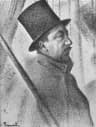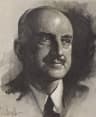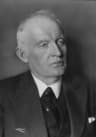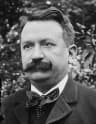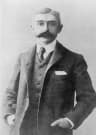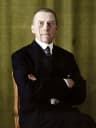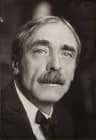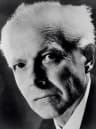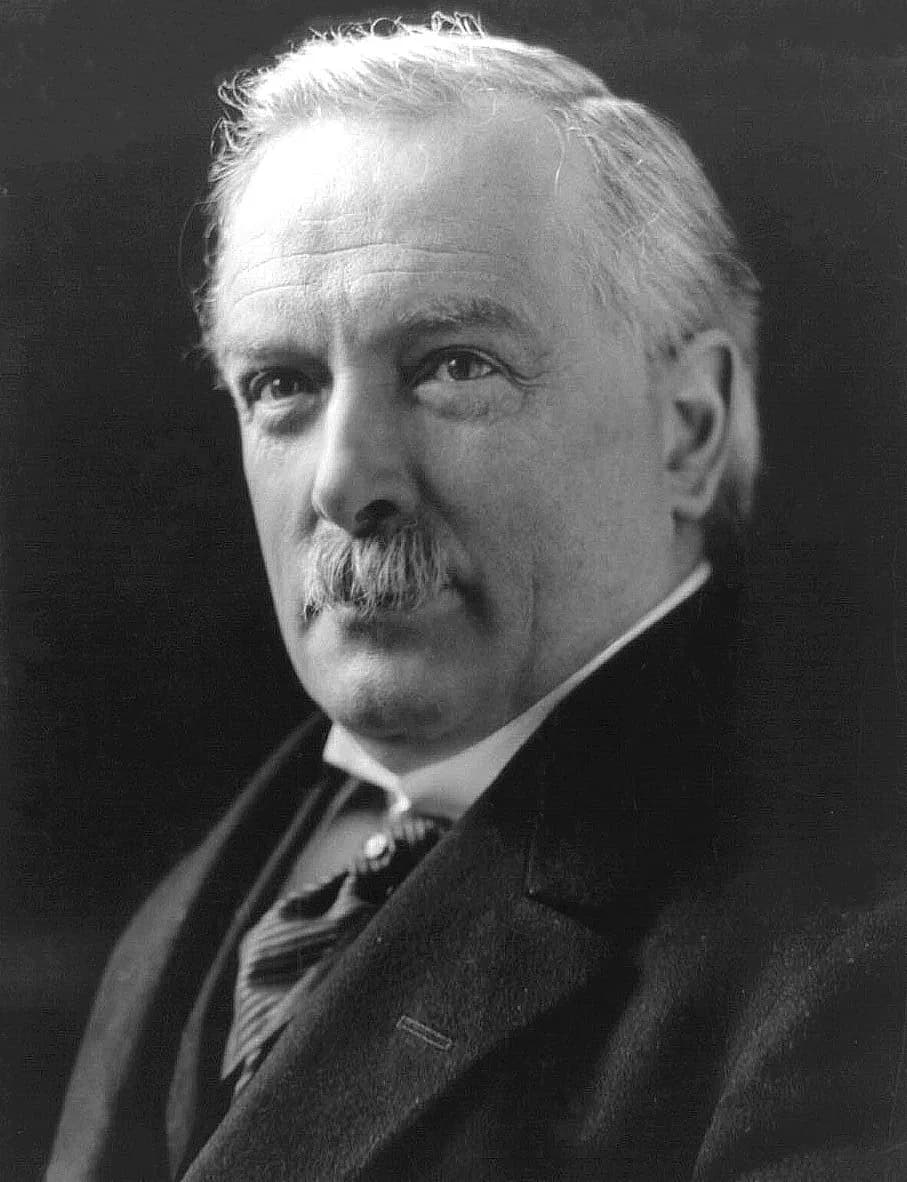
Geboren
January 17, 1863
Manchester, United Kingdom
Verstorben
March 26, 1945
Llanystumdwy, United Kingdom
Bekannt für
Prime Minister of the United Kingdom from 1916 to 1922
David Lloyd George (1863–1945) was United Kingdom best known for Prime Minister of the United Kingdom from 1916 to 1922.
David Lloyd George (January 17, 1863 – March 26, 1945) was a solicitor, writer, and politician from the United Kingdom. He served as Prime Minister of the United Kingdom from 1916 to 1922, famously leading the country through the First World War. His legacy includes social reforms and pivotal diplomatic achievements, such as negotiating the Irish Free State.
Kapitel
Lebenskapitel
Kapitel 1· Kapitel 1 von 7
Early Life and Origins
David Lloyd George was born in Manchester, United Kingdom, to Welsh parents, though he spent much of his formative years in Wales, developing a deep connection to its language and culture. This early environment in Wales, a nation steeped in distinct traditions and a strong sense of identity, shaped his political perspectives and his lifelong affiliation with the Liberal Party. His origins as a Liberal Party politician from Wales provided him with a unique voice and perspective within the broader British political system, allowing him to champion causes often rooted in the experiences of ordinary people.
His early life was characterized by a diligent pursuit of education and professional development, laying the groundwork for his extensive career in public service. Despite his humble beginnings, he demonstrated an early aptitude for intellectual engagement and a determination to succeed, which would later manifest in his ambitious political career. The values instilled during these formative years in Wales remained central to his approach to governance and his dedication to improving societal conditions, influencing his later policies as a statesman.
Kapitel 2· Kapitel 2 von 7
Career Beginnings
Lloyd George began his professional journey as a solicitor, a demanding legal profession that requires acute analytical skills, persuasive communication, and a thorough understanding of law and public affairs. This experience in the legal field provided him with invaluable training in argumentation, negotiation, and the intricacies of government regulations, skills that proved essential for his eventual entry into politics. The discipline of legal practice honed his ability to craft policies, understand legislative processes, and advocate effectively for his constituents and broader national interests, preparing him for the rigors of parliamentary life.
His transition from law to politics was a natural progression for a man with his intellect and public-spirited nature, as he sought to apply his legal acumen to larger societal challenges. He quickly rose through the ranks of the Liberal Party, earning a reputation for his dynamic speaking style and his progressive viewpoints. His early political endeavors demonstrated a clear dedication to public service and a desire to enact meaningful change, setting the stage for his eventual rise to national prominence and leadership.
Kapitel 3 · 1916· Kapitel 3 von 7
Major Achievements and Career Highlights
David Lloyd George's career was marked by a series of significant achievements that profoundly impacted the United Kingdom and the international community. His most defining role was as the Prime Minister of the United Kingdom, a position he held from 1916 to 1922, during one of the most challenging periods in modern history. Assuming leadership amidst the ongoing First World War, he was instrumental in reorganizing the war effort, streamlining governmental operations, and maintaining national morale during prolonged and intense conflict, thereby guiding the country towards eventual victory.
Beyond his wartime leadership, Lloyd George was a dedicated advocate for social reform policies, embodying the progressive spirit of the Liberal Party. He championed initiatives aimed at improving the welfare of the British populace, addressing issues such as poverty, unemployment, and healthcare. These reforms reflected his commitment to creating a more equitable society and laying the foundations for a modern welfare state, demonstrating his forward-thinking approach to domestic governance and social justice. His work in this area aimed to alleviate suffering and provide greater opportunities for all citizens, irrespective of their social standing.
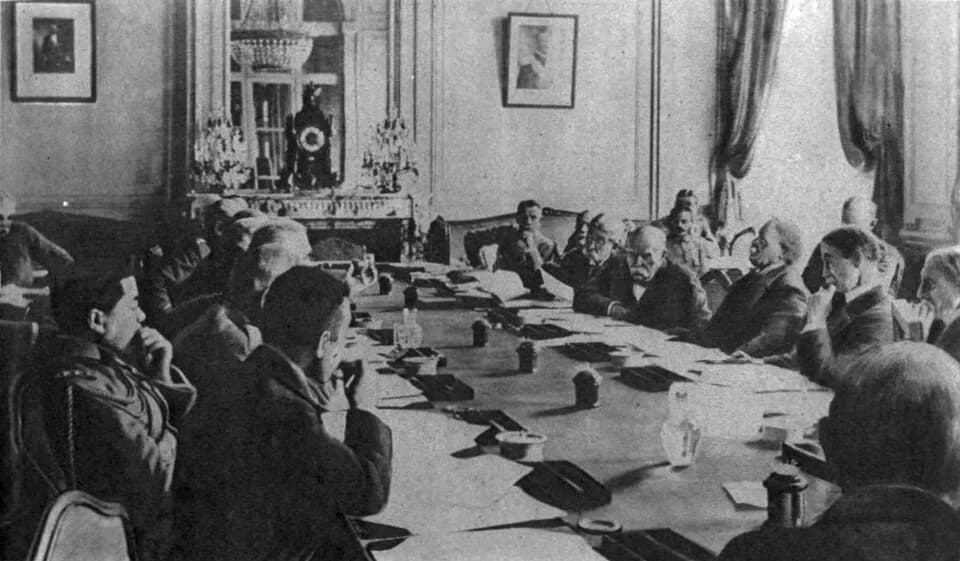
On the international stage, Lloyd George played a crucial role in shaping the post-war world order through his participation in the Paris Peace Conference in 1919. As a leading statesman, he contributed significantly to the negotiations that redrew the map of Europe and established the terms of peace following the immense devastation of the First World War. His diplomatic skills were essential in balancing competing national interests and working towards a lasting settlement, reflecting his capacity as a skilled diplomat and negotiator on a global scale. The decisions made at this conference had far-reaching consequences for the geopolitics of the 20th century.
One of his most enduring and historically significant achievements was his role in negotiating the establishment of the Irish Free State. This complex and sensitive process required immense political courage and diplomatic finesse to bridge deep-seated divisions and secure a resolution to a long-standing political conflict. The successful negotiation of Irish independence marked a critical turning point in Anglo-Irish relations and stands as a testament to his ability to achieve agreements even in the most fraught circumstances. This outcome reshaped the political landscape of the British Isles and remains a cornerstone of modern Irish history.
Kapitel 4· Kapitel 4 von 7
Personal Life
While the detailed specifics of David Lloyd George's personal life beyond his extensive public and political career are not extensively provided in general biographical summaries, it is clear that his life was deeply intertwined with his dedication to public service. His relentless work as a politician, diplomat, and Prime Minister would have demanded immense personal sacrifice and commitment. The focus of historical records often centers on his professional accomplishments and the profound impact he had on national and international affairs, reflecting a life largely devoted to the intricate demands of political leadership and governance. His public persona and political endeavors were central to his identity, influencing nearly every aspect of his existence.
Kapitel 5· Kapitel 5 von 7
Notable Works and Contributions
As an accomplished writer and public intellectual, David Lloyd George contributed significantly to political discourse through his published works and speeches. His bibliography includes a range of titles reflecting his diverse interests and experiences, from policy proposals to historical reflections. Works such as "Britain's New Order" likely articulated his vision for post-war reconstruction and the future direction of the nation, demonstrating his forward-looking policy perspectives. This particular title suggests his preoccupation with national renewal and societal restructuring after the significant disruption of conflict.
His writings extended to international affairs and historical analysis, including titles such as "The Great War" and "世界大戰回顧錄" (translated as 'Memories of the World War'). These works offered his unique insights and firsthand accounts of the global conflict he helped lead, providing valuable historical documentation from a key participant's viewpoint. His ability to synthesize complex events and articulate their meaning showcased his intellectual depth and his commitment to documenting his experiences for posterity, reflecting his role as a chronicler of his times. Other works like "Armenia's charter" illustrate his engagement with specific international issues and human rights concerns, highlighting his diplomatic interests.
Furthermore, his public addresses were often collected and published, such as "Quelques discours par David Lloyd George, avec une salutation personelle aux enfants de la France de la part du premier ministre de la Grande-Bretagne," showcasing his powerful oratorical skills and his role as a communicator on both national and international stages. His advocacy for social and economic policies was also evident in publications like "The Liberal pledge to conquer unemployment" and "De verplichte volksverzekering in Engeland," which underscored his dedication to pressing domestic issues. These publications underscore his identity not just as a statesman, but also as a prolific writer who shaped public opinion through the power of the written word.
Kapitel 6 · 1922· Kapitel 6 von 7
Later Years
After concluding his tenure as Prime Minister in 1922, David Lloyd George remained an active and influential figure in British public life for many more years. Although no longer at the helm of government, he continued to contribute to political debate, write extensively, and offer his seasoned insights on national and international issues. His vast experience as a wartime leader and a veteran politician ensured that his voice carried weight and commanded attention whenever he chose to speak or publish.
His later years were spent reflecting on his extraordinary career and observing the changing political landscape, continuing his work as a writer and political commentator. He eventually passed away on March 26, 1945, in Llanystumdwy, United Kingdom, bringing to a close a life that spanned significant historical transformations. His death, shortly before the end of the Second World War, marked the end of an era, symbolizing the passing of one of the architects of 20th-century Britain. His final years were characterized by a continued engagement with the world he had so profoundly influenced.
Kapitel 7· Kapitel 7 von 7
Legacy and Impact
David Lloyd George's legacy is defined by his multifaceted contributions as a leader, reformer, and diplomat, leaving an indelible mark on the United Kingdom and beyond. His dynamic leadership during the First World War is remembered as a period of national unity and strategic resolve, where his decisive actions helped steer the nation through its greatest modern conflict. He is credited with centralizing the war effort and ensuring the country's effective mobilization, demonstrating exceptional resolve in a time of crisis.
His progressive social-reform policies initiated during his time in government laid important groundwork for the development of the modern British welfare state, addressing critical societal needs and improving the lives of many ordinary citizens. These reforms reflected a fundamental belief in social justice and governmental responsibility for public welfare, enduring as foundational principles in British governance. His efforts shaped a more equitable society, which continues to influence policy discussions to this day.
Internationally, his role in the Paris Peace Conference and the negotiation of the Irish Free State demonstrated his exceptional skill as a diplomat and his commitment to resolving complex geopolitical challenges. These achievements highlight his capacity to navigate intricate international relations and forge agreements that had long-term implications for peace and national sovereignty. David Lloyd George's life and work represent a compelling narrative of political courage, reformist zeal, and enduring national service, securing his place as one of the most significant figures in British history.
Ein Leben in Momenten
Die Momente, die ein Leben prägten
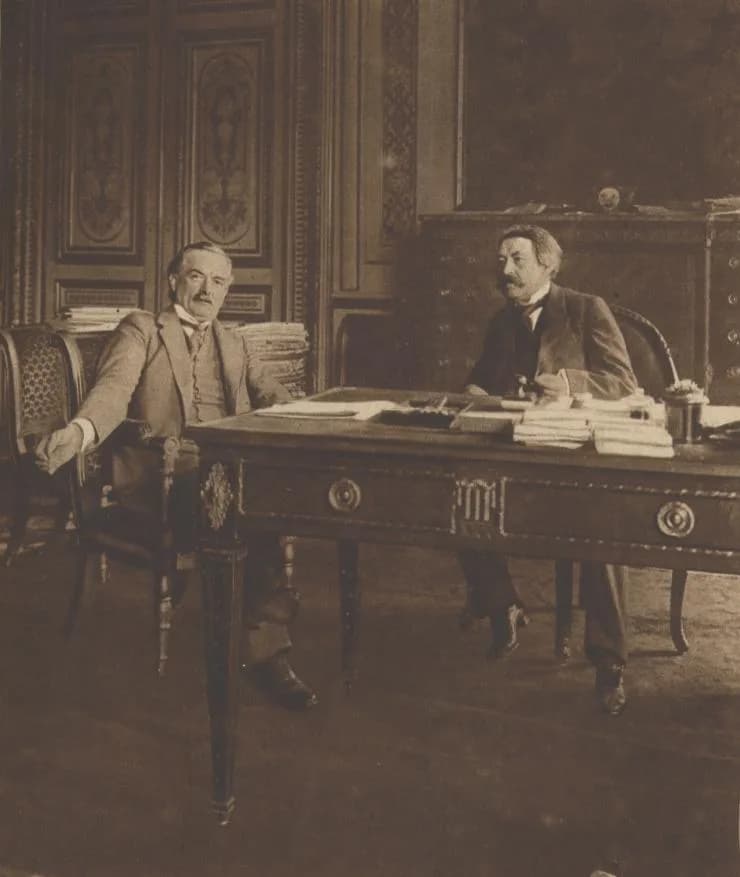
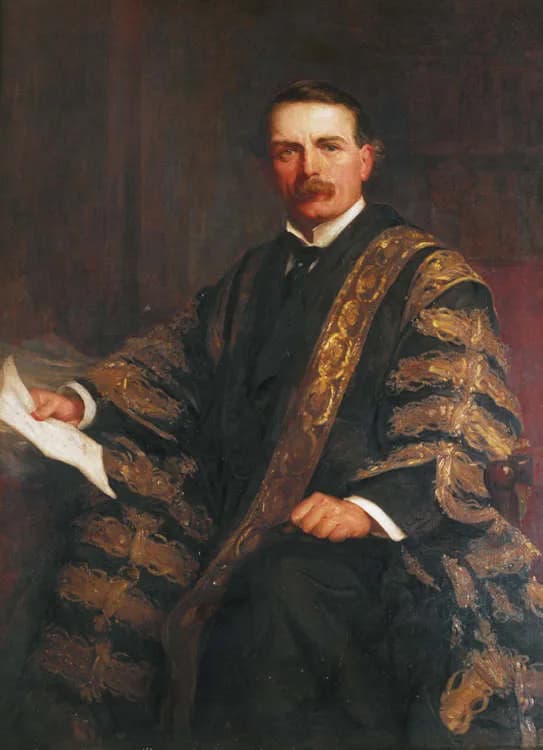
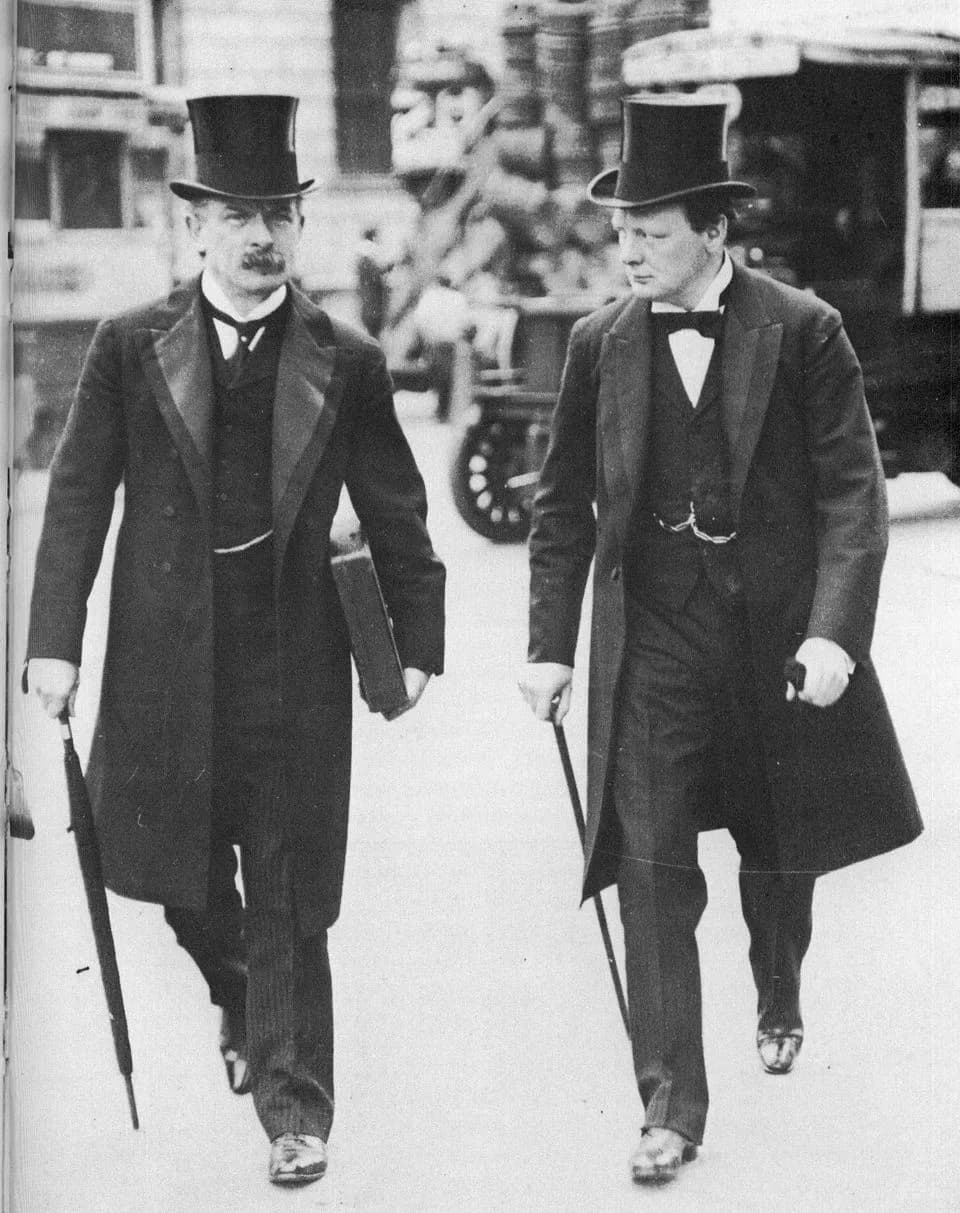
FAQ
Häufig gefragt
Wann starb David Lloyd George?
David Lloyd George starb am 26. März 1945 in Llanystumdwy, United Kingdom im Alter von 82 Jahren.
Wo wurde David Lloyd George geboren?
David Lloyd George wurde in Manchester, United Kingdom am 17. Januar 1863 geboren.
Wofür ist David Lloyd George am bekanntesten?
David Lloyd George ist am bekanntesten für Prime Minister of the United Kingdom from 1916 to 1922.
Wie alt war David Lloyd George beim Tod?
David Lloyd George war zum Zeitpunkt des Todes 82 Jahre alt.
Welche Nationalität hatte David Lloyd George?
David Lloyd George stammte aus United Kingdom.
Zeitlinie
Leben im Überblick
Fotogalerie
Ein Leben in Bildern
Klicken Sie ein Polaroid an, um es zu vergrößern · 48 Fotos
QR-Code
Diese Biografie teilen
Drucken & Teilen
Scannen Sie, um diese Biografieseite zu besuchen. Drucken Sie sie für Veranstaltungen, Ausstellungen oder Lehrmaterialien.