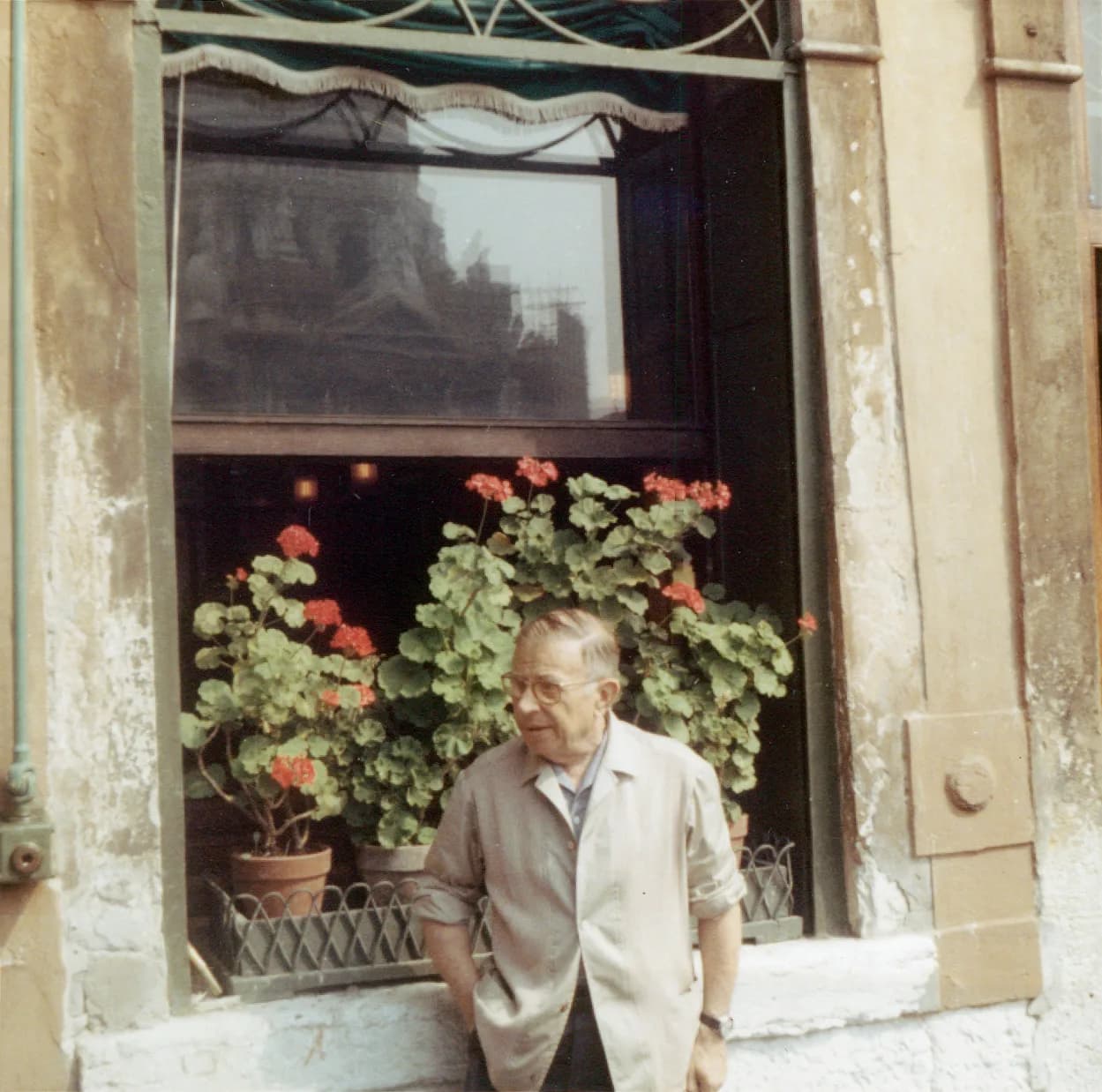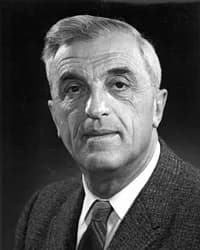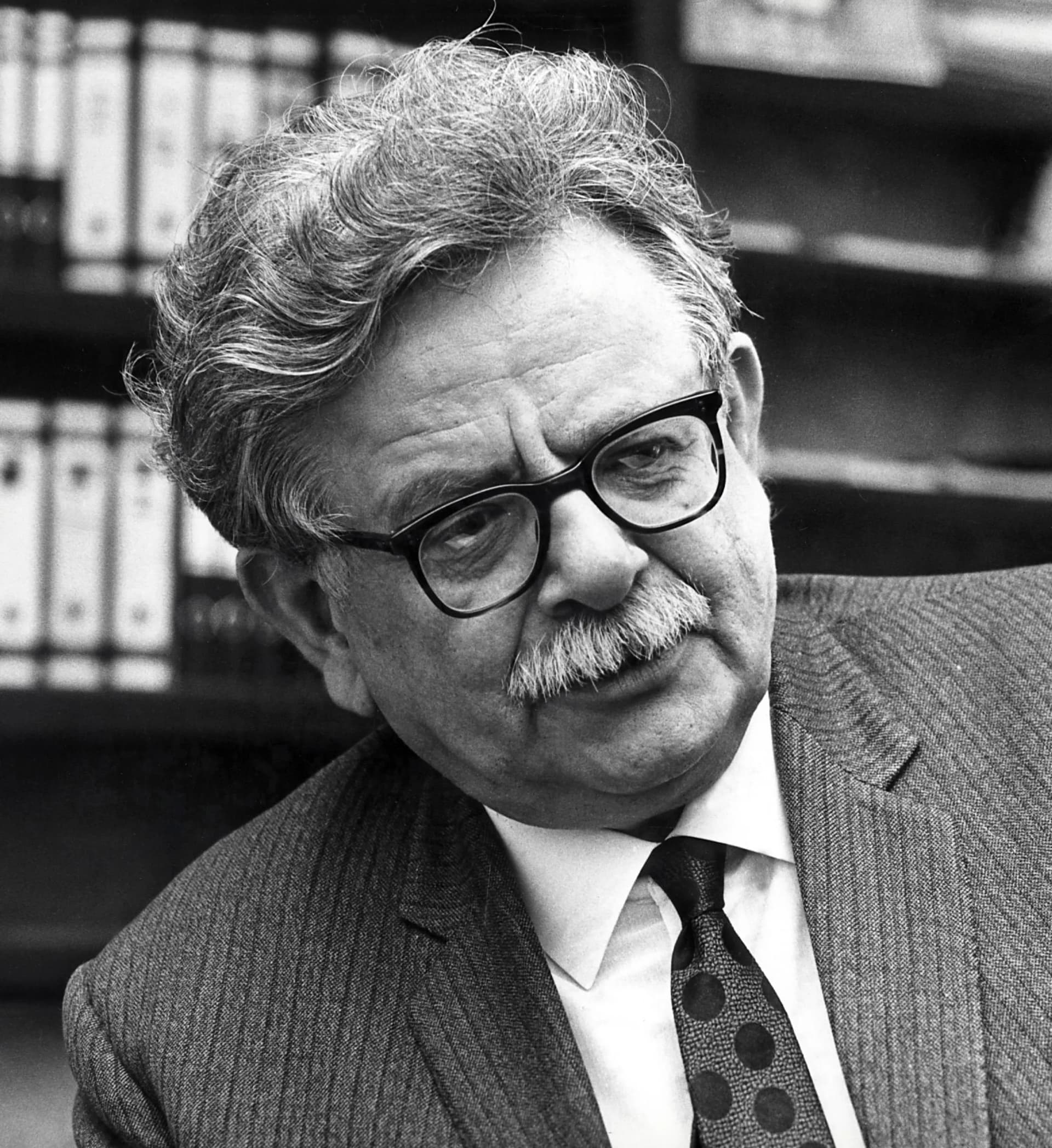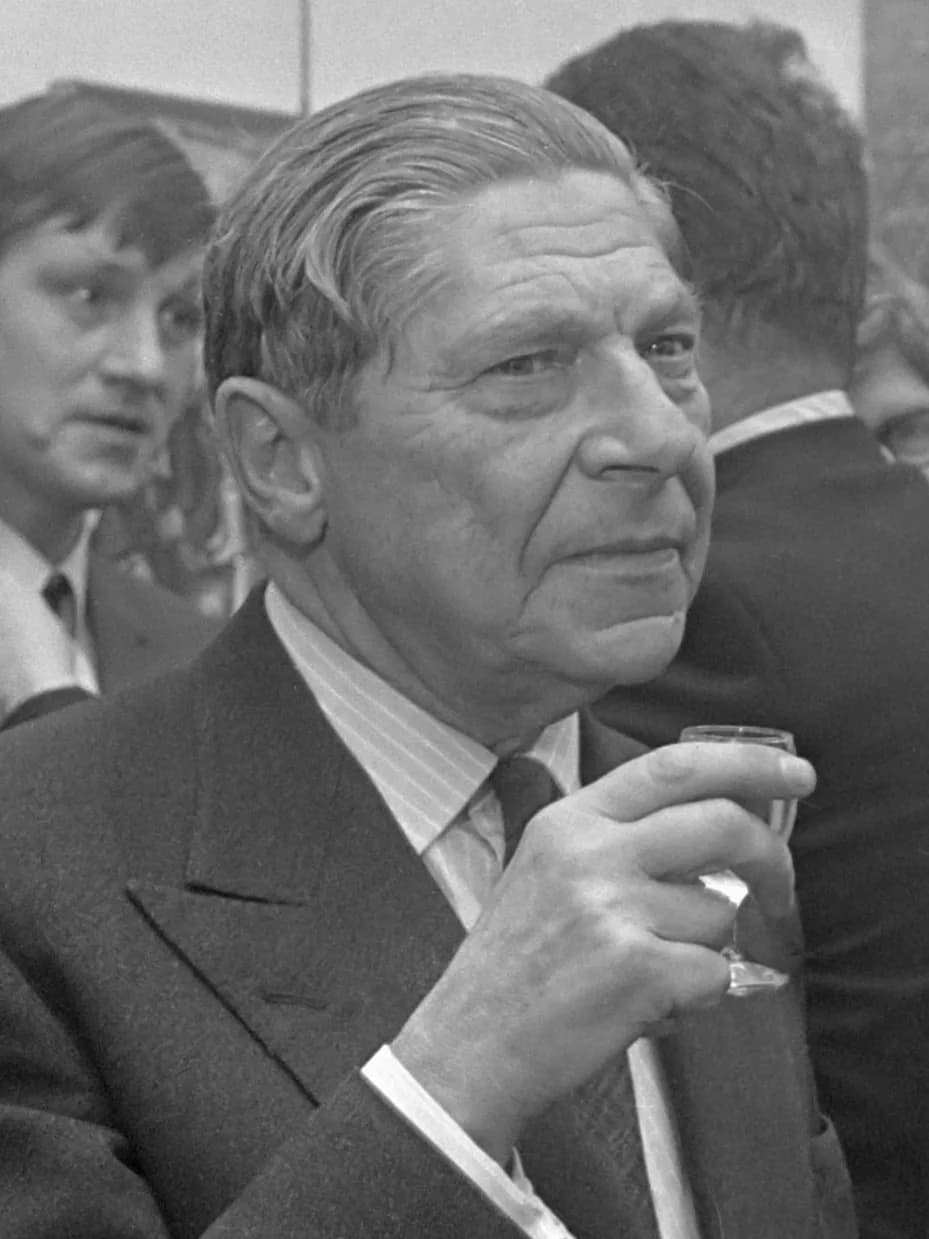
Geboren
October 16, 1905
N’Gokro, Ivory Coast
Verstorben
December 7, 1993
Yamoussoukro, Ivory Coast
Bekannt für
First President of Ivory Coast, from 1960 to 1993
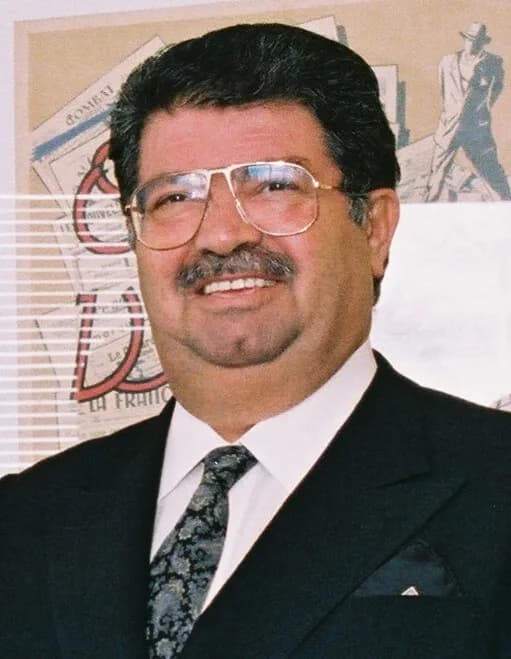
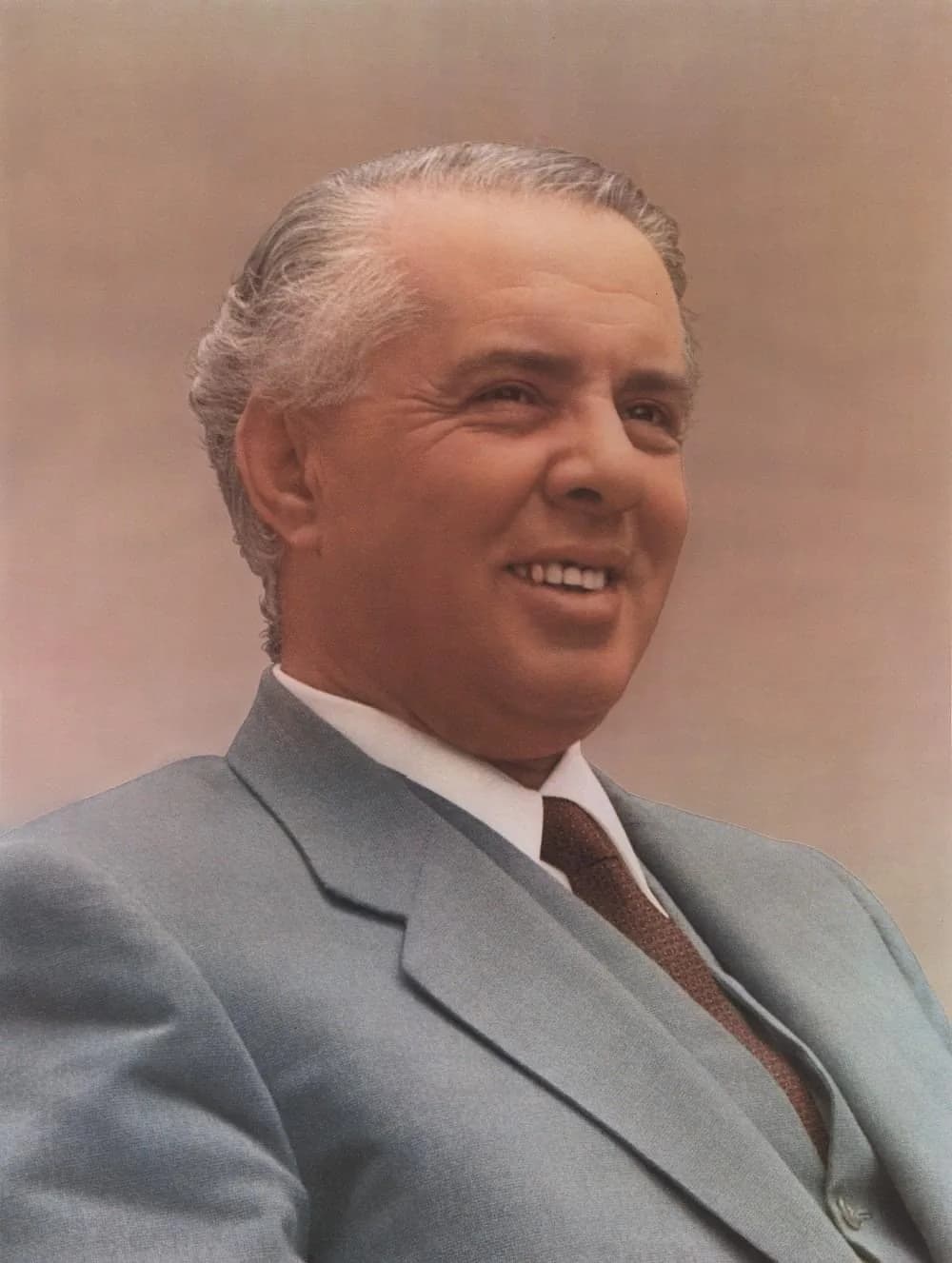
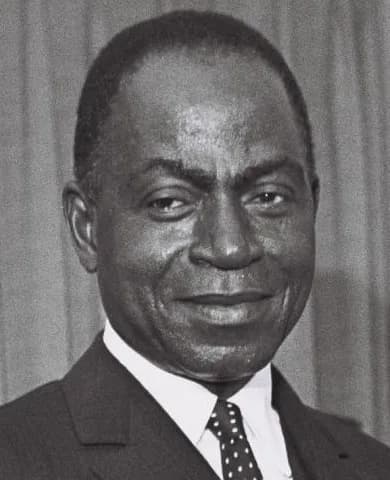
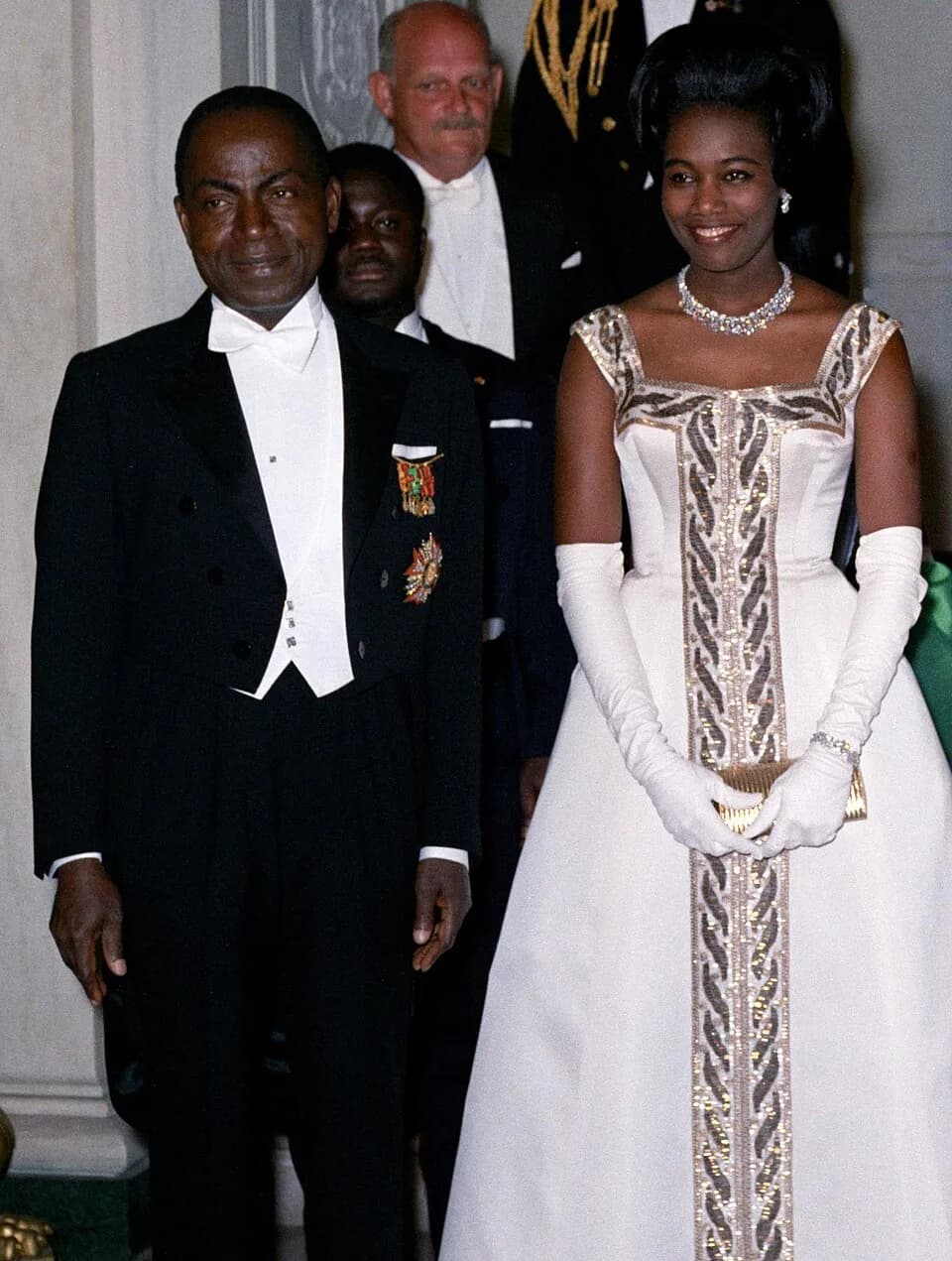
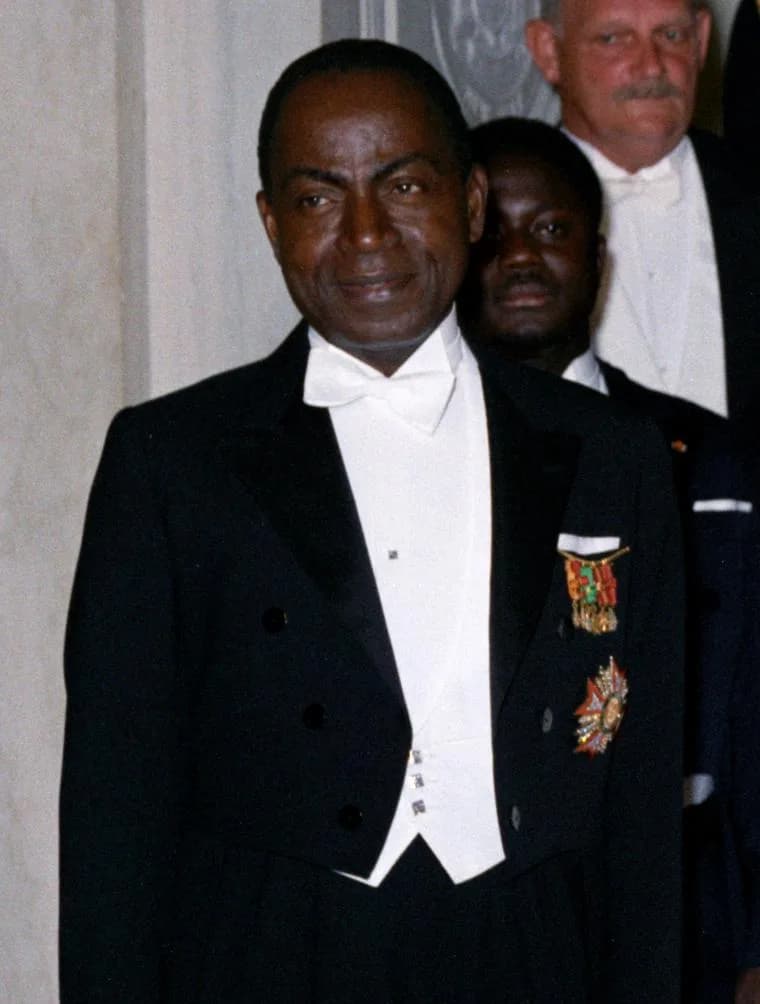
Félix Houphouët-Boigny (1905–1993) was Ivory Coast best known for First President of Ivory Coast, from 1960 to 1993.
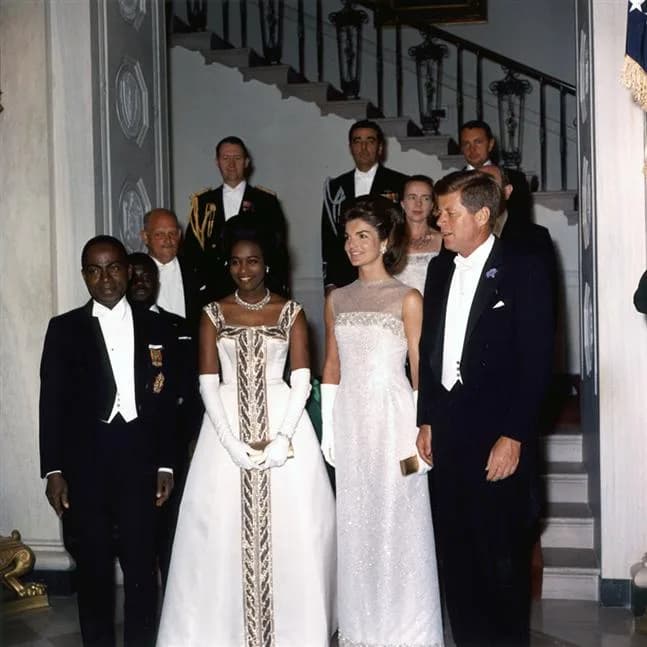
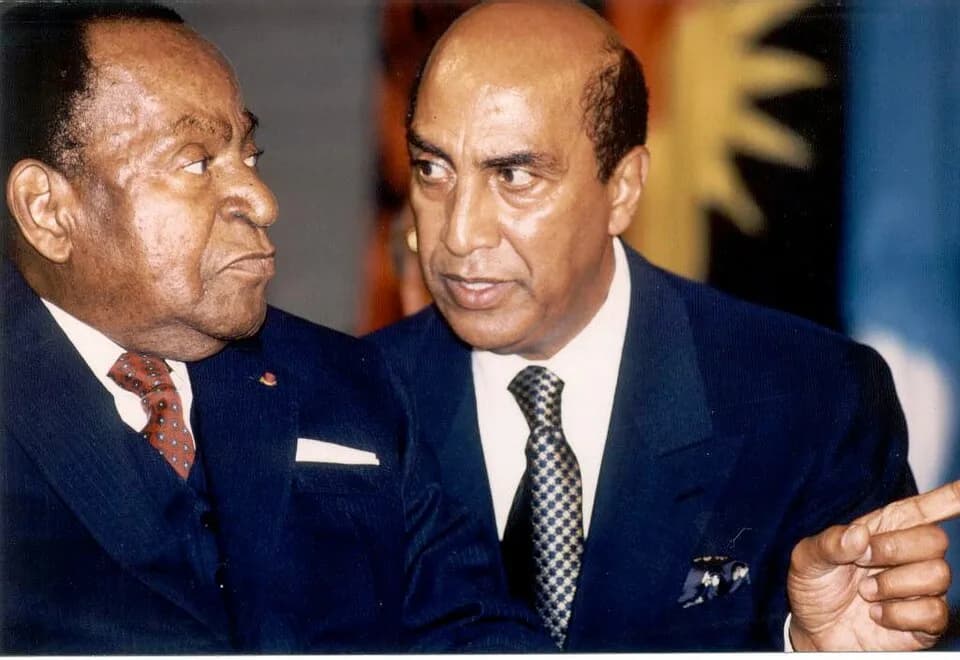
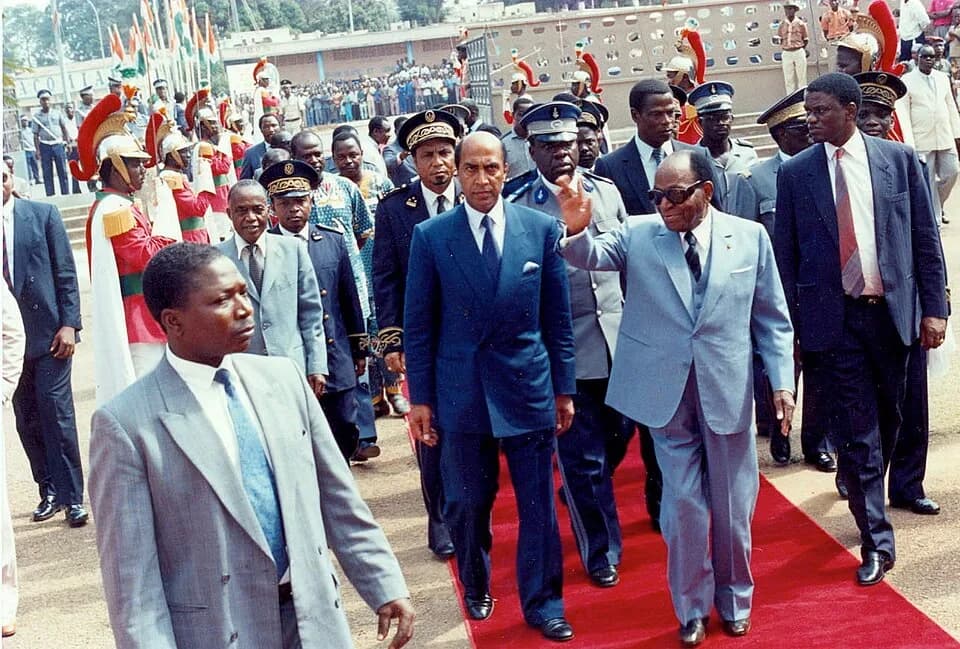
Félix Houphouët-Boigny (October 16, 1905 – December 7, 1993) was a politician from Ivory Coast. He served as the nation's first president from 1960 until his death. A crucial figure in African decolonization, his leadership shaped the country's early years.
Ein Leben in Momenten
Die Momente, die ein Leben prägten
Kapitel
Lebenskapitel
Kapitel 1 · 1905· Kapitel 1 von 8
Opening Tribute
Félix Houphouët-Boigny, born on October 16, 1905, and passing on December 7, 1993, was a prominent politician whose life was dedicated to public service. He is remembered primarily as the first President of Ivory Coast, a role he held from the nation's independence in 1960 until his death. Affectionately known as Papa Houphouët or Le Vieux, he played a central role in both the politics of his nascent nation and the broader decolonization of Africa. His leadership spanned over three decades, shaping the course of Ivory Coast's early history profoundly.
Kapitel 2· Kapitel 2 von 8
Early Life and Origins
Félix Houphouët-Boigny began his life in N’Gokro, a town within the region that would become modern-day Ivory Coast. Born into a tribal chieftaincy, his early experiences grounded him deeply in the local culture and societal structures. Though specific details of his early education are not provided, his later career as a physician indicates a significant academic pursuit.
Kapitel 3· Kapitel 3 von 8
Career Beginnings
Before stepping onto the national and international political stage, Houphouët-Boigny embarked on a diverse professional path. He initially worked as a medical aide, a profession that reflected his background as a physician. His commitment to social causes also led him to become a union leader, advocating for workers' rights and conditions. Additionally, he was involved in agriculture as a planter, a common and important occupation in the region.
His political career began in earnest when he was elected to the French Parliament in 1945, marking his entry into colonial legislative affairs. This significant step allowed him to represent the interests of his homeland on a much larger platform. Following his parliamentary election, he further distinguished himself by serving in several ministerial positions within the Government of France, gaining valuable experience in governance and administration.
Kapitel 4 · 1960· Kapitel 4 von 8
Major Achievements and Career Highlights
The crowning achievement of Félix Houphouët-Boigny’s career was his leadership of Ivory Coast to independence in 1960. He then became the nation’s first President, a position he held continuously until his passing in 1993. This long tenure is a testament to his enduring influence and the stability he brought to the young republic.
His journey from a tribal chief and medical aide to a national leader underscored his unique path. His time in the French Parliament and various ministerial roles provided a solid foundation for his eventual presidency. These experiences were crucial in navigating the complexities of post-colonial state-building.
Kapitel 5· Kapitel 5 von 8
Personal Life
While specific details about Félix Houphouët-Boigny's family, personal relationships, or hobbies are not extensively documented in the provided information, his popular nicknames, Papa Houphouët and Le Vieux, speak volumes. These terms of endearment highlight the paternalistic and revered image he held among the Ivorian people. Such affectionate titles reflect the deep personal connection he forged with the populace throughout his long public life.
Kapitel 6· Kapitel 6 von 8
Notable Contributions
Félix Houphouët-Boigny's most significant contributions lie in his dedication to the decolonization of Africa and the establishment of an independent, stable Ivory Coast. His work as a union leader and his representation in the French Parliament laid groundwork for these broader movements. He played a direct and decisive role in shaping the political destiny of his nation.
As President, his policies and leadership guided Ivory Coast through its formative years. His long tenure from 1960 to 1993 allowed for consistent governance and the implementation of his vision for the country. His contributions were not merely administrative but were foundational to the identity and structure of the independent Ivorian state.
Kapitel 7 · 1993· Kapitel 7 von 8
Later Years
Félix Houphouët-Boigny continued to serve as President of Ivory Coast until the very end of his life. He passed away on December 7, 1993, in Yamoussoukro, Ivory Coast, the city that also became the nation's political capital during his presidency. His death marked the conclusion of an era, signifying the end of his continuous leadership since independence.
Kapitel 8· Kapitel 8 von 8
Legacy and Impact
The legacy of Félix Houphouët-Boigny is inextricably linked to the history of Ivory Coast and the wider African decolonization movement. He is remembered as a statesman who skillfully navigated the transition from colonial rule to independence. His extended presidency provided a period of relative stability, which was crucial for the young nation's development.
His political journey, from a local chief to a respected international figure, symbolizes the aspirations of a continent emerging from colonial domination. Houphouët-Boigny’s actions and leadership established a blueprint for Ivorian governance for decades to come. His vision and dedication continue to be studied as key elements in the story of African independence.
FAQ
Häufig gefragt
Wann starb Félix Houphouët-Boigny?
Félix Houphouët-Boigny starb am 7. Dezember 1993 in Yamoussoukro, Ivory Coast im Alter von 88 Jahren.
Wo wurde Félix Houphouët-Boigny geboren?
Félix Houphouët-Boigny wurde in N’Gokro, Ivory Coast am 16. Oktober 1905 geboren.
Wofür ist Félix Houphouët-Boigny am bekanntesten?
Félix Houphouët-Boigny ist am bekanntesten für First President of Ivory Coast, from 1960 to 1993.
Wie alt war Félix Houphouët-Boigny beim Tod?
Félix Houphouët-Boigny war zum Zeitpunkt des Todes 88 Jahre alt.
Welche Nationalität hatte Félix Houphouët-Boigny?
Félix Houphouët-Boigny stammte aus Ivory Coast.
Zeitlinie
Leben im Überblick
Fotogalerie
Ein Leben in Bildern
Klicken Sie ein Polaroid an, um es zu vergrößern · 48 Fotos
QR-Code
Diese Biografie teilen
Drucken & Teilen
Scannen Sie, um diese Biografieseite zu besuchen. Drucken Sie sie für Veranstaltungen, Ausstellungen oder Lehrmaterialien.