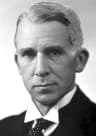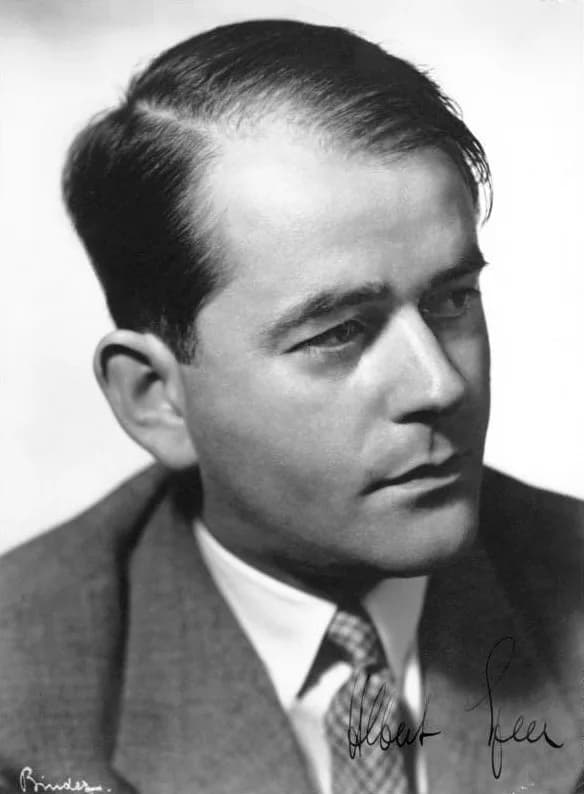
Geboren
March 19, 1905
Mannheim, Germany
Verstorben
September 1, 1981
London, Roman Empire
Bekannt für
German Nazi architect, Government Minister of Armaments and War Production for Nazi Germany and convicted Nazi War Criminal
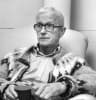
Albert Speer (1905–1981) was Germany best known for German Nazi architect, Government Minister of Armaments and War Production for Nazi Germany and convicted Nazi War Criminal.
Berthold Konrad Hermann Albert Speer (1905-1981) was a German architect who served as Nazi Germany's Minister of Armaments and War Production during World War II. A close ally of Adolf Hitler, he was convicted at the Nuremberg trials and served 20 years in prison. His case remains a controversial study of complicity in Nazi war crimes.
Kapitel
Lebenskapitel
Kapitel 1 · 1905· Kapitel 1 von 7
Early Life and Origins
Albert Speer was born on March 19, 1905, in Mannheim, Germany, into a well-established middle-class family. His father, also named Albert, was a successful architect, which would later influence young Albert's career path. The Speer family provided him with a comfortable upbringing that afforded him educational opportunities and exposure to architecture from an early age.
Speer pursued his architectural studies at German universities, where he developed the technical skills and artistic vision that would later make him attractive to the Nazi regime. His early education laid the foundation for what would become both his professional success and his eventual involvement in one of history's darkest chapters.
Kapitel 2· Kapitel 2 von 7
Career Beginnings
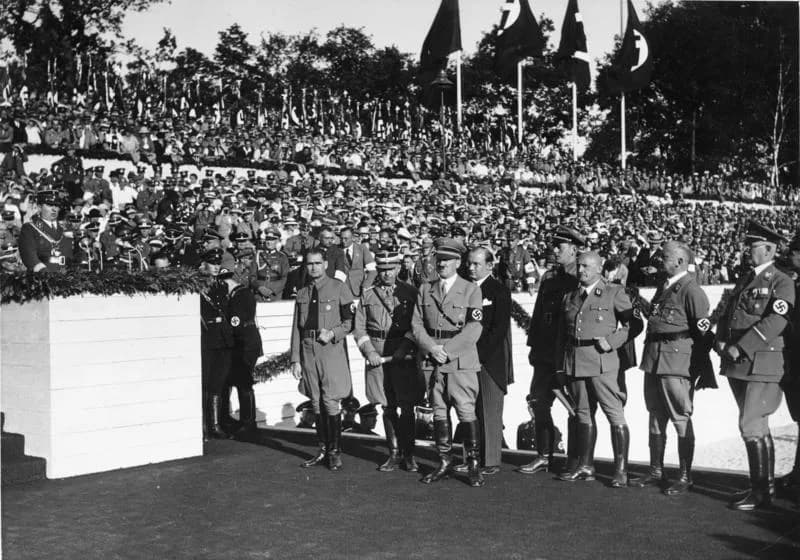
Speer's architectural career began in the traditional manner of German architects of his generation. However, his path took a dramatic turn when he encountered the rising Nazi Party in the early 1930s. His architectural talents caught the attention of Nazi leadership, who were seeking professionals to help realize their grand visions for the Third Reich.
The young architect's association with the Nazi Party would prove to be the defining decision of his life. His skills in design and organization made him valuable to a regime that prized both spectacle and efficiency in equal measure.
Kapitel 3· Kapitel 3 von 7
Major Achievements and Career Highlights
Speer's most significant role came when he was appointed as Minister of Armaments and War Production for Nazi Germany during most of World War II. In this position, he oversaw the massive industrial effort that sustained the German war machine. His organizational abilities and technical expertise made him one of the most effective administrators in the Nazi government.
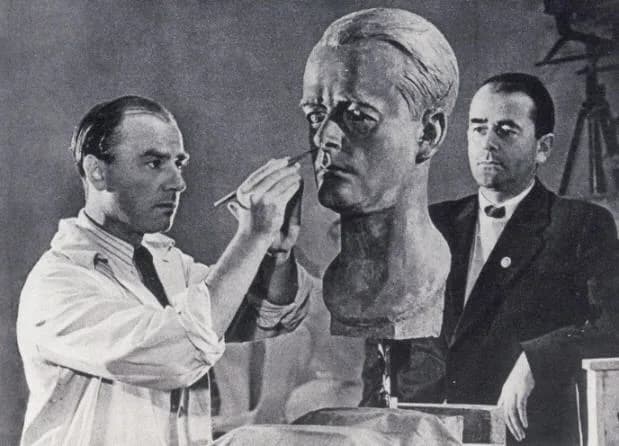
As an architect, Speer was involved in designing monumental buildings and planning grand redesigns of German cities that reflected Nazi ideology. His architectural work became part of the regime's propaganda apparatus, creating imposing structures meant to demonstrate the power and permanence of the Third Reich.
Kapitel 4· Kapitel 4 von 7
Personal Life
Despite his public role, details of Speer's personal relationships and family life during the Nazi period remain part of the historical record primarily through his own later accounts and trial testimony. His personal choices became inseparable from his professional involvement with the Nazi regime.
Speer maintained that he was primarily a technocrat focused on his professional responsibilities, though this claim would later be challenged by historians and during his war crimes trial.
Kapitel 5· Kapitel 5 von 7
Notable Works and Contributions
As Minister of Armaments and War Production, Speer implemented systems that significantly increased German industrial output during the war years. His administrative reforms and organizational methods kept German war production functioning even under intensive Allied bombing campaigns.
His architectural projects included designs for massive public buildings and urban planning schemes that embodied Nazi ideological principles. These works were intended to serve the regime's propaganda purposes and demonstrate its power through monumental architecture.
Kapitel 6· Kapitel 6 von 7
Later Years
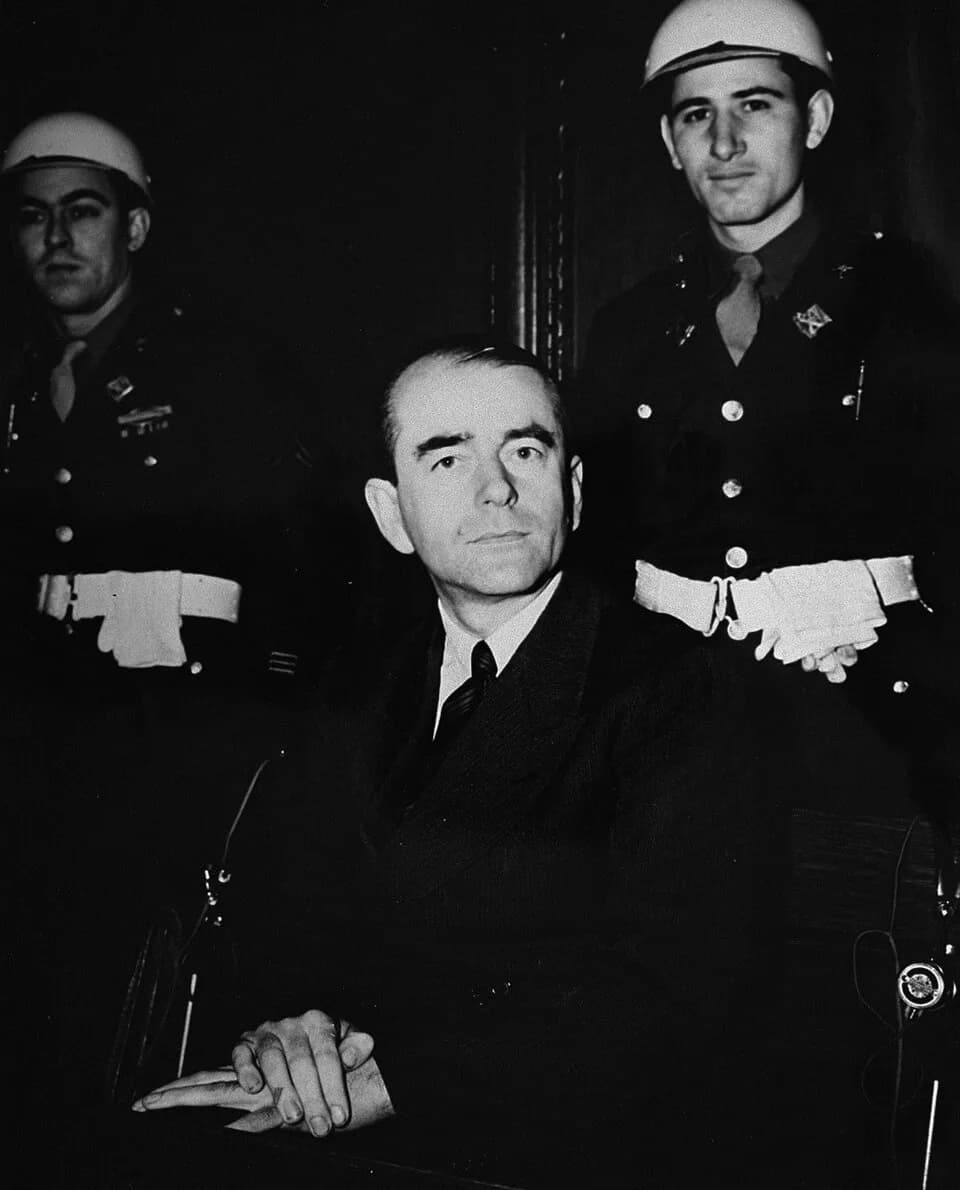
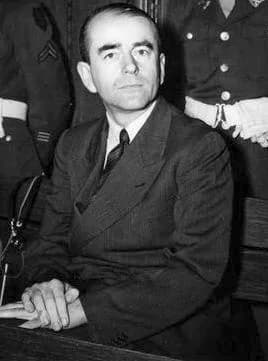
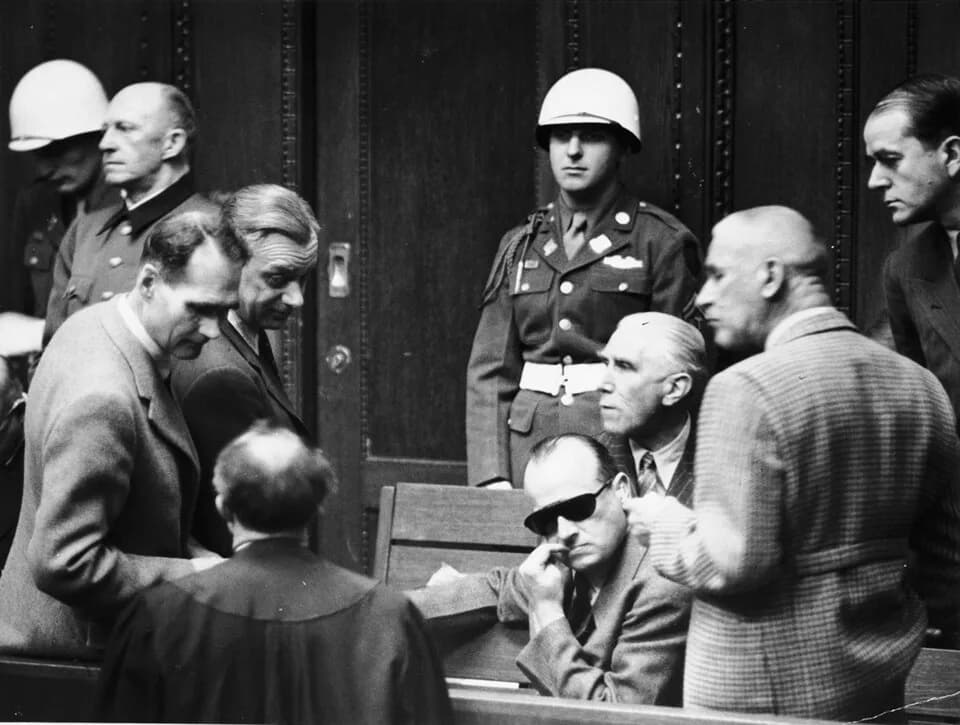
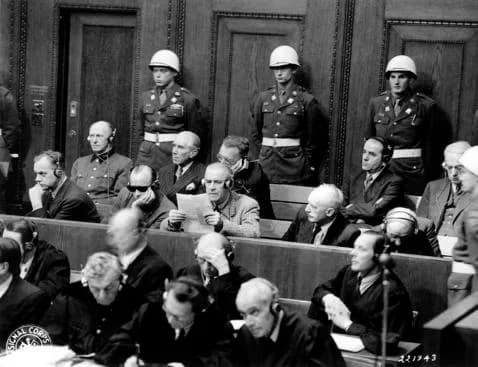
Following Germany's defeat in World War II, Speer was tried at the Nuremberg trials alongside other major Nazi war criminals. Unlike many of his co-defendants, he accepted responsibility for the regime's crimes, though he maintained he was unaware of the Holocaust's full extent. He was convicted and served 20 years in prison.
After his release from Spandau Prison in 1966, Speer wrote memoirs and gave interviews about his experiences in Nazi Germany. He died on September 1, 1981, in London, while on a visit to the city.
Kapitel 7· Kapitel 7 von 7
Legacy and Impact
Albert Speer's legacy remains deeply controversial and serves as a case study in how technical competence and professional ambition can become complicit in criminal regimes. His role as both architect and armaments minister made him a key figure in Nazi Germany's war effort and, by extension, in the Holocaust and other Nazi crimes.
His post-war writings and interviews have been scrutinized by historians who question his claims of ignorance about the regime's worst crimes. Speer's story continues to serve as a cautionary tale about the responsibilities of professionals and intellectuals in times of political extremism, and the consequences of prioritizing career advancement over moral considerations.
Ein Leben in Momenten
Die Momente, die ein Leben prägten
FAQ
Häufig gefragt
Wann starb Albert Speer?
Albert Speer starb am 1. September 1981 in London, Roman Empire im Alter von 76 Jahren.
Wo wurde Albert Speer geboren?
Albert Speer wurde in Mannheim, Germany am 19. März 1905 geboren.
Wofür ist Albert Speer am bekanntesten?
Albert Speer ist am bekanntesten für German Nazi architect, Government Minister of Armaments and War Production for Nazi Germany and convicted Nazi War Criminal.
Wie alt war Albert Speer beim Tod?
Albert Speer war zum Zeitpunkt des Todes 76 Jahre alt.
Welche Nationalität hatte Albert Speer?
Albert Speer stammte aus Germany.
Zeitlinie
Leben im Überblick
Fotogalerie
Ein Leben in Bildern
Klicken Sie ein Polaroid an, um es zu vergrößern · 50 Fotos
QR-Code
Diese Biografie teilen
Drucken & Teilen
Scannen Sie, um diese Biografieseite zu besuchen. Drucken Sie sie für Veranstaltungen, Ausstellungen oder Lehrmaterialien.