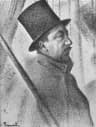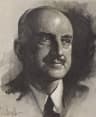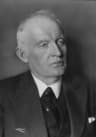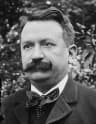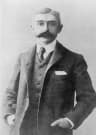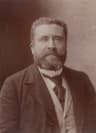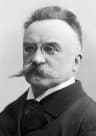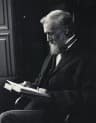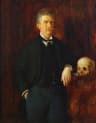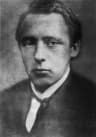
Geboren
December 18, 1863
Graz, Austria
Verstorben
June 28, 1914
Sarajevo, Bosnia and Herzegovina
Bekannt für
heir presumptive to the throne of Austria-Hungary
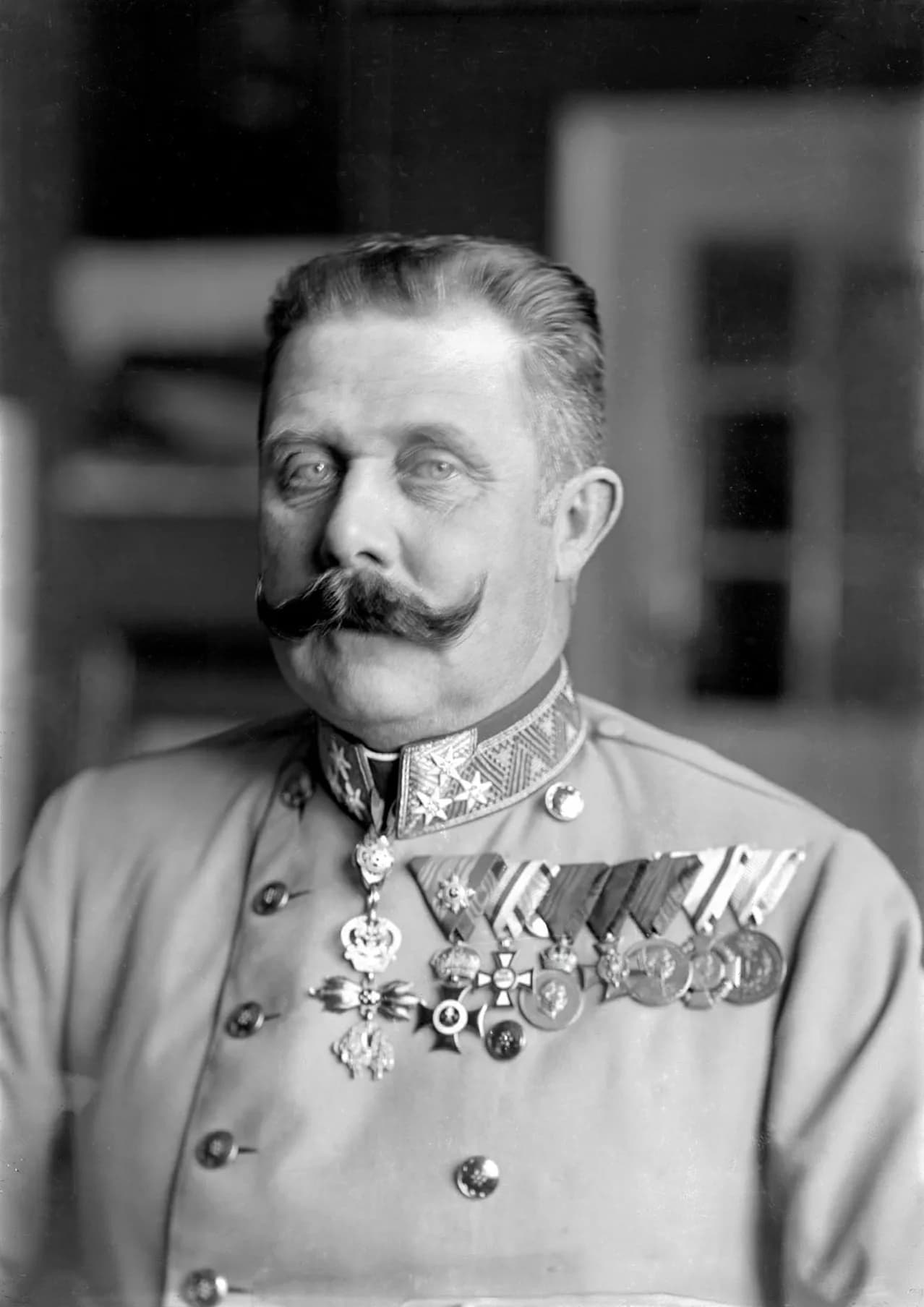
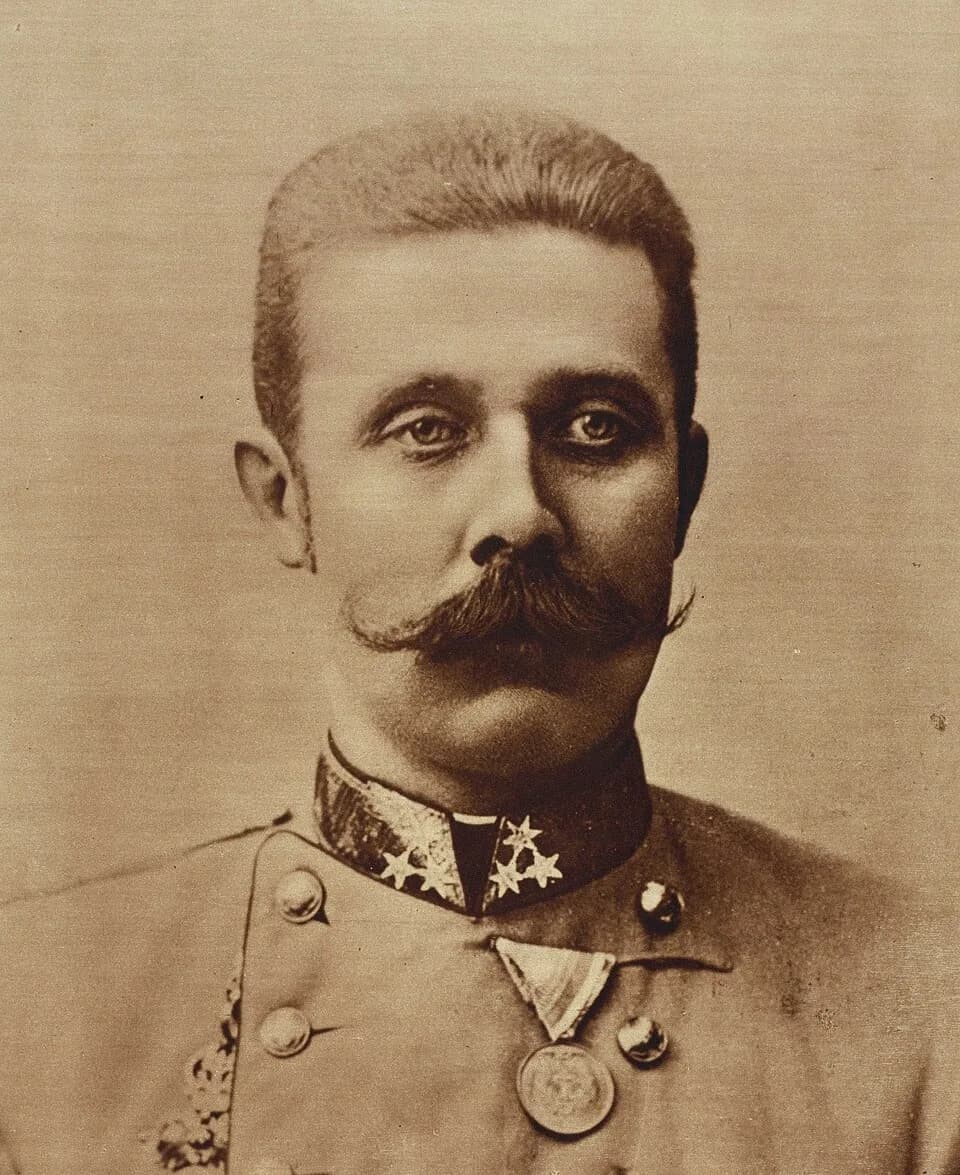
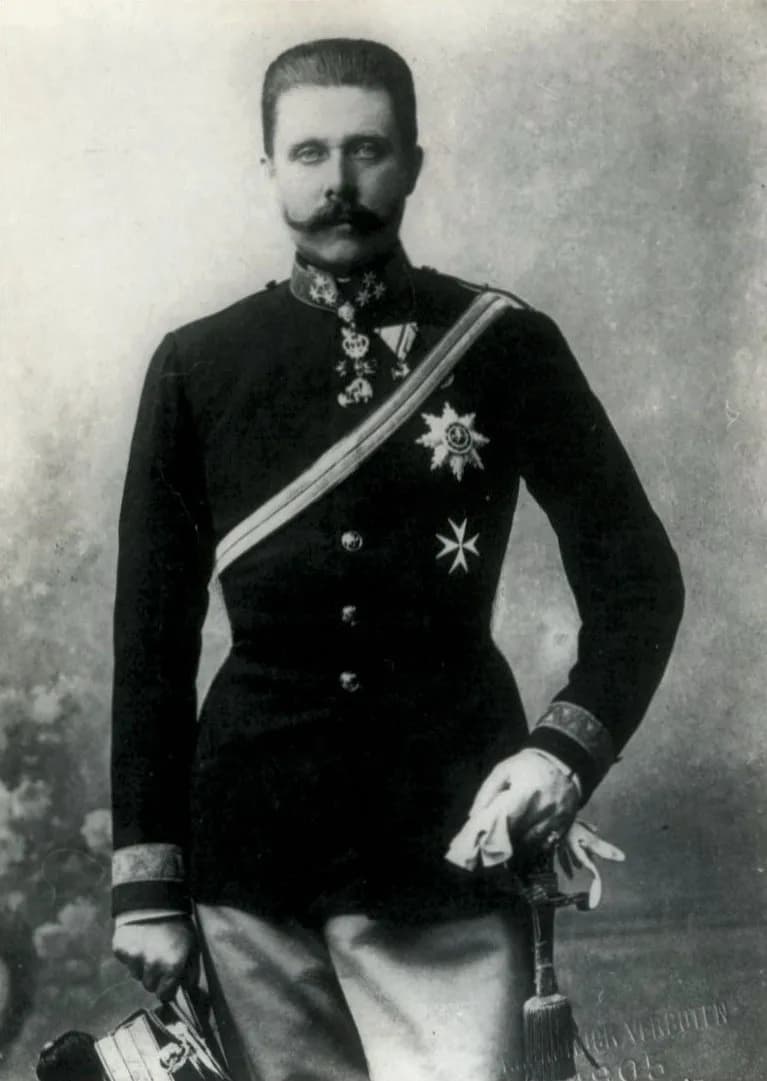
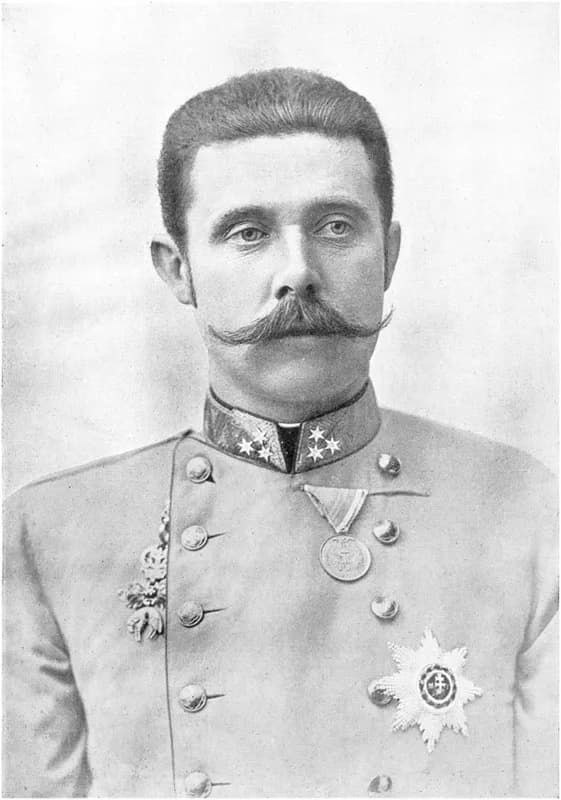
Archduke Franz Ferdinand of Austria (1863–1914) was Austria best known for heir presumptive to the throne of Austria-Hungary.
Archduke Franz Ferdinand of Austria (December 18, 1863 – June 28, 1914) was a politician from Graz, Austria, and the heir presumptive to the throne of Austria-Hungary. His assassination in Sarajevo directly precipitated World War I, altering global history. He is remembered for his central role in the conflict's origins.
Kapitel
Lebenskapitel
Kapitel 1 · 1863· Kapitel 1 von 5
Early Life in Graz
Born on December 18, 1863, in the city of Graz, Austria, Franz Ferdinand entered the world as a member of the venerable House of Habsburg-Lorraine. This distinguished lineage placed him at the heart of one of Europe's most powerful and enduring imperial families. His upbringing was shaped by the traditions and expectations associated with his noble birth within the Austro-Hungarian Empire.
Kapitel 2· Kapitel 2 von 5
Ascension to Heir Presumptive
Franz Ferdinand eventually became the heir presumptive to the multi-ethnic throne of Austria-Hungary. This position of immense responsibility placed him in line to govern a vast and complex empire. His role as the future emperor meant he was constantly under scrutiny, influencing the political and military directions of the dual monarchy.
Kapitel 3· Kapitel 3 von 5
Political Engagement and Influence
As a seasoned politician, Archduke Franz Ferdinand actively engaged with the affairs of the Austro-Hungarian Empire. He was known to hold specific views on imperial policy, advocating for reforms and changes within the dual monarchy's administrative structure. His opinions carried significant weight, shaping discussions and decisions within the imperial court.
Kapitel 4 · 1914· Kapitel 4 von 5
The Sarajevo Assassination
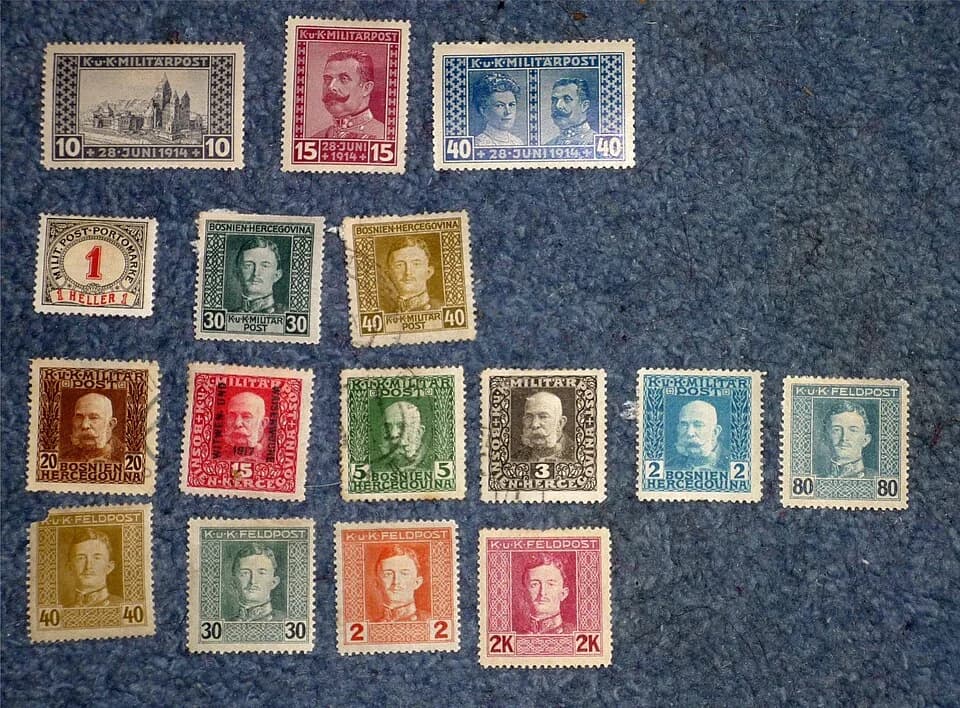
On June 28, 1914, Archduke Franz Ferdinand's life came to an abrupt end in Sarajevo, Bosnia and Herzegovina. This assassination, a shocking act of political violence, irrevocably changed the course of European and world history. The event sent shockwaves across the continent, directly leading to a rapid escalation of international tensions.
Kapitel 5· Kapitel 5 von 5
Lasting Historical Legacy
The assassination of Archduke Franz Ferdinand is recorded in history as the most immediate cause of World War I. His death triggered a series of diplomatic crises and declarations of war among the great powers of Europe. He remains a central figure in discussions about the origins of the 20th century's devastating global conflicts, a politician whose final moments had unforeseen and catastrophic consequences.
Ein Leben in Momenten
Die Momente, die ein Leben prägten
FAQ
Häufig gefragt
Wann starb Archduke Franz Ferdinand of Austria?
Archduke Franz Ferdinand of Austria starb am 28. Juni 1914 in Sarajevo, Bosnia and Herzegovina im Alter von 50 Jahren.
Wo wurde Archduke Franz Ferdinand of Austria geboren?
Archduke Franz Ferdinand of Austria wurde in Graz, Austria am 18. Dezember 1863 geboren.
Wofür ist Archduke Franz Ferdinand of Austria am bekanntesten?
Archduke Franz Ferdinand of Austria ist am bekanntesten für heir presumptive to the throne of Austria-Hungary.
Wie alt war Archduke Franz Ferdinand of Austria beim Tod?
Archduke Franz Ferdinand of Austria war zum Zeitpunkt des Todes 50 Jahre alt.
Welche Nationalität hatte Archduke Franz Ferdinand of Austria?
Archduke Franz Ferdinand of Austria stammte aus Austria.
Zeitlinie
Leben im Überblick
Fotogalerie
Ein Leben in Bildern
Klicken Sie ein Polaroid an, um es zu vergrößern · 23 Fotos
QR-Code
Diese Biografie teilen
Drucken & Teilen
Scannen Sie, um diese Biografieseite zu besuchen. Drucken Sie sie für Veranstaltungen, Ausstellungen oder Lehrmaterialien.