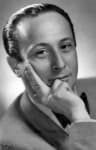
Born
August 9, 1911
Pittsburgh, United States
Died
March 14, 1995
Pasadena, United States
Known for
American nuclear physicist
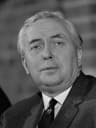
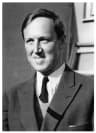
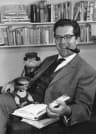
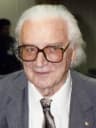
William Alfred Fowler (1911–1995) was United States best known for American nuclear physicist.
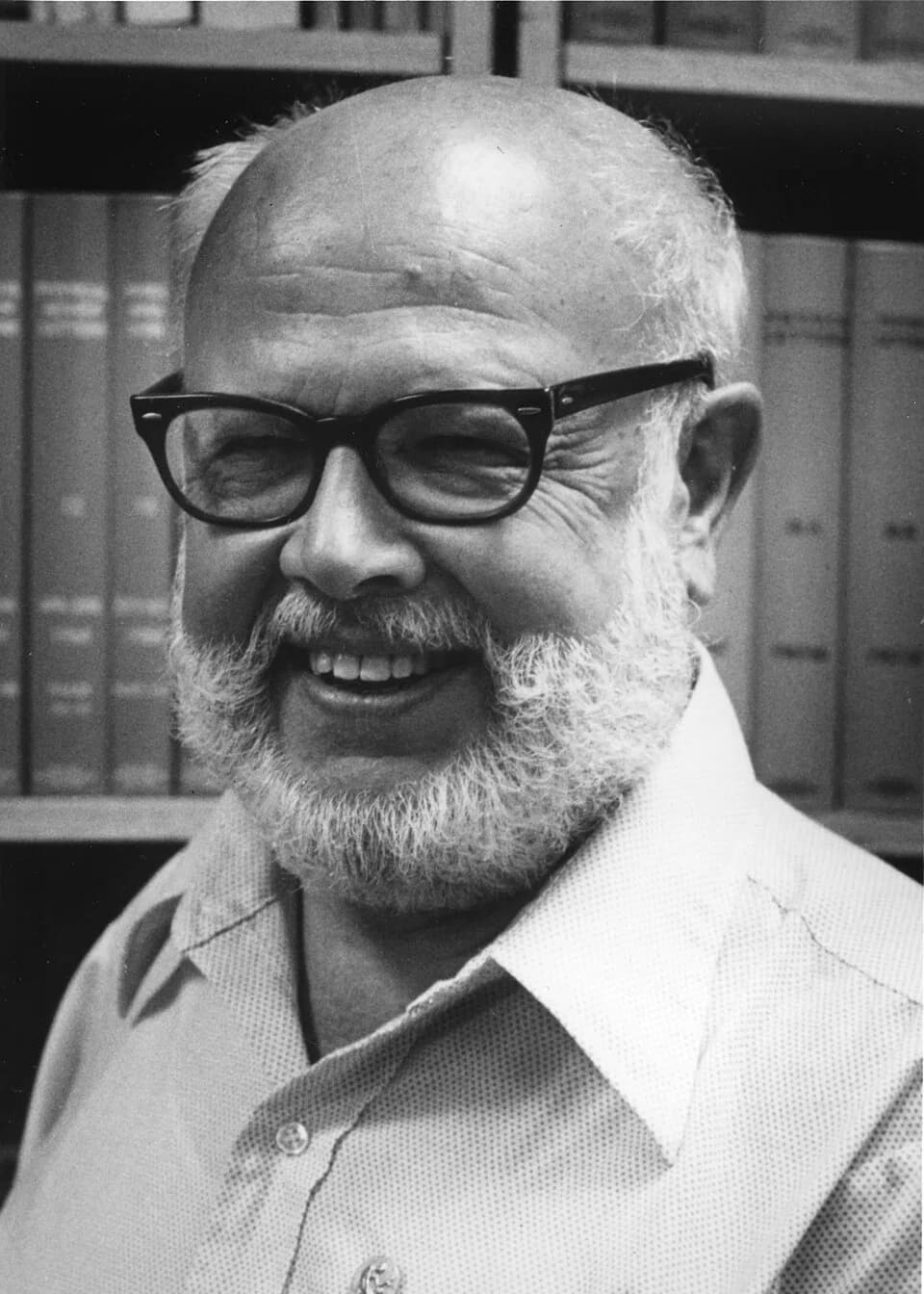
William Alfred Fowler (August 9, 1911 – March 14, 1995) was an American nuclear physicist from Pittsburgh, United States. He shared the 1983 Nobel Prize in Physics for his studies on how chemical elements are formed in the universe. His work profoundly shaped astrophysics.
Chapter
Life chapters
Chapter 1 · 1911· Chapter 1 of 8
Opening
William Alfred Fowler (1911–1995) was an esteemed American nuclear physicist whose fundamental contributions to astrophysics reshaped humanity's understanding of the cosmos. Born in Pittsburgh, United States, Fowler became a central figure in unraveling the intricate mysteries of how chemical elements are formed within stars. His pioneering work, which combined both theoretical insights and rigorous experimental verification, earned him the prestigious Nobel Prize in Physics in 1983, a clear recognition of his enduring scientific legacy.
Chapter 2 · 1911· Chapter 2 of 8
Early Life and Origins
William Alfred Fowler entered the world on August 9, 1911, in Pittsburgh, Pennsylvania, United States. His early life in this prominent American city likely fostered an environment conducive to intellectual growth and an early curiosity for the natural world. The scientific and academic path he would later pursue was undoubtedly influenced by his formative years, setting the stage for his eventual deep explorations into the fundamental processes of the universe.
Chapter 3· Chapter 3 of 8
Career Beginnings
Fowler's academic and professional journey led him to excel across multiple scientific disciplines, including roles as an astronomer, physicist, astrophysicist, and dedicated university teacher. His initial forays into research established him as a nuclear physicist keenly focused on understanding the reactions governing atomic nuclei. These foundational experiences and his diverse scientific background prepared him for the significant research that would define his later career, ultimately impacting the global scientific community and our understanding of stellar phenomena.
Chapter 4 · 1983· Chapter 4 of 8
Major Achievements and Career Highlights
A towering achievement in William Alfred Fowler's illustrious career was his shared reception of the 1983 Nobel Prize in Physics. The Royal Swedish Academy of Sciences honored him "for his theoretical and experimental studies of the nuclear reactions of importance in the formation of the chemical elements in the universe." This esteemed recognition highlighted his groundbreaking research into the very mechanisms by which stars create the building blocks of all matter found across the cosmos.
Fowler's work provided unprecedented clarity on the complex processes that fuel stars and synthesize the elements, from the lightest hydrogen and helium to much heavier atoms. His diligent investigations helped to map out the nuclear pathways through which elements like carbon, oxygen, and iron are forged in the fiery hearts of stars. This understanding fundamentally advanced the field of astrophysics, offering critical insights into stellar evolution and the chemical composition of the universe.
Chapter 5· Chapter 5 of 8
Personal Life
While extensive details concerning William Alfred Fowler's personal life are not widely documented publicly, his professional endeavors unmistakably point to a life deeply committed to scientific inquiry and discovery. His profound passion for astrophysics and nuclear physics drove a career characterized by relentless curiosity and a dedication to unveiling cosmic truths. This singular focus and dedication defined his journey, culminating in a rich academic and research legacy that continues to inspire.
Chapter 6 · 1957· Chapter 6 of 8
Notable Works or Contributions
Central to William Alfred Fowler's most enduring contributions was his co-authorship of the highly influential scientific paper, "Synthesis of the Elements in Stars," often referred to as the B2FH paper. Published in 1957, this seminal work was co-written with Margaret and Geoffrey Burbidge and Fred Hoyle, providing a comprehensive theoretical framework for understanding nucleosynthesis within stars. The B2FH paper systematically explained how various elements are created through different nuclear processes in stellar environments.
This groundbreaking publication synthesized existing knowledge and proposed new mechanisms, solidifying the modern theory of stellar nucleosynthesis. It became, and remains, a cornerstone text in astrophysics, continuing to guide generations of scientists in their studies of stellar evolution, galactic chemical enrichment, and the origins of matter. Fowler's theoretical and experimental studies directly informed the rigorous details presented in this crucial document, establishing its lasting scientific authority.
Chapter 7 · 1995· Chapter 7 of 8
Later Years
William Alfred Fowler passed away on March 14, 1995, in Pasadena, United States, at the age of 83, leaving behind a lasting scientific heritage that continues to resonate. His later years were marked by the continued recognition and application of his theoretical and experimental insights into the nuclear reactions occurring within stars. The scientific community worldwide continues to build upon the robust foundations he so meticulously established during his extensive lifetime, extending his influence well beyond his passing.
Even after his death, the principles and models developed by Fowler and his collaborators remain essential tools for astrophysical research. His enduring presence in the field is a testament to the accuracy and foresight of his scientific endeavors. The impact of his contributions on subsequent generations of physicists and astronomers ensures his name remains synonymous with the fundamental understanding of cosmic element formation.
Chapter 8· Chapter 8 of 8
Legacy and Impact
William Alfred Fowler's legacy is vast and has significantly influenced the fields of astrophysics and nuclear physics, forever changing our perception of the universe. His meticulous research provided the essential understanding of how stars not only generate energy but also act as cosmic furnaces, creating all the chemical elements heavier than hydrogen and helium. This insight revealed the celestial origins of the very atoms that make up our planet and ourselves.
Through his diligent work, particularly the seminal B2FH paper, Fowler fundamentally altered humanity's perception of the universe's chemical origins and the processes that govern it. His dedication to both developing sophisticated theoretical models and conducting rigorous experimental verification set an incredibly high standard for scientific rigor. His contributions laid the groundwork for contemporary cosmological models and stellar physics, securing his place as one of the most important scientific figures of the 20th century.
A life in moments
The moments that shaped a life
FAQ
Frequently asked
When did William Alfred Fowler die?
William Alfred Fowler died on March 14, 1995 in Pasadena, United States, at the age of 83.
Where was William Alfred Fowler born?
William Alfred Fowler was born in Pittsburgh, United States on August 9, 1911.
What is William Alfred Fowler best known for?
William Alfred Fowler is best known for American nuclear physicist.
How old was William Alfred Fowler when they died?
William Alfred Fowler was 83 years old at the time of death.
What nationality was William Alfred Fowler?
William Alfred Fowler was from United States.
Timeline
Life at a glance
Photo gallery
A life in pictures
Click any polaroid to expand · 15 photos
QR Code
Share This Biography
Print & Share
Scan to visit this biography page. Print for events, exhibitions, or educational materials.