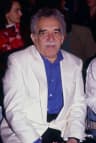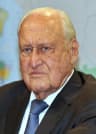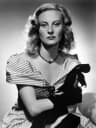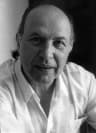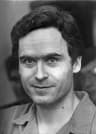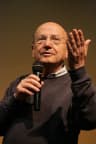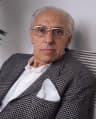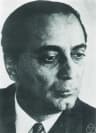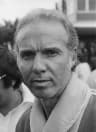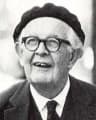
Born
August 9, 1927
New York City, United States
Died
January 24, 2016
Boston, United States
Known for
American cognitive scientist
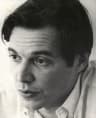
Marvin Minsky (1927–2016) was United States best known for American cognitive scientist.
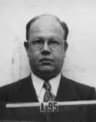
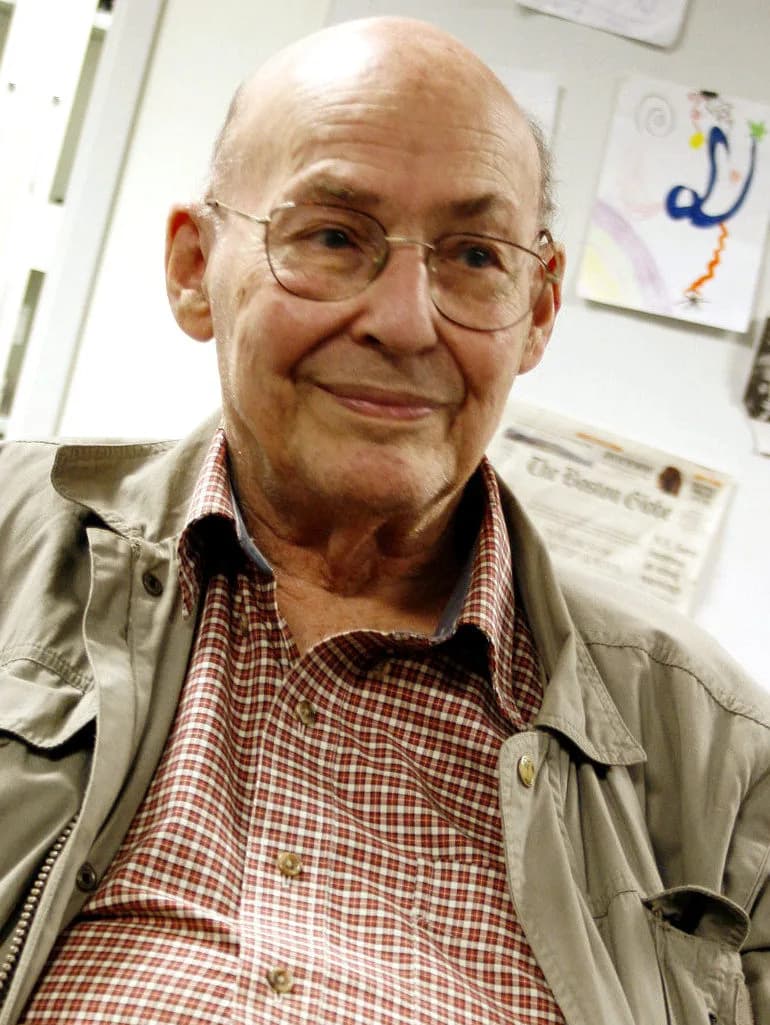
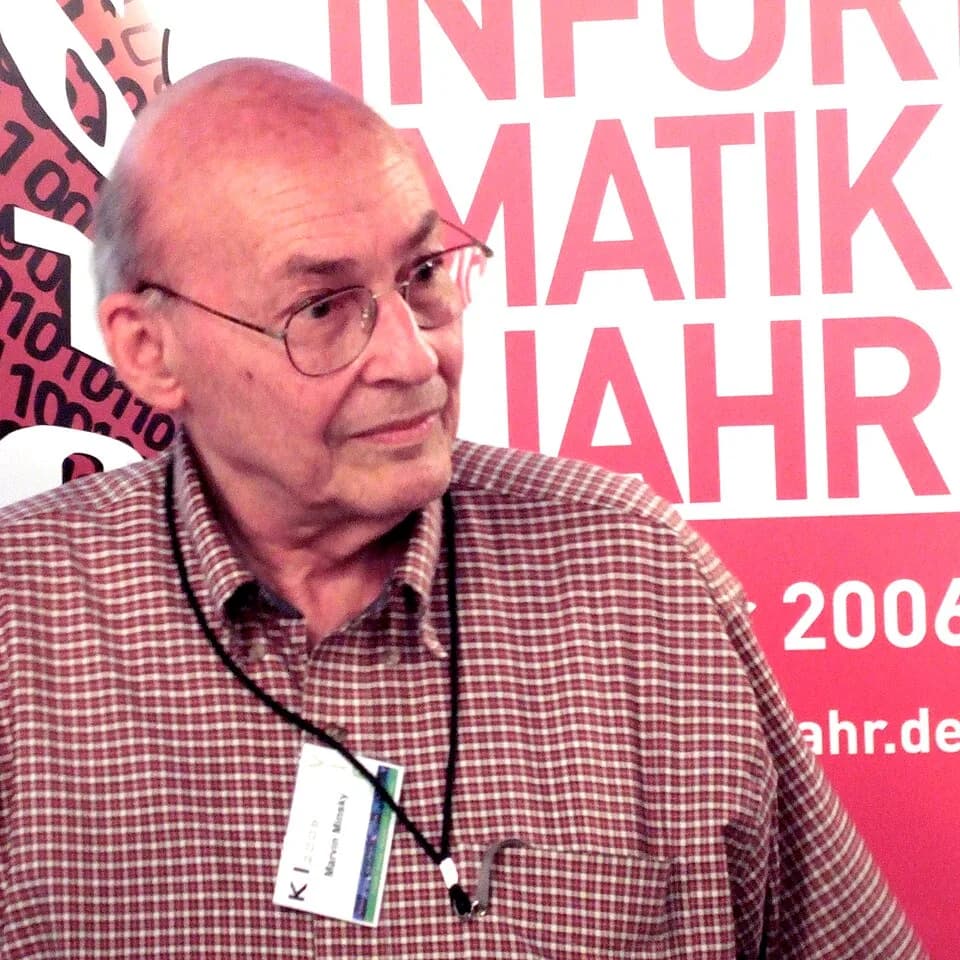
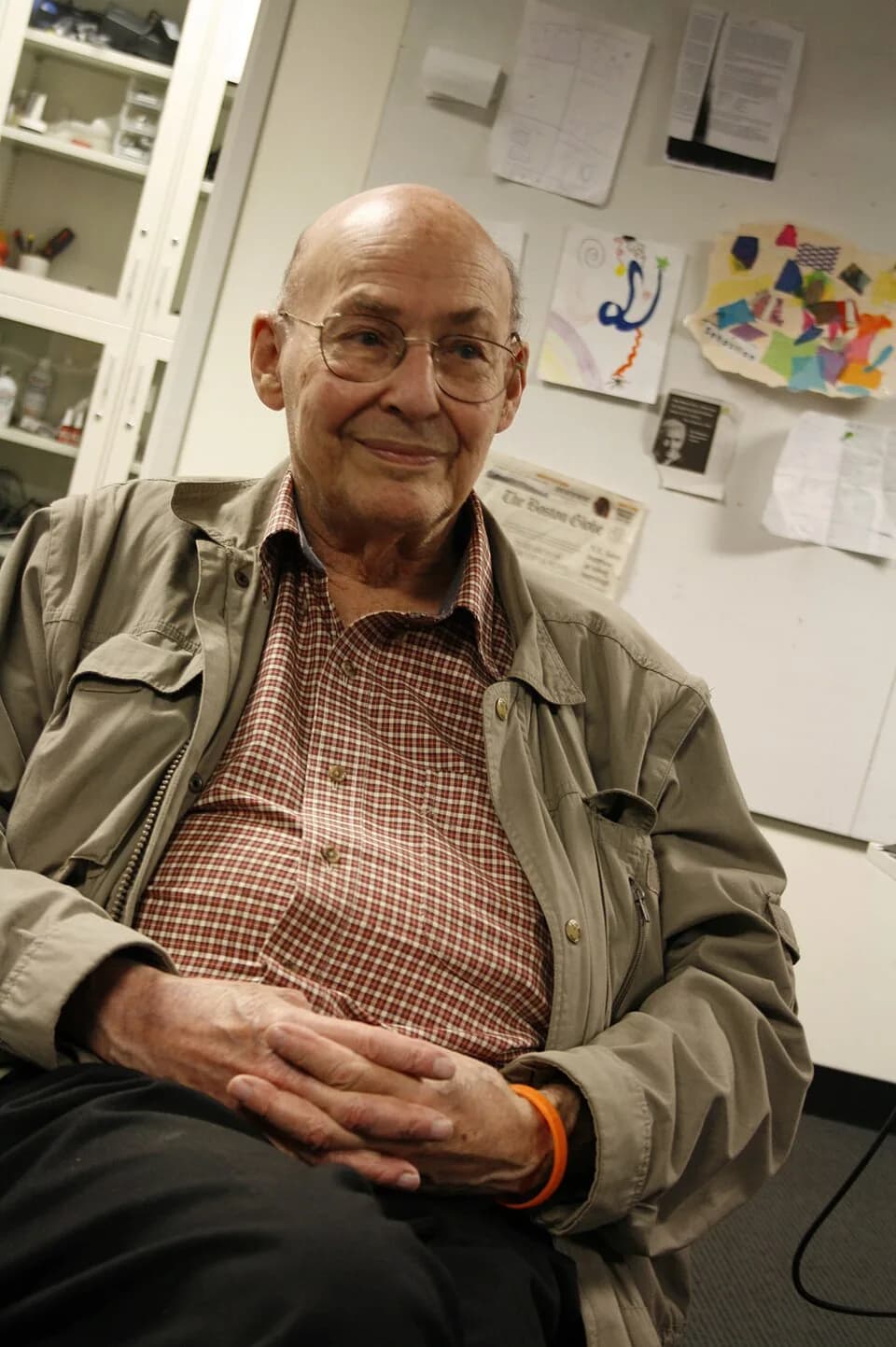
Marvin Minsky (August 9, 1927 – January 24, 2016) was an American cognitive scientist from New York City. He co-founded MIT's AI laboratory and was recognized as one of the "fathers of AI" for his pioneering research. His work profoundly shaped the understanding and development of artificial intelligence.
Chapter
Life chapters
Chapter 1 · 1927· Chapter 1 of 7
Introduction: A Visionary in Artificial Intelligence
Marvin Lee Minsky (August 9, 1927 – January 24, 2016) was an American cognitive scientist whose groundbreaking research laid much of the foundation for the field of artificial intelligence. Recognized as one of the central figures in the development of AI, his work profoundly influenced how we understand intelligence, computation, and the human mind. Minsky’s intellectual pursuits spanned a wide array of disciplines, from mathematics and computer science to philosophy and natural history.
Chapter 2 · 1927· Chapter 2 of 7
Early Life and Origins
Born on August 9, 1927, in New York City, United States, Marvin Lee Minsky began his life in a metropolis renowned for its intellectual and cultural vibrancy. His early years fostered a deep curiosity, leading him to engage with diverse subjects. Minsky’s initial interests developed into a passion for understanding complex systems, a drive that would ultimately define his career.
Chapter 3 · 1958· Chapter 3 of 7
Career Beginnings and the Rise of AI
After completing his studies, Minsky was awarded a prestigious Junior Fellowship of the Harvard Society of Fellows, an honor he held for three years. This period provided a fertile environment for his innovative thinking and collaborative research. In 1958, Marvin Minsky embarked on a new chapter, joining the esteemed faculty at the Massachusetts Institute of Technology (MIT).
Minsky would spend the entirety of his remaining career at MIT, establishing himself as a formidable intellectual force. At the institution, he played a crucial role in establishing what would become one of the world's foremost centers for AI research: MIT's AI laboratory, which he co-founded. His participation in the pivotal Dartmouth workshop, alongside Claude Shannon, Nathaniel Rochester, and John McCarthy, cemented his status as one of the "fathers of AI."
Chapter 4· Chapter 4 of 7
Major Achievements and Academic Contributions
Throughout his extensive tenure at MIT, Marvin Minsky was a central figure in the evolution of artificial intelligence. His visionary leadership and collaborative spirit were instrumental in shaping the early direction of AI research and development. He was eventually named the Toshiba Professor of Media Art & Sciences at MIT, a title reflecting the interdisciplinary nature of his contributions and his influence across both scientific and artistic domains.
Minsky's insights and pioneering spirit extended beyond the laboratory, as he was a prolific writer and philosopher. He authored extensively on the complex intersections of AI and philosophy, exploring deep questions about the nature of thought and consciousness. His contributions were not only academic but also served to popularize the nascent field of artificial intelligence to a wider audience.
Chapter 5 · 1986· Chapter 5 of 7
Notable Works and Publications
Marvin Minsky's intellectual legacy is robustly supported by his significant body of published work. One of his most widely recognized and cited works is "Engines of Creation," published in 1986, which has garnered 569 citations for its forward-thinking ideas. This publication underscored his ability to conceptualize the future of technology and human interaction.
His academic contributions spanned decades, including "What Is the Cognitive Science of Science?" from 2013, which received 76 citations, demonstrating his continued intellectual engagement. Earlier works such as "Choice of a Cell System for Vaccine Production" (1963, 11 citations) and "Decentralized minds" (1980, 7 citations) further illustrate his diverse research interests. Minsky also contributed critical reviews, such as his analysis of "Information Retrieval: Electronic Information-Logic Machines" in 1964, showcasing his broad command of scientific literature.
Chapter 6 · 2016· Chapter 6 of 7
Later Years and Passing
Marvin Minsky remained an active and influential presence at MIT throughout his life, eventually becoming an emeritus professor. His later years continued to be marked by intellectual inquiry and engagement with the scientific community he helped to build. Marvin Minsky passed away on January 24, 2016, in Boston, United States, leaving behind a profound and enduring legacy.
Chapter 7· Chapter 7 of 7
Legacy and Lasting Impact
Marvin Minsky's influence on artificial intelligence and cognitive science is undeniable and continues to resonate today. As a co-founder of MIT's AI laboratory and a celebrated figure among the "fathers of AI," he established fundamental principles that have guided generations of researchers. His pioneering work transformed theoretical concepts into tangible research directions, shaping our modern understanding of intelligent systems. Minsky's philosophical explorations into the nature of mind and machines remain central to ongoing debates in AI ethics and consciousness studies.
A life in moments
The moments that shaped a life
FAQ
Frequently asked
When did Marvin Minsky die?
Marvin Minsky died on January 24, 2016 in Boston, United States, at the age of 88.
Where was Marvin Minsky born?
Marvin Minsky was born in New York City, United States on August 9, 1927.
What is Marvin Minsky best known for?
Marvin Minsky is best known for American cognitive scientist.
How old was Marvin Minsky when they died?
Marvin Minsky was 88 years old at the time of death.
What nationality was Marvin Minsky?
Marvin Minsky was from United States.
Timeline
Life at a glance
Photo gallery
A life in pictures
Click any polaroid to expand · 25 photos
QR Code
Share This Biography
Print & Share
Scan to visit this biography page. Print for events, exhibitions, or educational materials.