Born
April 3, 1783
New York City, United States
Died
November 28, 1859
Tarrytown, United States
Known for
American writer, historian and diplomat
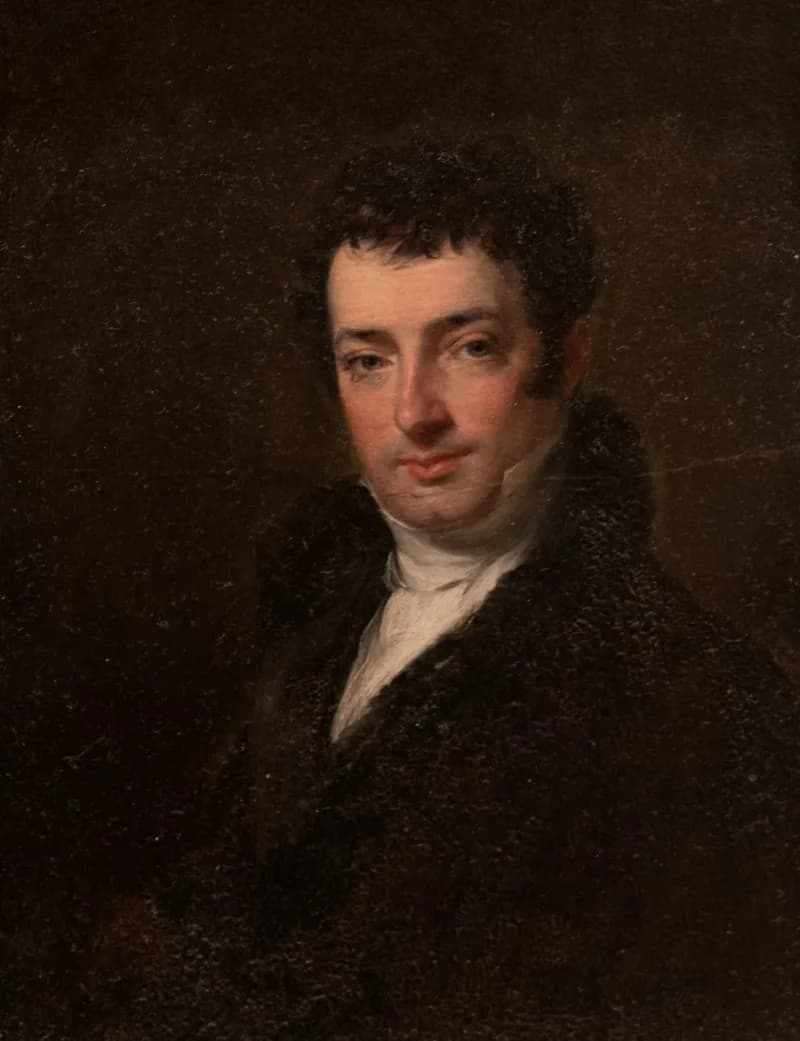
Washington Irving (1783–1859) was United States best known for American writer, historian and diplomat.
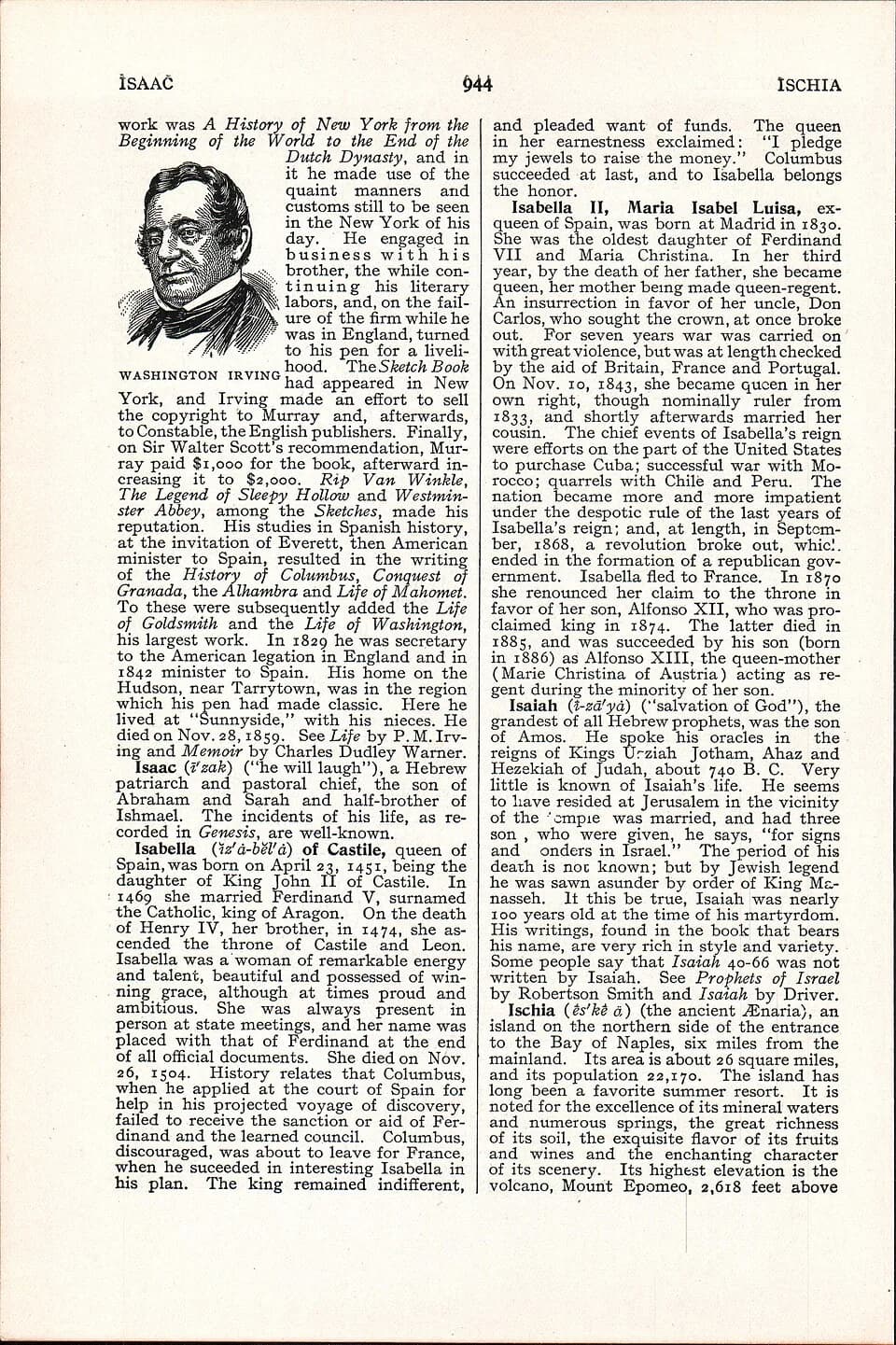
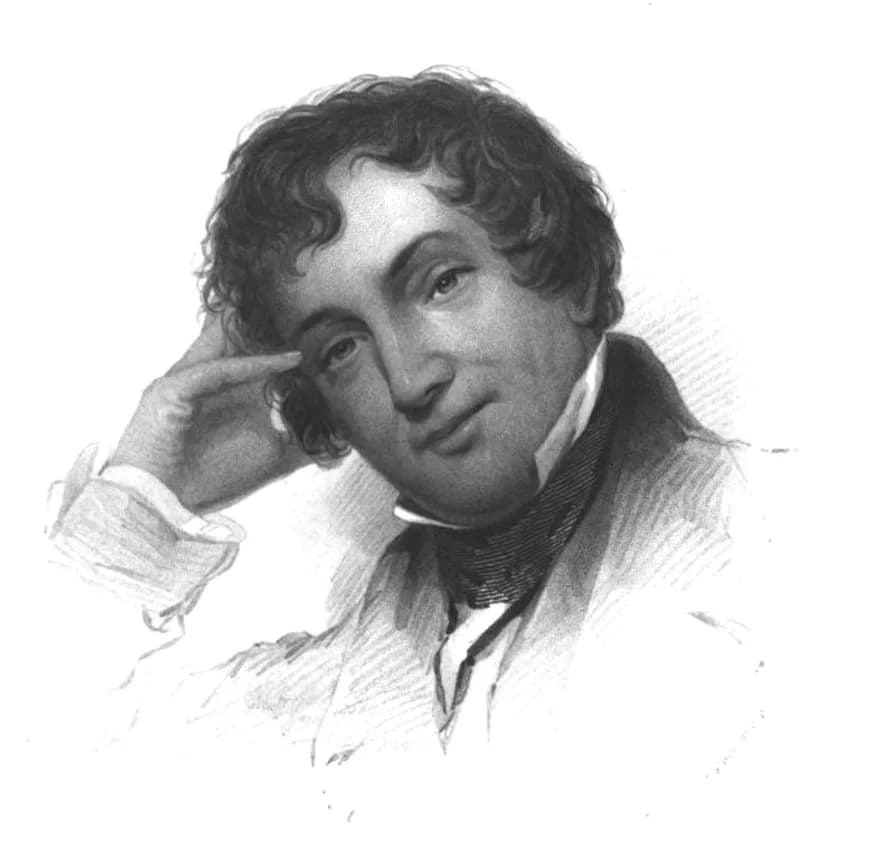
Washington Irving (April 3, 1783 – November 28, 1859) was an American writer, historian, and diplomat from New York City. He authored iconic works like "Rip Van Winkle" and "The Legend of Sleepy Hollow," shaping early American literature. Irving's contributions continue to define a significant era of American letters.
Chapter
Life chapters
Chapter 1 · 1783· Chapter 1 of 6
Early Life and Origins
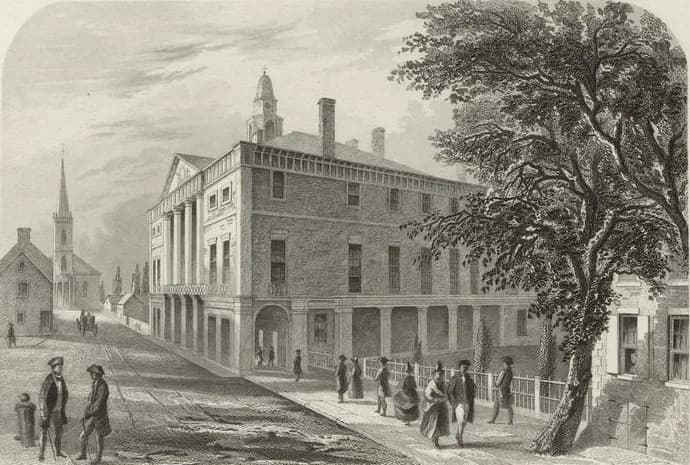
Born on April 3, 1783, Washington Irving entered the world in New York City, United States, at a time when the young nation was finding its identity. He was the youngest of eleven children to Scottish-immigrant parents, William Irving Sr. and Sarah Sanders. Though details of his formal education are not extensively detailed, his upbringing in a bustling port city undoubtedly exposed him to a rich array of stories and cultures that would later inspire his literary endeavors.
Irving’s family was involved in the city’s commercial and political life, providing him with early insights into the mechanisms of society. He began his professional path studying law, which was a common starting point for aspiring gentlemen of the era. This legal training, while perhaps not his ultimate passion, honed his analytical skills and capacity for detailed research, traits that would prove invaluable in his future as a historian and biographer.
Chapter 2· Chapter 2 of 6
Career Beginnings
Washington Irving commenced his literary career contributing essays and satirical pieces to New York periodicals, often under various pseudonyms. These early writings showcased his keen observational skills and humorous wit, quickly garnering him a local following. His initial publications helped establish his voice as a compelling commentator on American life and customs.
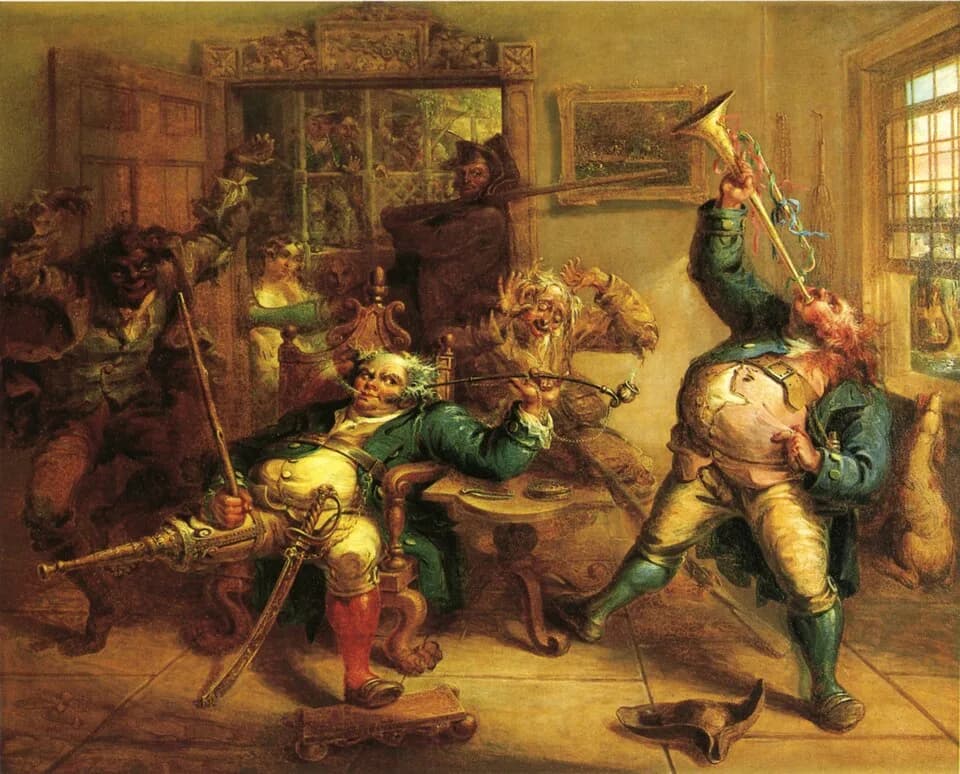
One of his early significant works was "A History of New York, from the Beginning of the World to the End of the Dutch Dynasty," published in 1809 under the humorous pseudonym Diedrich Knickerbocker. This satirical history, blending fact with fiction, offered a whimsical and enduring perspective on the colonial Dutch period of New York. It not only entertained readers but also introduced a distinctively American literary humor, solidifying Irving’s reputation as a promising new voice in literature.
Chapter 3 · 1819· Chapter 3 of 6
Major Achievements and Career Highlights
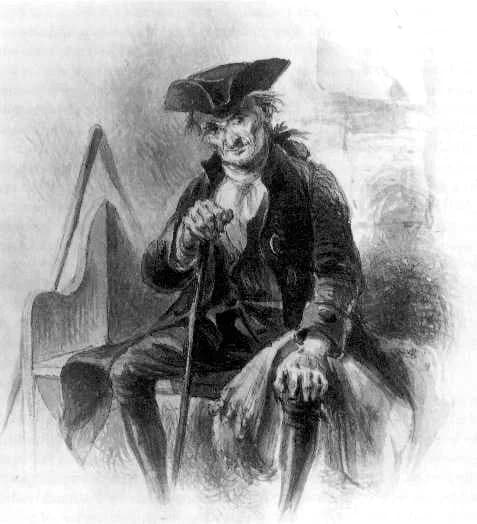
Irving's literary prowess reached new heights with the publication of "The Sketch Book of Geoffrey Crayon, Gent." in 1819-1820. This collection of essays and short stories contained two of his most iconic and enduring tales: "Rip Van Winkle" and "The Legend of Sleepy Hollow." These stories not only captivated audiences in both America and Europe but also became foundational texts in the development of American folklore and supernatural fiction.
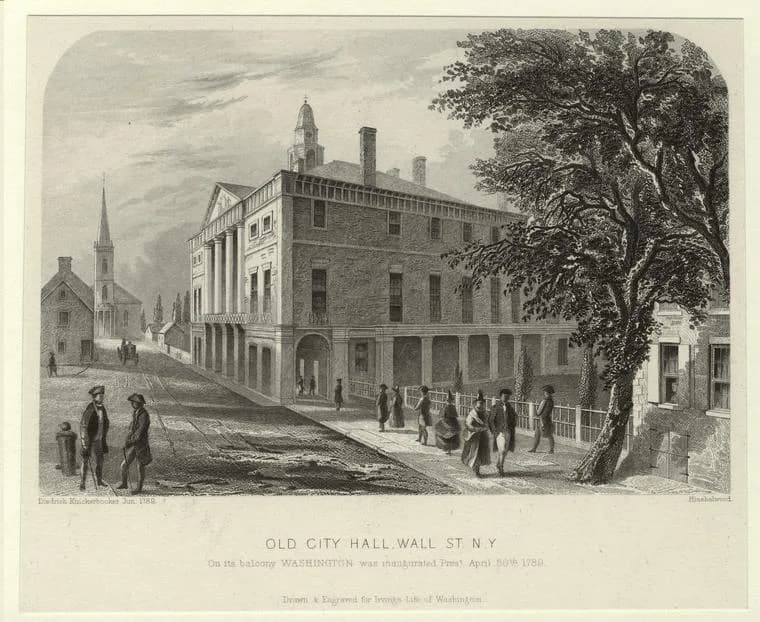
Beyond his fiction, Washington Irving dedicated significant effort to historical scholarship and biography. He produced detailed biographies of notable figures such as Oliver Goldsmith, Muhammad, and the monumental five-volume work on George Washington. These biographical undertakings reflected his deep interest in history and his commitment to presenting comprehensive accounts of influential lives, ensuring their stories were preserved for future generations.
His interest in history also extended to 15th-century Spain, resulting in several historical works that explored subjects like the Alhambra, Christopher Columbus, and the Moors. These writings revealed a meticulous approach to historical research and a vivid narrative style that brought distant eras to life for his readers. His work on Christopher Columbus, for example, became a widely read and referenced account of the explorer's voyages.
Washington Irving’s career was not confined to literature alone; he also distinguished himself in public service. He served as the American ambassador to Spain in the 1840s, a role that combined his diplomatic skills with his deep appreciation for Spanish culture and history. This appointment was a significant highlight, allowing him to represent his nation on the international stage while immersing himself further in the historical settings he so often wrote about.
Chapter 4· Chapter 4 of 6
Notable Works or Contributions
Washington Irving's bibliography is rich with diverse and influential works that have stood the test of time. Among his most celebrated contributions is "The Sketch Book of Geoffrey Crayon, Gent.," which introduced the enduring characters and settings of "Rip Van Winkle" and "The Legend of Sleepy Hollow." These two tales remain cornerstones of American literature, widely read and adapted across various media.
His historical accounts include "The Life and Voyages of Christopher Columbus," a comprehensive narrative that popularized the explorer's story for generations of readers. Irving also penned "A History of New York, from the Beginning of the World to the End of the Dutch Dynasty," a foundational piece of American satire. Further illustrating his wide-ranging interests, he wrote "Tales of a Traveller" and documented western American adventures in "Voyages et aventures du Captaine Bonneville a l'ouest des Etats-Unis d'Amérique, au dela des Montagnes Rocheuses."
Chapter 5· Chapter 5 of 6
Later Years
Following his distinguished service as the American ambassador to Spain in the 1840s, Washington Irving returned to the United States. He continued his literary pursuits, notably focusing on his extensive biography of George Washington, which he worked on during his later years. This ambitious project occupied much of his time, reflecting his unwavering dedication to historical scholarship and his admiration for the nation's first president.
Washington Irving passed away on November 28, 1859, in Tarrytown, United States, at the age of 76. His death marked the end of a prolific and influential life that had seen significant contributions to American literature, history, and diplomacy. He lived long enough to witness the profound impact of his works on a burgeoning national identity.
Chapter 6· Chapter 6 of 6
Legacy and Impact
Washington Irving’s legacy is deeply woven into the fabric of American culture and literature. As one of the first American authors to achieve international acclaim, he played a crucial role in shaping a distinct national literary voice separate from European traditions. His short stories, particularly "Rip Van Winkle" and "The Legend of Sleepy Hollow," became foundational myths of the United States, influencing countless writers and artists who followed.
His work as a historian and biographer brought important figures and periods to life, contributing significantly to the public's understanding of figures like Christopher Columbus and George Washington. Irving’s blend of factual research with engaging narrative style set a standard for historical writing. He remains a beloved figure whose warm wit, keen observations, and timeless stories continue to resonate with readers, cementing his status as a true pioneer of American letters.
A life in moments
The moments that shaped a life
FAQ
Frequently asked
When did Washington Irving die?
Washington Irving died on November 28, 1859 in Tarrytown, United States, at the age of 76.
Where was Washington Irving born?
Washington Irving was born in New York City, United States on April 3, 1783.
What is Washington Irving best known for?
Washington Irving is best known for American writer, historian and diplomat.
How old was Washington Irving when they died?
Washington Irving was 76 years old at the time of death.
What nationality was Washington Irving?
Washington Irving was from United States.
Timeline
Life at a glance
Photo gallery
A life in pictures
Click any polaroid to expand · 24 photos
QR Code
Share This Biography
Print & Share
Scan to visit this biography page. Print for events, exhibitions, or educational materials.