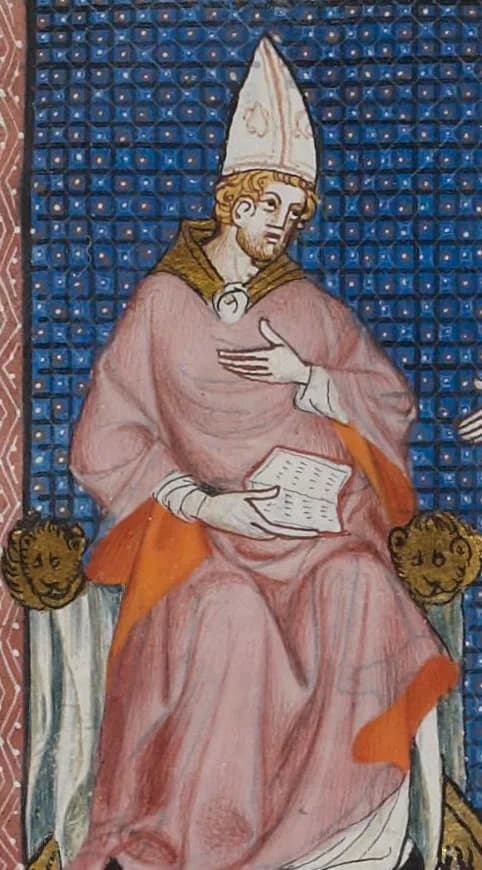
Born
April 3, 1220
Touraine, France
Died
April 11, 1285
Perugia, Italy
Known for
Head of the Catholic Church from 1281 to 1285
Martin IV (1220–1285) was France best known for Head of the Catholic Church from 1281 to 1285.
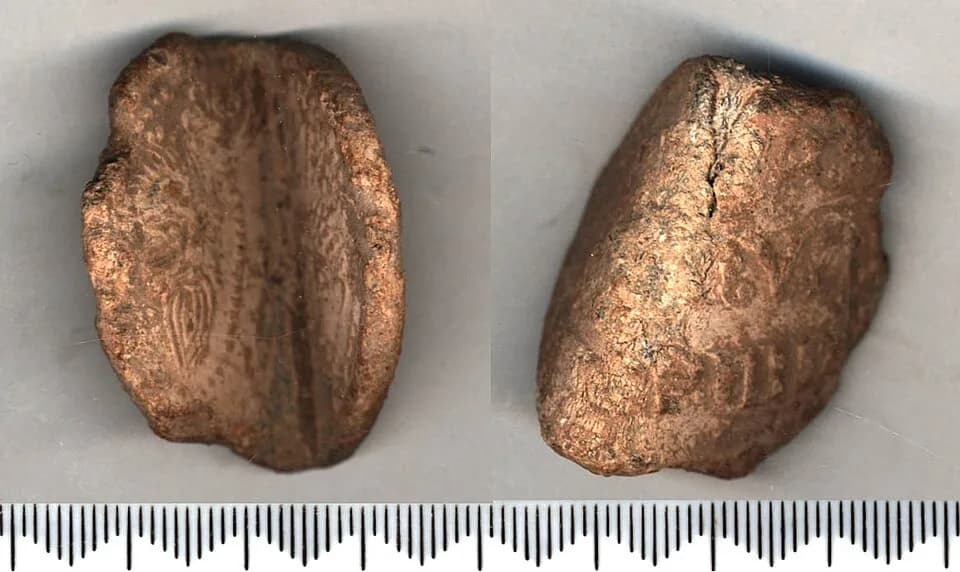
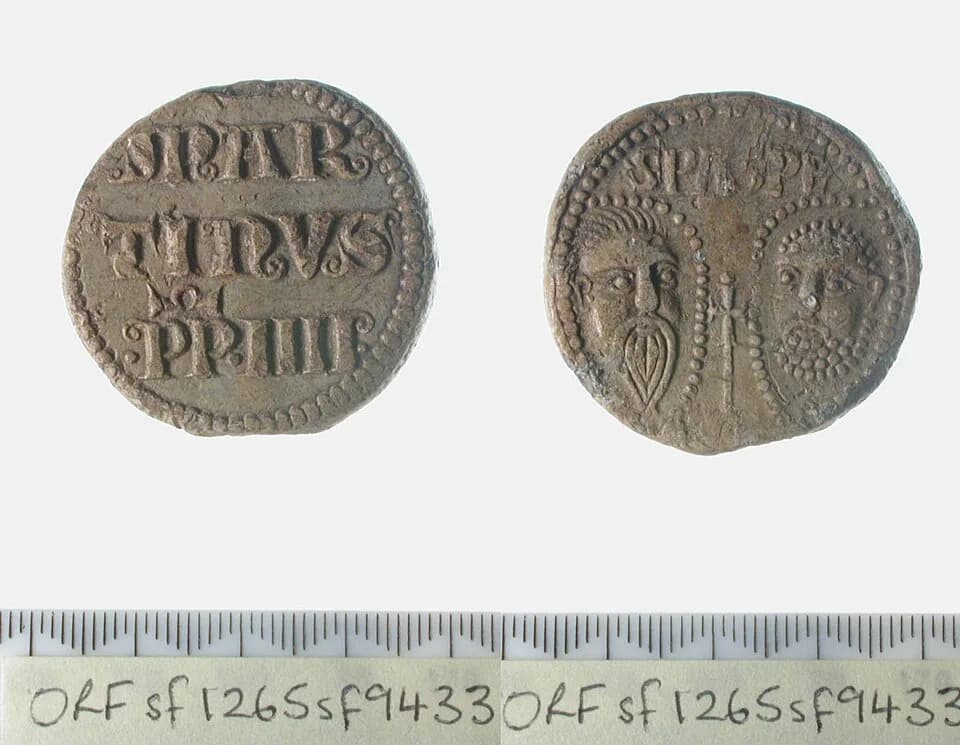
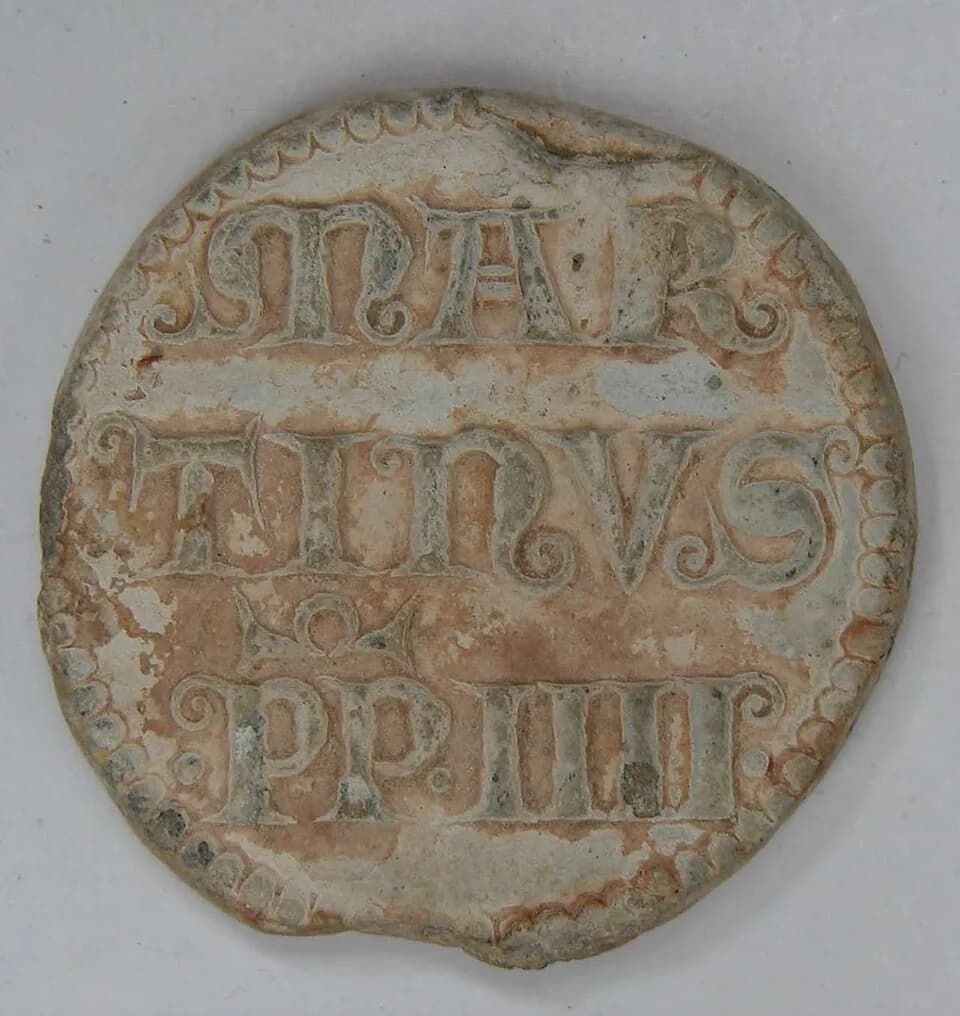
Martin IV (April 3, 1220 – April 11, 1285) was a Catholic priest and diplomat from Touraine, France, who became the head of the Catholic Church. He served as Pope from 1281 to 1285, notably being the last French pope to hold court in Rome before the move to Avignon. His leadership guided the Church through a pivotal period.
Chapter
Life chapters
Chapter 1 · 1220· Chapter 1 of 7
Early Life and Origins
Born on April 3, 1220, Martin IV originated from Touraine, a region nestled within the historical heartland of France. His early life would have been shaped by the prevailing societal norms and the strong influence of the Church during the 13th century. While specific details about his family and childhood upbringing are not extensively recorded in historical documents, his French origins are a key aspect of his identity and later papal career. The environment of Touraine undoubtedly provided a foundational experience for his future spiritual and diplomatic endeavors, fostering a deep connection to both his homeland and the wider Christian world.
During this period, France was a powerful and influential kingdom, deeply intertwined with the affairs of the Church. Growing up in such a setting would have exposed him to the complexities of both secular governance and ecclesiastical administration from a young age. This upbringing in a historically significant European region contributed to the formation of a man destined for high office. His immersion in the cultural and religious currents of 13th-century France prepared him for the demanding roles he would later undertake.
Chapter 2· Chapter 2 of 7
Career Beginnings
Martin IV began his professional life dedicated to spiritual service as a Catholic priest, a foundational step that immersed him deeply in the Church's doctrines and practices. This priestly vocation was the cornerstone upon which his impressive ecclesiastical career was built. As a priest, he would have engaged in sacramental duties, pastoral care, and administrative responsibilities within the Church structure, gaining invaluable experience in spiritual leadership.
Beyond his priestly duties, Martin IV also distinguished himself in the field of diplomacy, a profession requiring keen intellect, negotiation skills, and a profound understanding of political dynamics. His work as a diplomat would have involved representing ecclesiastical interests in various courts across Europe. This early exposure to international relations and complex negotiations honed his abilities to navigate the intricate political landscape of the medieval era. It equipped him with the essential skills for the demanding responsibilities he would later assume as Pope.
Chapter 3 · 1281· Chapter 3 of 7
Major Achievements and Career Highlights
The zenith of Martin IV's career arrived with his election as the head of the Catholic Church, a position he formally assumed on February 22, 1281. As Pope, he simultaneously became the spiritual leader for all of Christendom and the temporal leader of the Papal States. This dual role placed him at the very center of European religious, political, and social life, wielding immense influence and responsibility across the continent. His papacy marked a significant phase in the Church's ongoing history.
Throughout his time in office, which concluded with his death on April 11, 1285, Martin IV governed from Rome, the traditional seat of the Papacy. His leadership of the Papal States involved managing territories, finances, and military matters, alongside his spiritual duties. This period saw him make decisions that impacted both the internal workings of the Church and its external relations with various European kingdoms. His tenure as Pope reflected the ongoing challenges and opportunities facing the Church in the late 13th century.
Chapter 4· Chapter 4 of 7
Personal Life
While Martin IV's public life as a Catholic priest, diplomat, and ultimately Pope is documented through his professional roles, specific details regarding his personal life are not widely known. As was common for high-ranking clergy in the medieval period, his life was predominantly defined by his commitment to the Church and its mission. The demands of his priestly and papal duties would have absorbed the majority of his time and energy.
Information about his private interests, family relationships outside of a spiritual context, or daily routines remains largely absent from historical records. Such a dedicated path often meant a life focused on service and spiritual devotion, with personal pursuits taking a secondary role. His identity was intrinsically linked to his ecclesiastical roles and the profound responsibilities they entailed.
Chapter 5· Chapter 5 of 7
Notable Works or Contributions
As the head of the Catholic Church, Martin IV's most significant contributions stemmed from his leadership and administration of the vast Christian institution. He was responsible for upholding doctrinal orthodoxy, overseeing the governance of various dioceses, and guiding the spiritual lives of millions of faithful across Europe. His role as the leader of the Papal States also meant managing considerable temporal power, including political alliances and territorial administration. These responsibilities required continuous engagement in both spiritual and worldly affairs.
His background as a diplomat would have been exceptionally useful in navigating the complex political landscape of the time, influencing relations between Christian monarchs and guiding the Church's interactions with various secular powers. While specific encyclicals or major theological texts penned by him are not detailed in the provided information, his pontificate represented a period of active governance and decision-making for the universal Church. The sum of his administrative actions and spiritual leadership constituted his major contributions during his time as Pope.
Chapter 6 · 1285· Chapter 6 of 7
Later Years
Martin IV's service to the Catholic Church continued without interruption until his death on April 11, 1285. His final years as Pope were spent in Perugia, Italy, which served as his death place. This city, known for its historical and religious significance, was a common residence for popes during that era, reflecting the fluidity of the papal court's locations. His pontificate concluded in Perugia, bringing to an end a life of unwavering dedication to the Church.
His passing marked the conclusion of a significant chapter in papal history and the end of his leadership over the Catholic Church and the Papal States. The transition of leadership following his death would pave the way for a new pontiff to guide the Church through the evolving challenges of the late 13th century. Martin IV's final resting place and the circumstances of his death in Perugia are key details marking the end of his remarkable life.
Chapter 7 · 1281· Chapter 7 of 7
Legacy and Impact
Martin IV holds a distinct and historically significant position as the last French pope to hold his court in Rome before the eventual and prolonged move of the papacy to Avignon. This particular detail underscores his place at a crucial juncture in the institutional history of the Catholic Church. His pontificate, from 1281 to 1285, thus represents a specific historical moment, linking the traditional Roman papacy with the imminent shift towards French dominance in the papal office and its subsequent relocation.
His leadership as the head of the Catholic Church and leader of the Papal States, combined with his prior experience as a seasoned diplomat, had a lasting impact on the ecclesiastical and political framework of the late 13th century. He is remembered for his governance during a complex era, navigating the spiritual needs of the Church alongside the temporal demands of the Papal States. Martin IV's legacy is intrinsically tied to his role in maintaining the Church's authority and stability in a period of considerable European change, just before a major turning point in its history.
A life in moments
The moments that shaped a life
FAQ
Frequently asked
When did Martin IV die?
Martin IV died on April 11, 1285 in Perugia, Italy, at the age of 65.
Where was Martin IV born?
Martin IV was born in Touraine, France on April 3, 1220.
What is Martin IV best known for?
Martin IV is best known for Head of the Catholic Church from 1281 to 1285.
How old was Martin IV when they died?
Martin IV was 65 years old at the time of death.
What nationality was Martin IV?
Martin IV was from France.
Timeline
Life at a glance
Photo gallery
A life in pictures
Click any polaroid to expand · 48 photos
QR Code
Share This Biography
Print & Share
Scan to visit this biography page. Print for events, exhibitions, or educational materials.