Born
October 4, 1917
San Carlos, Chile
Died
February 5, 1967
La Reina, Chile
Known for
Chilean musician and folklorist
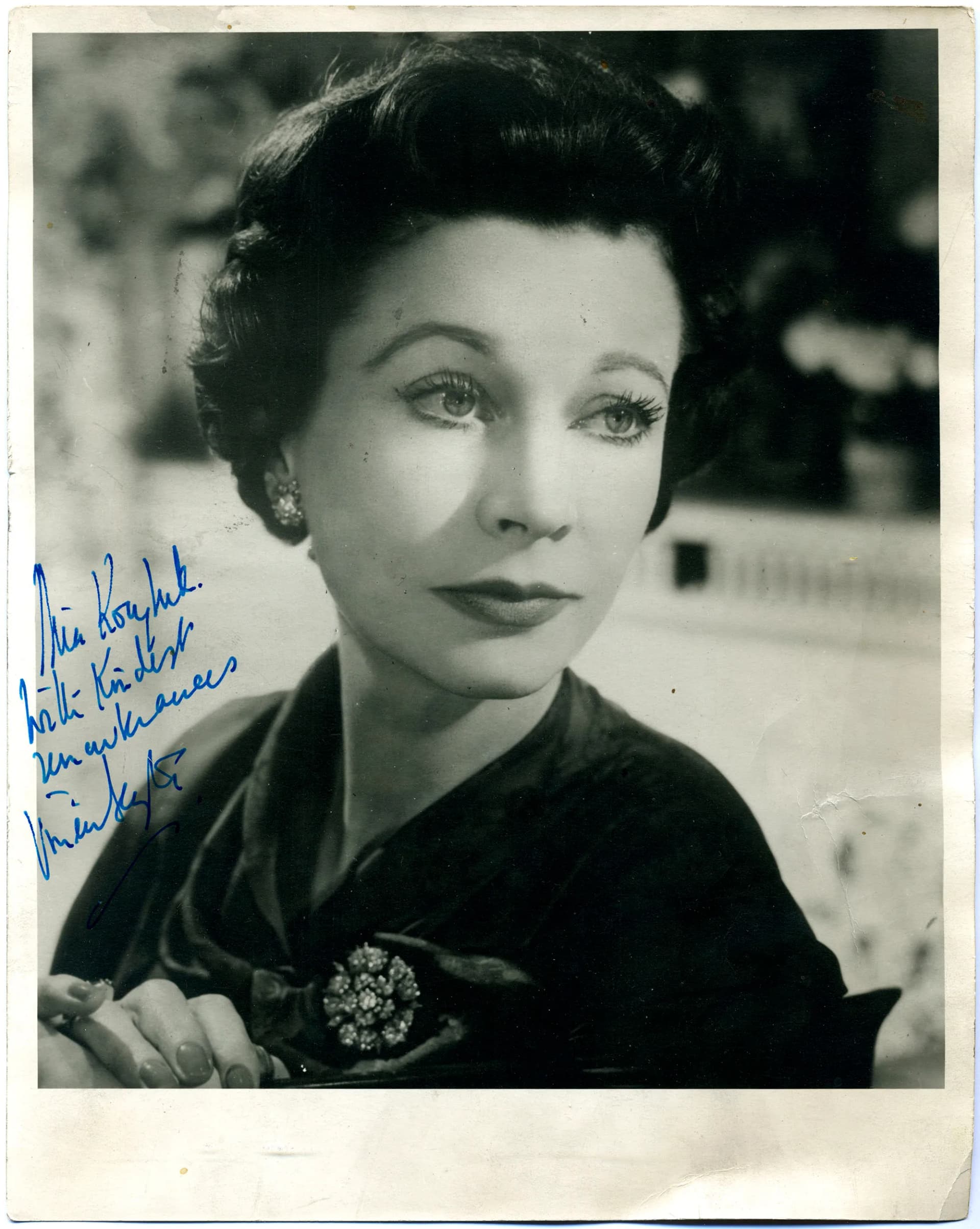
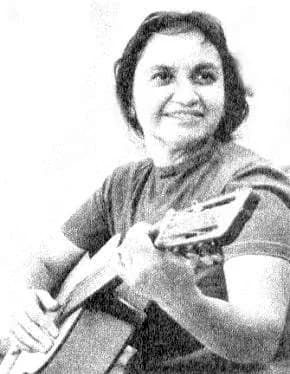
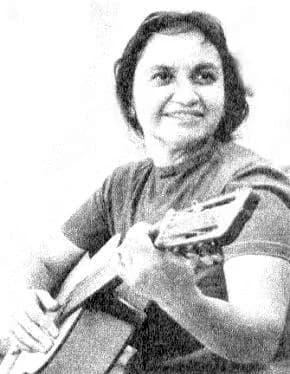
Violeta Parra (1917–1967) was Chile best known for Chilean musician and folklorist.
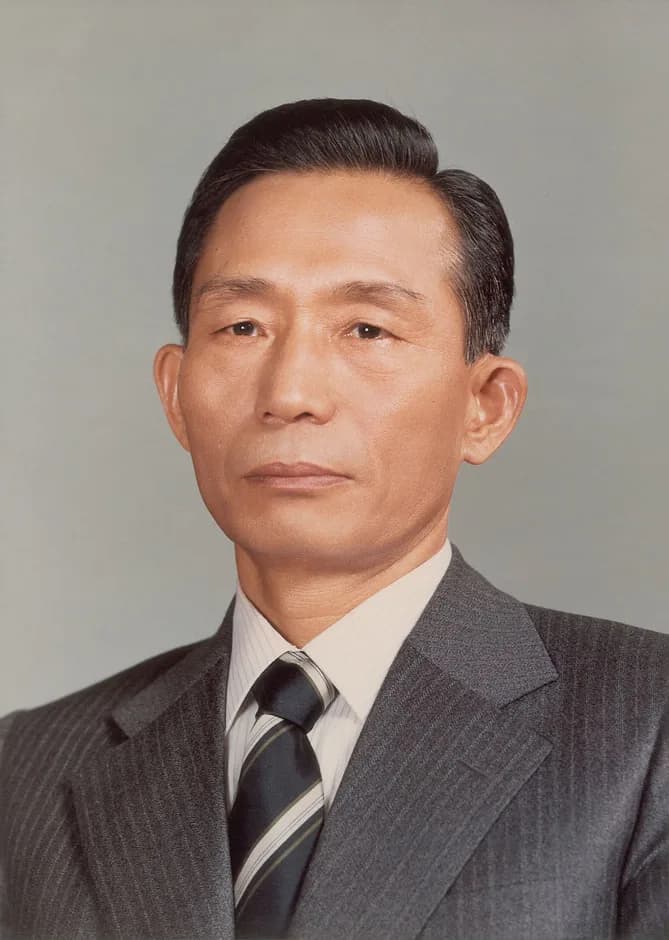
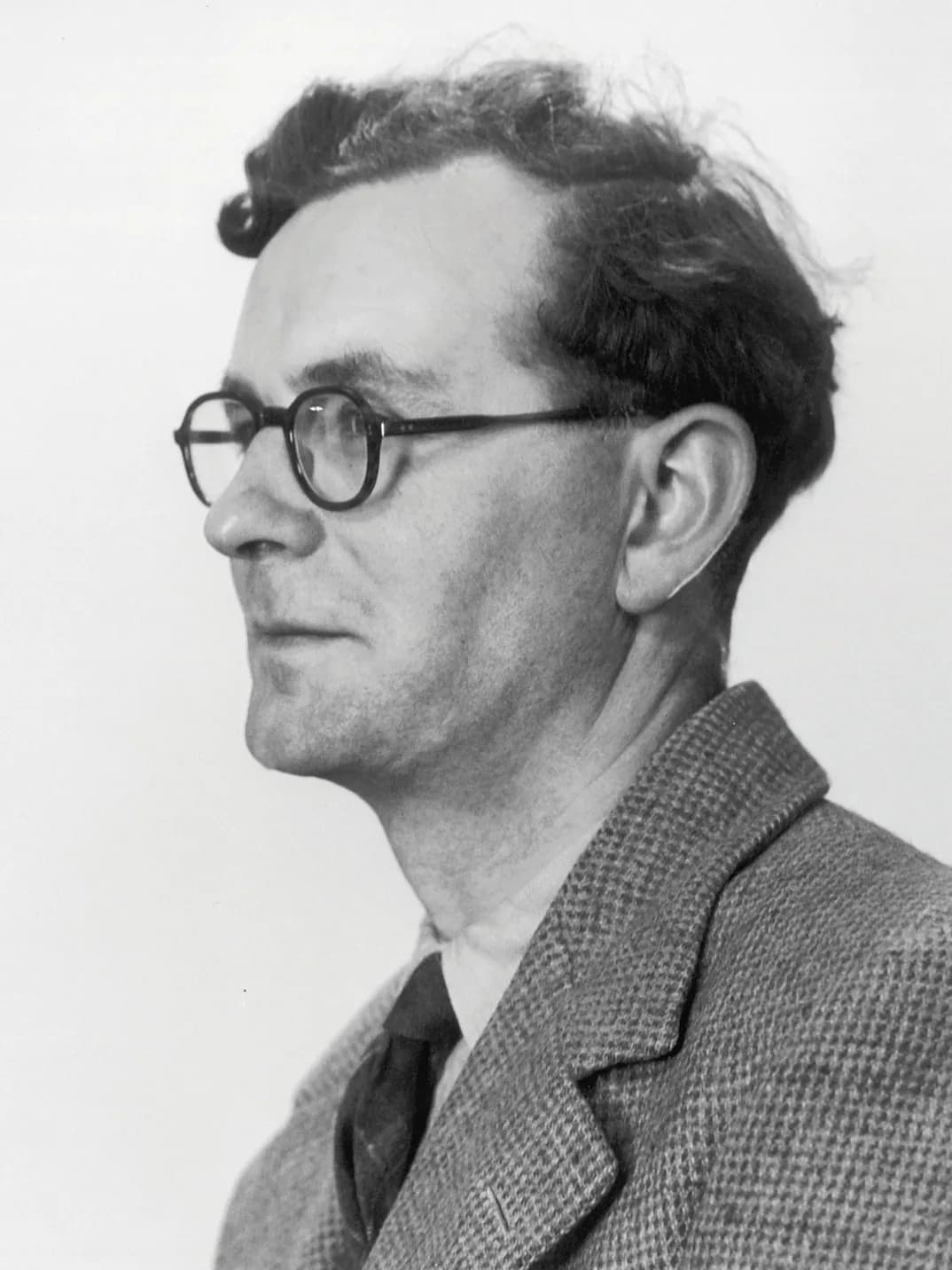
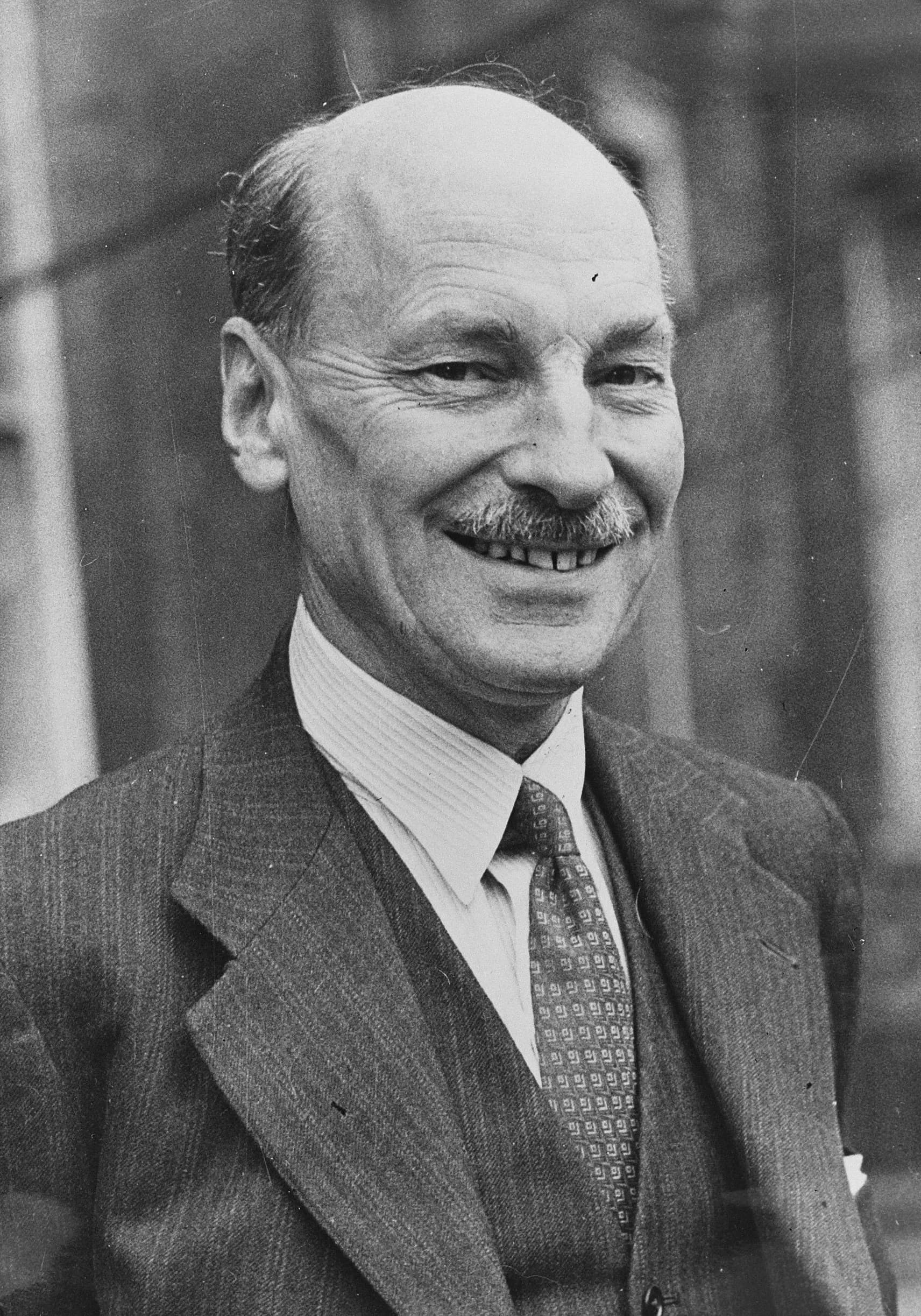
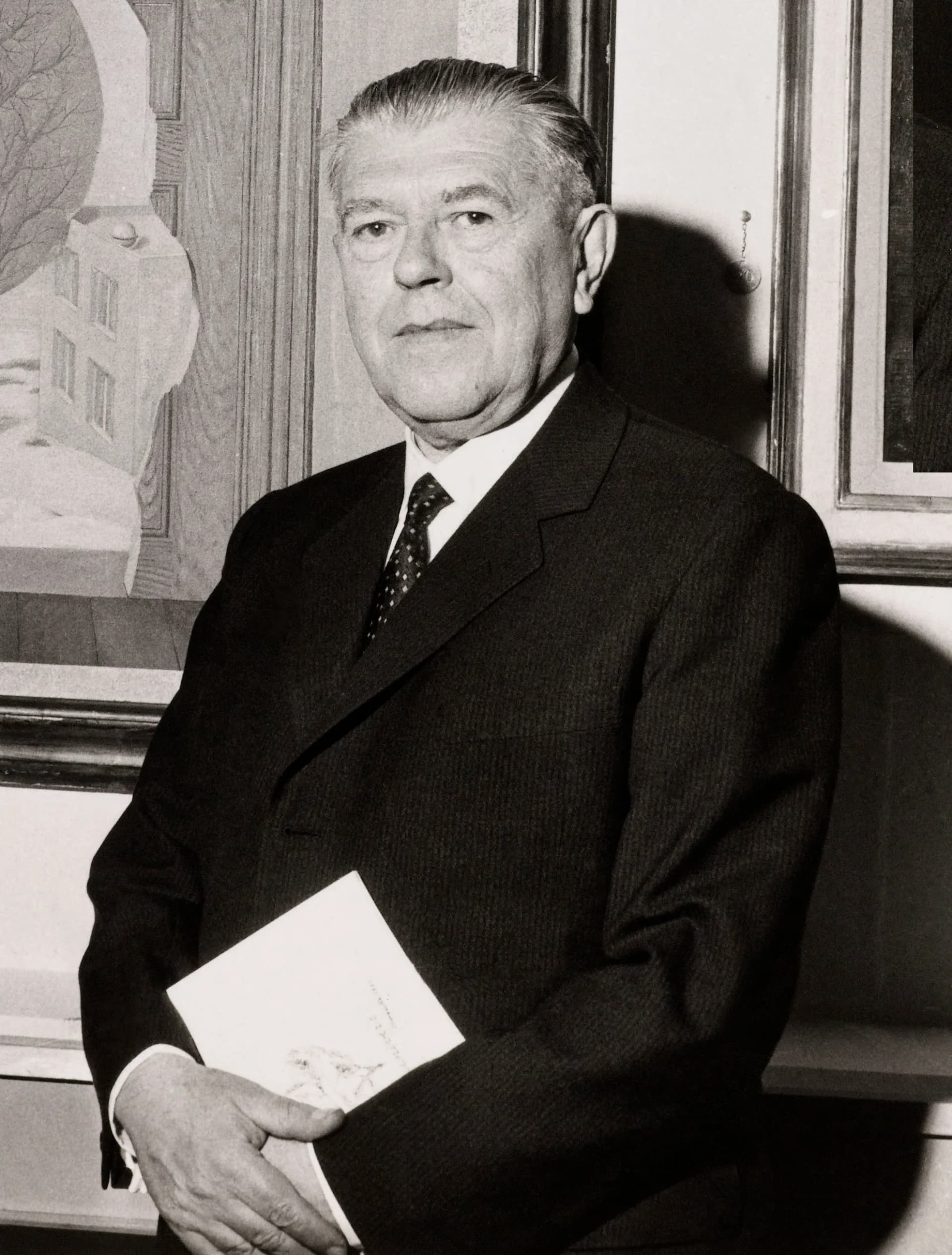
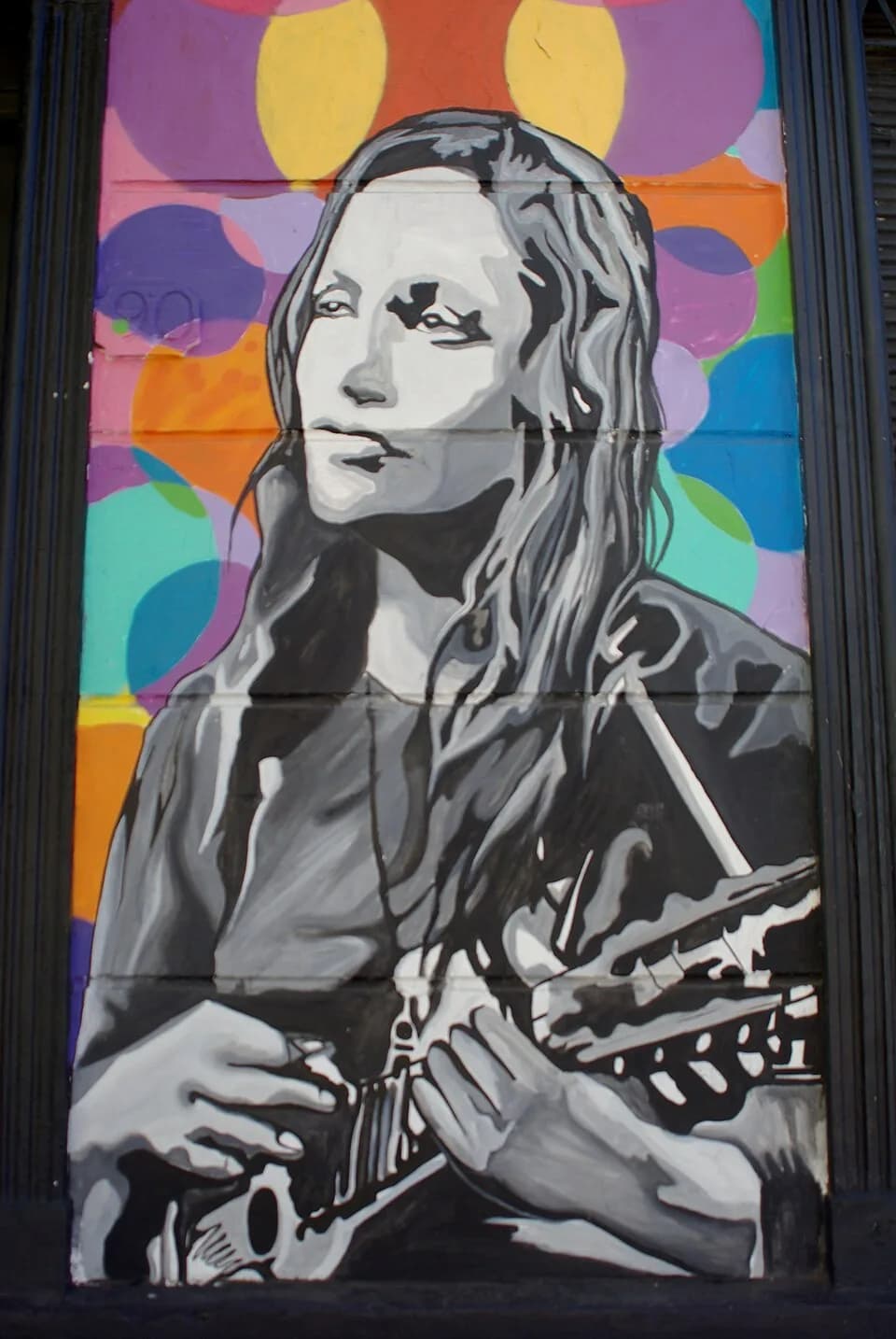
Violeta del Carmen Parra Sandoval (October 4, 1917 – February 5, 1967) was a Chilean musician and folklorist from San Carlos, Chile. She pioneered the Nueva Canción Chilena, revitalizing folk music and extending its global influence. Her artistic contributions across many mediums continue to inspire.
A life in moments
The moments that shaped a life
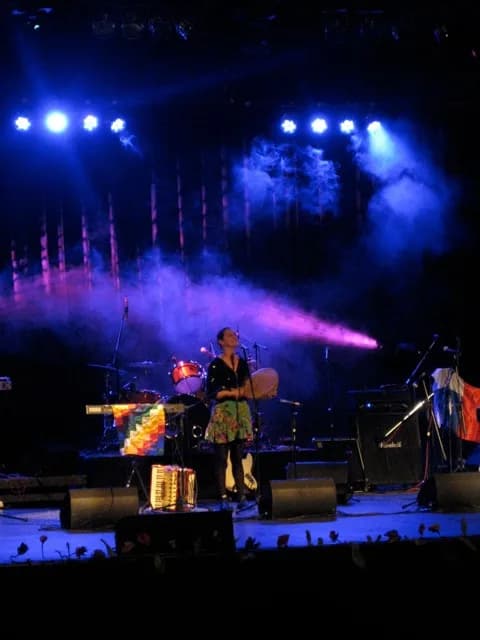
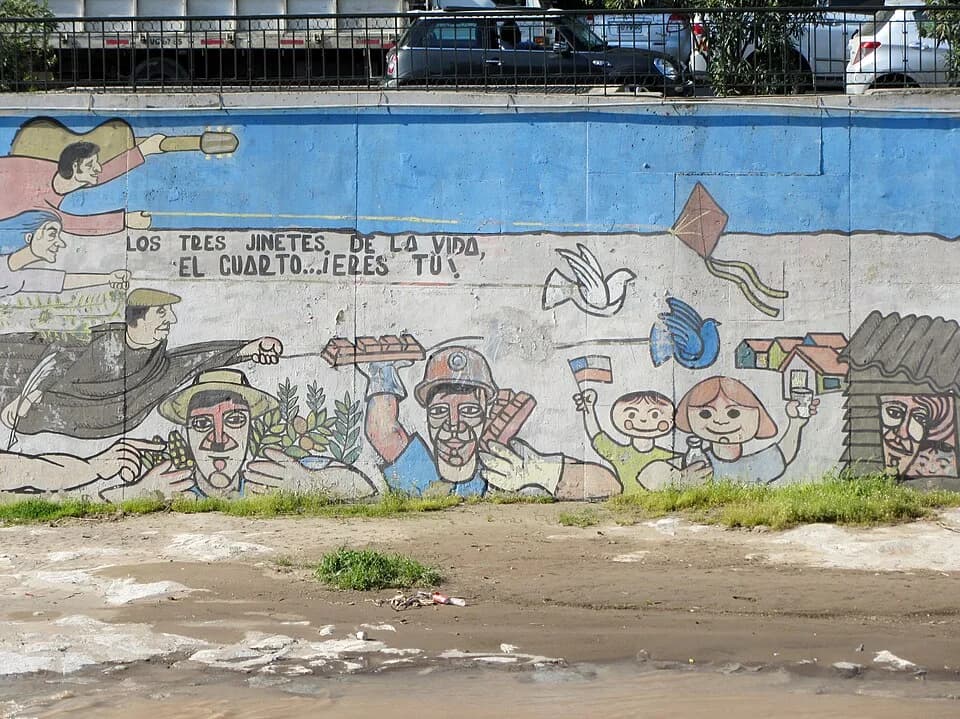
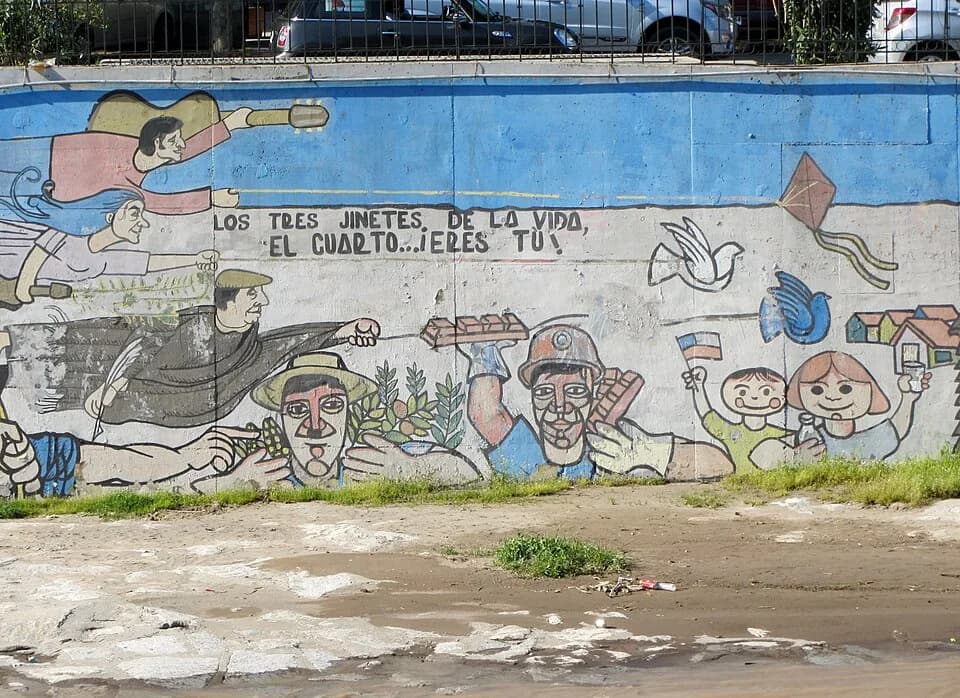
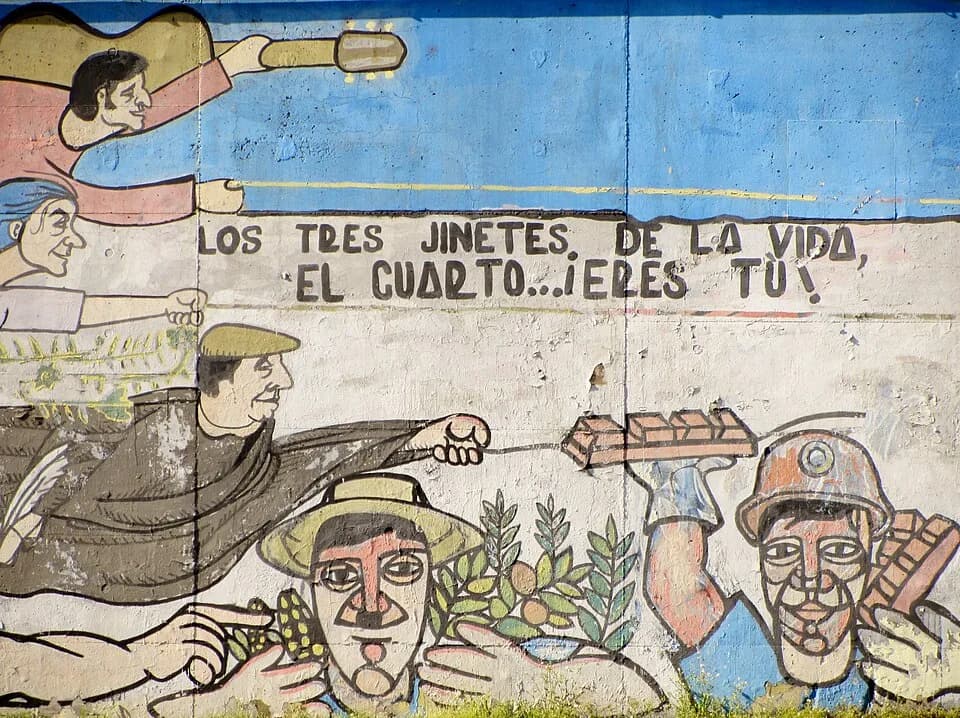
Chapter
Life chapters
Chapter 1 · 1917· Chapter 1 of 7
Early Life and Origins
Born on October 4, 1917, in San Carlos, Chile, Violeta Parra's early life was deeply rooted in the rich traditions and landscapes of her native country. Her experiences growing up in Chile provided an intimate connection to the folk heritage, local stories, and traditional music that would become the wellspring of her later creative expressions. This profound immersion in her cultural environment laid the essential groundwork for her pioneering work as an ethnomusicologist and artist.
Chapter 2· Chapter 2 of 7
Career Beginnings
Parra’s artistic career began with her dedication to the authentic sounds of Chile, transforming her into a passionate folklorist and ethnomusicologist. She tirelessly traveled across Chile, meticulously documenting and recording traditional songs and musical forms that were at risk of being forgotten. This extensive fieldwork not only preserved invaluable cultural heritage but also informed her original compositions, which blended traditional elements with contemporary perspectives.
Chapter 3· Chapter 3 of 7
Major Achievements and Career Highlights
Her most significant contribution was spearheading the Nueva Canción Chilena, a vibrant and politically charged artistic movement that revitalized Chilean folk music. Through this pioneering effort, Violeta Parra not only reintroduced traditional melodies but infused them with social commentary and poetic depth, reaching audiences globally. Beyond music, her artistic endeavors extended to painting, sculpting, embroidering, and ceramics, allowing her to express her vision across various mediums and further enriching her legacy.
Chapter 4 · 1956· Chapter 4 of 7
Notable Works or Contributions
Violeta Parra's extensive discography showcases her evolution as a recording artist, beginning with works like "Cantos de Chile" (1956) and continuing with "El folklore de Chile, vol. I: Violeta Parra, canto y guitarra" (1957). Further defining her sound were albums such as "El folklore de Chile, vol. II: Violeta Parra, acompañándose en guitarra" (1958) and "Recordando a Chile: Una chilena en París" (1965), which highlighted her versatility and international appeal. Her creative genius culminated in "Las últimas composiciones de Violeta Parra" (1966), an album featuring her globally recognized masterpiece, "Gracias a la Vida." Additionally, her literary contributions include "Décimas," published posthumously in 1976, and "El libro mayor de Violeta Parra," reflecting her prowess as a writer and poet.
Chapter 5· Chapter 5 of 7
Personal Life
While details of her private life are often interwoven with her art, Violeta Parra’s personal experiences undoubtedly fueled her profound artistic expressions. Her dedication to Chilean culture and her role as a voice for social justice were deeply personal commitments, reflected in the honesty and raw emotion of her work. She channeled her life’s joys and sorrows into art forms, creating a powerful connection with her audience.
Chapter 6 · 1967· Chapter 6 of 7
Later Years
Violeta Parra's later years were marked by continued artistic exploration and a tireless commitment to her cultural mission. She remained active in composition and performance, striving to further her vision for Chilean folk music and its global appreciation. Her life concluded on February 5, 1967, in La Reina, Chile, leaving behind an extraordinary body of work that continues to influence artists worldwide.
Chapter 7· Chapter 7 of 7
Legacy and Impact
Violeta Parra's legacy is profound and enduring, establishing her as a foundational figure in contemporary Latin American music and art. Her reinvention of Chilean folk music through the Nueva Canción Chilena created a powerful new genre, celebrated for its artistic merit and cultural significance. She is remembered as a true polymath whose contributions across music, poetry, and visual arts continue to inspire and resonate, solidifying her status as an irreplaceable voice for Chile and the world.
FAQ
Frequently asked
When did Violeta Parra die?
Violeta Parra died on February 5, 1967 in La Reina, Chile, at the age of 49.
Where was Violeta Parra born?
Violeta Parra was born in San Carlos, Chile on October 4, 1917.
What is Violeta Parra best known for?
Violeta Parra is best known for Chilean musician and folklorist.
How old was Violeta Parra when they died?
Violeta Parra was 49 years old at the time of death.
What nationality was Violeta Parra?
Violeta Parra was from Chile.
Timeline
Life at a glance
Photo gallery
A life in pictures
Click any polaroid to expand · 25 photos
QR Code
Share This Biography
Print & Share
Scan to visit this biography page. Print for events, exhibitions, or educational materials.