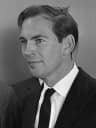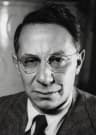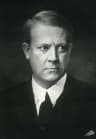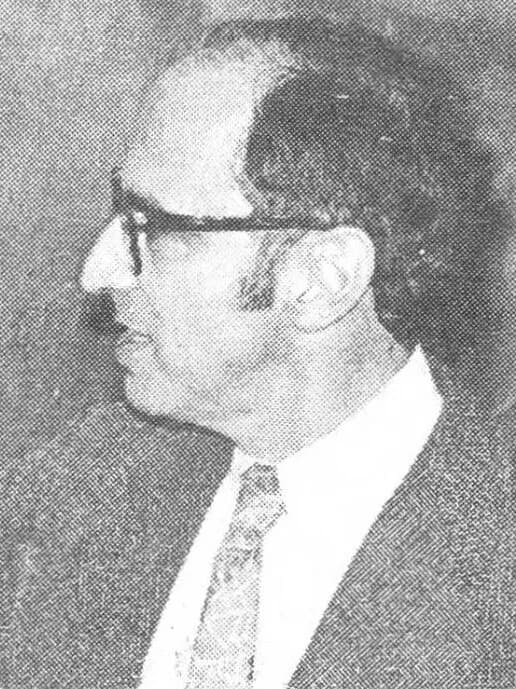
Born
July 18, 1922
Cincinnati, United States
Died
June 17, 1996
Cambridge, United States
Known for
American historian, physicist and philosopher
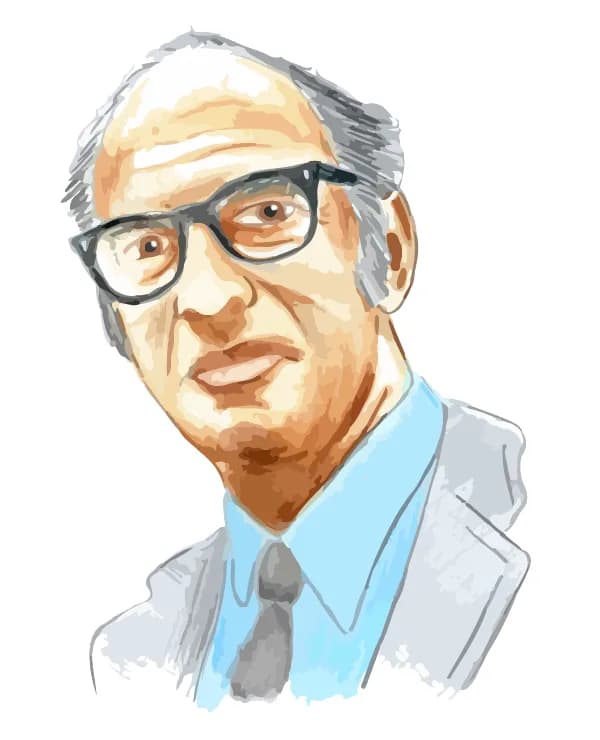
Thomas Kuhn (1922–1996) was United States best known for American historian, physicist and philosopher.
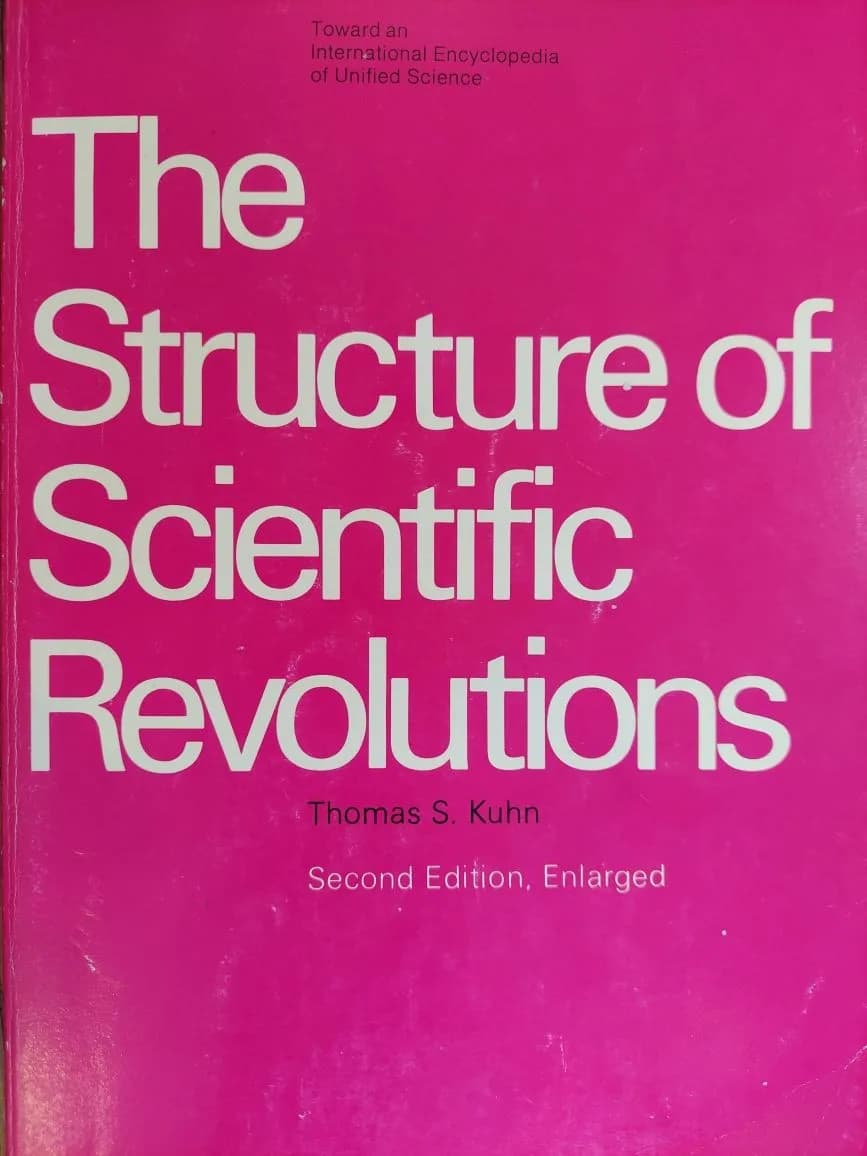
Thomas Samuel Kuhn (July 18, 1922 – June 17, 1996) was an American historian, physicist, and philosopher. His 1962 book, <em>The Structure of Scientific Revolutions</em>, introduced the concept of the "paradigm shift," profoundly changing the understanding of scientific progress. His work continues to influence discussions on the nature of scientific knowledge and its evolution.
Chapter
Life chapters
Chapter 1 · 1922· Chapter 1 of 7
Introduction: A Legacy of Intellectual Transformation
Thomas Samuel Kuhn (July 18, 1922 – June 17, 1996) was an American historian, physicist, and philosopher whose work profoundly reshaped the understanding of scientific progress and the nature of knowledge itself. He is widely celebrated for his groundbreaking contributions to the philosophy of science, offering a dynamic and complex view of how scientific fields evolve. Kuhn's influential ideas, particularly those presented in his 1962 book, The Structure of Scientific Revolutions, introduced concepts that challenged traditional linear perceptions of scientific development and continue to resonate across various academic disciplines.
His insights into the discontinuous nature of scientific change, marked by profound shifts rather than gradual accumulation, brought new dimensions to intellectual discourse. Kuhn's work transcended purely academic circles, permeating popular culture through the widespread adoption of terms like "paradigm shift." He established a new framework for discussing the history and philosophy of science, compelling generations of scholars to re-examine the very foundations of scientific inquiry.
Chapter 2 · 1922· Chapter 2 of 7
Early Life and Intellectual Genesis
Thomas Kuhn was born on July 18, 1922, in Cincinnati, located within the United States, marking the beginning of a life dedicated to intellectual pursuits. While specific details about his immediate family and childhood upbringing are not extensively documented, his foundational education in physics laid the groundwork for his unique interdisciplinary approach. This early training provided him with a rigorous understanding of scientific methodology and practice, which would later inform his philosophical and historical analyses of science.
His academic journey as a physicist equipped him with an insider's perspective on how scientific communities function, conduct research, and interpret their findings. This practical exposure to the scientific process was invaluable, allowing him to observe the subtleties of scientific work that purely philosophical or historical perspectives might overlook. Kuhn's ability to bridge the gap between scientific practice and philosophical inquiry became a hallmark of his distinguished career.
Chapter 3· Chapter 3 of 7
Career Beginnings and Evolving Interests
Kuhn’s career trajectory began within the confines of physics, where he honed his analytical skills and developed a deep appreciation for the structure of scientific knowledge. His transition from an active physicist to a historian and philosopher of science was a gradual but significant shift, driven by an increasing fascination with the historical context of scientific discovery. This intellectual pivot led him to explore the historical narratives surrounding major scientific breakthroughs and their broader implications for understanding truth and progress.
As he delved into the history of science, Kuhn began to question the prevailing narratives that presented scientific advancement as a steady, cumulative process. His early investigations suggested that scientific progress was often characterized by abrupt changes and conceptual ruptures rather than seamless evolution. This nascent perspective formed the bedrock for his later, more fully developed theories on scientific revolutions.
Chapter 4 · 1962· Chapter 4 of 7
Major Achievements and Academic Prominence
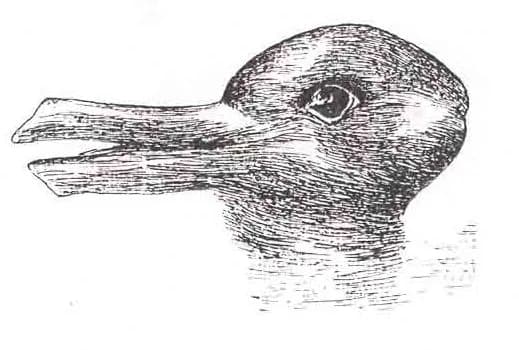
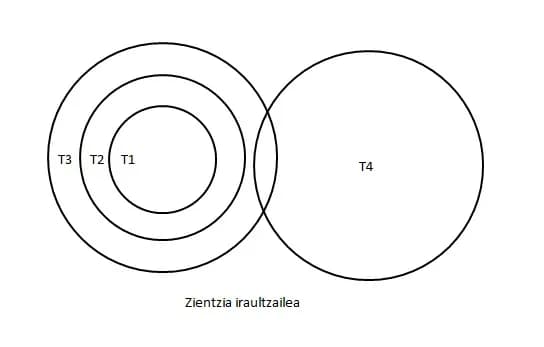
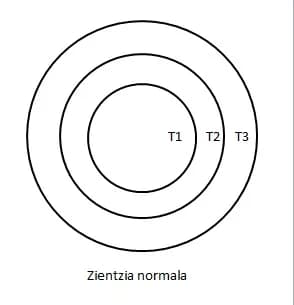
Thomas Kuhn's most enduring and significant achievement is undoubtedly his 1962 book, The Structure of Scientific Revolutions. This seminal work profoundly altered the landscape of the history and philosophy of science, introducing a revolutionary framework for understanding how scientific knowledge develops. The book argued that science does not progress incrementally through the accumulation of facts but rather through periods of "normal science" punctuated by "scientific revolutions," which bring about fundamental changes in conceptual frameworks.
Within this work, Kuhn popularized the term "paradigm shift," which has since become a ubiquitous idiom in the English language, used to describe a fundamental change in approach or underlying assumptions. A paradigm, in Kuhn's view, represents the entire constellation of beliefs, values, techniques, and shared examples used by members of a scientific community. When anomalies accumulate that cannot be explained by the reigning paradigm, a crisis ensues, eventually leading to a scientific revolution and the establishment of a new paradigm.
His ideas stimulated widespread debate across numerous fields, including sociology, political science, economics, and even the humanities, demonstrating the pervasive applicability of his model. Kuhn's conceptualization of science as a social and historical activity, rather than a purely rational and objective one, prompted a re-evaluation of epistemology and the nature of scientific truth. His work cemented his reputation as a transformative thinker and a leading voice in 20th-century intellectual history.
Chapter 5· Chapter 5 of 7
Notable Works and Enduring Contributions
Beyond his magnum opus, Thomas Kuhn contributed to a broader body of work that explored the intricate relationship between the history and philosophy of science. His bibliography includes a range of influential publications that further elaborated on his theories and engaged with critiques of his framework. Some of his notable contributions include On the Philosophy and Religion, Führungsethik in Organisationen, and Einführung in Die Volkswirtschaftslehre, among others, reflecting his broad intellectual engagement even if not all directly related to his core philosophy of science work.
His academic output also featured significant papers that further refined his ideas on scientific change. For instance, his paper "The Relations between the History and the Philosophy of Science" (2014) highlights his continued interest in the interdisciplinary nature of his field, while "The History of Science" (2014) showcased his dedicated focus on historical analysis. These works, alongside his substantial h-index of 30 derived from 107 papers, demonstrate his consistent scholarly productivity and enduring influence in academic discourse.
The profound impact of Kuhn’s writings extended beyond philosophical circles, influencing how historians approached scientific biography and how sociologists analyzed scientific communities. His work encouraged a more holistic and context-sensitive understanding of scientific development, moving away from simplified narratives of relentless progress. His intellectual legacy is rich with rigorous analyses that continue to inform discussions about knowledge, truth, and innovation.
Chapter 6· Chapter 6 of 7
Later Years and Continued Engagement
In his later years, Thomas Kuhn continued to engage actively with the intellectual community, further refining and defending his theories against various interpretations and criticisms. He spent his final years in Cambridge, United States, a city known for its vibrant academic environment, which undoubtedly offered a fertile ground for his ongoing scholarly pursuits. Even as he aged, his intellectual curiosity and dedication to understanding the dynamics of scientific progress remained undiminished.
Kuhn passed away on June 17, 1996, leaving behind a body of work that continues to inspire and challenge scholars across the globe. His final contributions and ongoing dialogues during this period reflected his commitment to clarifying the nuances of his theoretical framework, ensuring that his ideas were understood in their full complexity. His thoughtful responses to critics and careful elaborations of his concepts cemented the rigor and depth of his philosophical contributions.
Chapter 7· Chapter 7 of 7
Legacy and Lasting Impact
Thomas Kuhn's legacy is profound and far-reaching, fundamentally altering how we conceive of scientific change and intellectual progress. The widespread adoption of "paradigm shift" into everyday language is a testament to the pervasive influence of his ideas, moving beyond academic corridors into general consciousness. His work compelled both scientists and humanists to critically examine the assumptions underlying their respective disciplines, fostering a deeper, more reflective understanding of knowledge creation.
His contributions sparked a methodological revolution in the history of science, urging historians to move beyond mere chronicle and to analyze the conceptual structures that govern scientific practice in different eras. Philosophers of science, too, were prompted to reconsider the logical empiricist view of science, embracing a more historically informed and socially situated perspective. Kuhn's insistence on the historical contingency of scientific theories opened new avenues for inquiry into the sociology of knowledge.
The enduring power of The Structure of Scientific Revolutions lies in its ability to illuminate the human element within scientific endeavors, emphasizing the role of community, belief, and interpretation alongside empirical data. Thomas Kuhn’s intellectual framework continues to serve as a vital tool for analyzing not just scientific revolutions but also shifts in thought across various domains, securing his place as one of the most significant intellectual figures of the 20th century. His insights continue to be debated, applied, and built upon, ensuring his ideas remain a cornerstone of contemporary thought.
A life in moments
The moments that shaped a life

FAQ
Frequently asked
When did Thomas Kuhn die?
Thomas Kuhn died on June 17, 1996 in Cambridge, United States, at the age of 73.
Where was Thomas Kuhn born?
Thomas Kuhn was born in Cincinnati, United States on July 18, 1922.
What is Thomas Kuhn best known for?
Thomas Kuhn is best known for American historian, physicist and philosopher.
How old was Thomas Kuhn when they died?
Thomas Kuhn was 73 years old at the time of death.
What nationality was Thomas Kuhn?
Thomas Kuhn was from United States.
Timeline
Life at a glance
Photo gallery
A life in pictures
Click any polaroid to expand · 22 photos
QR Code
Share This Biography
Print & Share
Scan to visit this biography page. Print for events, exhibitions, or educational materials.