Born
April 30, 1901
Pinsk, Belarus
Died
July 8, 1985
Cambridge, United States
Known for
Russian-born American economist and statistician
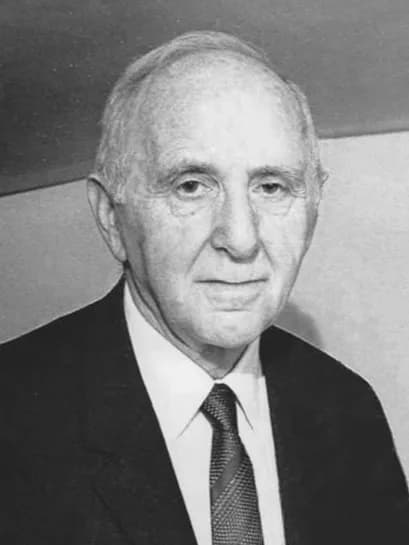
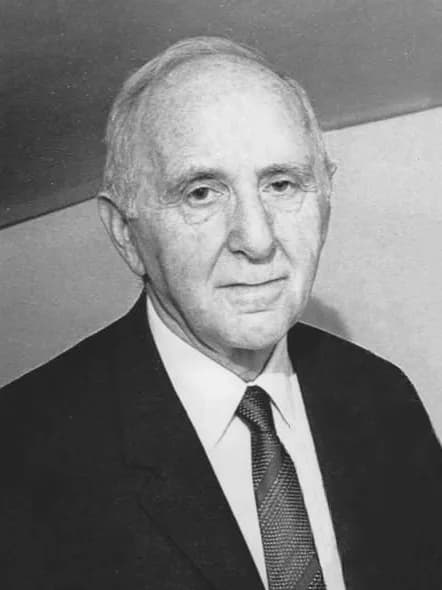
Simon Kuznets (1901–1985) was Belarus best known for Russian-born American economist and statistician.
Simon Kuznets (April 30, 1901 – July 8, 1985) was a Russian-born American economist and statistician. He received the 1971 Nobel Memorial Prize for his empirically founded interpretation of economic growth. His work provided new insights into economic and social structure and development processes.
Chapter
Life chapters
Chapter 1 · 1901· Chapter 1 of 8
Introduction
Simon Kuznets (1901–1985) was a distinguished Russian-born American economist and statistician whose groundbreaking work profoundly reshaped the understanding of economic growth and development. His extensive research, characterized by meticulous empirical analysis, provided foundational insights into the dynamics of national economies across different eras. Kuznets was celebrated globally for his contributions, culminating in the prestigious Nobel Memorial Prize in Economic Sciences awarded in 1971. His legacy continues to inform economic theory and policy, offering an enduring framework for analyzing the complex interactions within economic systems. He dedicated his professional life to rigorously examining how economies evolve and expand over time, leaving an indelible mark on the field.
Born into a world undergoing rapid change, Kuznets possessed an innate curiosity about the forces driving societal progress and material well-being. His career spanned decades of significant global economic shifts, from the interwar period to the post-World War II reconstruction and subsequent growth. Through his rigorous statistical methods and interpretive skills, he elucidated patterns of economic change that were previously unquantified. He sought to understand the mechanisms by which nations achieve prosperity, and how economic activity translates into social welfare.
As an economist and statistician, Kuznets brought a unique blend of theoretical rigor and empirical discipline to his studies. His approach emphasized the careful collection and analysis of real-world data, transforming abstract economic concepts into measurable realities. This commitment to evidence-based inquiry set a new standard for economic research and influenced generations of scholars. His work provided the necessary tools and conceptual framework for policymakers to better understand and guide economic processes, both domestically and internationally.
Chapter 2 · 1901· Chapter 2 of 8
Early Life and Origins
Simon Kuznets was born on April 30, 1901, in Pinsk, Belarus, a region then part of the Russian Empire. His early years were shaped by the vibrant cultural and intellectual currents of the time, fostering an environment that would later influence his academic pursuits. The historical context of his birthplace, situated at a crossroads of European economic and political developments, provided a backdrop for his later interest in national economic structures. His formative experiences instilled in him a perspective that considered broad historical and geographical factors in economic analysis.
Growing up during a period of considerable social and economic upheaval, Kuznets witnessed firsthand the impact of large-scale transformations on communities and individuals. These observations likely fueled his academic drive to systematically study the forces that create and distribute wealth within societies. His early education provided him with a strong foundation in quantitative methods and logical reasoning, essential tools for his future career. He developed an early appreciation for the power of data to reveal underlying truths about economic life.
His eventual move to the United States marked a new chapter, where he would further develop his intellectual capabilities and embark on his celebrated career. This relocation placed him at the forefront of burgeoning American economic thought and statistical methodologies. The academic institutions he joined provided the resources and intellectual freedom necessary for him to pursue his ambitious research agenda. He embraced the opportunities to apply sophisticated statistical techniques to complex economic questions.
Chapter 3· Chapter 3 of 8
Path to Economic Inquiry
Kuznets embarked on his professional journey at a time when the field of economics was increasingly recognizing the need for empirical grounding. He quickly distinguished himself through his dedication to collecting and meticulously analyzing vast amounts of economic data. This commitment to fact-based inquiry became a hallmark of his approach, setting him apart in an era that sometimes relied more on theoretical conjecture. He sought to bridge the gap between abstract economic models and the tangible realities of economic activity.
His early work began laying the groundwork for what would become his life's pursuit: a comprehensive understanding of economic growth. He focused on developing systematic ways to measure and interpret national income and output, pioneering methods that are still foundational today. This early methodological development was crucial for enabling future studies of economic progress across different nations and over extended periods. His efforts helped create a clearer picture of how economies function on a macro level.
Through these initial efforts, Kuznets established himself as a leading figure in quantitative economics. He emphasized that reliable data was indispensable for generating meaningful insights into economic processes. His early findings hinted at the complex, multi-layered nature of economic development, suggesting that simple explanations were often insufficient. This period marked the beginning of his influential approach, which combined rigorous statistical analysis with broad historical and institutional perspectives.
Chapter 4· Chapter 4 of 8
Defining Economic Growth and Development
Simon Kuznets's most significant contributions centered on his empirically founded interpretation of economic growth, which offered new insights into economic structures and development processes. He delved deeply into the historical records of various nations, meticulously constructing national income accounts to trace patterns of growth over many decades. His research went beyond mere quantification, seeking to understand the underlying mechanisms and characteristics of economic expansion. He showed how growth was not uniform but differed across countries and historical periods.
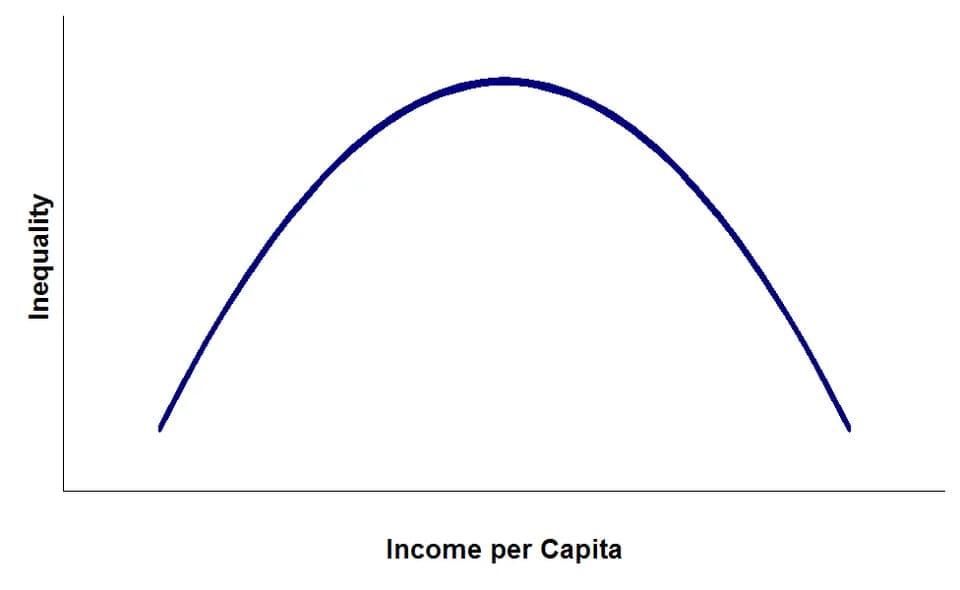
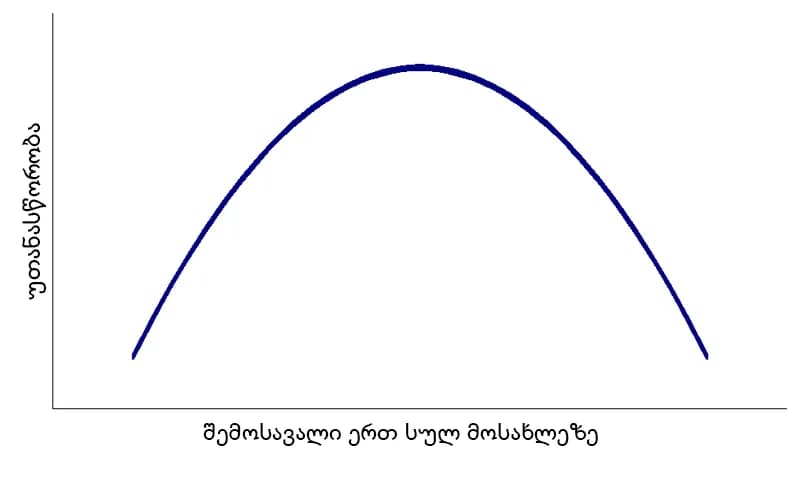
He systematically analyzed how countries develop, identifying common trends and distinct variations in their economic trajectories. His work demonstrated that economic growth involves far more than just increasing output; it also encompasses fundamental changes in economic and social organization. He investigated how different sectors of an economy evolve, how income distribution shifts, and how populations adapt to new economic realities. These analyses provided a granular view of the forces shaping modern economies.
Kuznets provided a framework for distinguishing between mere expansion and genuine economic development, which he saw as involving sustained increases in per capita product accompanied by significant structural changes. His research revealed that the transition from agrarian to industrial economies involved profound shifts in labor force composition, capital accumulation, and technological innovation. He highlighted the intricate relationships between economic variables and broader societal transformations. This detailed examination helped clarify the stages and drivers of national prosperity.
Chapter 5 · 1971· Chapter 5 of 8
The Nobel Memorial Prize
In 1971, Simon Kuznets received the Nobel Memorial Prize in Economic Sciences, an honor that officially recognized his profound contributions to the field. The Royal Swedish Academy of Sciences awarded him the prize "for his empirically founded interpretation of economic growth which has led to new and deepened insight into the economic and social structure and process of development." This citation precisely captured the essence of his lifetime of dedicated research and its wide-ranging influence. The award underscored the importance of his methodological innovations and conceptual advancements.
The Nobel Committee highlighted how Kuznets's work had provided an unprecedented empirical basis for understanding the complexities of economic expansion. His approach transformed the study of economic growth from a largely theoretical exercise into a discipline firmly rooted in historical and statistical evidence. This acknowledgment validated his long-standing commitment to data collection and the rigorous statistical analysis that underpinned his interpretations. His findings offered concrete data to test and refine economic theories.
The prize recognized not only his pioneering work in national income accounting but also his broader synthesis of economic history, demographics, and social change. His empirically driven insights illuminated the long-term trends and cyclical fluctuations that characterize modern economic systems. The Nobel Prize cemented his position as a central figure in 20th-century economic thought, whose contributions continue to shape how we view and analyze economic development. His ability to synthesize vast amounts of data into coherent narratives of progress was particularly celebrated.
Chapter 6· Chapter 6 of 8
Enduring Theoretical and Empirical Contributions
Kuznets's contributions extended beyond mere data presentation; he developed theoretical interpretations based on his empirical findings that profoundly influenced how economists conceptualize development. His work provided frameworks for understanding the long-term patterns of growth, including the concept of "Kuznets cycles" or "long swings" in economic activity. These cycles described medium-term fluctuations in economic indicators, offering a more nuanced view than traditional business cycle theories. He demonstrated how various economic components interact over extended periods.
His rigorous statistical methods set a new standard for economic research, emphasizing the need for robust data and careful methodology. He meticulously developed national income and product accounts for various countries, providing the empirical foundation for comparing economic performance across different regions and timeframes. This systematic approach enabled economists to quantitatively analyze economic structures, such as the share of different sectors in national output or the distribution of income. These detailed accounts became essential tools for economic analysis.
Through his research, Kuznets demonstrated how economic growth is inherently linked to social and demographic changes, and that these factors must be considered together for a complete understanding. He showed that population dynamics, urbanization, and shifts in labor force participation are not just outcomes of growth but also critical drivers. His interpretations highlighted the dynamic and interconnected nature of economic and social systems. This integrated perspective provided a more comprehensive view of national development.
Chapter 7 · 1985· Chapter 7 of 8
Later Life and Reflection
Even in his later years, Simon Kuznets continued to influence the field through his writings and profound insights. He maintained an active interest in global economic trends and the ongoing evolution of development economics. His passing on July 8, 1985, in Cambridge, United States, marked the end of an era for economic scholarship. His quiet dedication to empirical research and his analytical clarity continued to inspire colleagues and students alike throughout his life. He left behind a body of work that was both extensive and intellectually deep.
During his later decades, Kuznets observed the application and expansion of the concepts he had pioneered, reflecting on their evolving relevance in a rapidly changing world. He witnessed the global adoption of national accounting methods, which he had been so instrumental in developing, recognizing their importance for international economic comparison and policy formulation. His reflective wisdom provided perspective on the challenges and opportunities facing economies worldwide. His insights remained relevant as new economic challenges emerged.
Chapter 8· Chapter 8 of 8
Legacy and Lasting Influence
The legacy of Simon Kuznets is immense, continuing to shape economic thought and policymaking around the globe. His empirically founded interpretation of economic growth remains a cornerstone of development economics and macroeconomics. Scholars regularly refer to his work when studying long-term economic trends, structural change, and the measurement of national welfare. His rigorous methods laid the groundwork for modern economic data analysis, fostering a culture of evidence-based inquiry.
Kuznets's contributions provided the essential analytical tools for understanding how economies transform over time, from agrarian societies to industrial and post-industrial states. His emphasis on collecting and interpreting comprehensive historical statistics created a robust foundation for comparative economic studies. This allowed for detailed comparisons of growth trajectories, income distribution, and structural changes across diverse countries. His work made it possible to systematically track and understand economic progress.
The deepened insights into economic and social structure and the process of development that Kuznets provided continue to guide academic research and inform international development efforts. His enduring influence stems from his ability to synthesize complex data into meaningful patterns, revealing the intricate dynamics of economic life. Simon Kuznets will always be remembered as a pioneer who transformed the understanding of economic growth through his unwavering commitment to empirical rigor and analytical brilliance. His foundational ideas remain indispensable for anyone seeking to comprehend the forces that drive national and global prosperity.
A life in moments
The moments that shaped a life
FAQ
Frequently asked
When did Simon Kuznets die?
Simon Kuznets died on July 8, 1985 in Cambridge, United States, at the age of 84.
Where was Simon Kuznets born?
Simon Kuznets was born in Pinsk, Belarus on April 30, 1901.
What is Simon Kuznets best known for?
Simon Kuznets is best known for Russian-born American economist and statistician.
How old was Simon Kuznets when they died?
Simon Kuznets was 84 years old at the time of death.
What nationality was Simon Kuznets?
Simon Kuznets was from Belarus.
Timeline
Life at a glance
Photo gallery
A life in pictures
Click any polaroid to expand · 22 photos
QR Code
Share This Biography
Print & Share
Scan to visit this biography page. Print for events, exhibitions, or educational materials.