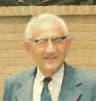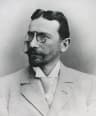
Born
August 8, 1887
Buchach, Ukraine
Died
February 17, 1970
Jerusalem, Kingdom of Judah
Known for
Ukrainian-born Israeli Hebrew writer, Nobel laureate in Literature
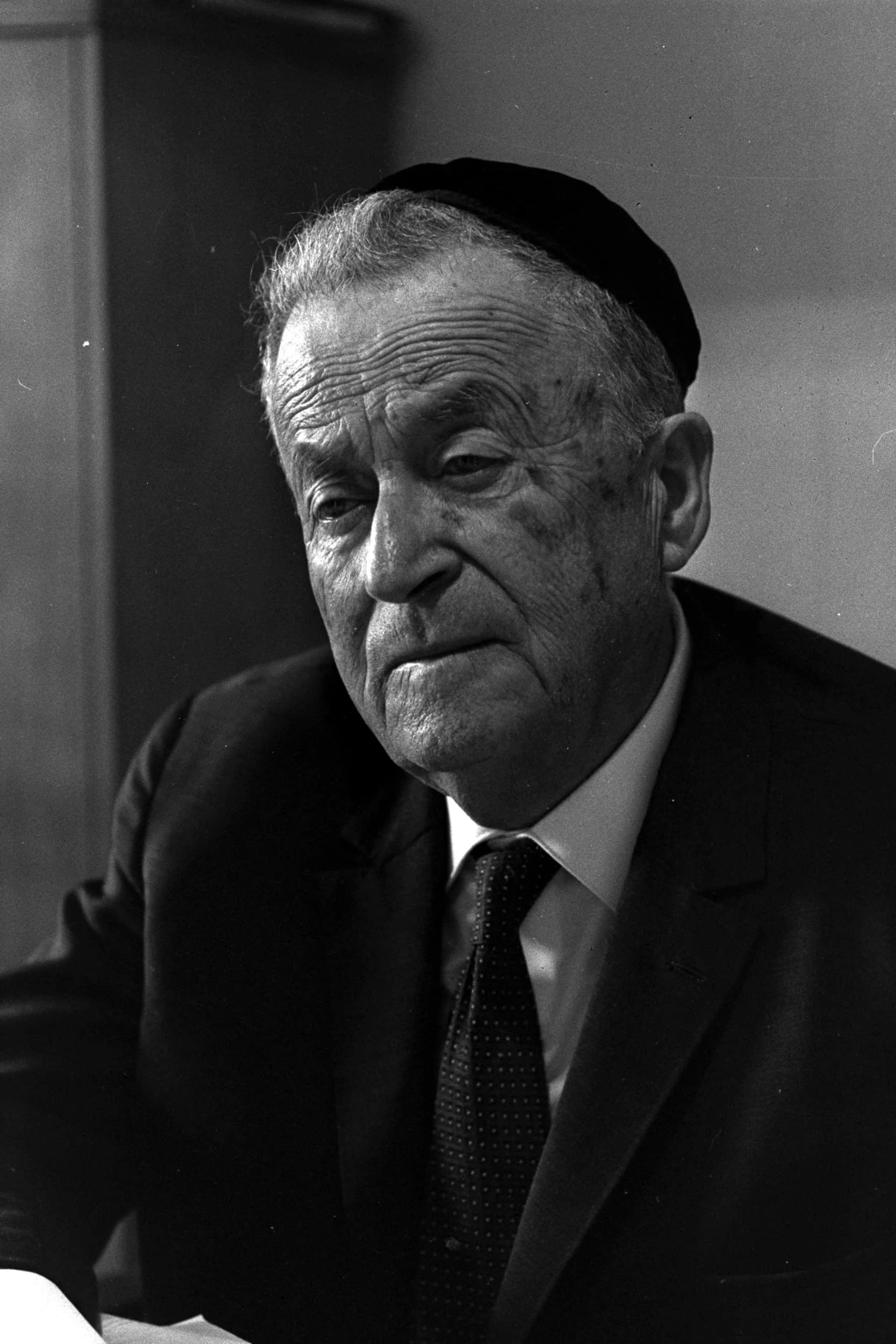
Shmuel Yosef Agnon (1887–1970) was Ukraine best known for Ukrainian-born Israeli Hebrew writer, Nobel laureate in Literature.
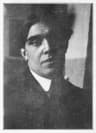
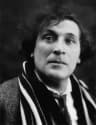
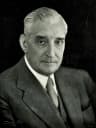
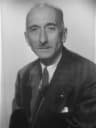
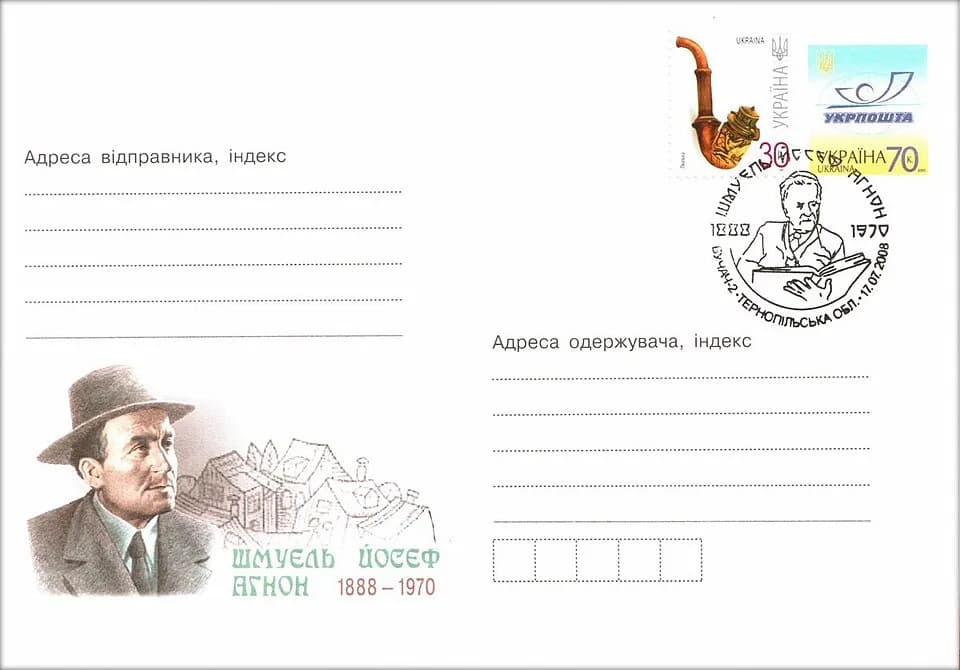
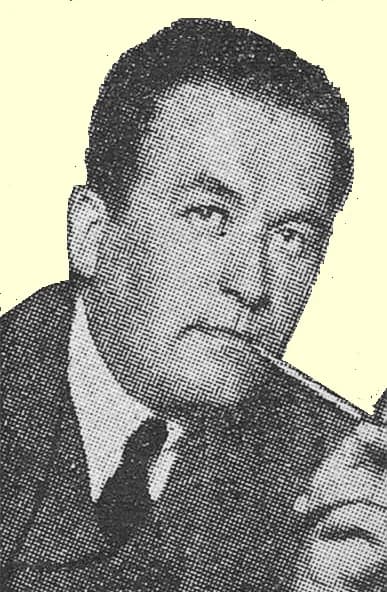
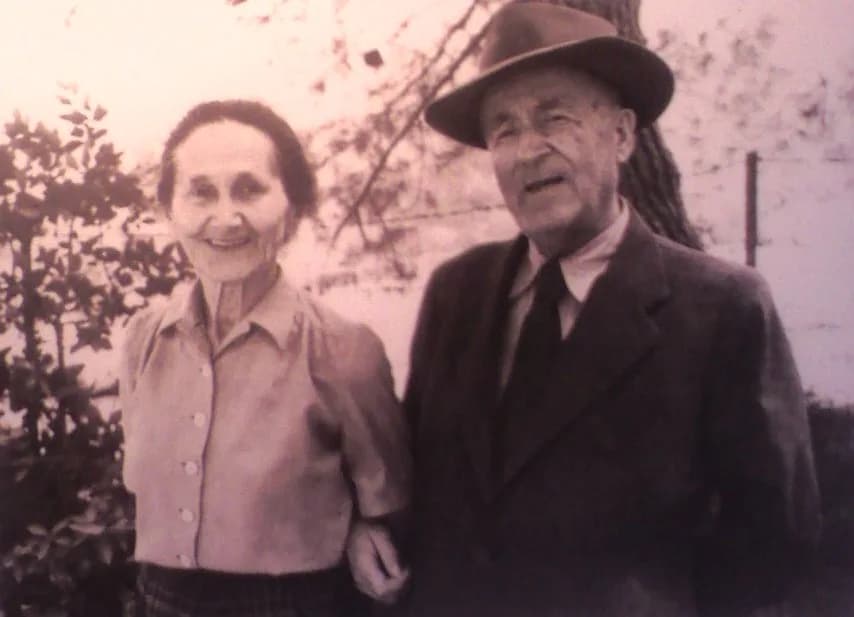
Shmuel Yosef Agnon (August 8, 1887 – February 17, 1970) was a Ukrainian-born Israeli Hebrew writer. He was a Nobel laureate in Literature, recognized in 1966 for his narrative art drawn from Jewish life. Agnon stands as a central figure in modern Hebrew literature, shaping its literary landscape.
Chapter
Life chapters
Chapter 1 · 1887· Chapter 1 of 6
Early Life and Origins
Shmuel Yosef Agnon entered the world in Buchach, Ukraine, on August 8, 1887, a place that would later influence the settings and themes of many of his literary creations. His early environment, steeped in Eastern European Jewish culture and tradition, provided a rich source of inspiration for the narratives he would later craft. Although detailed information about his family and precise upbringing is not extensively provided, it is clear that his foundational experiences in Buchach contributed significantly to the formation of his artistic sensibility and thematic focus.
Chapter 2· Chapter 2 of 6
Career Beginnings
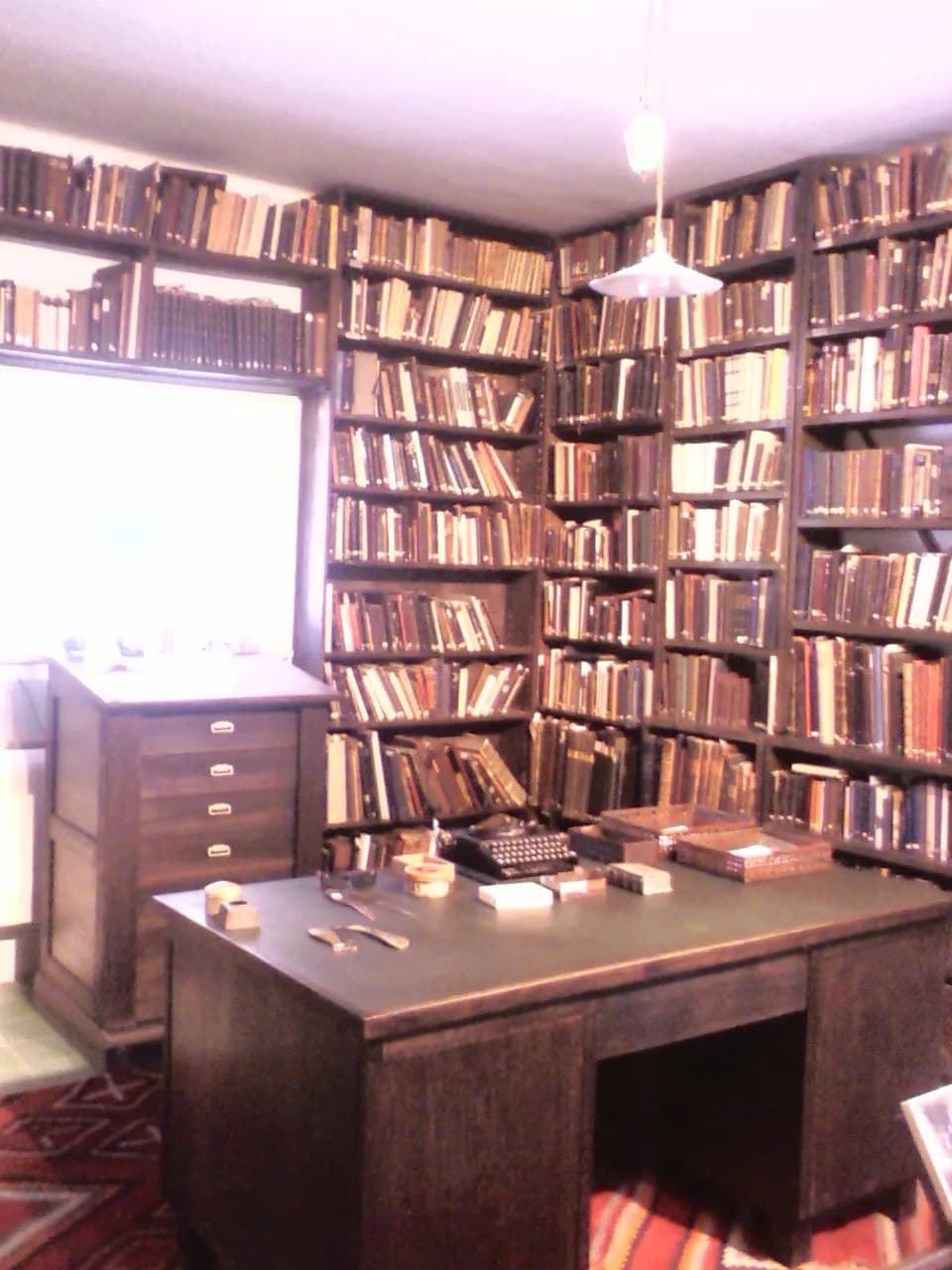
From his early days, Agnon gravitated towards the written word, embarking on a prolific career as a writer, poet, short story writer, and novelist. He rapidly became one of the central figures of modern Hebrew literature, shaping its direction and elevating its stature through his distinctive voice. While known globally as S. Y. Agnon for his published works in English, his Hebrew readers recognized and celebrated him by his beloved nom de plume, Shai Agnon, a name that became synonymous with literary excellence and profound storytelling.
Chapter 3 · 1966· Chapter 3 of 6
Major Achievements and Career Highlights
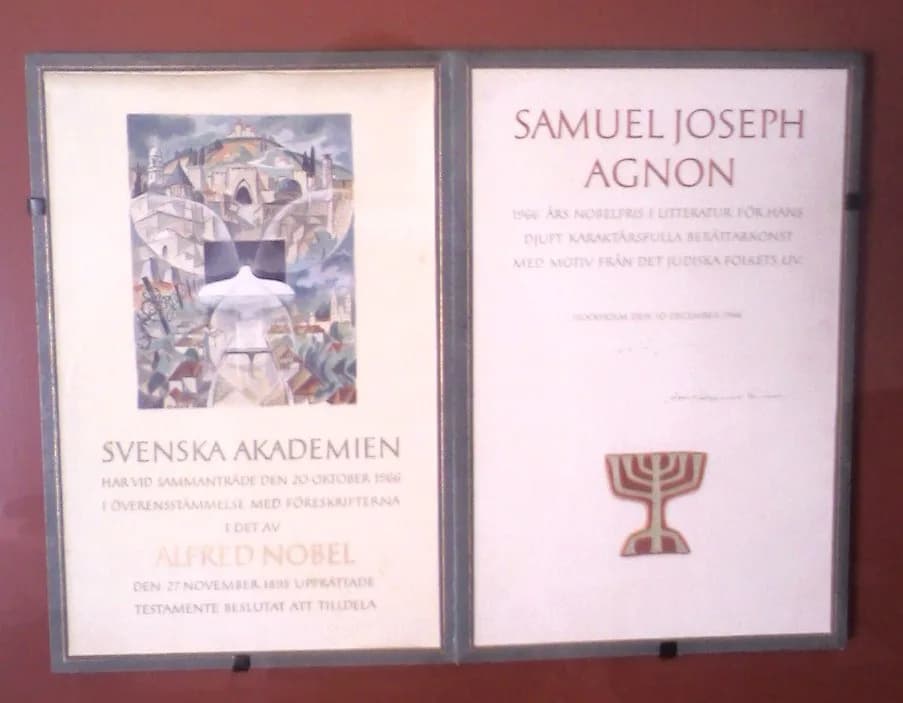
Agnon's extraordinary literary contributions culminated in his being awarded the Nobel Prize in Literature in 1966, an honor that brought international recognition to his distinctive narrative art. The Nobel committee specifically praised him for his "profoundly characteristic narrative art with motifs from the life of the Jewish people," highlighting his deep exploration of Jewish identity, tradition, and change. This prestigious accolade not only celebrated his individual genius but also brought significant attention to modern Hebrew literature on the global stage, solidifying its place in the world of letters.
His work consistently reflected his deep connection to the Jewish people and their heritage, earning him a unique position among his contemporaries and future generations. Throughout his extensive career, Agnon meticulously crafted stories that resonated with both historical depth and contemporary relevance, ensuring his status as an important voice. This consistent quality and thematic richness underscore why he is considered one of the most significant writers in modern Hebrew literary history.
Chapter 4· Chapter 4 of 6
Notable Works and Contributions
Shmuel Yosef Agnon left behind an extensive and celebrated body of work, distinguished by its unique blend of traditional Jewish lore, modernist introspection, and evocative storytelling. His works traversed various forms, from poignant short stories to expansive novels, each marked by his unmistakable literary style. Titles like "Gestern, vorgestern" (Yesterday, The Day Before Yesterday) and "Das Schass meines Grossvaters" (My Grandfather's Legacy) offered readers deeply textured explorations of Jewish life and memory, weaving together the sacred and the mundane.
Other significant contributions include "Atem reʾitem," a work that showcases his poetic sensibilities, and "שלום עולמים" (Eternal Peace), which further exemplifies his engagement with spiritual and communal themes. His ability to translate complex cultural experiences into universally relatable narratives is evident in works such as "Racconti di Kippur" (Tales of Kippur) and "Den bortdrivne" (The Outcast). Through these and other writings like "Naar de moeite is het loon" (When the Trouble is the Reward), "Buch der Taten" (Book of Deeds), "ימי רצון" (Days of Grace), and "Contes de Jerusalem" (Tales of Jerusalem), Agnon meticulously chronicled the nuances of Jewish existence, tradition, and the challenges of modernity, solidifying his literary legacy.
Chapter 5 · 1970· Chapter 5 of 6
Later Years
Shmuel Yosef Agnon spent his final years in Jerusalem, the spiritual heartland that resonated deeply with the themes of his work and cultural heritage. It was in this revered city, located in what was then referred to as the Kingdom of Judah, that he passed away on February 17, 1970, at the age of 82. His departure marked the end of an era for Hebrew literature, yet his profound influence continued to ripple through the literary world, leaving an enduring mark on subsequent generations of writers and readers.
Chapter 6· Chapter 6 of 6
Legacy and Impact
The legacy of Shmuel Yosef Agnon is immeasurable, profoundly shaping modern Hebrew literature and maintaining its relevance on a global scale. He is remembered not merely as a writer but as a cultural archivist, whose characteristic narrative art preserved and interpreted the life of the Jewish people with unparalleled depth and sensitivity. His stories continue to be read and studied, offering insights into identity, faith, and the complexities of human experience through a timeless lens.
Agnon's impact extends beyond his specific themes; his command of the Hebrew language, his stylistic innovation, and his ability to weave intricate tales have inspired generations of writers across various cultures. The Nobel Prize in Literature bestowed upon him in 1966 ensures his prominent place in the pantheon of world literature, but it is his enduring connection with readers, forged through his powerful storytelling, that truly defines his lasting contribution. His work remains a vital bridge between tradition and modernity, a testament to the enduring power of narrative art and its capacity to illuminate the human spirit.
A life in moments
The moments that shaped a life
FAQ
Frequently asked
When did Shmuel Yosef Agnon die?
Shmuel Yosef Agnon died on February 17, 1970 in Jerusalem, Kingdom of Judah, at the age of 82.
Where was Shmuel Yosef Agnon born?
Shmuel Yosef Agnon was born in Buchach, Ukraine on August 8, 1887.
What is Shmuel Yosef Agnon best known for?
Shmuel Yosef Agnon is best known for Ukrainian-born Israeli Hebrew writer, Nobel laureate in Literature.
How old was Shmuel Yosef Agnon when they died?
Shmuel Yosef Agnon was 82 years old at the time of death.
What nationality was Shmuel Yosef Agnon?
Shmuel Yosef Agnon was from Ukraine.
Timeline
Life at a glance
Photo gallery
A life in pictures
Click any polaroid to expand · 45 photos
QR Code
Share This Biography
Print & Share
Scan to visit this biography page. Print for events, exhibitions, or educational materials.