Born
October 5, 1882
Worcester, United States
Died
August 10, 1945
Baltimore, United States
Known for
American physicist
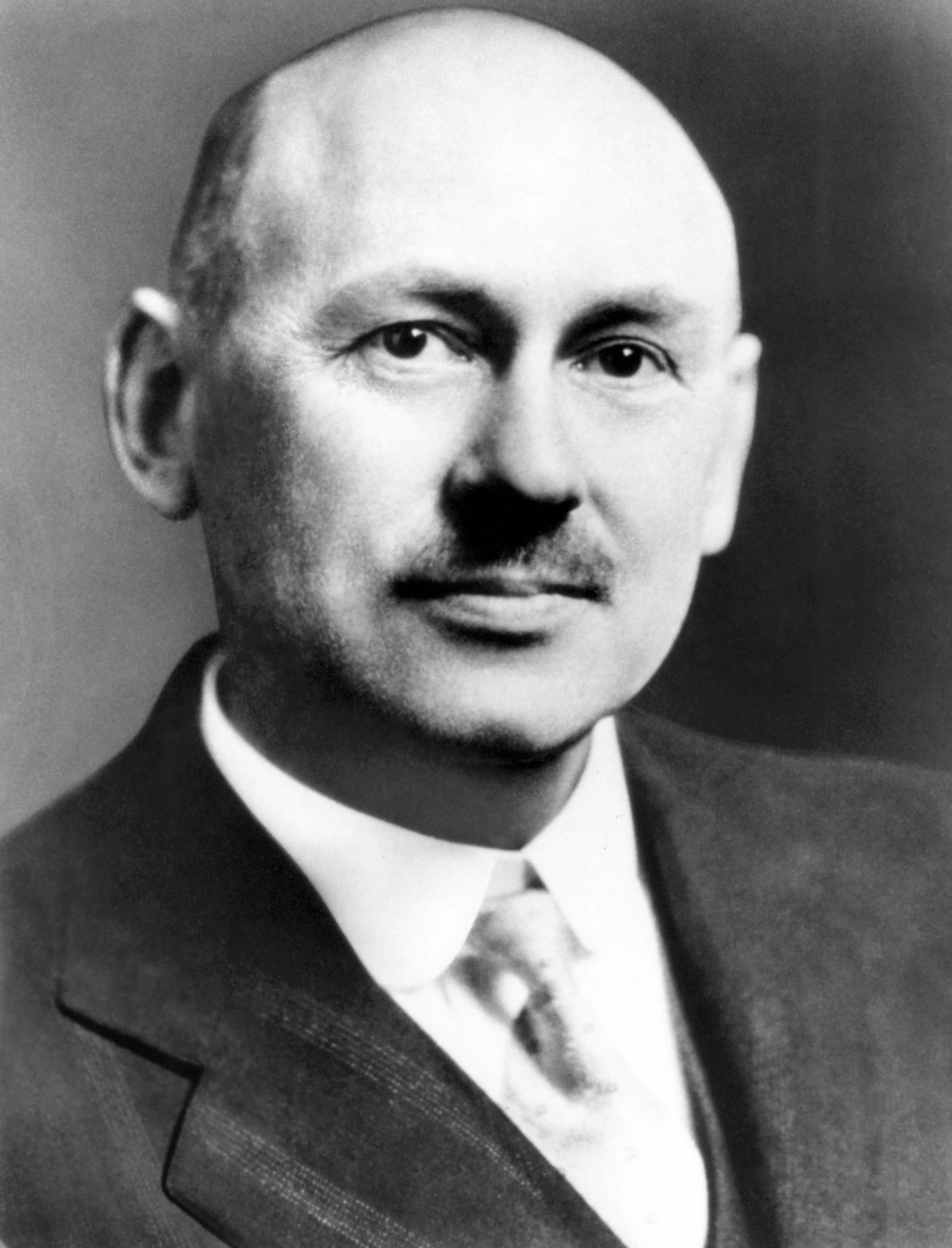
Robert H. Goddard (1882–1945) was United States best known for American physicist.
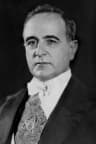
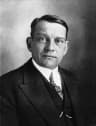
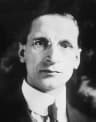
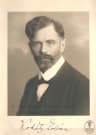
Robert H. Goddard (October 5, 1882 – August 10, 1945) was an American physicist from Worcester, United States. He is recognized for inventing and building the world's first liquid-fueled rocket, successfully launched in 1926. His pioneering work significantly advanced modern rocketry.
Chapter
Life chapters
Chapter 1 · 1882· Chapter 1 of 6
Early Life and Origins
Robert H. Goddard was born in Worcester, United States, on October 5, 1882. His early life in Worcester fostered an inquisitive mind, setting the stage for his scientific pursuits. He was an American from a young age, displaying a keen interest in science and mechanics.
Chapter 2 · 1915· Chapter 2 of 6
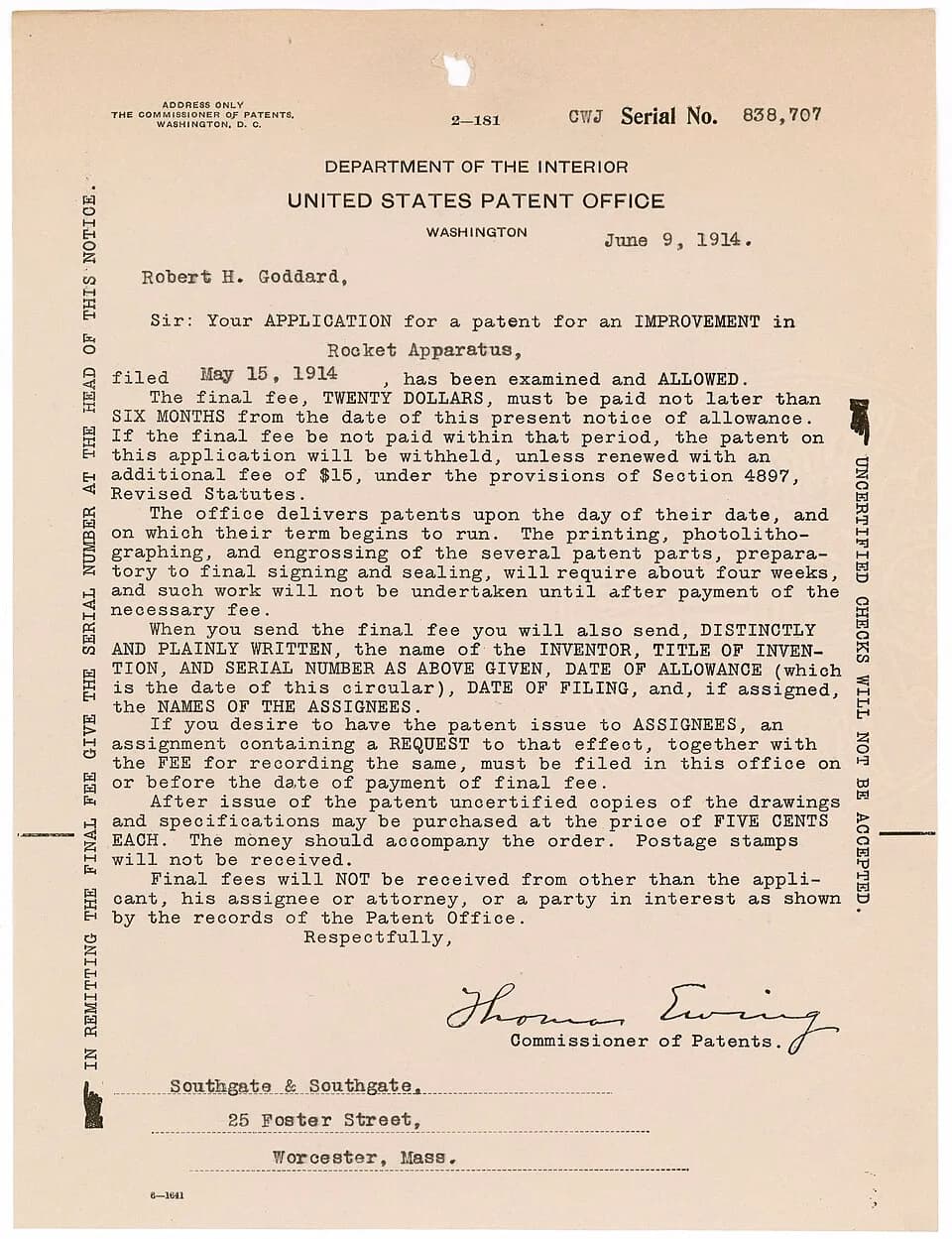
Career Beginnings
Goddard's professional journey began with his intense focus on rocketry principles. By 1915, his dedication led to significant improvements in solid-fueled rocket efficiency. This early work established him as a key figure, signaling the start of the modern rocket era.
Chapter 3 · 1926· Chapter 3 of 6
Major Achievements and Career Highlights
A monumental achievement in Robert H. Goddard's career was the creation and successful launch of the world's first liquid-fueled rocket on March 16, 1926. This event marked a crucial turning point in engineering and flight. Between 1926 and 1941, Goddard and his team successfully launched 34 rockets.
These launches achieved impressive technical feats for their time, reaching altitudes as high as 2.6 kilometers (1.6 miles). Some of these rockets also attained speeds as fast as 885 kilometers per hour (550 miles per hour), demonstrating the potential of his designs.
Chapter 4· Chapter 4 of 6
Notable Works or Contributions
Robert H. Goddard's inventive spirit was central to his contributions. Beyond the liquid-fueled rocket, his scientific pursuits greatly advanced the field of propulsion technology. His efforts helped move rocketry from theory into practical application, establishing principles still in use.
His work as an inventor and engineer provided critical insights into rocket design and propulsion. These early developments were foundational for all subsequent rocket innovations, influencing military flight engineering and future space endeavors.
Chapter 5 · 1945· Chapter 5 of 6
Later Years
In his later years, Robert H. Goddard continued his dedicated work in rocketry until his passing on August 10, 1945. He remained a driving force in the field, tirelessly developing and refining his rocket designs. His final years were spent in Baltimore, United States, where his life of innovation concluded.
Chapter 6· Chapter 6 of 6
Legacy and Impact
The influence of Robert H. Goddard on the field of aerospace engineering is immense and enduring. His relentless pursuit of rocket technology laid the groundwork for space exploration and missile development. Modern rocketry owes much to his early, determined efforts.
Goddard's vision and practical successes continue to inspire scientists and engineers worldwide. His pioneering work, from improving solid-fueled rockets to launching the first liquid-fueled version, established him as a true pioneer in the quest to reach the stars.
A life in moments
The moments that shaped a life

FAQ
Frequently asked
When did Robert H. Goddard die?
Robert H. Goddard died on August 10, 1945 in Baltimore, United States, at the age of 62.
Where was Robert H. Goddard born?
Robert H. Goddard was born in Worcester, United States on October 5, 1882.
What is Robert H. Goddard best known for?
Robert H. Goddard is best known for American physicist.
How old was Robert H. Goddard when they died?
Robert H. Goddard was 62 years old at the time of death.
What nationality was Robert H. Goddard?
Robert H. Goddard was from United States.
Timeline
Life at a glance
Photo gallery
A life in pictures
Click any polaroid to expand · 23 photos
QR Code
Share This Biography
Print & Share
Scan to visit this biography page. Print for events, exhibitions, or educational materials.