Born
May 25, 1865
Zonnemaire, Netherlands
Died
October 9, 1943
Amsterdam, Netherlands
Known for
Dutch physicist
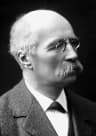
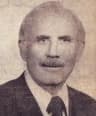
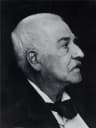
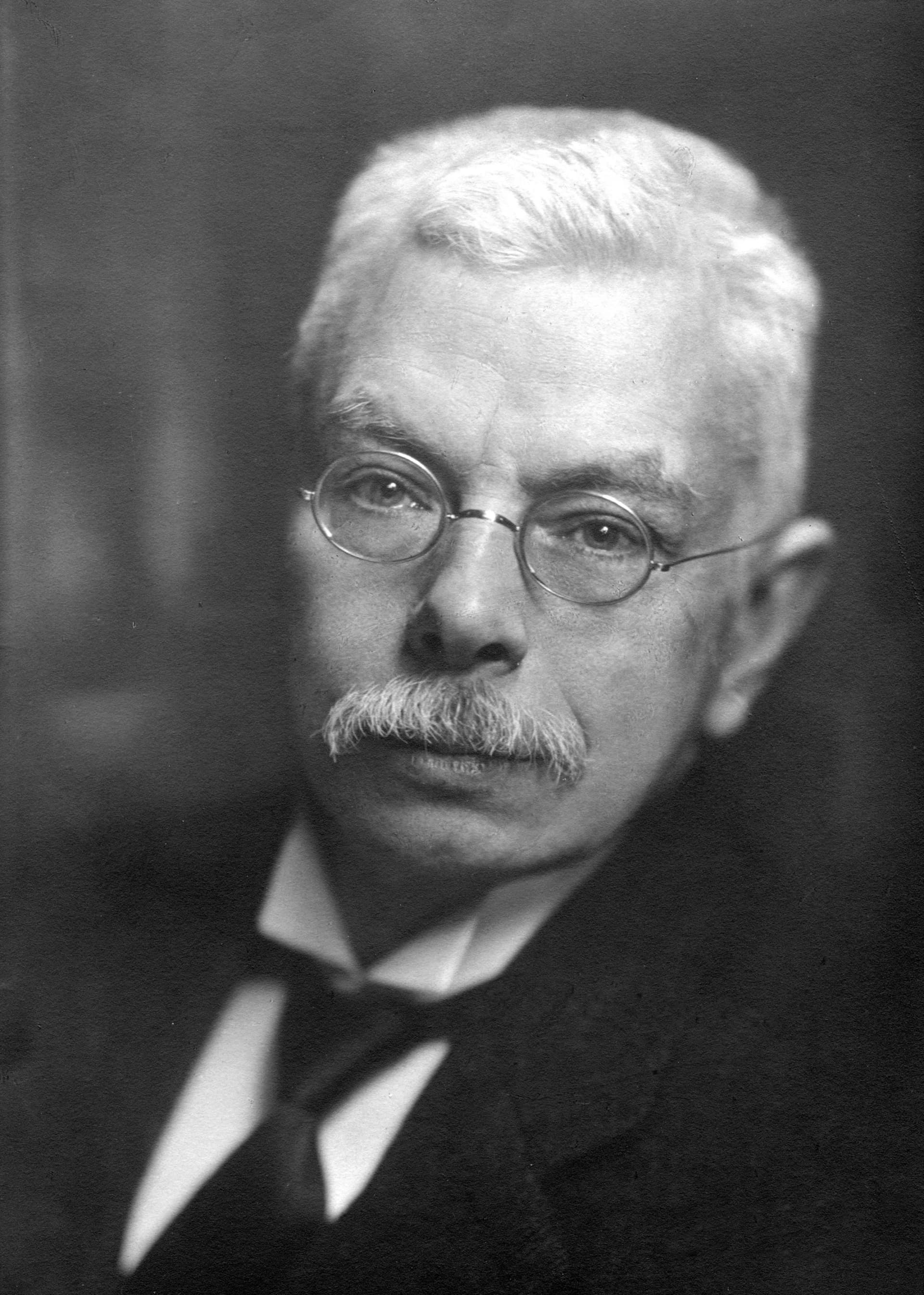
Pieter Zeeman (1865–1943) was Netherlands best known for Dutch physicist.
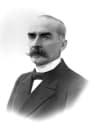
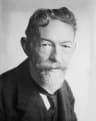
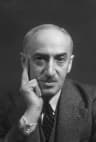
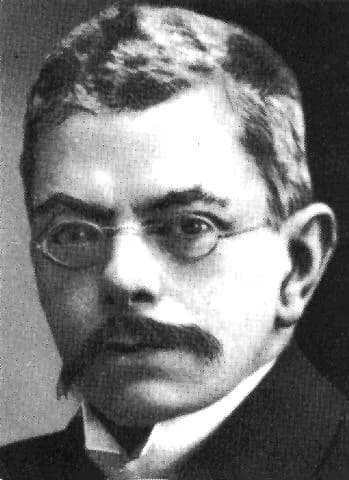
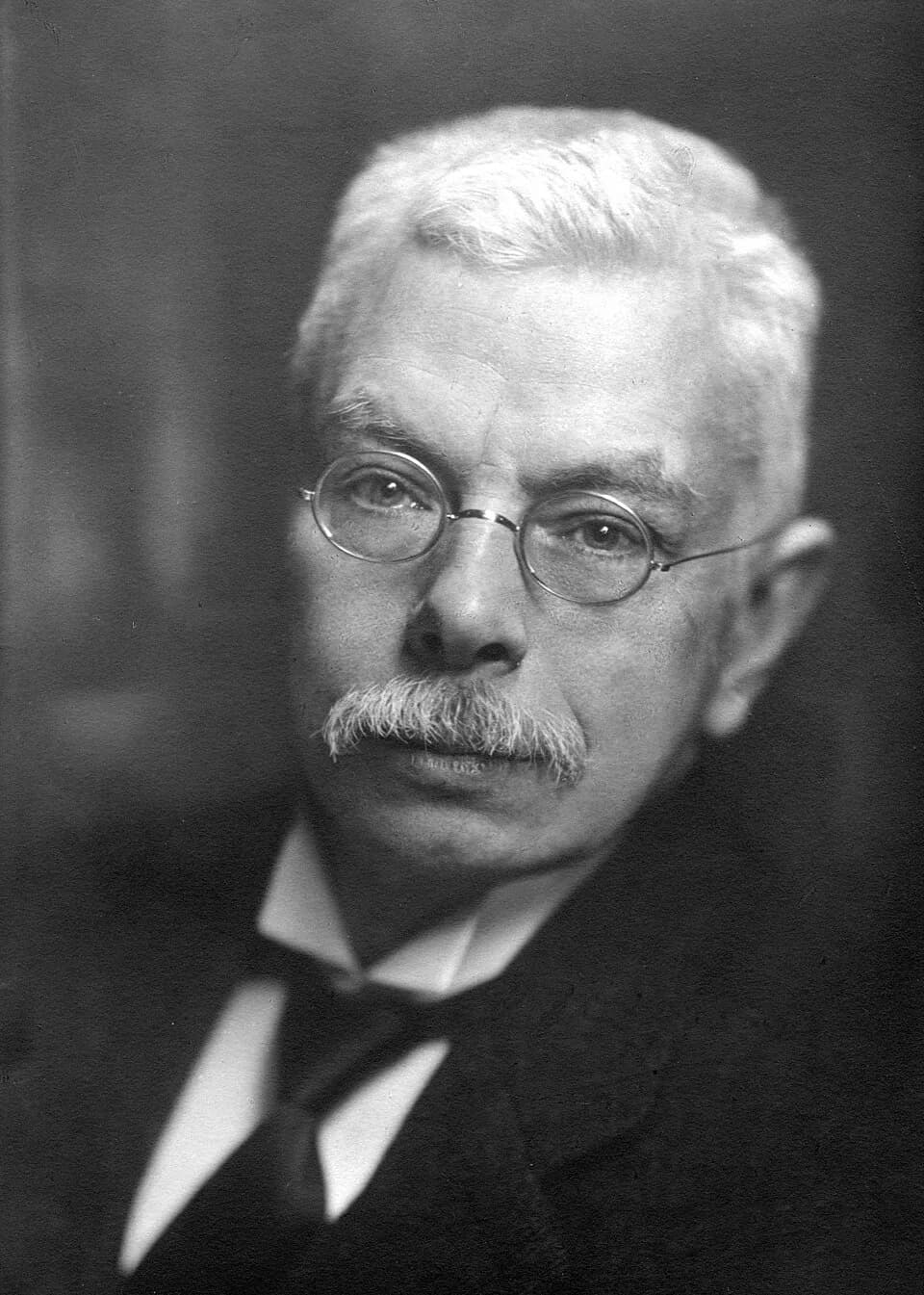
Pieter Zeeman (May 25, 1865 – October 9, 1943) was a Dutch physicist from Zonnemaire, Netherlands. He shared the 1902 Nobel Prize in Physics for his discovery of the Zeeman effect, a phenomenon revealing the influence of magnetism on radiation. His work fundamentally advanced the understanding of atomic structure.
Chapter
Life chapters
Chapter 1 · 1865· Chapter 1 of 6
Early Life and Origins
Pieter Zeeman was born on May 25, 1865, in the quiet town of Zonnemaire, Netherlands. His early life in the Dutch countryside provided the foundation for his future scientific interests. Though details of his family and early schooling are not extensively documented, his formative years set him on a path towards scientific inquiry.
Chapter 2· Chapter 2 of 6
Career Beginnings
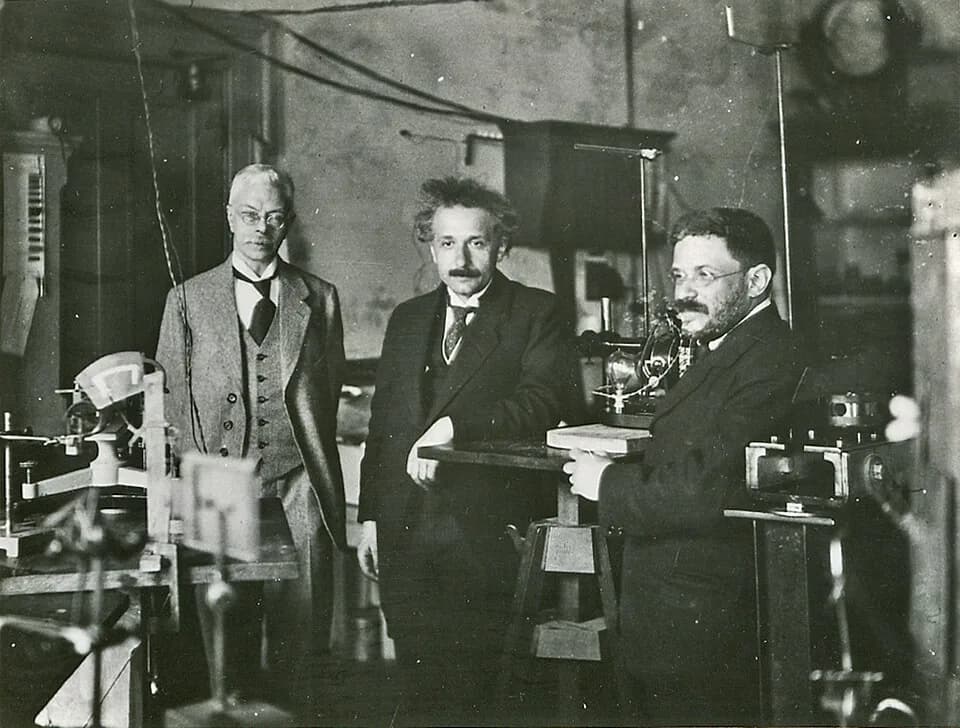
Zeeman's professional journey included roles as a photographer, which likely honed his keen observational skills essential for experimental physics. He later transitioned into a career as a physicist and university teacher, embracing both research and academic instruction. This dual role allowed him to contribute new knowledge while also educating future generations of scientists.
Chapter 3· Chapter 3 of 6
Major Achievements and Career Highlights
Pieter Zeeman's most significant discovery was the phenomenon now known as the Zeeman effect. This effect describes the splitting of a spectral line into several components when the light source is subjected to a static magnetic field. This experimental observation provided crucial insight into the nature of atoms and light.
For this discovery and its accompanying theoretical explanation by Hendrik Lorentz, Zeeman was awarded the 1902 Nobel Prize in Physics. The Royal Swedish Academy of Sciences cited their "extraordinary service... by their researches into the influence of magnetism upon radiation phenomena." This recognition firmly established his place among the leading scientists of his time.
Chapter 4 · 1935· Chapter 4 of 6
Notable Works or Contributions
Throughout his career, Pieter Zeeman authored and contributed to several academic publications in the field of physics. His work is reflected in an h-index of 1 across five papers. Key works include "Verhandelingen op 25 mei 1935 aangeboden aan Prof. Dr. P. Zeeman" from 1935, which was a collection presented in his honor.
Other significant papers by Zeeman include "Die rote Lithiumlinie und die spektroskopische Atomgewichtsbestimmung" and "Eine Methode, feine Absorptionslinien für Untersuchung in starken Magnetfeldern zu erhalten." These publications demonstrate his focused research into spectroscopy and the behavior of light in strong magnetic fields. His contributions also encompassed "Die rote Lithiumlinie," further exploring specific atomic spectra.
Chapter 5 · 1943· Chapter 5 of 6
Later Years
Pieter Zeeman continued his dedicated work as a physicist and university educator in the Netherlands. His research continued to influence and shape the evolving understanding of quantum mechanics and astrophysical phenomena. He passed away in Amsterdam, Netherlands, on October 9, 1943, at the age of 78.
Chapter 6· Chapter 6 of 6
Legacy and Impact
The legacy of Pieter Zeeman is profound, with the Zeeman effect serving as a fundamental concept in physics. His discovery provided experimental verification of atomic structure and the quantization of energy levels within atoms. This phenomenon remains an essential tool for understanding magnetic fields in stars and for advanced spectroscopic analysis.
Zeeman's work not only earned him the highest scientific honor but also paved the way for future developments in quantum theory and astrophysics. His careful experimental approach and intellectual curiosity continue to inspire scientists today. He is remembered for his precise observations and their lasting impact on the field of physics.
A life in moments
The moments that shaped a life
FAQ
Frequently asked
When did Pieter Zeeman die?
Pieter Zeeman died on October 9, 1943 in Amsterdam, Netherlands, at the age of 78.
Where was Pieter Zeeman born?
Pieter Zeeman was born in Zonnemaire, Netherlands on May 25, 1865.
What is Pieter Zeeman best known for?
Pieter Zeeman is best known for Dutch physicist.
How old was Pieter Zeeman when they died?
Pieter Zeeman was 78 years old at the time of death.
What nationality was Pieter Zeeman?
Pieter Zeeman was from Netherlands.
Timeline
Life at a glance
Photo gallery
A life in pictures
Click any polaroid to expand · 23 photos
QR Code
Share This Biography
Print & Share
Scan to visit this biography page. Print for events, exhibitions, or educational materials.