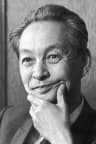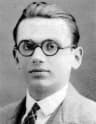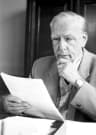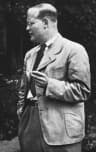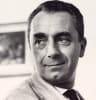
Born
July 8, 1906
Cleveland, United States
Died
January 25, 2007
New Canaan, United States
Known for
American architect
Philip Johnson (1906–2007) was United States best known for American architect.
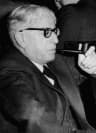
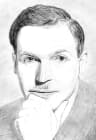
Philip Cortelyou Johnson (July 8, 1906 – January 25, 2007) was an American architect known for his contributions to modern and postmodern architecture. His iconic designs include the Glass House and 550 Madison Avenue. Johnson's work is celebrated as among the architectural masterpieces of the 20th century.
Chapter
Life chapters
Chapter 1 · 1906· Chapter 1 of 6
Early Life and Origins
Philip Johnson was born on July 8, 1906, in Cleveland, United States. His early life in Cleveland set the stage for a trajectory that would lead him to become one of the most recognized names in global architecture. Though specific details of his family and upbringing are not provided, his eventual pursuits as an art and architectural historian suggest an early engagement with culture and design.
Chapter 2· Chapter 2 of 6
Career Beginnings and Evolution
Johnson's journey into the architectural profession evolved through his roles as a historian and critic before he fully embraced design. His academic work as an art historian and architectural historian provided a deep understanding of architectural movements, which informed his practical designs. This dual perspective allowed him to not only create buildings but also to profoundly influence the discourse around architecture.
Chapter 3 · 2005· Chapter 3 of 6
Major Achievements and Career Highlights
Throughout his extensive career, Philip Johnson was a principal force behind numerous iconic architectural projects that defined their eras. His contributions were recognized by critics and the public alike, solidifying his reputation as an architectural master. The January 2005 obituary in The New York Times fittingly described his works as being “widely considered among the architectural masterpieces of the 20th century,” a testament to his lasting influence and the quality of his designs.
He was a prolific designer, credited with shaping modern and postmodern architecture through his innovative approach. Johnson’s ability to adapt and redefine architectural styles allowed him to remain relevant and influential across different decades. His legacy is characterized by a portfolio of buildings that are instantly recognizable and continue to inspire architects and enthusiasts worldwide.
Chapter 4 · 1949· Chapter 4 of 6
Notable Works and Contributions
Among Philip Johnson’s best-known designs is his modernist Glass House in New Canaan, Connecticut, completed in 1949, which became a personal residence and a symbol of minimalist architecture. He later embraced postmodernism, notably with the 550 Madison Avenue building in New York City, designed for AT&T. This project, with its distinctive Chippendale-style top, sparked significant discussion and signaled a major shift in corporate architecture.
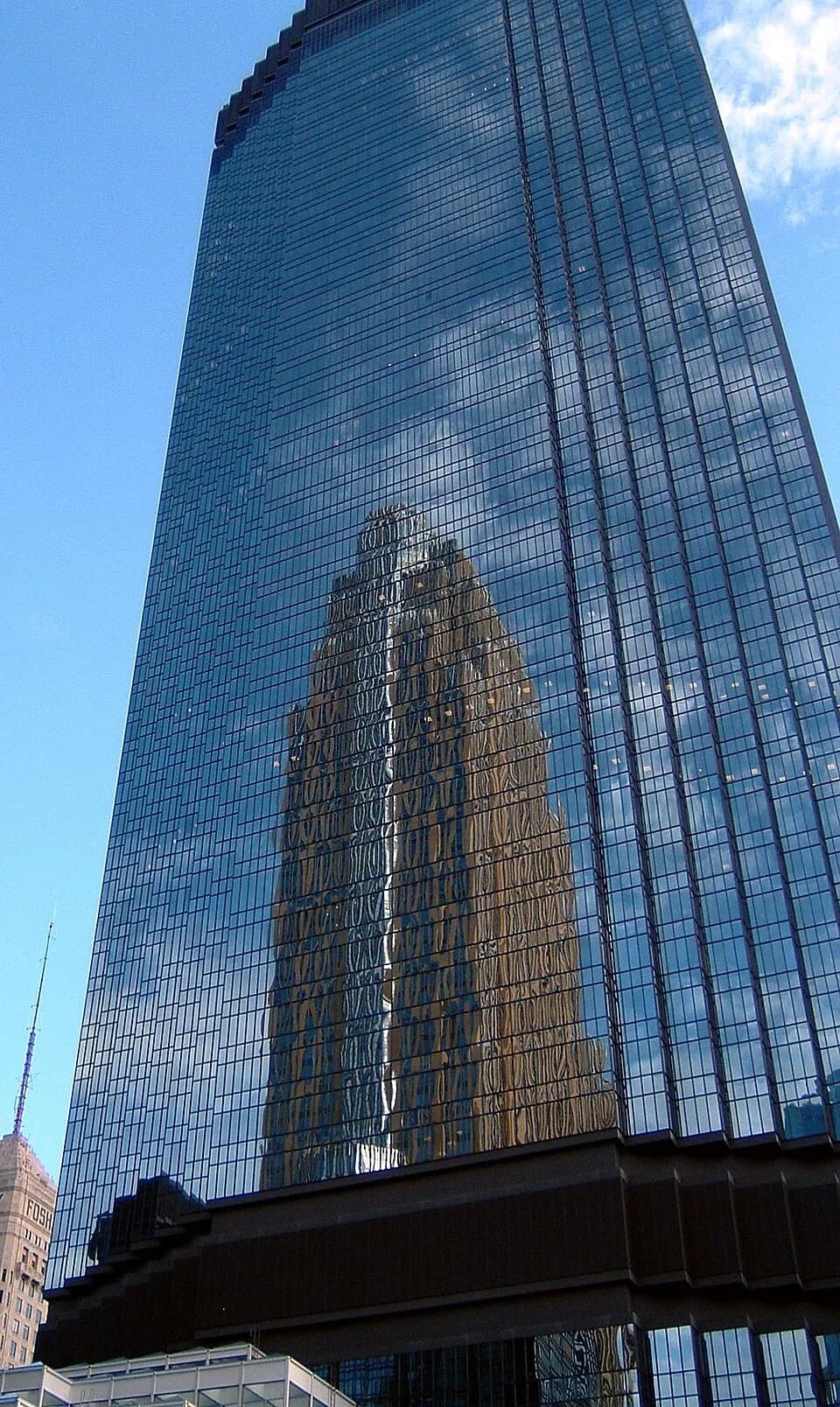
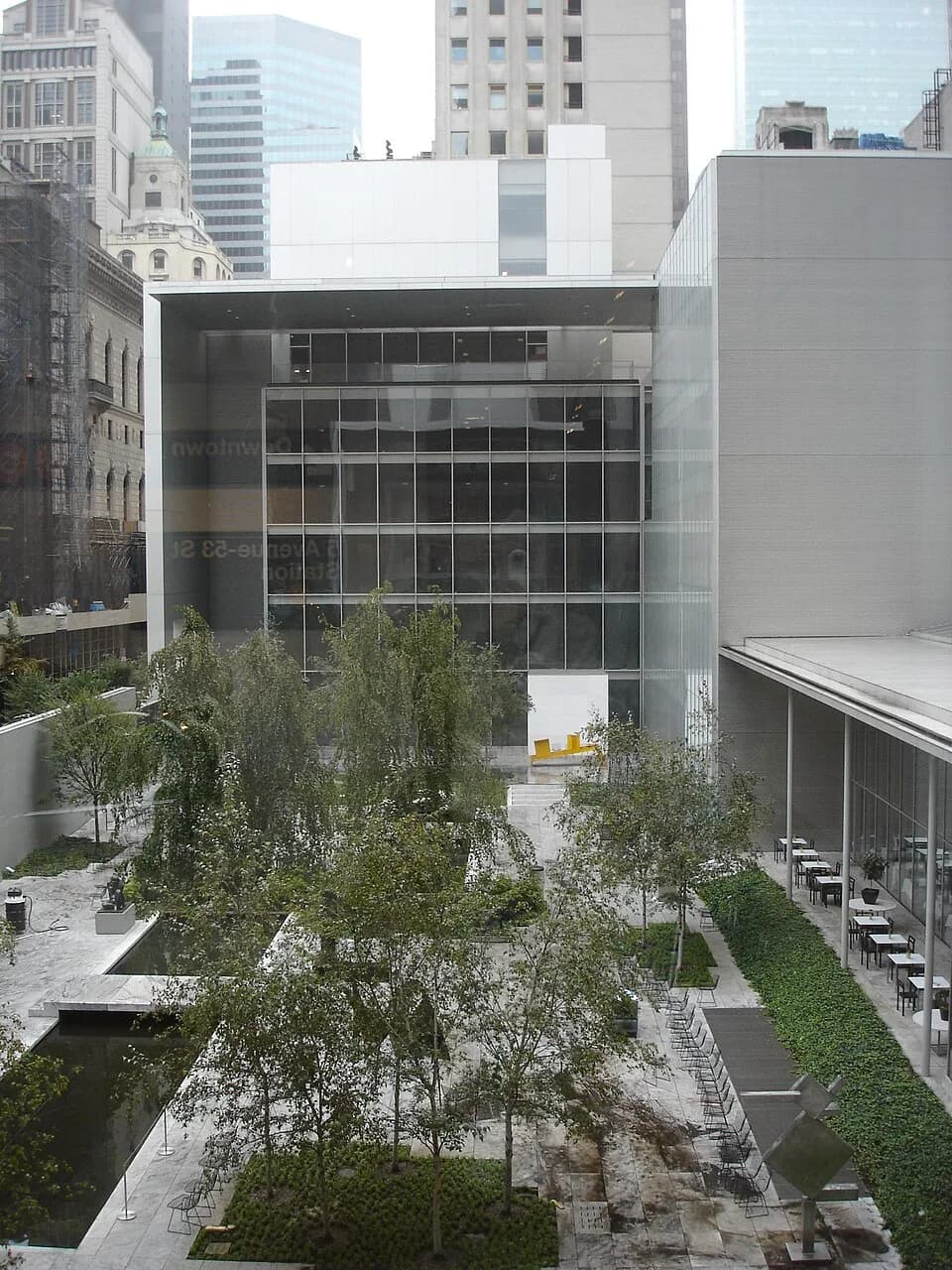
Johnson’s impact reached across various cities, with significant contributions like the 190 South La Salle Street in Chicago, an elegant postmodern skyscraper. In downtown Minneapolis, he designed the prominent IDS Tower, a striking feature of the city's skyline. His work extended to cultural institutions, including the thoughtfully conceived Sculpture Garden of New York City's Museum of Modern Art, enhancing the experience of art viewing.
Additional notable projects include the postmodern Williams Tower in Houston, Texas, a powerful and sculptural high-rise. He also designed the Pre-Columbian Pavilion at Dumbarton Oaks, demonstrating his versatility across different scales and historical contexts. Beyond his large-scale architectural projects, Johnson explored design through furniture, creating pieces like the Perching sofa (1984), Hassock (1984), and the Semicircular Banquette and table no. 33 (1959), all housed at the Met Museum. His architectural concepts are also captured in works such as the Proposed William Granger Ryan Fine Arts Center (1992) and the Perspective (1986) for One Ninety South LaSalle Street, Chicago, Illinois, both at the AIC.
Chapter 5 · 2005· Chapter 5 of 6
Later Years
Even in his later years, Philip Johnson remained active and influential within the architectural community. The New York Times obituary, published in January 2005, two years before his passing, underscored his continued relevance and the significance of his body of work. He died on January 25, 2007, in New Canaan, United States, the very place where his iconic Glass House stands.
Chapter 6· Chapter 6 of 6
Legacy and Impact
Philip Johnson’s impact on 20th-century architecture is profound and far-reaching, solidifying his place as a seminal figure who helped define both modern and postmodern movements. His designs, from the transparent simplicity of the Glass House to the ornamental grandeur of 550 Madison Avenue, challenged norms and expanded the architectural vocabulary. Through his buildings and his writings, he consistently pushed the boundaries of what architecture could be.
As an architect, art historian, and architectural historian, Johnson not only created masterpieces but also provided critical frameworks for understanding architectural evolution. He influenced generations of architects and designers, fostering new ways of thinking about space, form, and cultural meaning. His work continues to be studied, admired, and debated, ensuring his vision remains a vibrant part of architectural discourse.
A life in moments
The moments that shaped a life
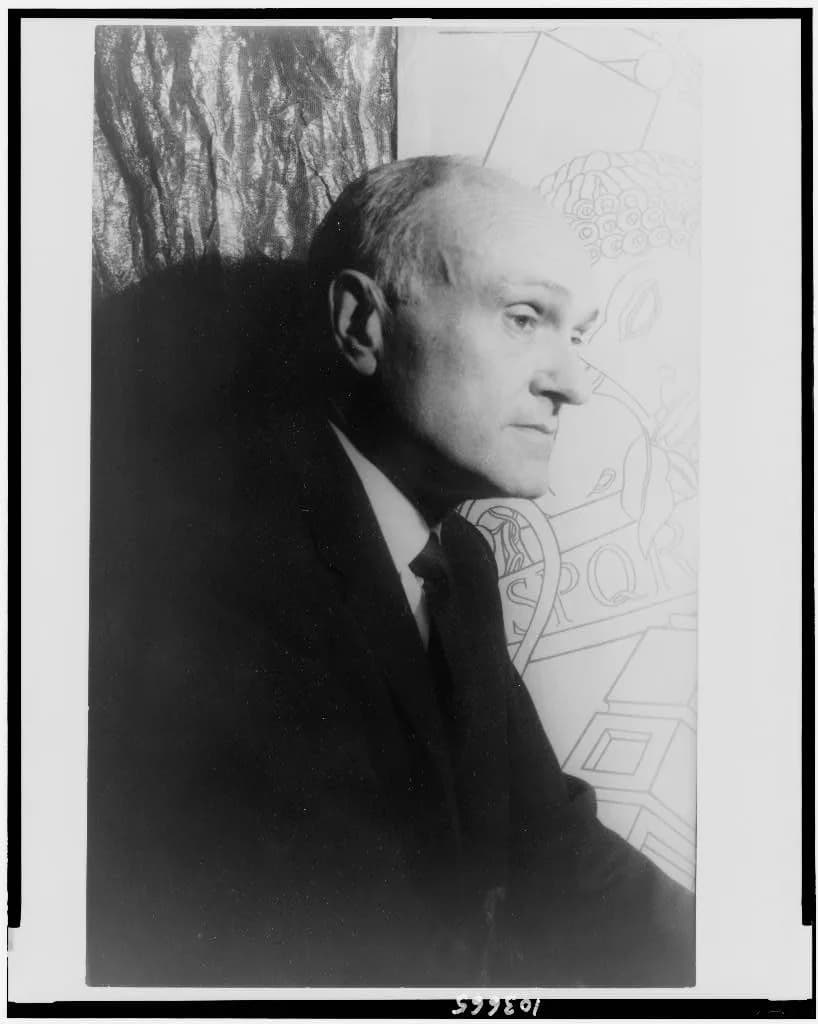
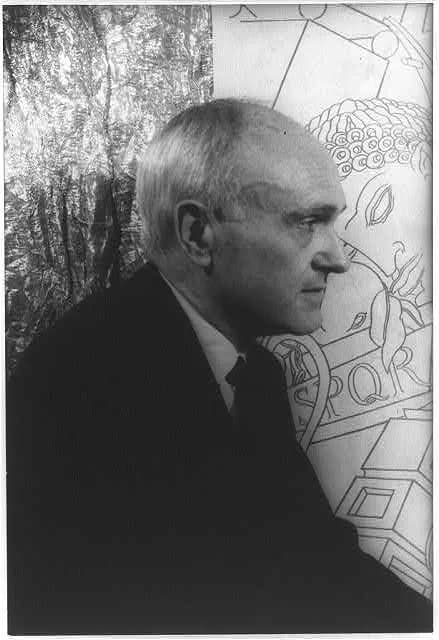

FAQ
Frequently asked
When did Philip Johnson die?
Philip Johnson died on January 25, 2007 in New Canaan, United States, at the age of 100.
Where was Philip Johnson born?
Philip Johnson was born in Cleveland, United States on July 8, 1906.
What is Philip Johnson best known for?
Philip Johnson is best known for American architect.
How old was Philip Johnson when they died?
Philip Johnson was 100 years old at the time of death.
What nationality was Philip Johnson?
Philip Johnson was from United States.
Timeline
Life at a glance
Photo gallery
A life in pictures
Click any polaroid to expand · 22 photos
QR Code
Share This Biography
Print & Share
Scan to visit this biography page. Print for events, exhibitions, or educational materials.