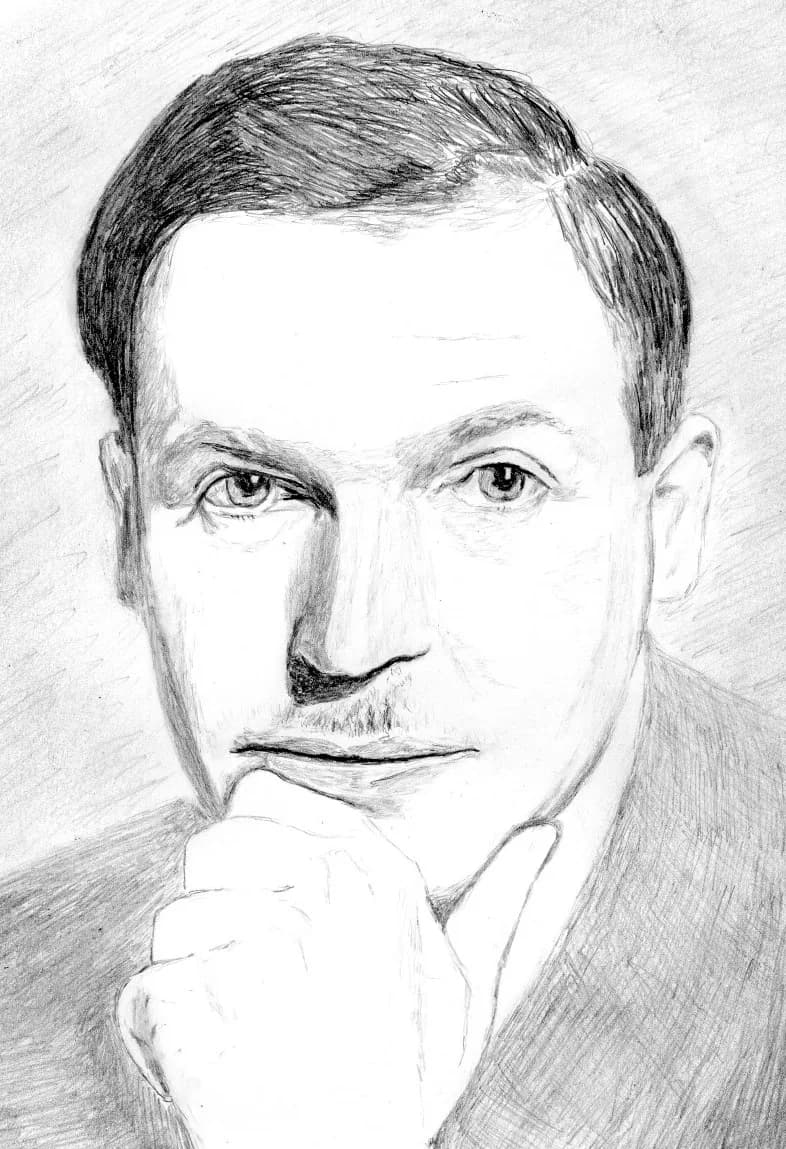
Born
July 8, 1892
Portsmouth, United Kingdom
Died
July 27, 1962
Sury-en-Vaux, France
Known for
English writer and poet
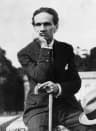
Richard Aldington (1892–1962) was United Kingdom best known for English writer and poet.
Richard Aldington (July 8, 1892 – July 27, 1962) was a distinguished English writer and poet from Portsmouth, United Kingdom. He was an early associate of the Imagist movement and produced 143 titles across poetry, fiction, and biography. His extensive contributions left a lasting mark on 20th-century literature.
Chapter
Life chapters
Chapter 1 · 1892· Chapter 1 of 7
Early Life and Origins
Richard Aldington was born in Portsmouth, United Kingdom, on July 8, 1892. His early life unfolded against the backdrop of a changing literary world, setting the stage for his future endeavors. Though specific details of his upbringing are concise in the provided information, his origins in England provided the cultural grounding for his later artistic expressions.
Chapter 2· Chapter 2 of 7
Career Beginnings
Aldington's literary journey began with a strong connection to the burgeoning Imagist movement, an association that defined his early poetic contributions. This early engagement placed him at the forefront of a significant shift in poetic style and philosophy. He quickly established himself as a voice dedicated to precision and economy in language, a hallmark of the Imagist aesthetic.
Chapter 3· Chapter 3 of 7
Major Achievements and Career Highlights
Throughout his extensive fifty-year writing career, Richard Aldington amassed an impressive body of work, resulting in 143 separate titles. These titles encompassed a broad spectrum of literary forms, including poetry, literary criticism, and fiction. Beyond his own creative output, he also published reviews of over 1,350 separate books and hundreds of other articles, demonstrating his wide-ranging engagement with contemporary literature.
Among his most significant achievements was editing The Egoist, a prominent literary journal, which further cemented his influence in modernist circles. He contributed extensively to other esteemed publications such as The Times Literary Supplement, Vogue, The Criterion, and Poetry. Aldington's biography of Wellington, published in 1946, earned him the prestigious James Tait Black Memorial Prize, a testament to his biographical prowess.
Chapter 4· Chapter 4 of 7
Personal Interests and Professional Connections
While specific details of Richard Aldington's personal life are not provided, his extensive professional connections and interests shaped his career. His early association with the Imagist movement demonstrates a deep engagement with contemporary literary innovation. This connection was a defining aspect of his professional identity, linking him with other influential figures of the era.
Chapter 5· Chapter 5 of 7
Notable Works and Contributions
Richard Aldington's bibliography is rich and varied, showcasing his versatility as a writer. His poetic output includes works like "A dream in the Luxembourg" and "Rêverie dans le Jardin du Luxembourg," reflecting his lyrical sensibilities. As a translator, he contributed to "Great French romances," bringing European literature to English audiences.
His fiction includes novels such as "The German prisoner" and "The little demon," demonstrating his skill in narrative storytelling. He also played a role in significant anthologies like "Des imagistes," which defined a poetic movement. The comprehensive biography "Wellington" (1946) stands as a major contribution to non-fiction, highlighting his rigorous research and narrative craft.
Chapter 6 · 1962· Chapter 6 of 7
Later Years
Richard Aldington continued his prolific output into his later years, maintaining his dedication to writing and literary engagement. His lengthy career, spanning five decades, suggests a sustained commitment to his craft until his passing. He died on July 27, 1962, in Sury-en-Vaux, France, after a lifetime dedicated to the written word.
Chapter 7· Chapter 7 of 7
Legacy and Impact
Richard Aldington's legacy is defined by his prodigious output and his significant role in 20th-century English literature. His work as a poet, novelist, critic, and translator contributed to shaping the literary dialogue of his era. Through 143 titles and thousands of reviews and articles, he enriched the intellectual and artistic landscape for future generations.
His early association with Imagism helped popularize a new poetic sensibility that valued clarity and directness. The meticulous scholarship evident in works like his "Wellington" biography, combined with his editorial work, cemented his standing as a literary figure of considerable influence. His vast correspondence, with approximately 8,000 letters located, offers further insight into his enduring impact and connections within the literary world.
A life in moments
The moments that shaped a life
FAQ
Frequently asked
When did Richard Aldington die?
Richard Aldington died on July 27, 1962 in Sury-en-Vaux, France, at the age of 70.
Where was Richard Aldington born?
Richard Aldington was born in Portsmouth, United Kingdom on July 8, 1892.
What is Richard Aldington best known for?
Richard Aldington is best known for English writer and poet.
How old was Richard Aldington when they died?
Richard Aldington was 70 years old at the time of death.
What nationality was Richard Aldington?
Richard Aldington was from United Kingdom.
Timeline
Life at a glance
Photo gallery
A life in pictures
Click any polaroid to expand · 18 photos
QR Code
Share This Biography
Print & Share
Scan to visit this biography page. Print for events, exhibitions, or educational materials.