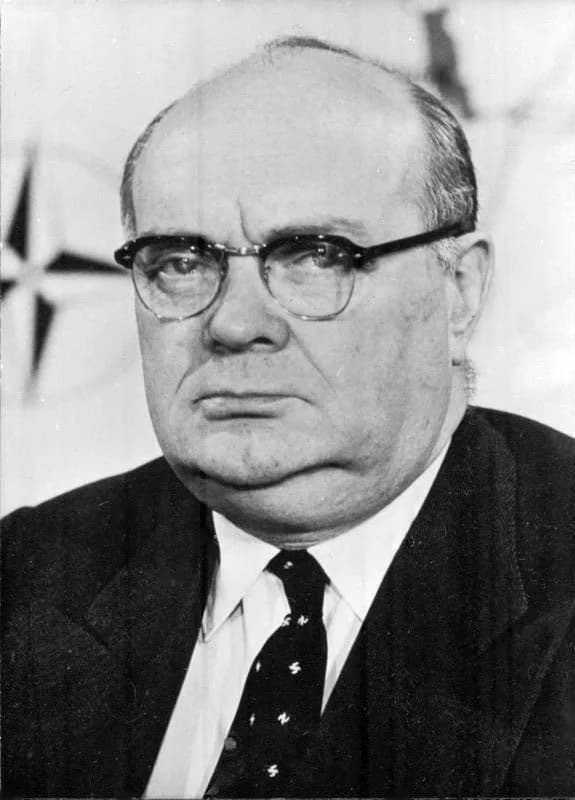
Born
January 25, 1899
Schaerbeek, Belgium
Died
July 31, 1972
Braine-l'Alleud, Belgium
Known for
Belgian politician
Paul-Henri Spaak (1899–1972) was Belgium best known for Belgian politician.
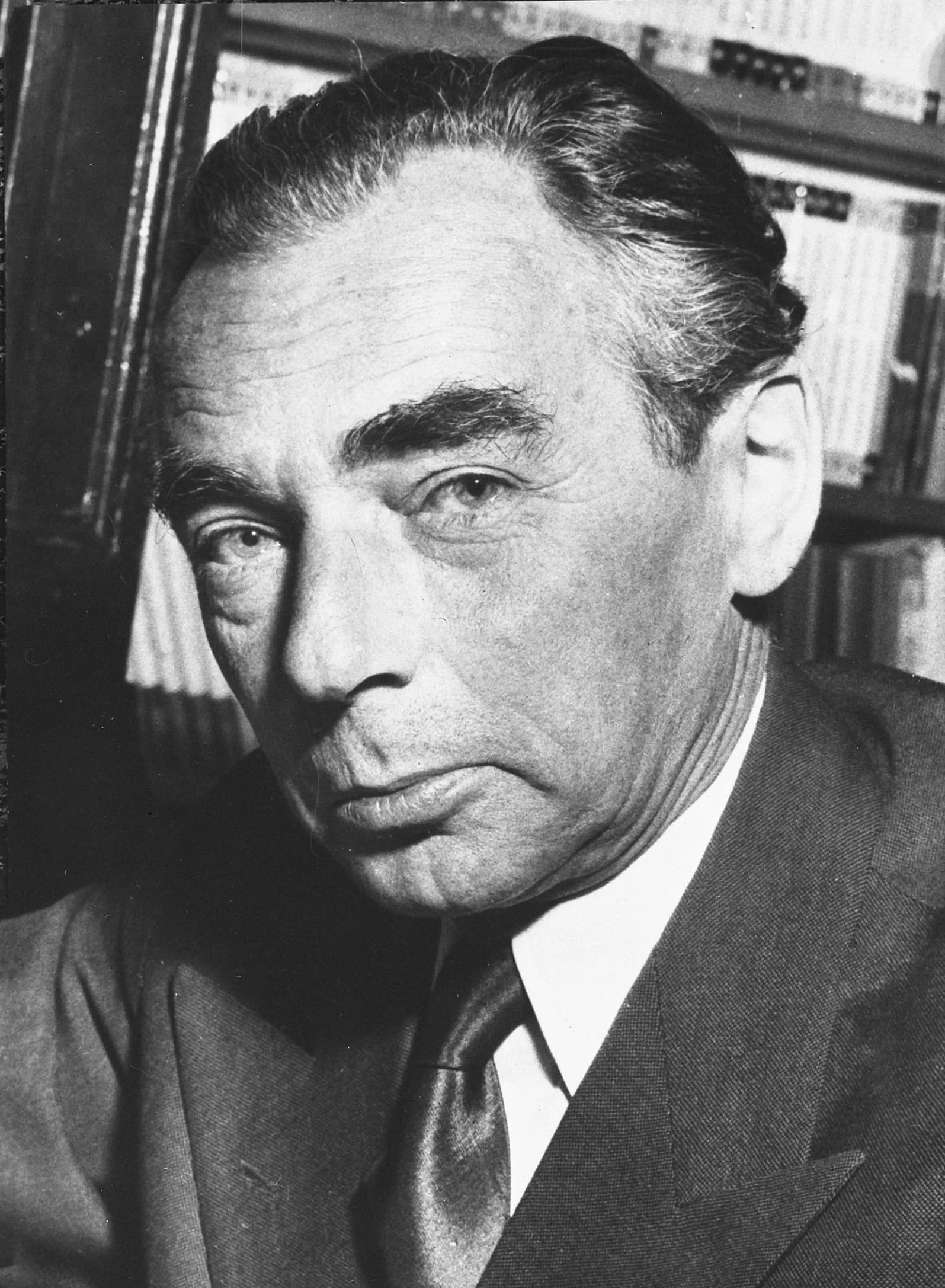
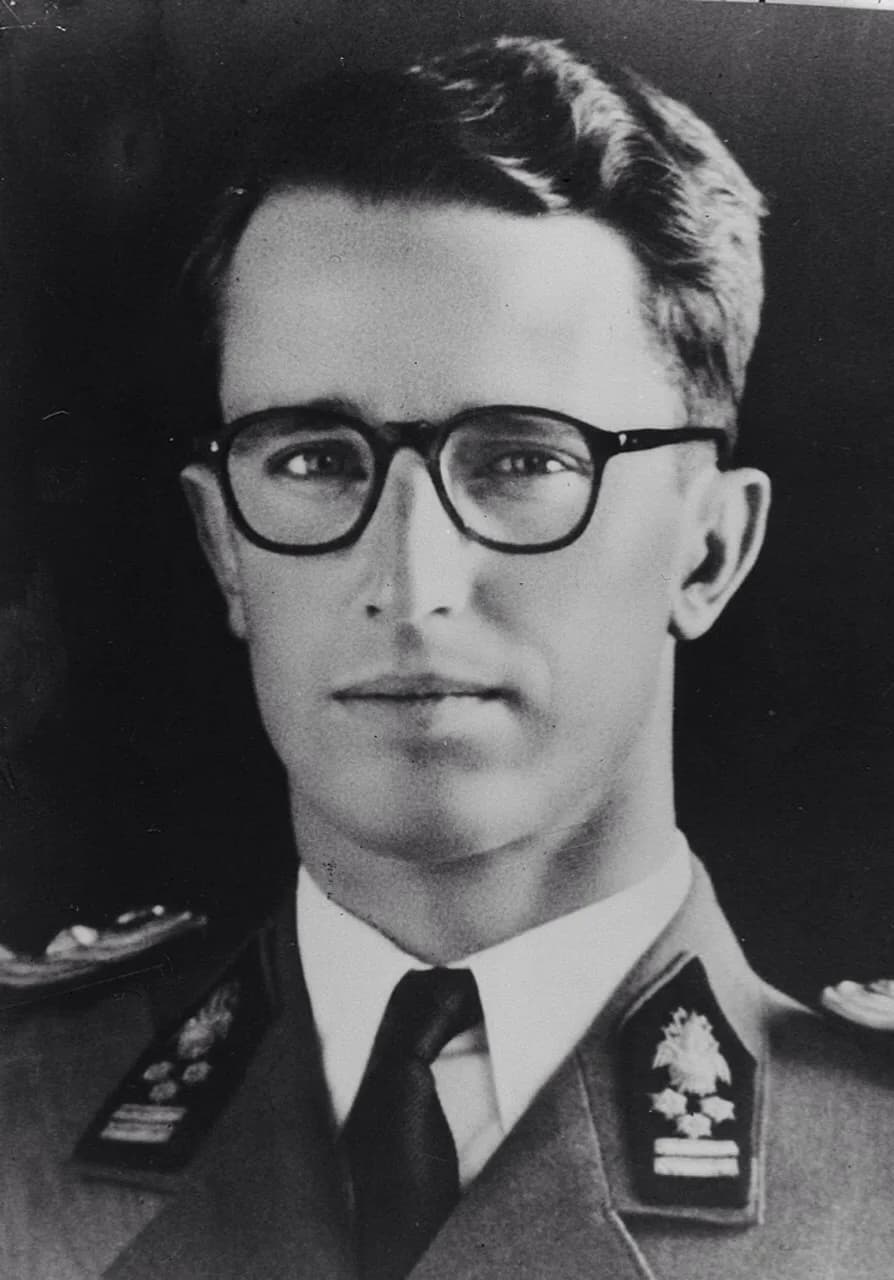
Paul-Henri Spaak (January 25, 1899 – July 31, 1972) was a Belgian politician from Schaerbeek. Known as "Mr. Europe," he was a leader in forming the institutions that evolved into the European Union. He also served as Belgium's prime minister and NATO's second secretary general, leaving a significant legacy.
A life in moments
The moments that shaped a life
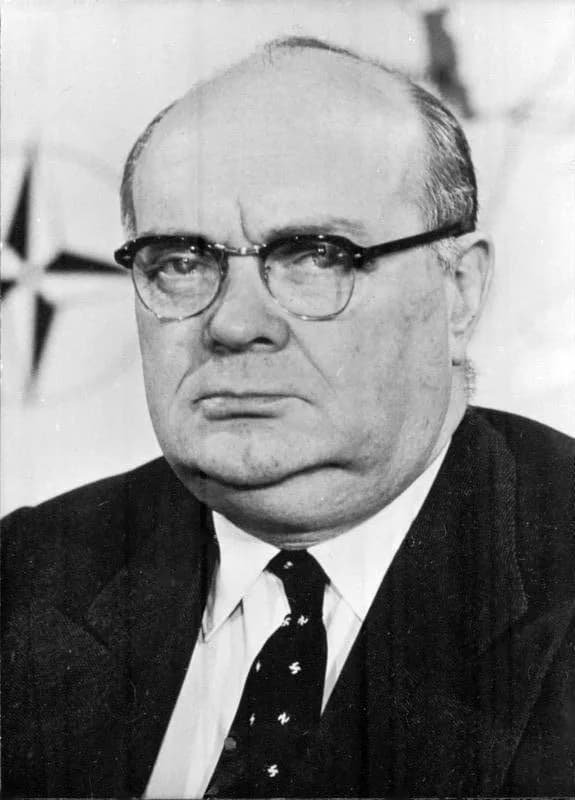
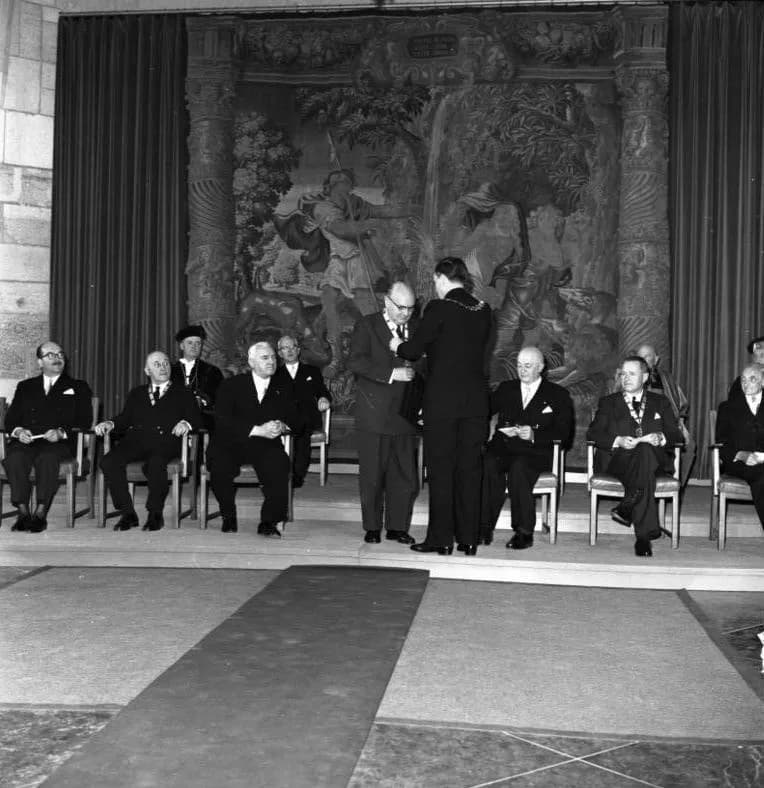
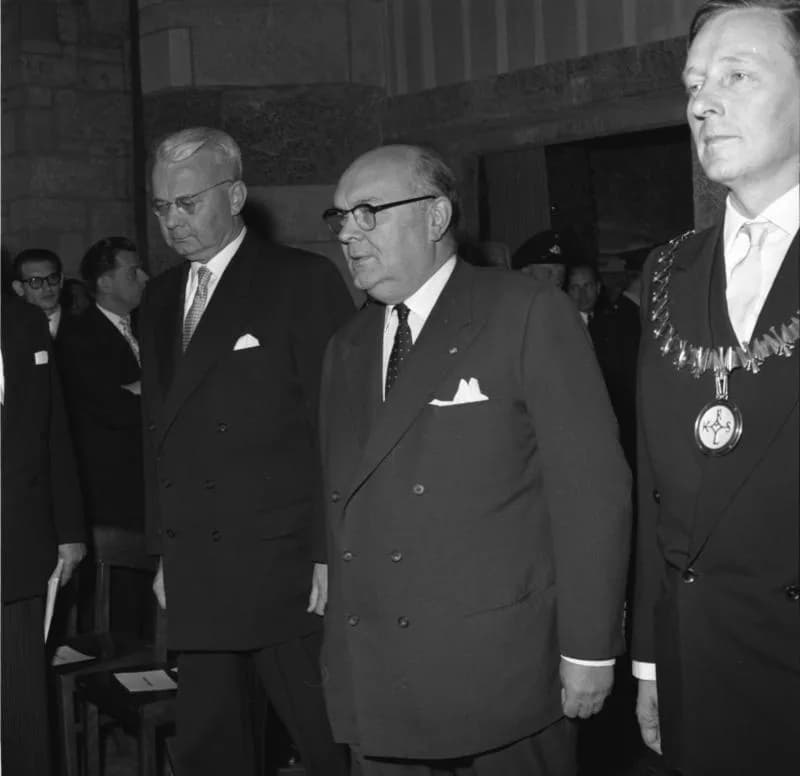
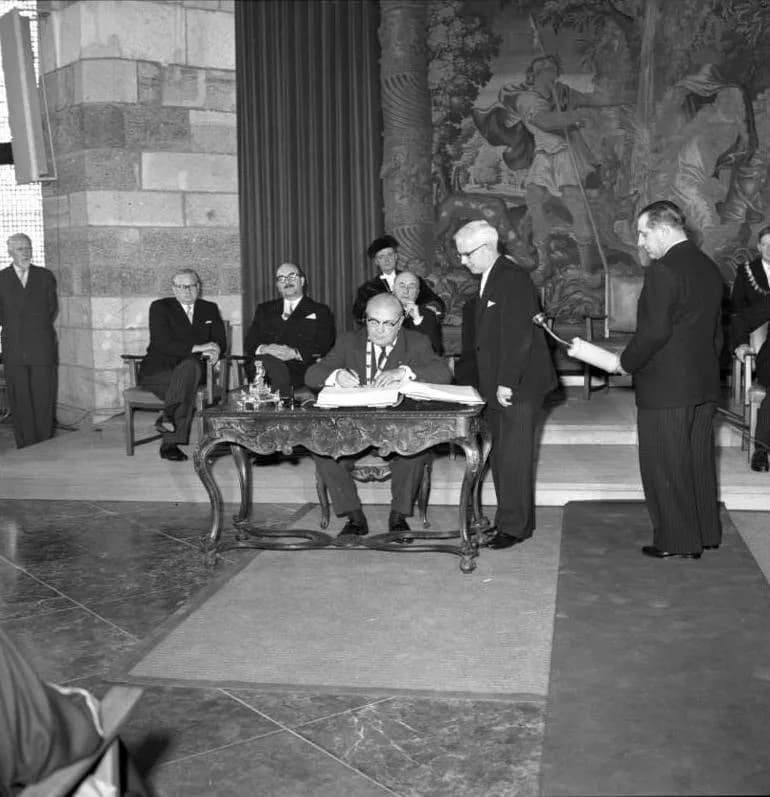
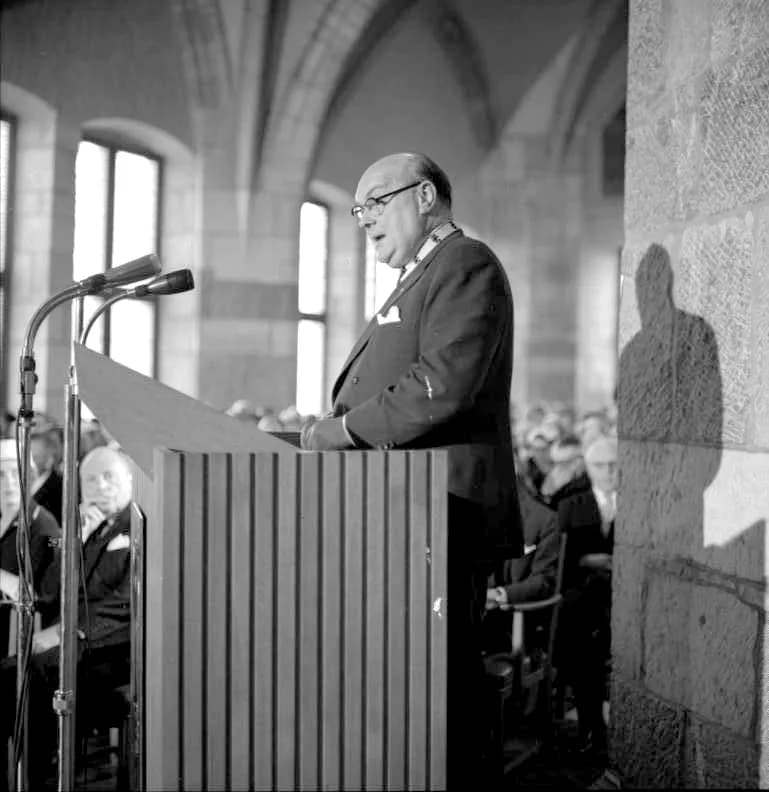
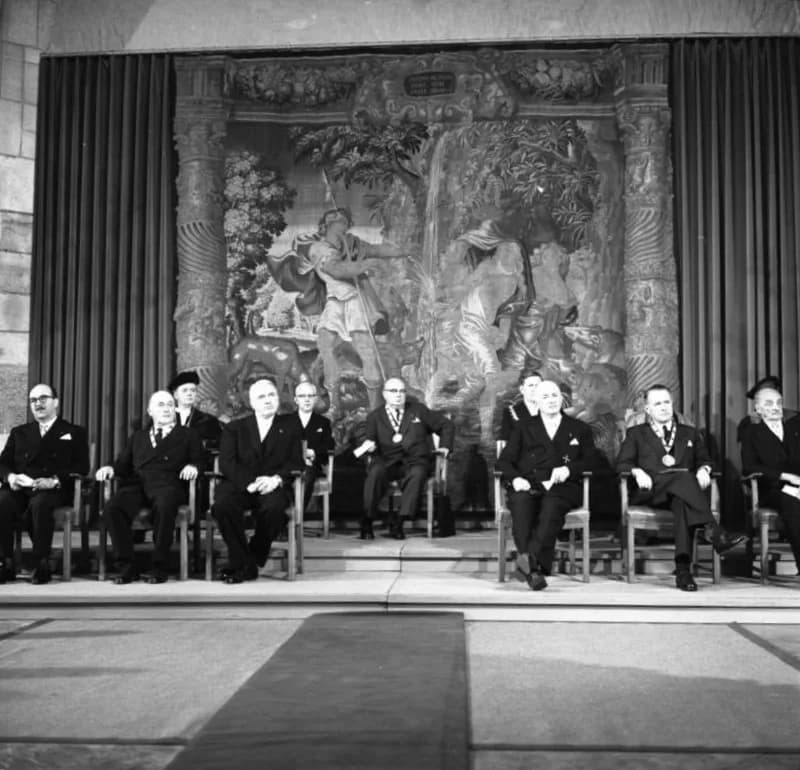
Chapter
Life chapters
Chapter 1 · 1899· Chapter 1 of 7
Early Life and Origins
Paul-Henri Spaak was born on January 25, 1899, in Schaerbeek, Belgium. He grew up in an environment where political discourse was common, which likely influenced his future path in public service. His early life experiences in Belgium, a nation often at the nexus of European affairs, surely shaped his understanding of international cooperation.
Chapter 2· Chapter 2 of 7
Career Beginnings
Spaak's early professional life saw him engage in various pursuits before rising to prominence in politics. He was known for his skills as a tennis player, demonstrating an early aptitude for competition and strategy. Transitioning into the political arena, he quickly established himself as a significant figure within the Belgian Socialist party.
His dedication to public service led him into substantial diplomatic and political roles. Spaak's initial contributions laid the groundwork for a career marked by leadership and a deep commitment to his country and the wider European continent. He began building the foundation for what would become an enduring legacy of statesmanship and international collaboration.
Chapter 3· Chapter 3 of 7
Major Achievements and Career Highlights
Paul-Henri Spaak's career was adorned with numerous significant milestones on both national and international stages. He served three terms as the prime minister of Belgium, a testament to his political acumen and the trust placed in him by the Belgian people. His leadership during these periods was essential for Belgium's stability and growth.
Beyond national politics, Spaak's influence extended globally as the second secretary general of NATO. In this vital international role, he played a critical part in strengthening transatlantic cooperation and security during a crucial era. His diplomatic abilities were instrumental in guiding the alliance through complex geopolitical challenges.
Chapter 4· Chapter 4 of 7
Personal Life
While primarily recognized for his political and diplomatic achievements, Paul-Henri Spaak also had other interests. He was notably a tennis player, demonstrating a diverse set of talents outside the demanding world of politics. This aspect of his life provided a glimpse into his personal pursuits and athleticism.
Chapter 5· Chapter 5 of 7
Notable Works or Contributions
Paul-Henri Spaak is celebrated for his extraordinary contributions to European integration. Alongside figures like Robert Schuman, Alcide De Gasperi, and Konrad Adenauer, he was a driving force in the formation of institutions that would later become the European Union. His vision for a united Europe earned him the lasting nickname "Mr. Europe."
His efforts laid much of the groundwork for cross-border collaboration and peace on the continent. Spaak was instrumental in drafting foundational documents and negotiating agreements that aimed to prevent future conflicts and foster economic prosperity. These contributions are regarded as cornerstones of modern European political architecture.
Chapter 6 · 1957· Chapter 6 of 7
Later Years
In his later career, Paul-Henri Spaak continued to advocate for international cooperation and peace. His tenure as NATO's Secretary General from 1957 to 1961 solidified his reputation as a global diplomat. He retired from active political life after a career spanning several decades, leaving a considerable impact on both national and international stages.
He passed away on July 31, 1972, in Braine-l'Alleud, Belgium, after a life dedicated to public service. His final years allowed for reflection on a career that shaped European and global affairs significantly. Spaak's passing marked the end of an era for a true statesman.
Chapter 7· Chapter 7 of 7
Legacy and Impact
The legacy of Paul-Henri Spaak endures as one of the principal architects of modern Europe. His tireless advocacy for integration and his leadership in creating international bodies continue to influence geopolitical thought and policy today. He is remembered for his foresight in understanding the importance of unity among nations.
Spaak's nickname, "Mr. Europe," perfectly encapsulates his lasting influence on the European project. His vision, shared with other founding fathers, has yielded generations of peace and cooperation among European nations. The institutions he helped establish stand as a memorial to his enduring commitment to a better future.
FAQ
Frequently asked
When did Paul-Henri Spaak die?
Paul-Henri Spaak died on July 31, 1972 in Braine-l'Alleud, Belgium, at the age of 73.
Where was Paul-Henri Spaak born?
Paul-Henri Spaak was born in Schaerbeek, Belgium on January 25, 1899.
What is Paul-Henri Spaak best known for?
Paul-Henri Spaak is best known for Belgian politician.
How old was Paul-Henri Spaak when they died?
Paul-Henri Spaak was 73 years old at the time of death.
What nationality was Paul-Henri Spaak?
Paul-Henri Spaak was from Belgium.
Timeline
Life at a glance
Photo gallery
A life in pictures
Click any polaroid to expand · 25 photos
QR Code
Share This Biography
Print & Share
Scan to visit this biography page. Print for events, exhibitions, or educational materials.