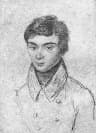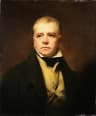
Born
June 1, 1796
Paris, France
Died
August 24, 1832
Paris, France
Known for
French physicist, the "father of thermodynamics"
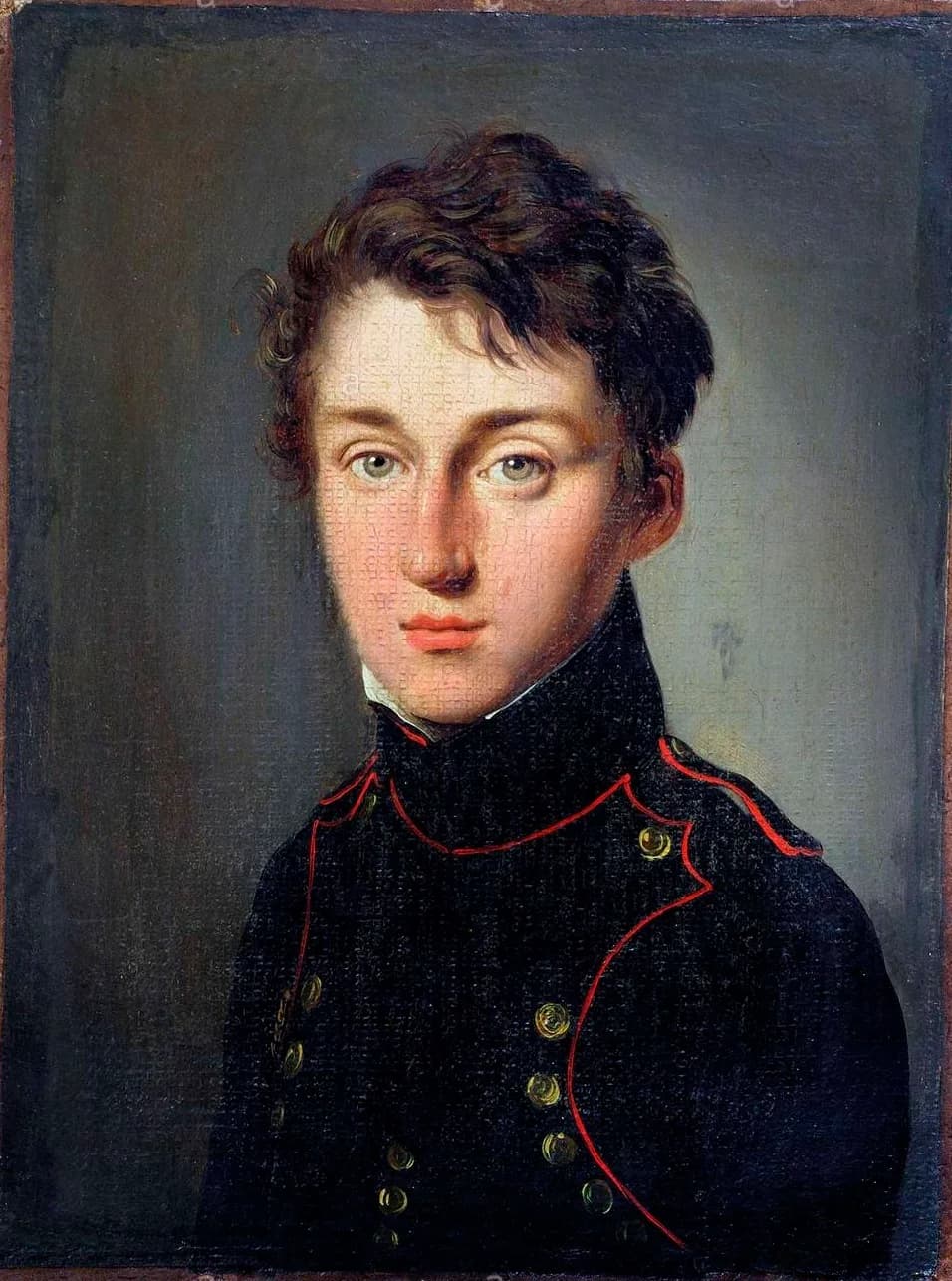
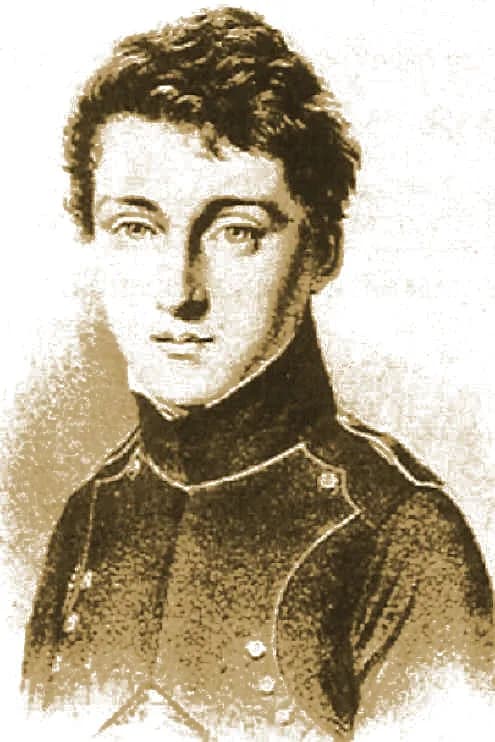
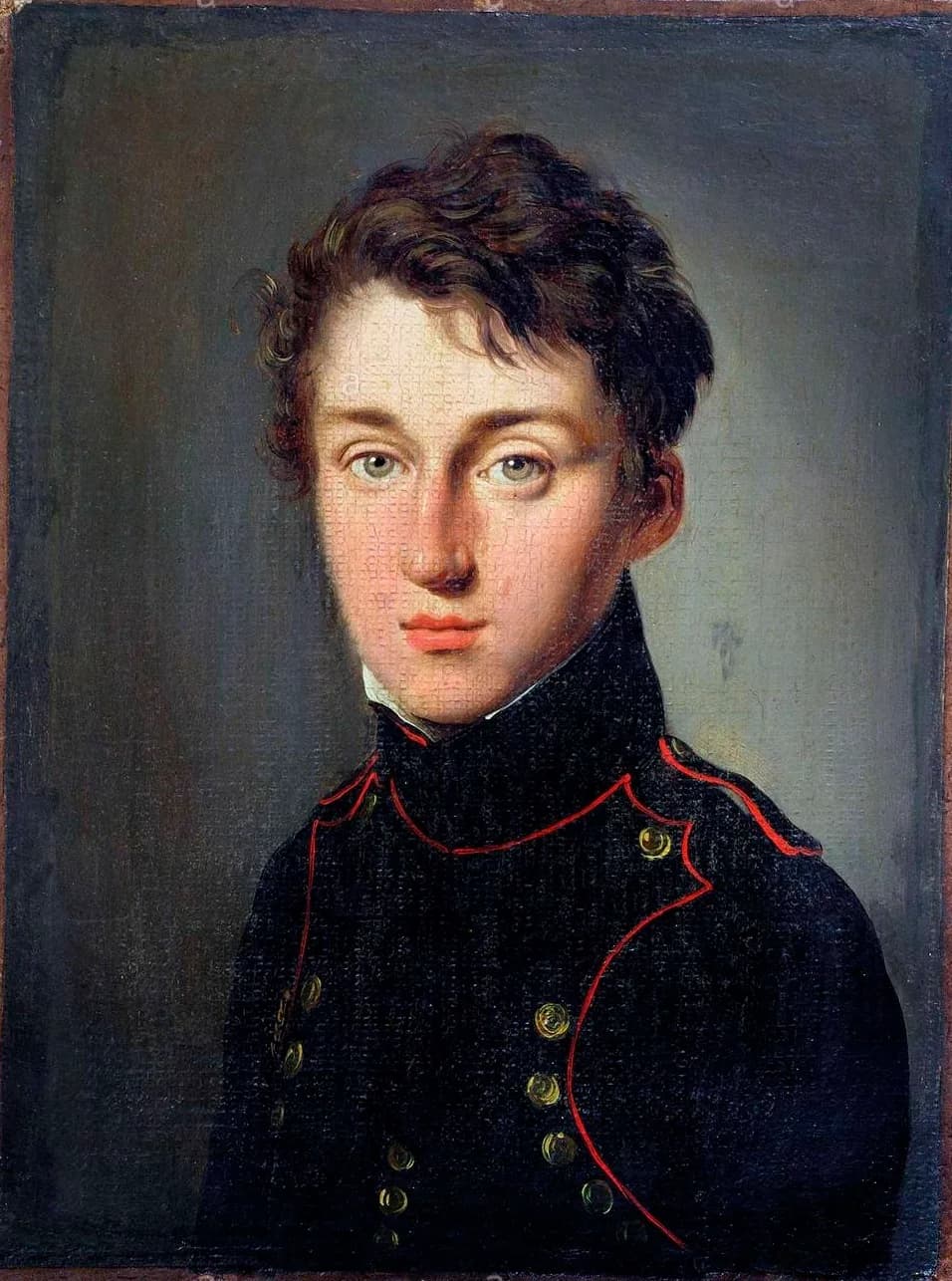
Nicolas Carnot (1796–1832) was France best known for French physicist, the "father of thermodynamics".
Nicolas Léonard Sadi Carnot (June 1, 1796 – August 24, 1832) was a French physicist and engineer. He developed the first theory of the maximum efficiency of heat engines in his only publication. Carnot is celebrated as the "father of thermodynamics" for his foundational insights.
Chapter
Life chapters
Chapter 1 · 1796· Chapter 1 of 6
Early Life and Origins
Nicolas Carnot was born on June 1, 1796, into a distinguished family in Paris, France. His upbringing was steeped in intellectual rigor, fostering an environment conducive to scientific curiosity and deep thought. The cultural and academic vibrancy of post-revolutionary Paris likely provided a stimulating backdrop for his formative years, encouraging his inherent talents in mathematics and physics.
His formal education took him to the prestigious École polytechnique, an institution renowned for its demanding curriculum in engineering and science. Graduating from such an esteemed school equipped him with a robust theoretical foundation and practical skills. This period of intense study prepared him for a career that would bridge the gap between abstract scientific principles and real-world applications, particularly in the realm of mechanical power.
Chapter 2· Chapter 2 of 6
Career Beginnings
Following his graduation from the École polytechnique, Carnot began a career as an officer within the French military. He served specifically in the Engineering Arm of the French Army, a role that allowed him to apply his advanced technical and mathematical skills. This professional experience provided him with direct exposure to practical problems of efficiency and power generation, particularly relevant to military operations and infrastructure.
Despite the demands of his military service, Carnot concurrently pursued independent scientific studies with great dedication. This personal research complemented his engineering background, allowing him to examine theoretical physics in depth. His position afforded him the opportunity to observe and reflect on the practical limitations and potential improvements in contemporary machinery, especially the steam engines of his era.
Chapter 3 · 1824· Chapter 3 of 6
Major Achievements and Career Highlights
Carnot's most profound achievement materialized in June 1824 with the publication of his singular essay, "Reflections on the Motive Power of Fire." This slender volume, despite being his only work, represented a colossal intellectual leap forward. It presented a comprehensive and revolutionary theory concerning the conversion of heat into mechanical work.
Within this seminal publication, Carnot meticulously developed the first successful and rigorous theory for the maximum efficiency attainable by heat engines. He systematically explored the relationship between temperature differences and the work that could be extracted, setting an absolute theoretical limit for such processes. This insight provided an invaluable benchmark for engineers striving to improve the performance of industrial machines.
The concepts introduced in his essay were far ahead of their time, laying the groundwork for what would later become the second law of thermodynamics. His work offered a deep, unified understanding of how heat engines operate and the fundamental constraints governing their power output. This single achievement solidified his place as a pioneer in the field of energy dynamics.
Chapter 4 · 1824· Chapter 4 of 6
Notable Works or Contributions
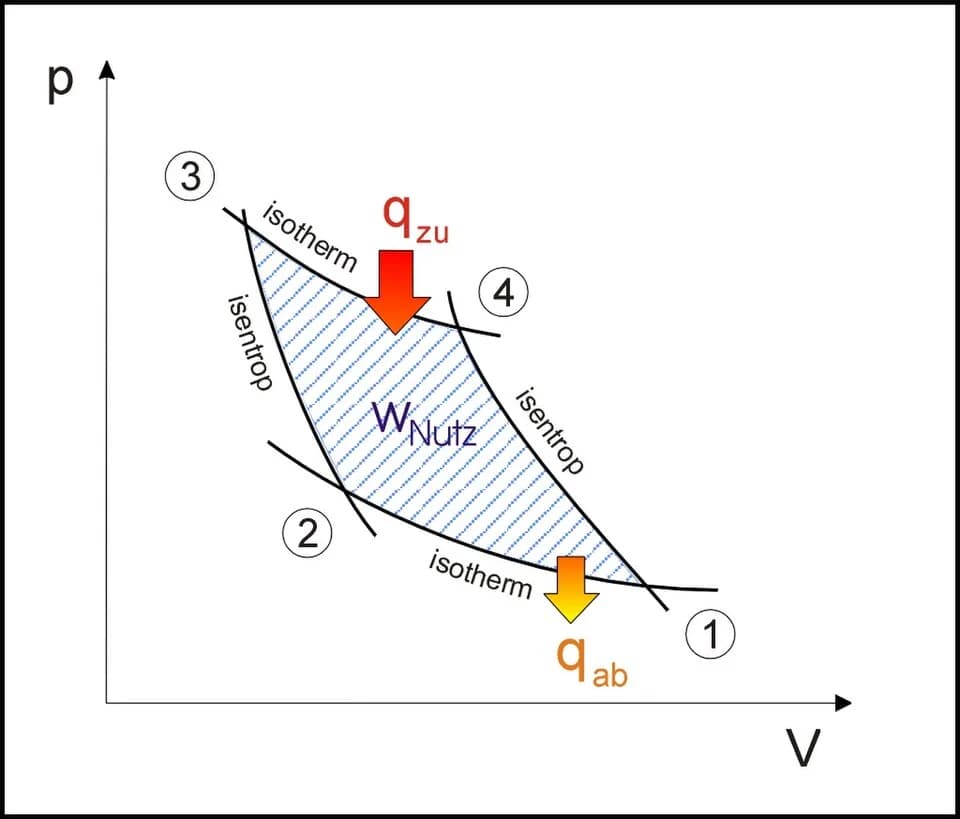
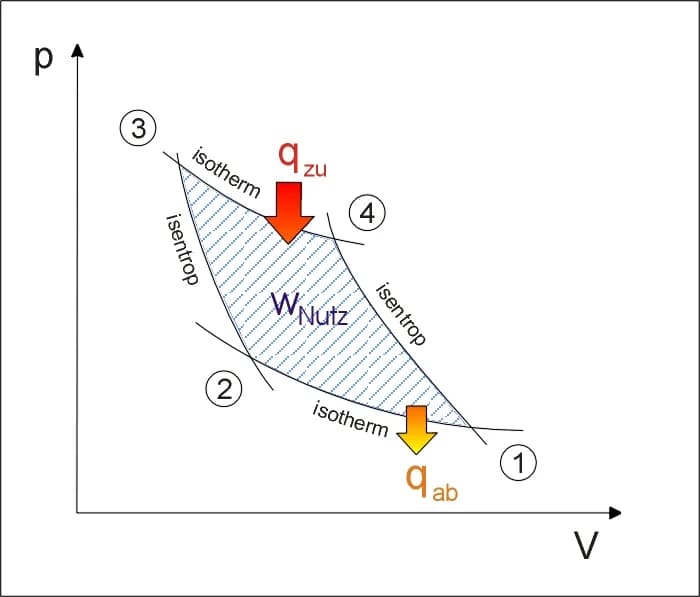
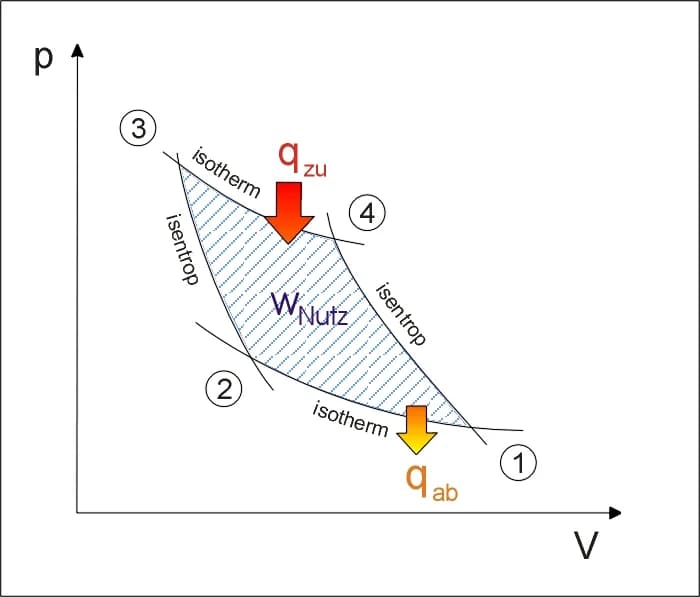
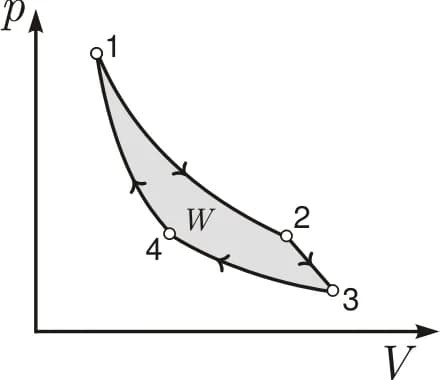
The entirety of Nicolas Carnot's publicly recognized scientific contribution rests on his one extraordinary work: "Reflections on the Motive Power of Fire," published in 1824. This essay explored the theoretical underpinnings of why and how engines generate power from heat. He articulated a groundbreaking understanding of the ideal heat engine, now famously known as the Carnot cycle.
Through this work, Carnot introduced the crucial principle of reversibility and its implications for engine efficiency. He demonstrated that the efficiency of a heat engine depends solely on the temperatures of the hot and cold reservoirs between which it operates, irrespective of the working substance. This universal principle provided a powerful new lens through which to view and optimize thermal processes.
His analytical approach, combining a deep understanding of physics with engineering practicality, allowed him to derive insights that were both theoretically elegant and immensely practical. The ideas presented in "Reflections on the Motive Power of Fire" offered a conceptual foundation upon which the entire edifice of thermodynamics would later be constructed by subsequent scientists.
Chapter 5 · 1832· Chapter 5 of 6
Later Years
Nicolas Carnot's brilliant scientific career was tragically cut short, as he passed away on August 24, 1832. He died in his beloved birthplace, Paris, France, at the relatively young age of thirty-six. His death occurred a mere eight years after the publication of his monumental work, leaving much of his potential further contributions unrealized.
During his lifetime, the full scope and significance of his "Reflections on the Motive Power of Fire" were not widely appreciated by the broader scientific community. It took several decades for his work to be rediscovered and its profound implications to be fully understood and integrated into mainstream scientific thought. The tragic brevity of his life undoubtedly limited his personal opportunity to witness the widespread acceptance and expansion of his groundbreaking theories.
Chapter 6 · 1824· Chapter 6 of 6
Legacy and Impact
Nicolas Carnot is rightly celebrated as the "father of thermodynamics" for his unparalleled conceptualization of heat engine efficiency. His 1824 essay, "Reflections on the Motive Power of Fire," established the theoretical limits for converting heat into work, a principle that remains fundamental to physics and engineering. The Carnot cycle, an idealized thermodynamic cycle described in his work, continues to serve as a theoretical benchmark.
His pioneering insights formed the bedrock upon which subsequent scientific giants, such as Rudolf Clausius and William Thomson (Lord Kelvin), built the formal structure of thermodynamics in the mid-19th century. They recognized the deep originality and lasting importance of Carnot's ideas, leading to the formulation of the second law of thermodynamics. Carnot’s legacy extends to every device that converts heat into work, from power plants to internal combustion engines.
Even today, Carnot's principles guide the design and optimization of energy systems across various industries. His enduring influence underscores the power of rigorous theoretical inquiry to shape technological advancement and our understanding of the physical world. Nicolas Carnot’s singular publication continues to inspire and inform, securing his place as one of history's most important scientific thinkers.
A life in moments
The moments that shaped a life
FAQ
Frequently asked
When did Nicolas Carnot die?
Nicolas Carnot died on August 24, 1832 in Paris, France, at the age of 36.
Where was Nicolas Carnot born?
Nicolas Carnot was born in Paris, France on June 1, 1796.
What is Nicolas Carnot best known for?
Nicolas Carnot is best known for French physicist, the "father of thermodynamics".
How old was Nicolas Carnot when they died?
Nicolas Carnot was 36 years old at the time of death.
What nationality was Nicolas Carnot?
Nicolas Carnot was from France.
Timeline
Life at a glance
Photo gallery
A life in pictures
Click any polaroid to expand · 50 photos
QR Code
Share This Biography
Print & Share
Scan to visit this biography page. Print for events, exhibitions, or educational materials.