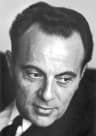
Born
March 11, 1920
Dordrecht, Netherlands
Died
September 5, 2017
Tucson, United States
Known for
Dutch-born American physicist
Nicolaas Bloembergen (1920–2017) was Netherlands best known for Dutch-born American physicist.
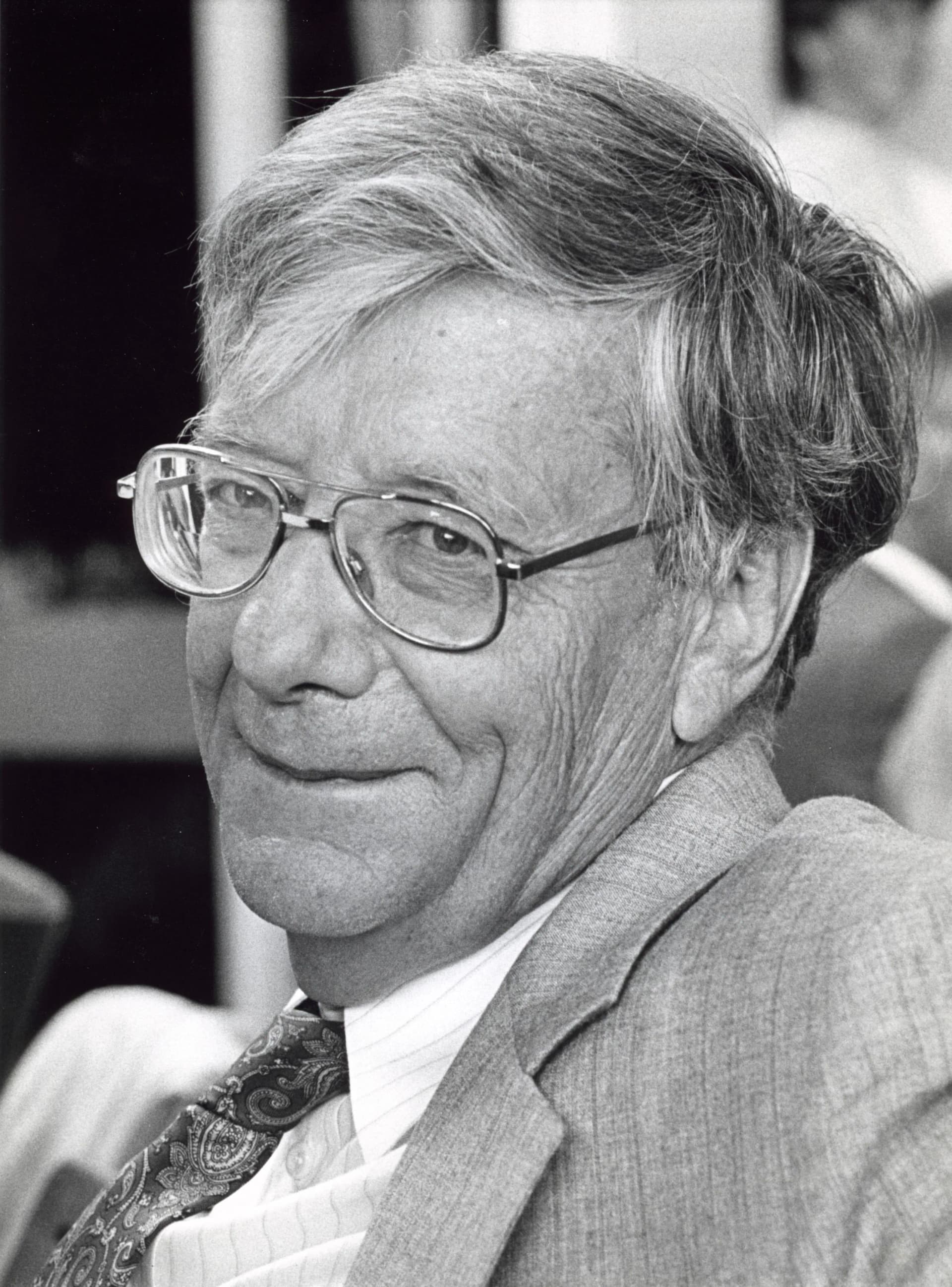
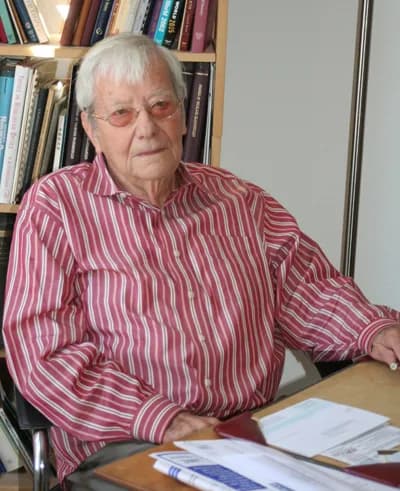
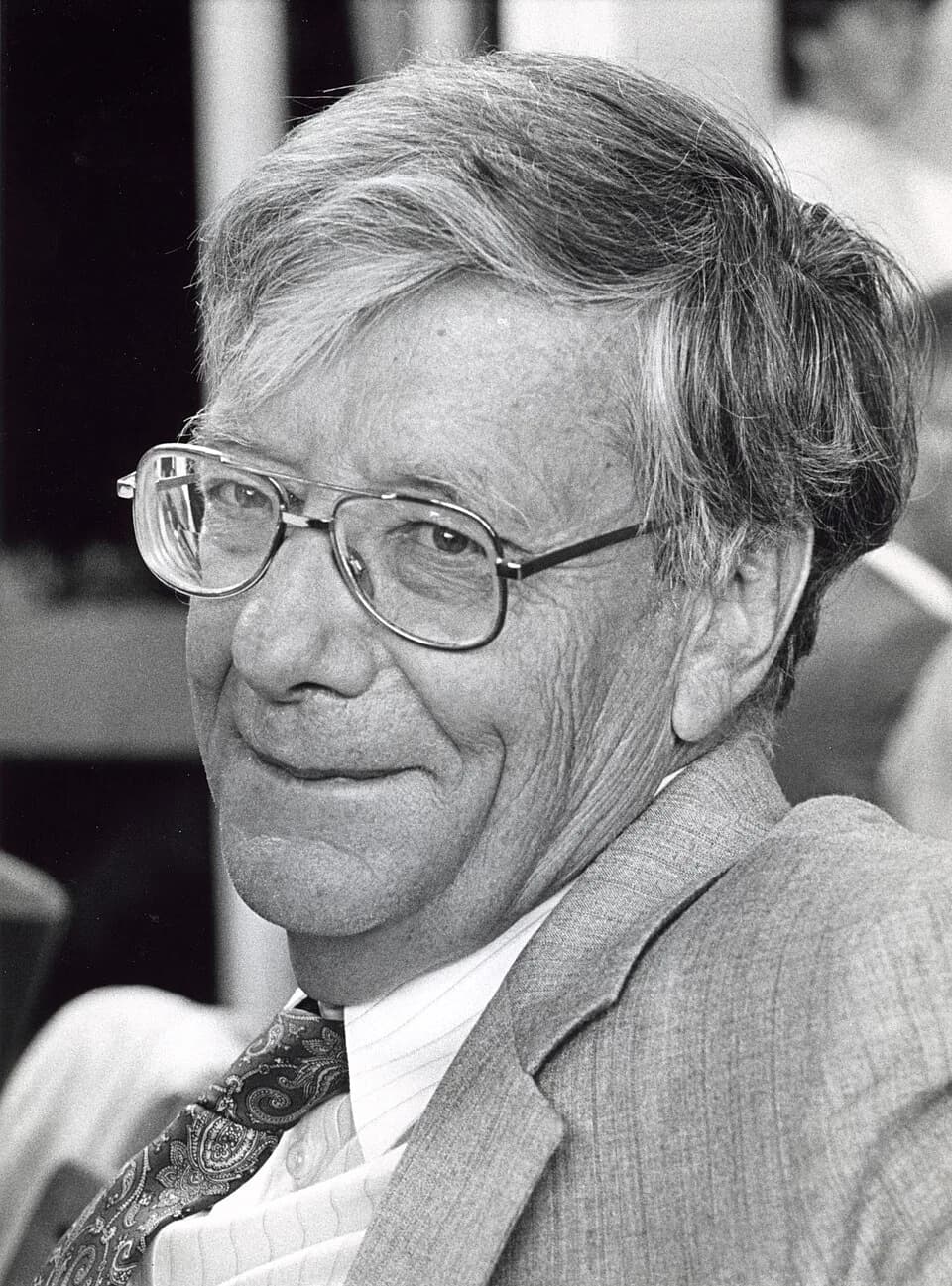
Nicolaas Bloembergen (March 11, 1920 – September 5, 2017) was a Dutch-born American physicist. He was recognized for his crucial work in developing driving principles behind nonlinear optics for laser spectroscopy, for which he received the Nobel Prize in Physics in 1981. His research significantly advanced the field of physics.
Chapter
Life chapters
Chapter 1 · 1920· Chapter 1 of 6
Early Life and Origins
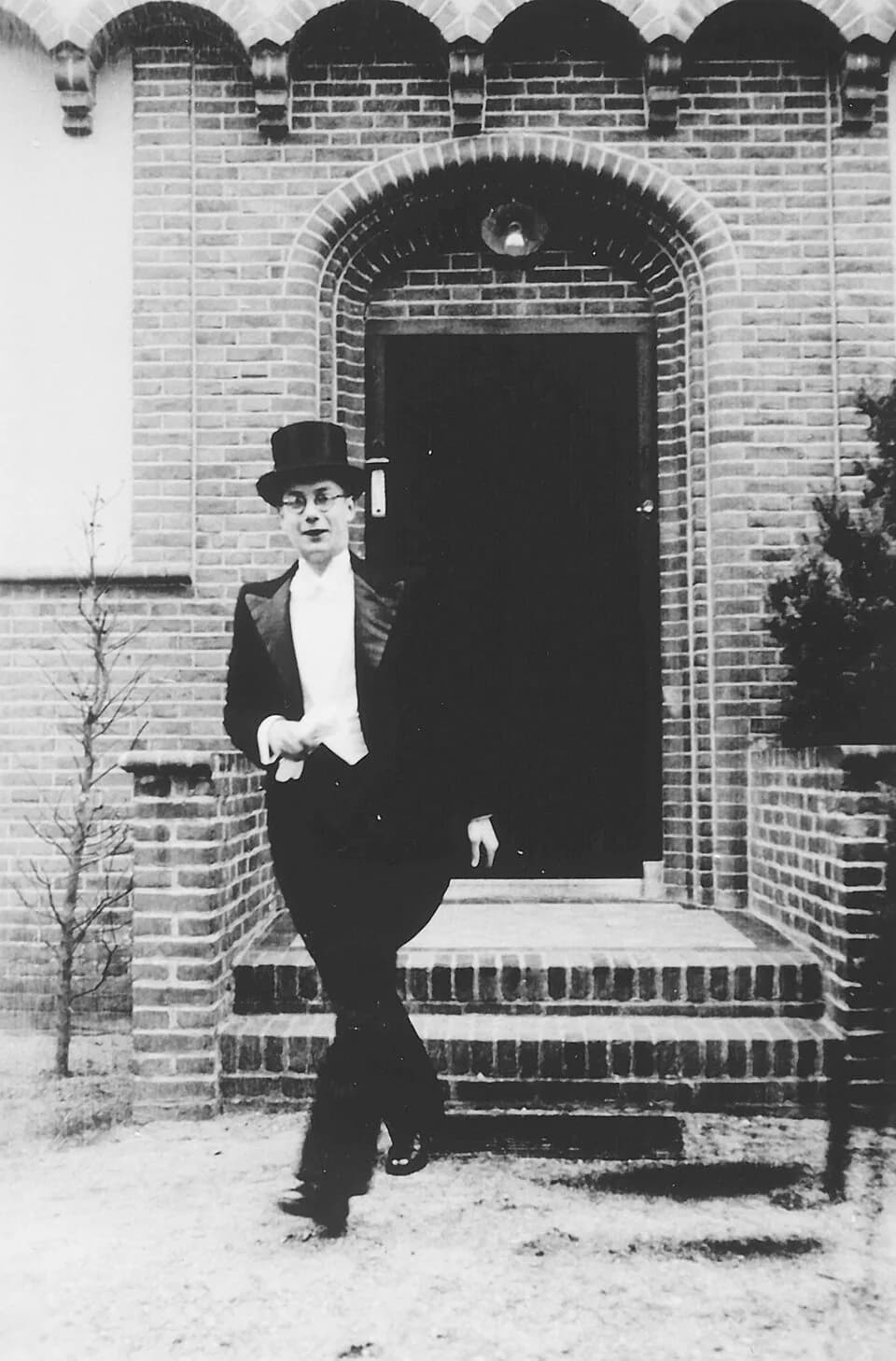
Nicolaas Bloembergen was born on March 11, 1920, in the historic city of Dordrecht, Netherlands. His formative years in the Netherlands provided the early framework for his keen intellect and scientific curiosity. He pursued an academic path focused on physics, a decision that would ultimately shape his celebrated career.
Chapter 2· Chapter 2 of 6
Career Beginnings
Bloembergen commenced his professional journey as a dedicated university teacher, sharing his expertise with students and shaping academic discourse. His early work began to explore the complex interactions between light and matter, setting the stage for future scientific breakthroughs. He steadily built a reputation for rigorous thinking and innovative approaches in physics.
This early period of his career was foundational, as he meticulously developed the theoretical understanding and experimental techniques that would define his later achievements. His initial studies contributed to a deeper comprehension of how light behaves in various media. These efforts were crucial for the eventual development of laser spectroscopy.
Chapter 3· Chapter 3 of 6
Major Achievements and Career Highlights
Throughout his extensive and highly productive career, Nicolaas Bloembergen held prestigious professorships at several leading academic institutions. He significantly contributed to the vibrant scientific environment at Harvard University for many years. His presence there helped to advance research and education in physics.
Later in his career, he also held faculty positions at the University of Arizona, continuing his academic and research endeavors. In 1973, he returned to his home country to serve as a professor at Leiden University, bridging his international career with his Dutch roots. These appointments reflect his respected standing in the global scientific community.
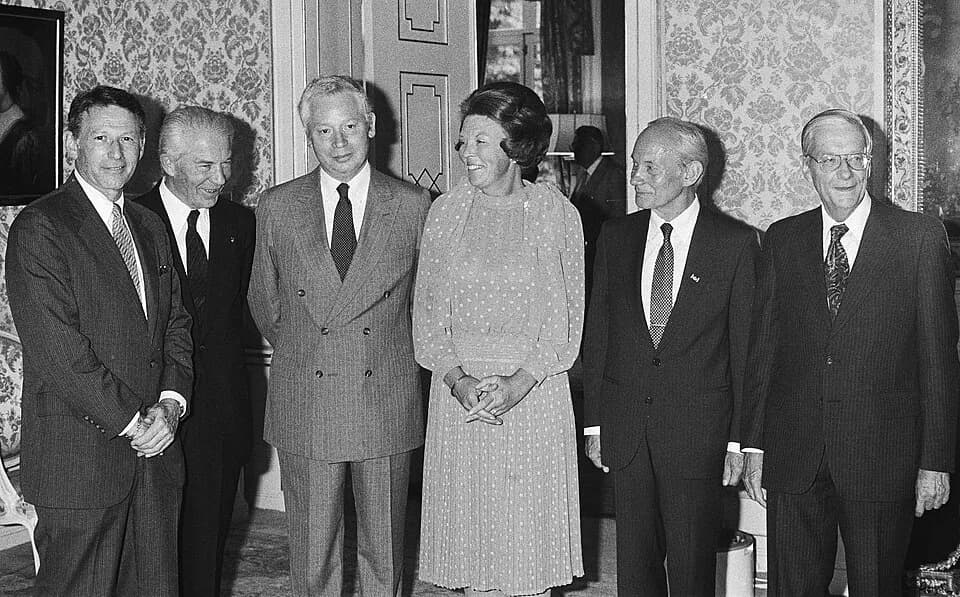
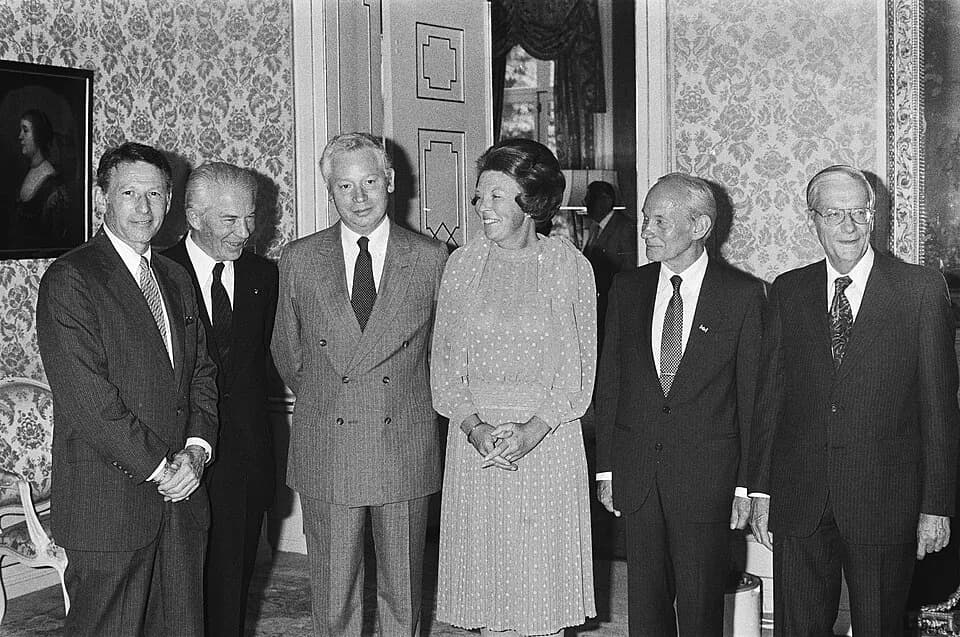
The pinnacle of his career recognition arrived in 1981 when he was jointly awarded the Nobel Prize in Physics. This highly esteemed international award was presented "for their contribution to the development of laser spectroscopy." This honor highlighted the far-reaching impact of his scientific investigations on modern physics.
Chapter 4· Chapter 4 of 6
Notable Works or Contributions
Nicolaas Bloembergen gained widespread acclaim for his essential role in formulating the driving principles behind nonlinear optics, a field that describes the behavior of light in materials where the optical response depends on the light's intensity. His theoretical frameworks provided scientists with new tools to manipulate and understand light. This work directly enabled the advancement of laser spectroscopy as a powerful analytical technique.
His pioneering contributions significantly expanded the capabilities of spectroscopy, allowing for more precise measurements and a deeper understanding of atomic and molecular structures. He effectively demonstrated how lasers could be used to probe matter with unprecedented accuracy. This fundamental research opened up numerous practical applications in science and technology.
Bloembergen's academic publications reflect his deep engagement with these topics. His work "Nelineinaya optika i spektroskopiya" (Nonlinear Optics and Spectroscopy), published in 1982, serves as a key reference in the field. Another notable publication from 1987 was "Werkstofforschung im Weltraum — erstes Verbundprojekt von Industrie und Hochschule/Zur SDI-Studie der Amerikanischen Physikalischen Gesellschaft/Israel beteiligt sich am Bau von HERA/BMFT fördert Forschung an Hochtemperatur-Supraleitern/Erste Labormuster vom 4-Megabit-Speicherchip/Jugend und Technik," which showcased his broader scientific interests.
Additionally, he authored "Nobelpreis für Physik 1981" in 1982, offering insights into his Nobel-winning research. These three papers, contributing to an h-index of 1 as recorded, represent a significant intellectual output. His collected works demonstrate a consistent commitment to pushing the boundaries of physical understanding.
Chapter 5· Chapter 5 of 6
Later Years
In his later career, Bloembergen maintained his active involvement in scientific research and education, notably continuing his teaching and scholarly activities at the University of Arizona. His long and illustrious career spanned decades, marked by continuous intellectual curiosity and dedication. He remained a respected figure in the physics community.
Nicolaas Bloembergen passed away on September 5, 2017, in Tucson, United States, at the age of 97. His passing marked the end of a remarkable era in optics and spectroscopy. His final years were spent in the country where he made many of his most significant scientific contributions.
Chapter 6· Chapter 6 of 6
Legacy and Impact
The scientific contributions of Nicolaas Bloembergen irrevocably shaped the course of modern physics, especially in the areas of nonlinear optics and laser spectroscopy. His foundational work provided a robust framework for subsequent generations of physicists and engineers. This framework continues to inspire new discoveries and technological innovations.
His insights into the complex interactions of light with matter have had a lasting influence on fields ranging from materials science to medical imaging. The Nobel Prize in Physics in 1981 cemented his status as a visionary scientist whose ideas continue to resonate. Bloembergen's dedication to unraveling the mysteries of light remains a guiding light for researchers worldwide.
A life in moments
The moments that shaped a life
FAQ
Frequently asked
When did Nicolaas Bloembergen die?
Nicolaas Bloembergen died on September 5, 2017 in Tucson, United States, at the age of 97.
Where was Nicolaas Bloembergen born?
Nicolaas Bloembergen was born in Dordrecht, Netherlands on March 11, 1920.
What is Nicolaas Bloembergen best known for?
Nicolaas Bloembergen is best known for Dutch-born American physicist.
How old was Nicolaas Bloembergen when they died?
Nicolaas Bloembergen was 97 years old at the time of death.
What nationality was Nicolaas Bloembergen?
Nicolaas Bloembergen was from Netherlands.
Timeline
Life at a glance
Photo gallery
A life in pictures
Click any polaroid to expand · 24 photos
QR Code
Share This Biography
Print & Share
Scan to visit this biography page. Print for events, exhibitions, or educational materials.