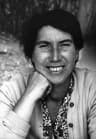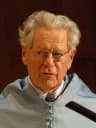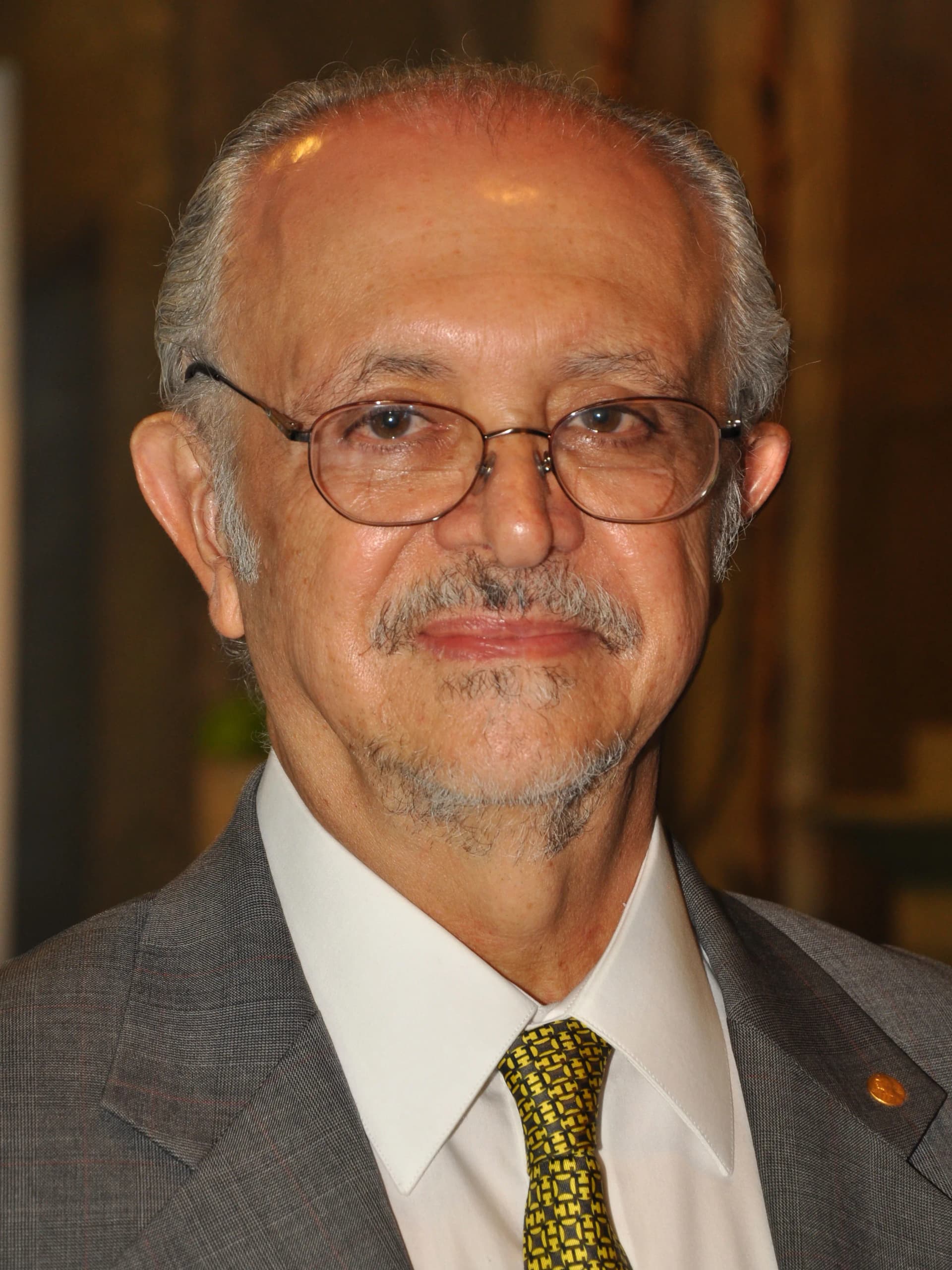
Born
March 19, 1943
Mexico City, Mexico
Died
October 7, 2020
Mexico City, Mexico
Known for
Mexican chemical engineer
Mario Molina (1943–2020) was Mexico best known for Mexican chemical engineer.
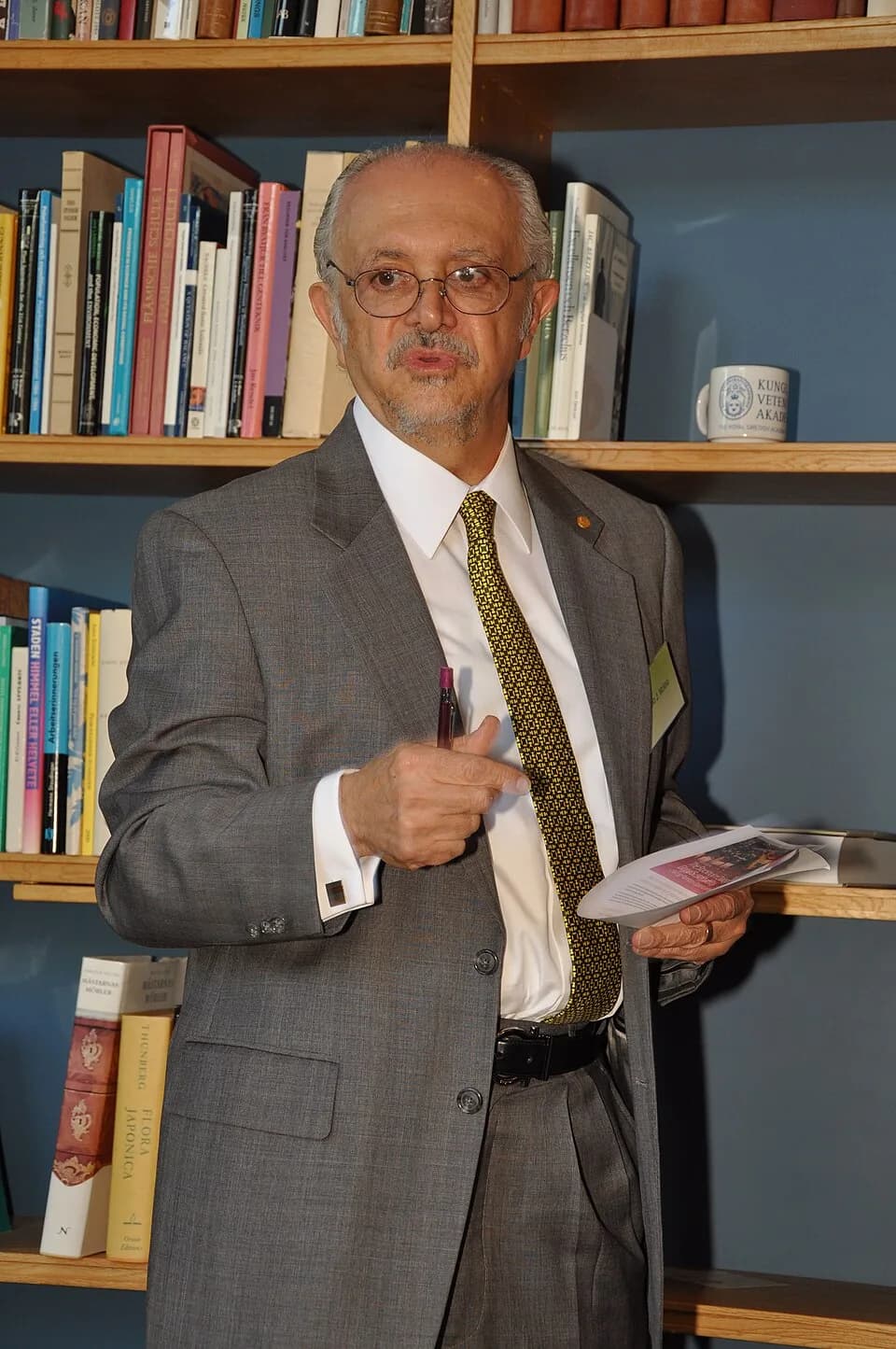
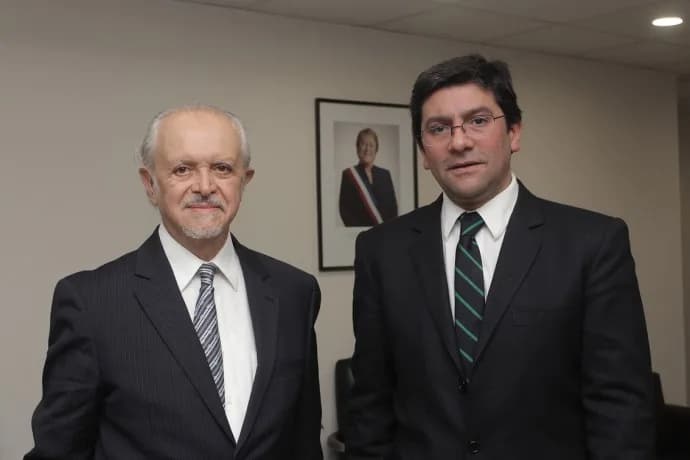
Mario Molina (March 19, 1943 – October 7, 2020) was a Mexican chemical engineer and physical chemist. He famously co-discovered the threat of chlorofluorocarbon gases to the Earth's ozone layer, work for which he received the 1995 Nobel Prize in Chemistry. His legacy includes pioneering global environmental understanding.
Chapter
Life chapters
Chapter 1 · 1943· Chapter 1 of 7
Early Life and Origins
Mario Molina was born in Mexico City, Mexico, on March 19, 1943. His birth in the vibrant capital of Mexico set the stage for a life that would eventually bring international acclaim to his home country. He carried his Mexican heritage throughout his career, becoming a source of national pride.
His early experiences in Mexico City undoubtedly fostered a keen intellect and a deep curiosity about the natural world. These formative years cultivated the scientific mindset that would later drive his groundbreaking atmospheric research. The exact details of his family life and formal primary education are not widely elaborated in public records, but his trajectory points to a strong foundation in scientific exploration.
Chapter 2· Chapter 2 of 7
Career Beginnings
Dr. Molina embarked on his professional path as an engineer and chemist, applying his knowledge to complex scientific challenges. While the specific initial projects are not detailed in the summary, his foundational training as a chemical engineer equipped him with robust analytical skills. This background was crucial for tackling the intricate problems he would later encounter in atmospheric chemistry.
His dedication to scientific inquiry soon led him into the specialized field of physical chemistry. This transition allowed him to explore the fundamental properties and interactions of matter, a pursuit that would eventually lead to his most significant discoveries. Early in his career, he developed the rigorous methodologies necessary for investigating complex chemical processes, which proved invaluable for his later work on the ozone layer.
Chapter 3 · 1995· Chapter 3 of 7
Major Achievements and Career Highlights
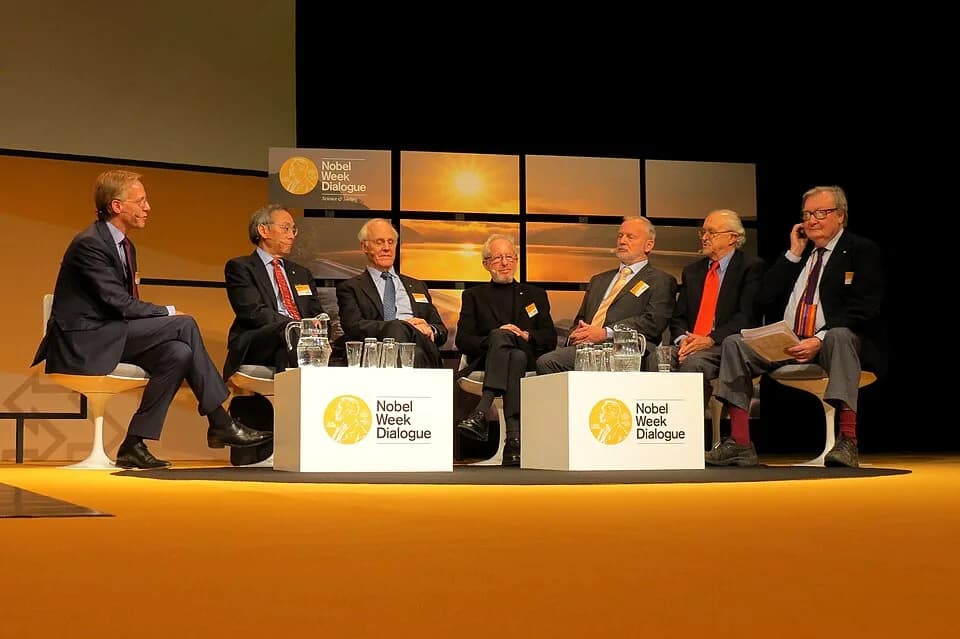
The zenith of Mario Molina's career arrived in 1995 when he was awarded the Nobel Prize in Chemistry, an honor he shared for his collaborative work. This monumental achievement recognized his crucial role in discovering the severe threat that chlorofluorocarbon (CFC) gases posed to the Earth's ozone layer. The prize celebrated research that unveiled a critical environmental hazard, changing global perceptions of atmospheric science.
His work was instrumental in elucidating the mechanism by which CFCs deplete the stratospheric ozone, which shields life on Earth from harmful ultraviolet radiation. This led directly to the scientific understanding of the Antarctic ozone hole, a phenomenon that shocked the global community and prompted urgent environmental action. The recognition by the Nobel Committee highlighted the profound societal importance of his scientific contributions.
Furthermore, Dr. Molina holds a distinguished place in history as the first Mexican-born scientist to receive a Nobel Prize in Chemistry. This achievement was not only a personal triumph but also a moment of immense national pride for Mexico. He stands as the third Mexican-born person to receive any Nobel prize, underscoring the pioneering nature of his scientific journey and his global impact.
Chapter 4· Chapter 4 of 7
Personal Life
While Mario Molina's professional achievements are extensively documented and celebrated, details regarding his personal life, family, relationships, or specific hobbies and interests are not widely publicized in the available summaries. His focus remained predominantly on his profound scientific research and educational endeavors. Public records primarily highlight his contributions to chemistry and environmental science rather than private affairs.
The profound dedication required for his Nobel Prize-winning work suggests a life deeply committed to scientific investigation and the advancement of knowledge. His legacy is firmly rooted in his public impact as a scientist and advocate for environmental protection, which transcended personal narratives. This dedication ultimately shaped a career that benefited all of humanity.
Chapter 5· Chapter 5 of 7
Notable Works or Contributions
Mario Molina's most significant contribution, which garnered him the Nobel Prize, was his co-discovery of the threat to the Earth's ozone layer from chlorofluorocarbon (CFC) gases. This scientific breakthrough began with meticulous research into how these seemingly inert compounds, widely used in refrigerants and aerosols, behave in the atmosphere. His findings revealed that CFCs could ascend to the stratosphere and, under solar radiation, release chlorine atoms that catalytically destroy ozone molecules.
His work provided the scientific basis for understanding and subsequently confirming the existence of the Antarctic ozone hole, a critical environmental discovery. This understanding was vital for triggering international scientific and political responses, including the Montreal Protocol, which regulated the production of ozone-depleting substances. Beyond his research, Dr. Molina also served as a university teacher, sharing his vast knowledge and inspiring future generations of scientists to address global challenges.
Chapter 6 · 1995· Chapter 6 of 7
Later Years
Following his Nobel Prize in 1995, Mario Molina continued his dedicated work in environmental science and advocacy, maintaining his role as a prominent voice for planetary health. His later years were marked by ongoing engagement in scientific discourse and policy-making, leveraging his expertise and influence to promote sustainable practices. He remained a respected figure in chemistry and environmental protection until his passing.
Dr. Molina died on October 7, 2020, in his birth city of Mexico City, Mexico, bringing his remarkable life full circle. His passing marked the end of an era for environmental science, but his foundational work continues to guide research and policy globally. He left behind a legacy of scientific rigor, environmental consciousness, and international collaboration that continues to resonate today.
Chapter 7· Chapter 7 of 7
Legacy and Impact
Mario Molina's legacy is immense, profoundly influencing both the scientific community and global environmental policy. His co-discovery of the vulnerability of the ozone layer to CFCs transformed environmental science, leading to a worldwide ban on these harmful chemicals. This intervention is widely considered one of the most successful international efforts to address a global environmental threat, demonstrating science's power to drive collective action.
He cemented his place as a pioneer in atmospheric chemistry, not only through his Nobel-winning research but also through his unwavering commitment to communicating scientific findings to the public and policymakers. Dr. Molina's work continues to inspire new generations of scientists and engineers to pursue solutions for climate change and other pressing environmental issues. His life serves as a powerful reminder of the responsibility scientists bear to the planet and its inhabitants.
Moreover, as the first Mexican-born scientist to receive a Nobel Prize in Chemistry and the third Mexican-born person overall to receive a Nobel prize, he paved the way and set an inspiring example for researchers from developing nations. His achievements underscored the global nature of scientific excellence and the potential for contributions from all corners of the world. Mario Molina's vision for a healthier planet and his scientific breakthroughs endure as cornerstones of modern environmental protection.
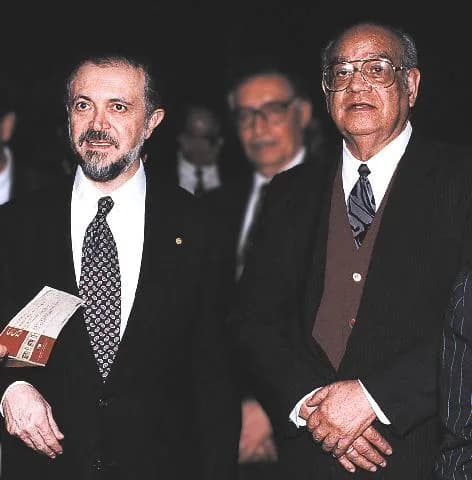
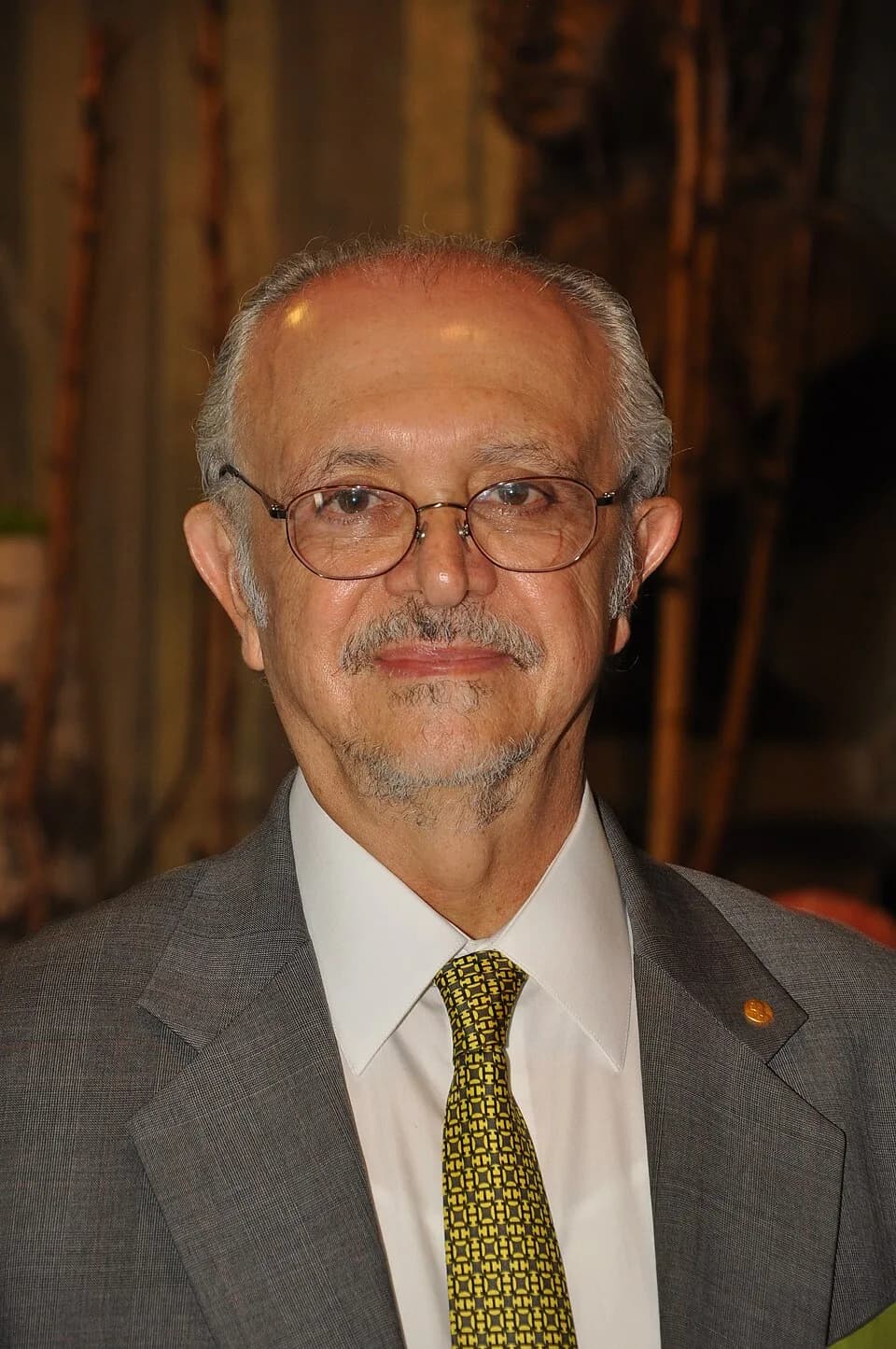
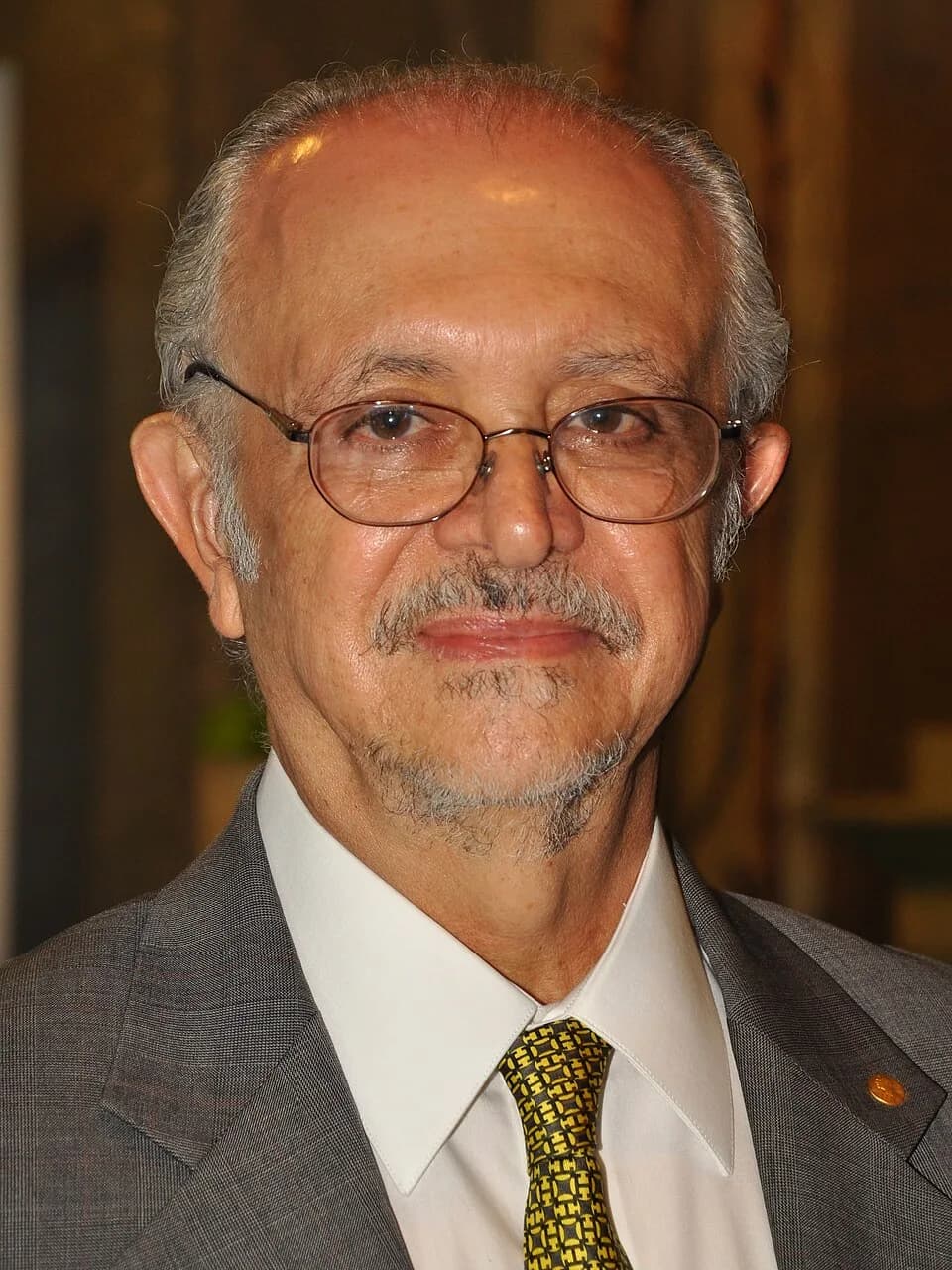
A life in moments
The moments that shaped a life
FAQ
Frequently asked
When did Mario Molina die?
Mario Molina died on October 7, 2020 in Mexico City, Mexico, at the age of 77.
Where was Mario Molina born?
Mario Molina was born in Mexico City, Mexico on March 19, 1943.
What is Mario Molina best known for?
Mario Molina is best known for Mexican chemical engineer.
How old was Mario Molina when they died?
Mario Molina was 77 years old at the time of death.
What nationality was Mario Molina?
Mario Molina was from Mexico.
Timeline
Life at a glance
Photo gallery
A life in pictures
Click any polaroid to expand · 36 photos
QR Code
Share This Biography
Print & Share
Scan to visit this biography page. Print for events, exhibitions, or educational materials.