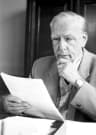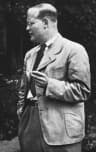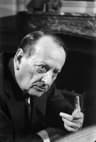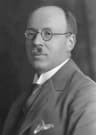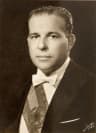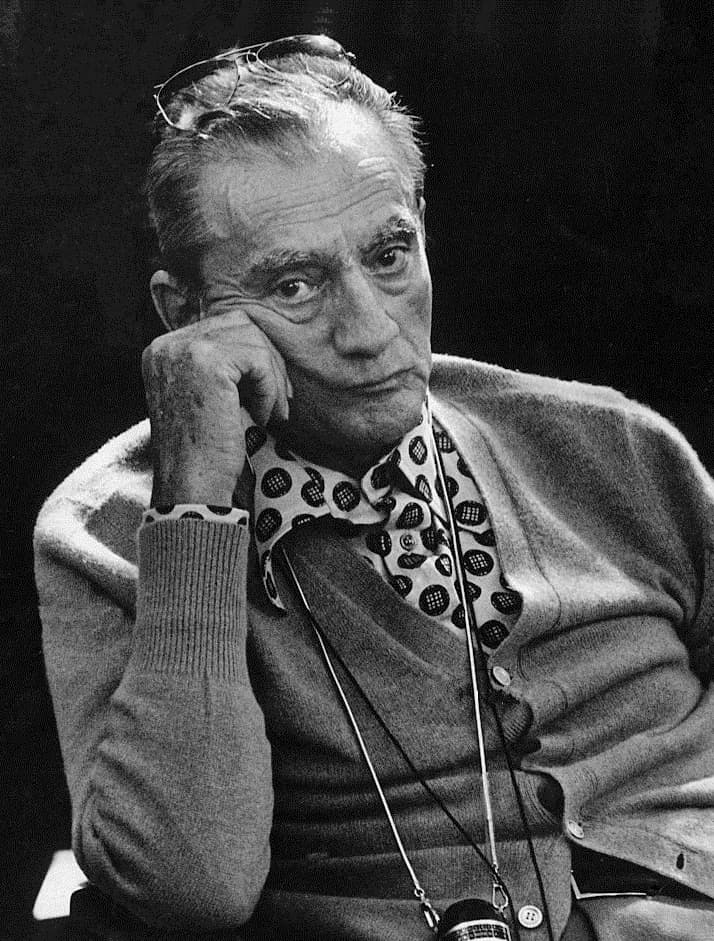
Born
November 2, 1906
Milan, Italy
Died
March 17, 1976
Rome, Italy
Known for
Italian director
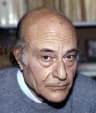
Luchino Visconti (1906–1976) was Italy best known for Italian director.
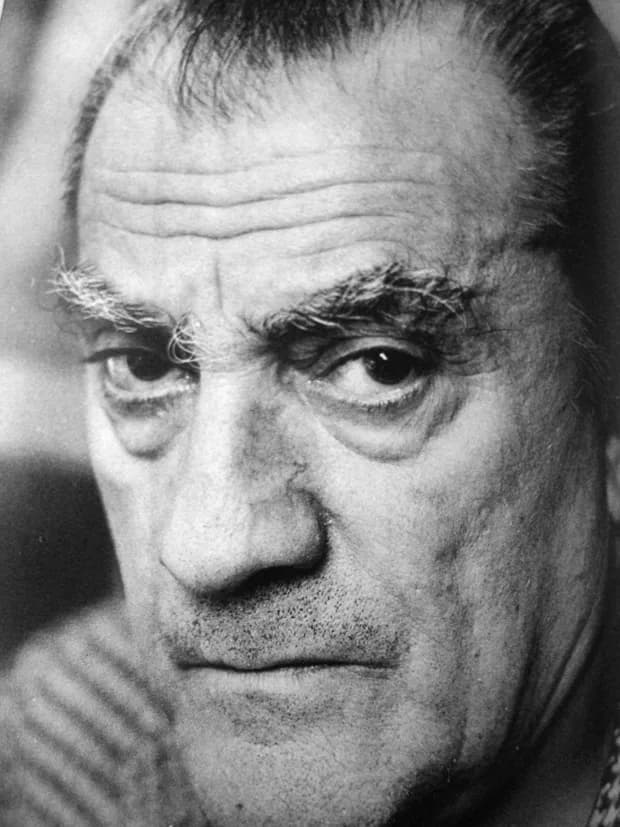
Luchino Visconti (November 2, 1906 – March 17, 1976) was an influential Italian film, theatre, and opera director. He pioneered cinematic neorealism, later crafting opulent epics exploring European history and societal decay. His work significantly shaped Italian cinema.
Chapter
Life chapters
Chapter 1 · 1906· Chapter 1 of 6
Early Life and Origins
Born Luchino Visconti di Modrone, Count of Lonate Pozzolo, on November 2, 1906, in Milan, Italy, he hailed from an aristocratic family. This background provided him with a deep understanding of European nobility and its cultural heritage. His upbringing fostered a keen appreciation for art, theatre, and history, which would later become recurring themes in his cinematic work.
Chapter 2· Chapter 2 of 6
Career Beginnings
Visconti initially established himself as a prominent figure in Italian cinema by co-founding the neorealist movement. His early directorial efforts captured the stark realities of post-war Italy, offering an authentic portrayal of everyday life. He quickly gained recognition for his innovative approach to storytelling and his commitment to social commentary through film, setting new standards for realism in cinema.
Chapter 3· Chapter 3 of 6
Major Achievements and Career Highlights
Throughout his career, Visconti demonstrated remarkable versatility, moving from the stark realism of his early films to luxurious, sweeping epics. He explored themes of beauty, decadence, death, and European history, particularly focusing on the decay of the nobility and the bourgeoisie. Critic Jonathan Jones observed that "no one did as much to shape Italian cinema as Luchino Visconti," highlighting his significant influence on the nation's film industry. His films often featured elaborate set designs and sumptuous costumes, reflecting his aristocratic heritage and refined aesthetic, creating visually stunning cinematic experiences.
Chapter 4· Chapter 4 of 6
Notable Works and Contributions
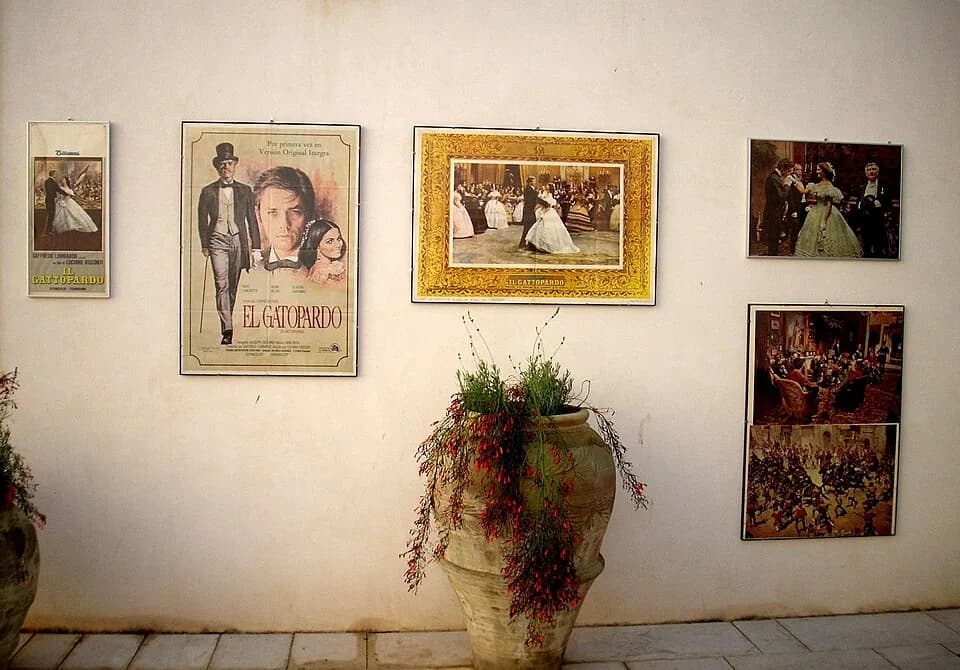
Visconti's extensive filmography includes several critically acclaimed works that showcased his directorial prowess. He directed iconic films such as La terra trema, Morte a Venezia, L'Innocente, Rocco e i suoi fratelli, and Senso. Beyond cinema, he was also a distinguished theatrical director, theatre designer, and opera director, bringing his dramatic flair to various stages across Europe. His contributions extended to writing, authoring or co-authoring screenplays collected in volumes like Two screenplays and Three screenplays, which further cemented his legacy as a comprehensive artist. Other significant works include projects related to films like Ludwig di Luchino Visconti and Luchino Visconti's the damned, all vital pieces in his oeuvre.
Chapter 5 · 1976· Chapter 5 of 6
Later Years
Luchino Visconti continued to create powerful and visually stunning films well into his later life. He passed away on March 17, 1976, in Rome, Italy, leaving behind a rich body of work that continues to influence filmmakers today. His final film, L'Innocente, was released posthumously, continuing his exploration of complex psychological depths in his characters. Even after his death, his relevance was acknowledged in films like My Name Is Anna Magnani (1980) and Cannes, 60 ans d'histoire (2007), which referenced his significant contributions to film history.
Chapter 6· Chapter 6 of 6
Legacy and Impact
Luchino Visconti's influence on Italian cinema is immense, having shaped its direction from neorealism to grand historical narratives. He challenged conventional filmmaking by depicting society's complexities and the human spirit's inner turmoil with both realism and opulence. His legacy lies not only in his cinematic achievements but also in his broader contributions as a writer, theatre designer, and opera director, solidifying his status as a titan of 20th-century Italian culture. His distinctive style continues to inspire directors and artists worldwide, ensuring his enduring presence in the world of arts.
A life in moments
The moments that shaped a life
FAQ
Frequently asked
When did Luchino Visconti die?
Luchino Visconti died on March 17, 1976 in Rome, Italy, at the age of 69.
Where was Luchino Visconti born?
Luchino Visconti was born in Milan, Italy on November 2, 1906.
What is Luchino Visconti best known for?
Luchino Visconti is best known for Italian director.
How old was Luchino Visconti when they died?
Luchino Visconti was 69 years old at the time of death.
What nationality was Luchino Visconti?
Luchino Visconti was from Italy.
Timeline
Life at a glance
Photo gallery
A life in pictures
Click any polaroid to expand · 40 photos
QR Code
Share This Biography
Print & Share
Scan to visit this biography page. Print for events, exhibitions, or educational materials.