Born
December 5, 1932
Macon, United States
Died
May 9, 2020
Nashville, United States
Known for
American musician
Little Richard (1932–2020) was United States best known for American musician.
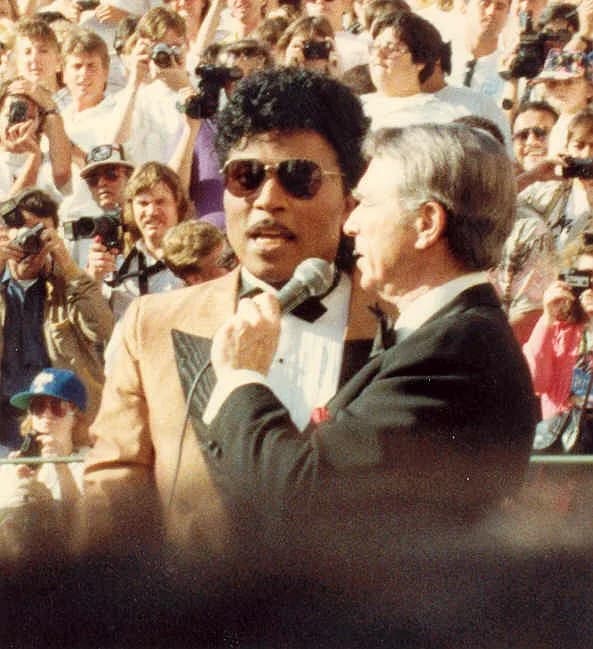
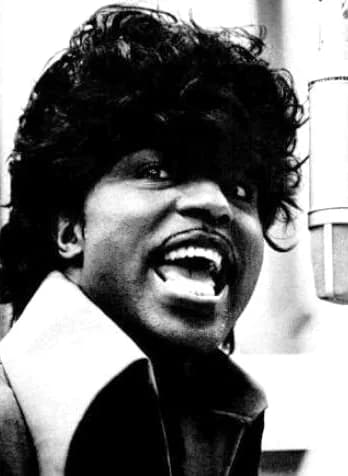
Little Richard (December 5, 1932 – May 9, 2020) was an American musician from Macon, United States. Known as the "Architect of Rock and Roll," his dynamic music and charismatic showmanship laid the foundation for the genre. He significantly influenced soul and funk, shaping rhythm and blues for generations.
Chapter
Life chapters
Chapter 1 · 1932· Chapter 1 of 6
Early Life and Origins
Richard Wayne Penniman was born on December 5, 1932, in Macon, United States. His formative years in Macon provided the backdrop for the development of his unique musical sensibilities. Although specific details of his early family life are not extensively documented in the provided information, this period undoubtedly shaped the artist he would become.
Chapter 2· Chapter 2 of 6
Career Beginnings
Little Richard began his musical journey, cultivating a distinct style that would soon revolutionize popular music. He emerged as an influential figure by skillfully blending diverse sounds, culminating in his signature brand of rock and roll. His early performances were crucial in establishing the foundational elements for his highly celebrated career, which prominently took off in the mid-1950s.
Chapter 3· Chapter 3 of 6
Major Achievements and Career Highlights
Little Richard's most celebrated work primarily originates from the mid-1950s, a period where his charismatic showmanship and dynamic music commanded global attention. He was widely recognized for his electrifying, frenetic piano playing, coupled with a relentless pounding backbeat and his distinctively powerful, raspy vocals. These core elements collectively laid the undeniable foundation for the rock and roll genre, cementing his status as the "Architect of Rock and Roll."
Beyond rock and roll, Richard's innovative emotive vocalizations and uptempo rhythmic music were instrumental in the genesis and evolution of other popular music genres. This included making a key role in the formation of soul and funk music, showcasing his expansive musical genius. His enduring artistry influenced countless singers and musicians across various musical genres, demonstrating how his music profoundly shaped rhythm and blues for generations.
Chapter 4 · 1957· Chapter 4 of 6
Notable Works or Contributions
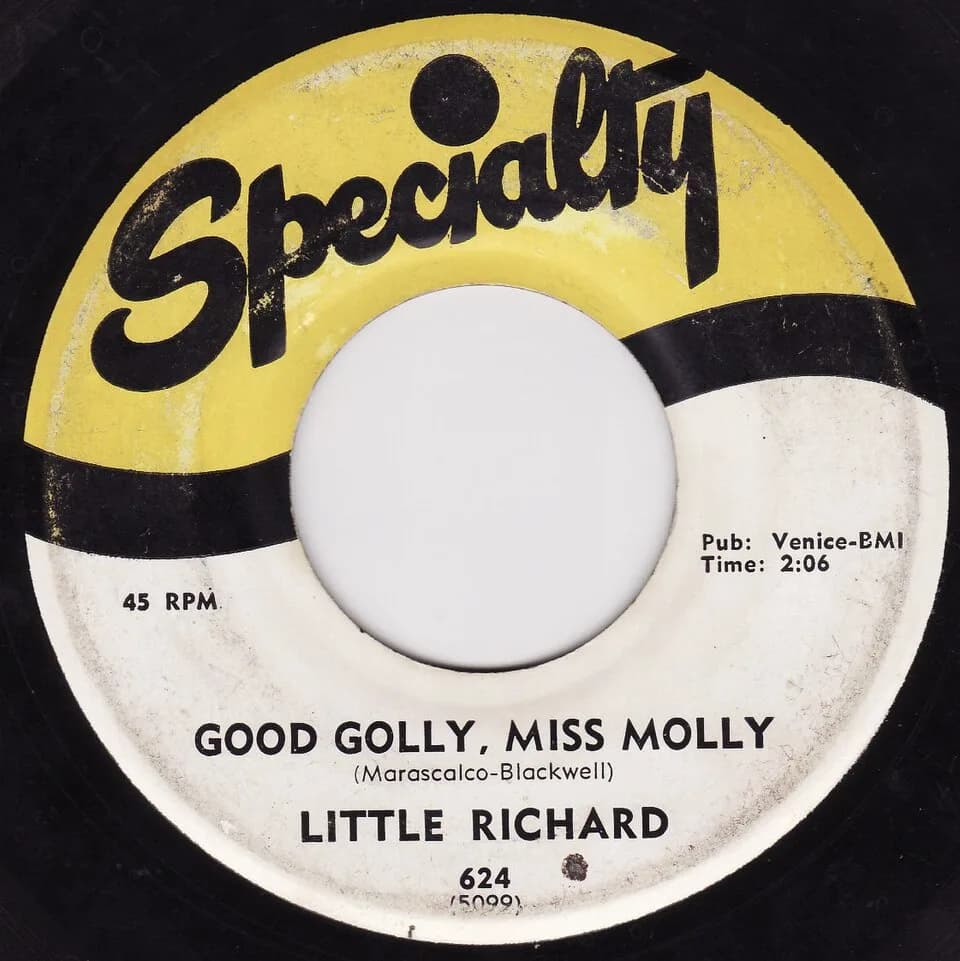
Little Richard's extensive discography features a string of foundational albums, including "Here’s Little Richard" (1957), "Little Richard" (1958), and "The Fabulous Little Richard" (1958). He later released gospel recordings such as "Pray Along With Little Richard Vol. 1: I’ll Never Walk Alone" (1960) and "Pray Along With Little Richard Vol. 2: I Believe..." (1960), highlighting his spiritual side. His return to rock was marked by albums like "Little Richard Is Back (and There’s a Whole Lotta Shakin’ Goin’ On!)" (1964), further solidifying his diverse musical output.
His musical versatility spanned across genres including rock, rock and roll, soul, funk, new orleans r&b, pop, and r&b, illustrating his broad appeal. Beyond his recording career, Richard maintained a visible presence in film, appearing in notable works such as "The Girl Can't Help It" (1956) and "Down and Out in Beverly Hills" (1986). Later film roles included "Last Action Hero" (1993), "Mystery, Alaska" (1999), "Piano Blues" (2003), and "The Road to Memphis" (2004), demonstrating his consistent engagement with popular culture. He also saw compilation releases like "The Specialty Sessions" and "Best of Little Richard."
Chapter 5· Chapter 5 of 6
Later Years
In his later life, Little Richard embraced another calling, serving as a priest, which reflected a profound aspect of his personal and spiritual convictions. This period showcased his commitment beyond the music industry, adding another dimension to his public persona. He continued to be a source of inspiration, retaining his revered status within the global music community.
Richard Wayne Penniman, the American musician, passed away on May 9, 2020, in Nashville, United States. His passing marked the end of an era for popular music, but his work and influence persist. He left behind a substantial collection of recordings and performances that continue to resonate with new generations.
Chapter 6· Chapter 6 of 6
Legacy and Impact
Little Richard's influence is undeniably expansive, having fundamentally shaped the sound and style of popular music for many decades. As the undisputed "Architect of Rock and Roll," his unique fusion of charismatic performance, raw musical energy, and distinctive vocal delivery continues to captivate audiences. He remains a towering figure whose contributions are central to the story of American music.
His musical innovation spurred and guided countless singers and musicians across an impressive array of genres, from rock to rhythm and blues and beyond. Richard’s pioneering music helped shape the direction of rhythm and blues for generations, ensuring his lasting impact on the evolution of modern popular sounds. His legacy is one of boldness, originality, and timeless musical artistry.
A life in moments
The moments that shaped a life



FAQ
Frequently asked
When did Little Richard die?
Little Richard died on May 9, 2020 in Nashville, United States, at the age of 87.
Where was Little Richard born?
Little Richard was born in Macon, United States on December 5, 1932.
What is Little Richard best known for?
Little Richard is best known for American musician.
How old was Little Richard when they died?
Little Richard was 87 years old at the time of death.
What nationality was Little Richard?
Little Richard was from United States.
Timeline
Life at a glance
Photo gallery
A life in pictures
Click any polaroid to expand · 21 photos
QR Code
Share This Biography
Print & Share
Scan to visit this biography page. Print for events, exhibitions, or educational materials.