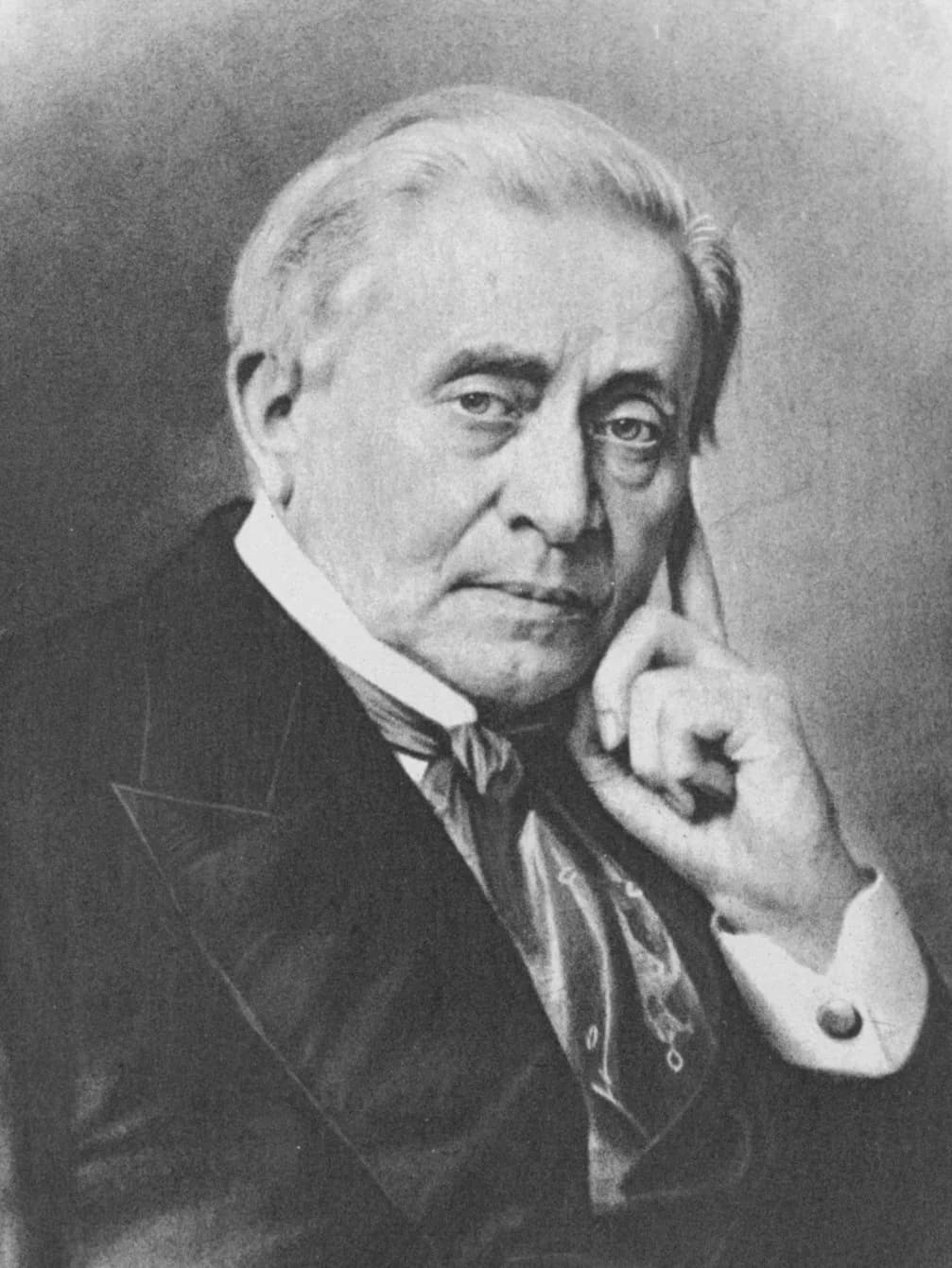
Born
December 17, 1797
Albany, United States
Died
May 13, 1878
Washington, D.C., United States
Known for
American scientist and the 1st Secretary of the Smithsonian
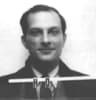
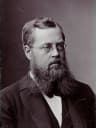
Joseph Henry (1797–1878) was United States best known for American scientist and the 1st Secretary of the Smithsonian.
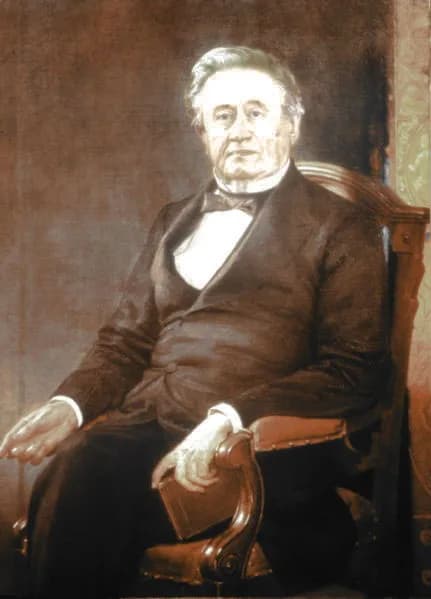
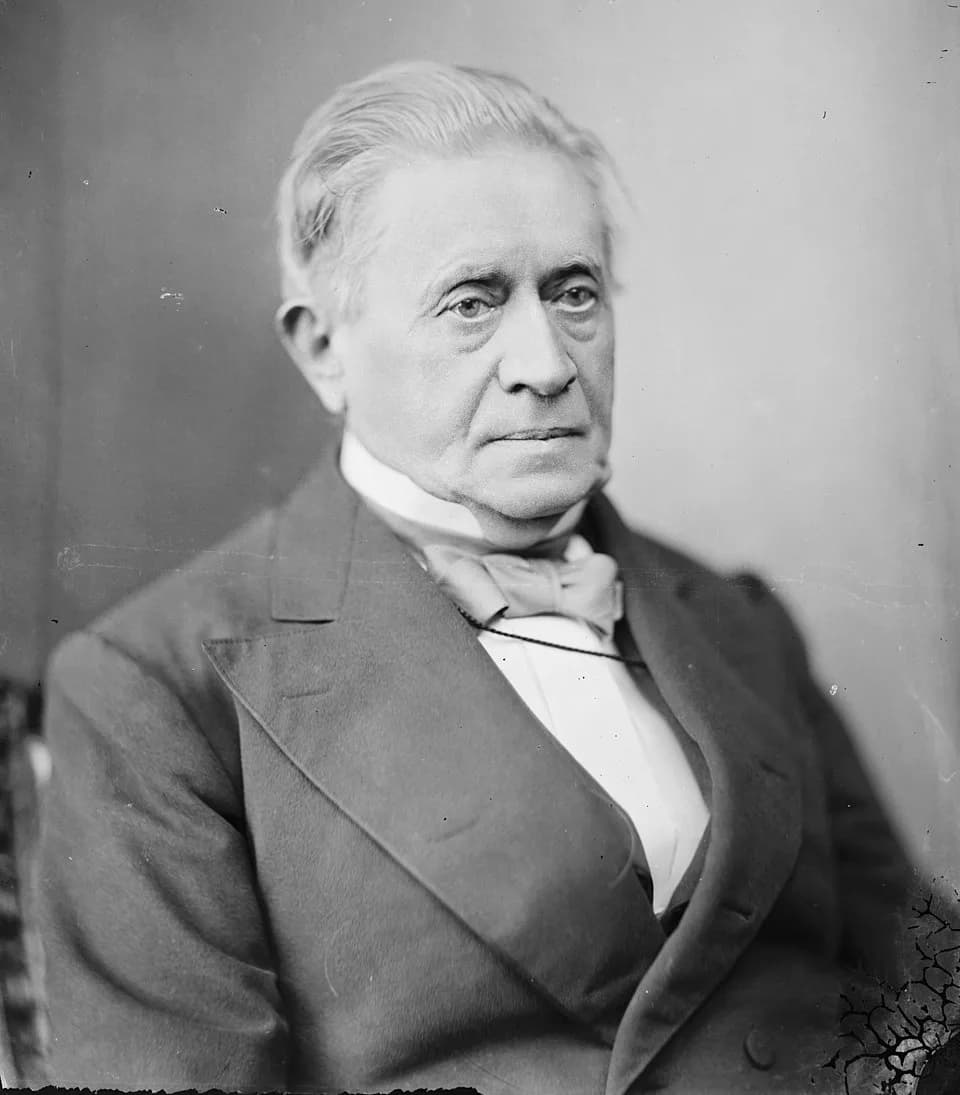
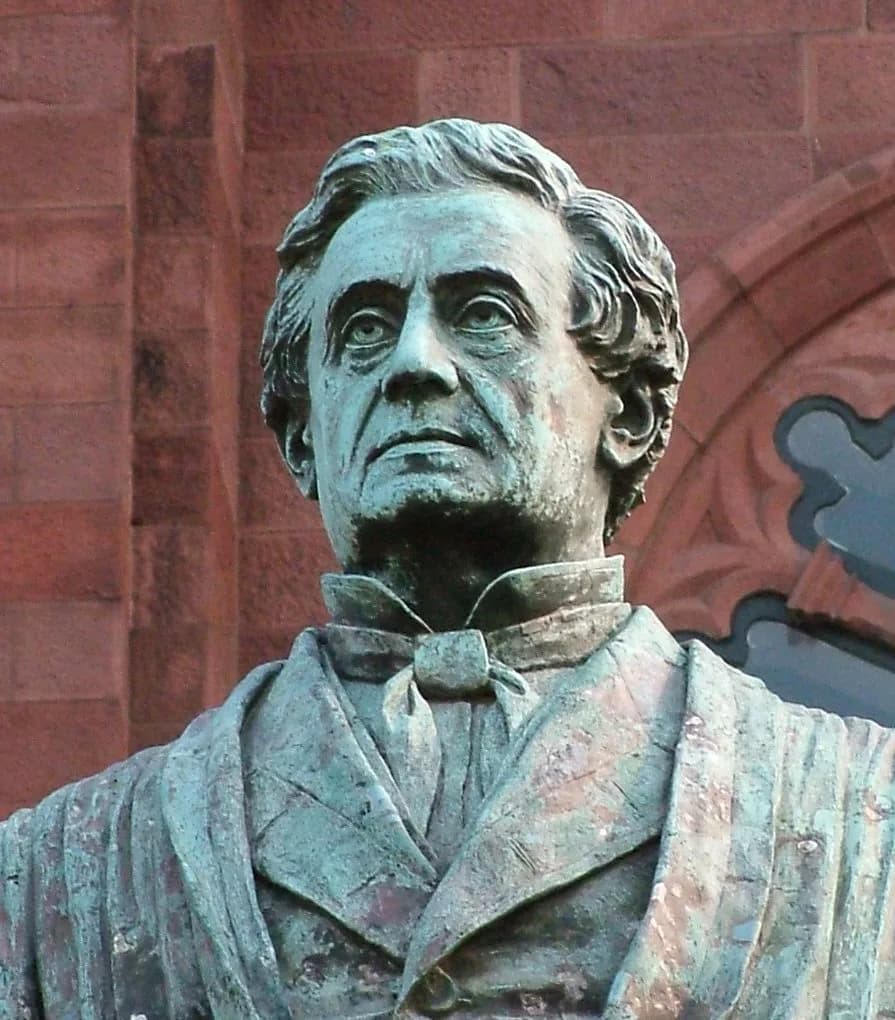
Joseph Henry (December 17, 1797 – May 13, 1878) was an American physicist and engineer from Albany. He served as the first Secretary of the Smithsonian Institution and made significant contributions to electricity and electromagnetism. His leadership established key scientific organizations in the United States.
Chapter
Life chapters
Chapter 1 · 1797· Chapter 1 of 7
Opening
Joseph Henry (December 17, 1797 – May 13, 1878) was a distinguished American physicist, engineer, university teacher, art historian, and meteorologist whose contributions significantly advanced the scientific community in the United States. He is widely recognized as the first Secretary of the Smithsonian Institution, a role in which he established foundational principles for national scientific endeavors. Henry's pioneering work in electromagnetism and his leadership in various scientific organizations shaped the trajectory of American research and education during the 19th century. His life represents a profound commitment to discovery and the institutionalization of knowledge for public benefit.
Chapter 2 · 1797· Chapter 2 of 7
Early Life and Origins
Joseph Henry was born on December 17, 1797, in Albany, United States, embarking on a life that would profoundly shape American science. His early years in Albany laid the groundwork for his future intellectual pursuits and deep interest in the natural world. While specific details about his family background are not extensively documented, his later career speaks to a robust foundation of learning and curiosity from his upbringing.
Chapter 3· Chapter 3 of 7
Career Beginnings
Henry’s initial career path saw him emerge as a gifted physicist and engineer, professions that allowed him to explore the fundamental forces of nature. He also dedicated himself to education, serving as a university teacher where he imparted his scientific insights to a new generation of scholars. These early roles provided him with the practical experience and theoretical understanding that would become hallmarks of his later, more public work. His commitment to both research and instruction was evident from these nascent stages of his professional life.
Chapter 4 · 1868· Chapter 4 of 7
Major Achievements and Career Highlights
A crowning achievement in Joseph Henry's career was his appointment as the first Secretary of the Smithsonian Institution, a pivotal role he held from its inception. Prior to this, he had served as the secretary for the National Institute for the Promotion of Science, effectively laying the groundwork for the Smithsonian's establishment. His leadership extended to the highest echelons of American science, serving as president of the National Academy of Sciences from 1868 until his passing in 1878. During this decade, he guided the nation's premier scientific body through a period of substantial growth and scientific inquiry.
Henry’s scientific contributions were equally significant, particularly in the fields of electricity and galvanism. He is notably credited with the independent discovery of induced electric current, a fundamental principle of electromagnetism. This discovery, made around the same time as Michael Faraday’s work, underscored Henry’s deep understanding of physical laws and his prowess as an inventor. His work helped pave the way for numerous technological advancements, demonstrating the practical implications of his theoretical insights.
Chapter 5· Chapter 5 of 7
Notable Works or Contributions
Joseph Henry authored a wide array of works reflecting his diverse intellectual interests and scientific pursuits. Among his published contributions is "An account of the Smithsonian institution," which detailed the vision and operations of the fledgling organization he led. His scientific papers included "Contributions to electricity and galvanism" and "The discovery of induced electric current," which articulated his seminal findings in electromagnetism. These works provided crucial documentation of his experimental methods and theoretical conclusions.
Beyond physics, Henry’s interests spanned other disciplines, as evidenced by titles such as "Morphology and its connection with fine art" and "Lectures upon architecture, delivered by Professor Henry to the Junior class of 1835-36 [manuscript]." He also addressed educational philosophy in "Thoughts on education" and contributed to meteorology with "Meteorology in its connection with agriculture." He engaged with public discourse, as shown by his "Closing address before the Metropolitan Mechanics' Institute... on the evening of March 19, 1853" and "Considérations générales sur la vieillesse." The Dudley Observatory also stands as an institution he was associated with and whose establishment likely benefited from his scientific standing.
Chapter 6 · 1868· Chapter 6 of 7
Later Years
In his later years, Joseph Henry continued to dedicate himself to the advancement of science and public service. He served with distinction as president of the National Academy of Sciences from 1868 until his death. This decade of leadership further solidified his standing as a central figure in American scientific administration. He remained actively involved in the scientific community, guiding research and policy, even as his health declined.
Joseph Henry passed away on May 13, 1878, in Washington, D.C., United States, concluding a life rich with discovery and institutional building. His passing marked the end of an era for the Smithsonian Institution, which he had so carefully nurtured from its earliest days. He left behind a robust framework for scientific inquiry and a legacy that continues to inspire.
Chapter 7· Chapter 7 of 7
Legacy and Impact
The legacy of Joseph Henry is multifaceted, deeply embedded in the institutions he helped create and the scientific principles he elucidated. As the first Secretary of the Smithsonian Institution, he set the standard for a national center of learning and research, ensuring its mission of "the increase and diffusion of knowledge." His vision established the Smithsonian as a premier organization for scientific exploration and public education. The institution today reflects the enduring impact of his early leadership and administrative acumen.
His work in electromagnetism, particularly the discovery of induced electric current, placed him among the leading physicists of his time. This fundamental scientific understanding paved the way for modern electrical engineering and technology, impacting countless aspects of daily life. Through his roles as a physicist, engineer, and leader of scientific organizations, Joseph Henry undeniably shaped the course of American science and left an enduring mark on the global scientific community.
A life in moments
The moments that shaped a life
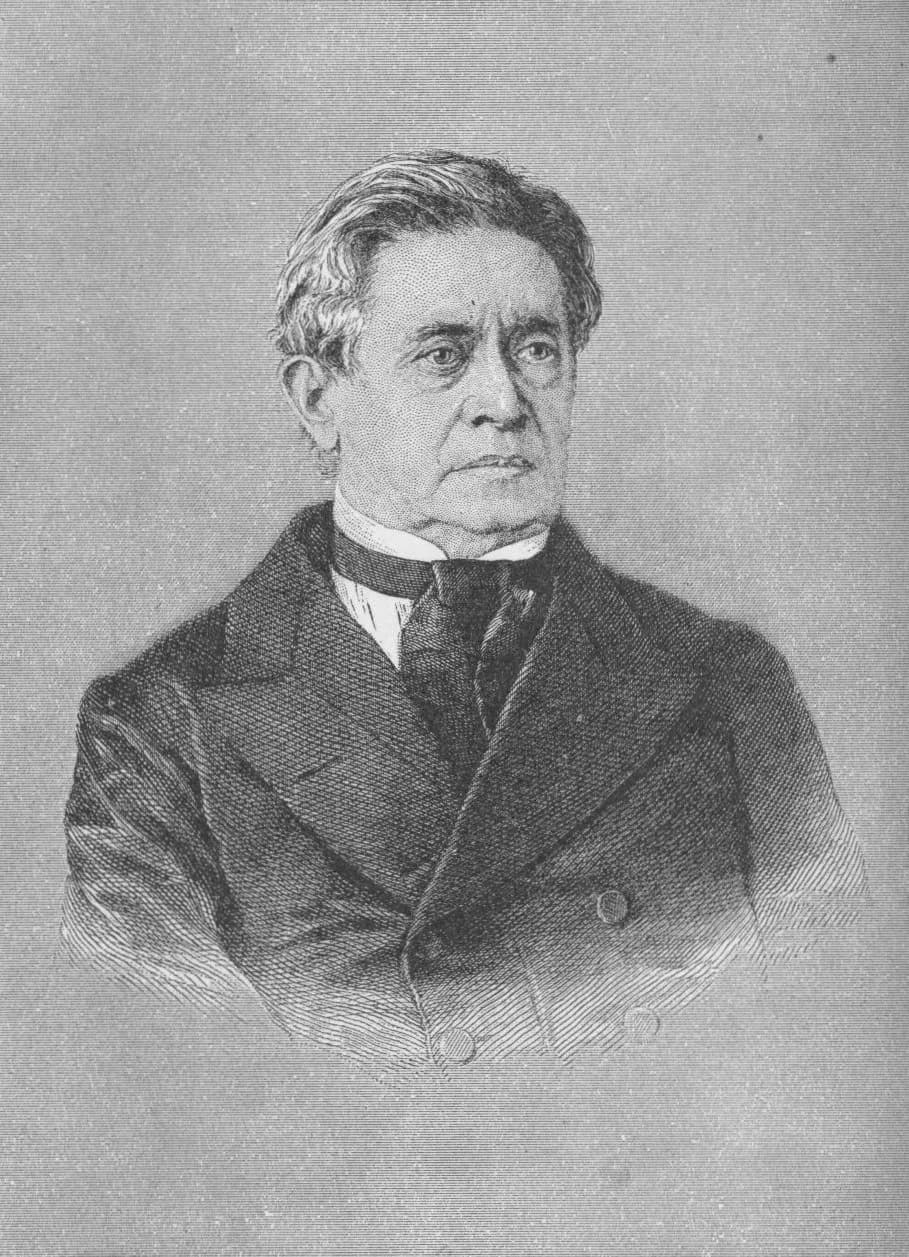
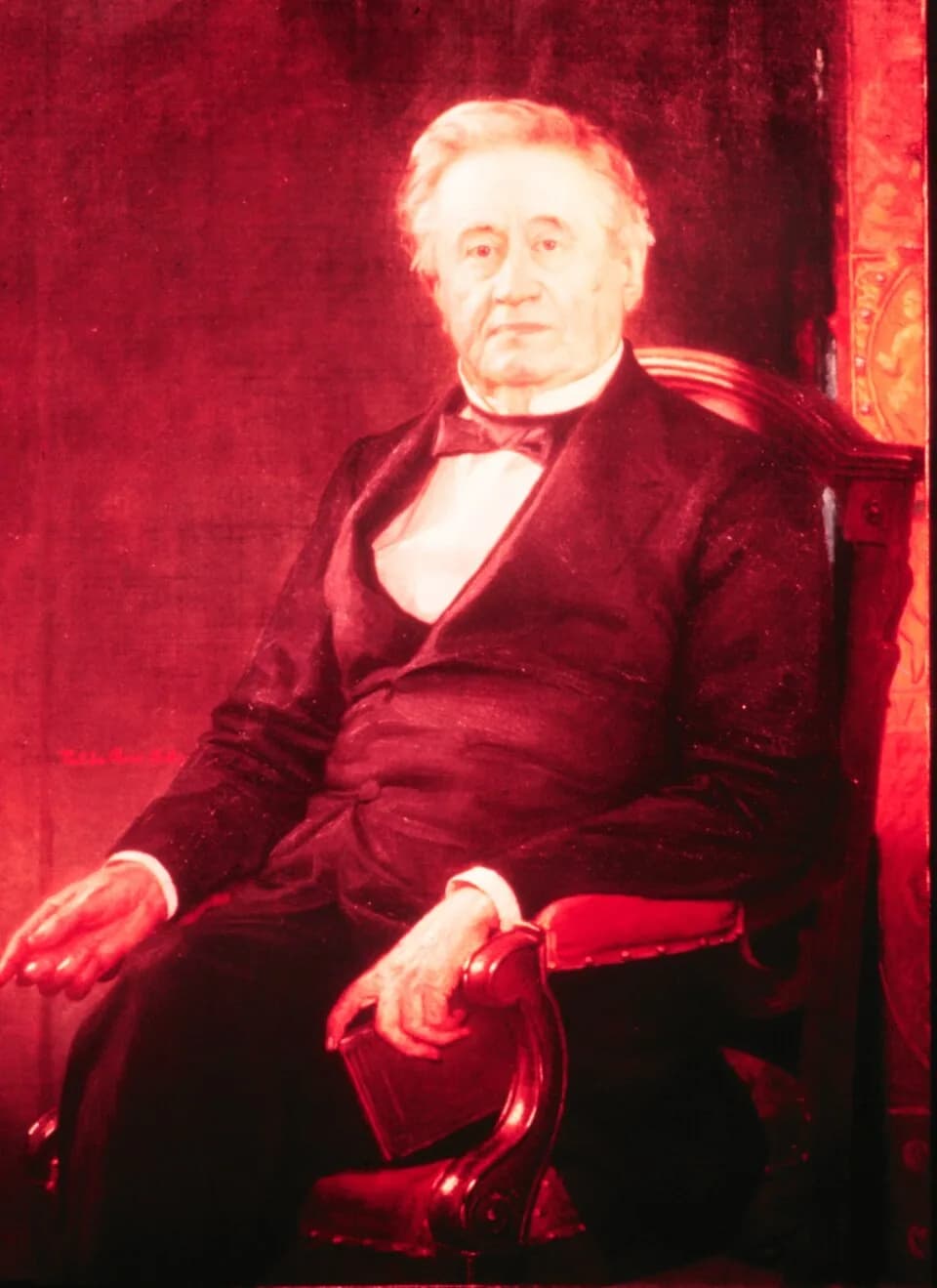
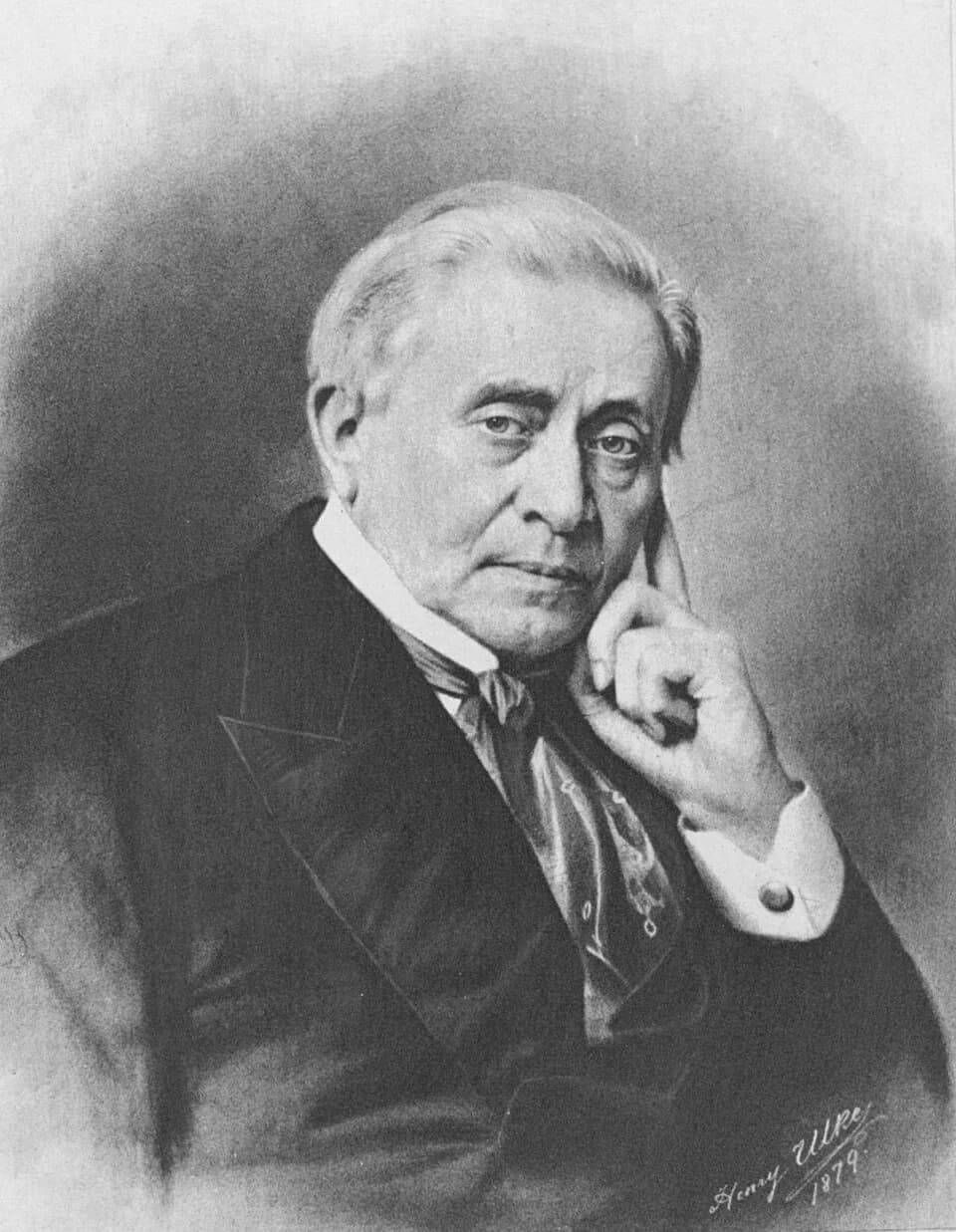
FAQ
Frequently asked
When did Joseph Henry die?
Joseph Henry died on May 13, 1878 in Washington, D.C., United States, at the age of 80.
Where was Joseph Henry born?
Joseph Henry was born in Albany, United States on December 17, 1797.
What is Joseph Henry best known for?
Joseph Henry is best known for American scientist and the 1st Secretary of the Smithsonian.
How old was Joseph Henry when they died?
Joseph Henry was 80 years old at the time of death.
What nationality was Joseph Henry?
Joseph Henry was from United States.
Timeline
Life at a glance
Photo gallery
A life in pictures
Click any polaroid to expand · 20 photos
QR Code
Share This Biography
Print & Share
Scan to visit this biography page. Print for events, exhibitions, or educational materials.