Born
December 13, 1797
Düsseldorf, Germany
Died
February 17, 1856
Paris, France
Known for
German poet, writer and literary critic
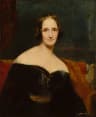
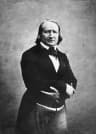
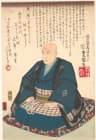
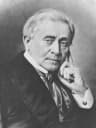
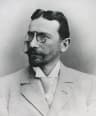
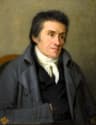
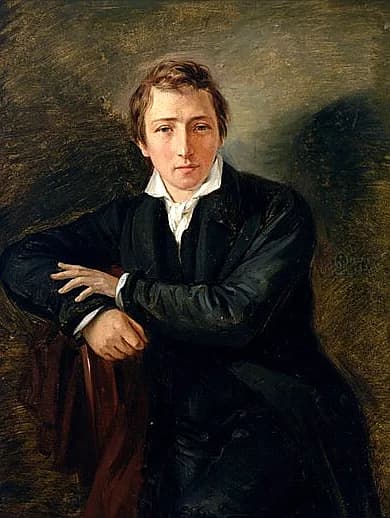
Heinrich Heine (1797–1856) was Germany best known for German poet, writer and literary critic.
Christian Johann Heinrich Heine (December 13, 1797 – February 17, 1856) was a German poet, writer, and literary critic from Düsseldorf. He is best known for his early lyric poetry, which was set to music by composers like Mendelssohn, Schumann, and Schubert. His diverse contributions profoundly shaped 19th-century European literature and music.
Chapter
Life chapters
Chapter 1 · 1797· Chapter 1 of 7
Early Life and Origins
Heinrich Heine entered the world on December 13, 1797, in Düsseldorf, Germany, a city whose cultural vibrancy undoubtedly contributed to his early intellectual development. His upbringing in this historically rich German locale provided fertile ground for the cultivation of his poetic sensibilities and his keen, often satirical, observational skills. Though specific details about his immediate family life are not extensively documented in the provided information, the environment of his birth city was foundational to the unique perspective that characterized his later literary output. This formative period in Düsseldorf undoubtedly instilled in him the deep connection to German language and culture that would become a hallmark of his enduring literary legacy.
Chapter 2· Chapter 2 of 7
Career Beginnings
Heine's literary journey began to take shape with his early lyric poetry, which quickly gained recognition for its distinctive voice and emotional depth. These initial poetic endeavors laid the groundwork for his future reputation as one of Germany's most celebrated lyrical poets. His talent for crafting verses that resonated with both beauty and poignant reflection soon attracted the attention of a wider audience. This early success solidified his commitment to a literary career, moving him beyond his initial studies in law and commerce to fully embrace his calling as a writer and poet.
Chapter 3· Chapter 3 of 7
Major Achievements and Career Highlights
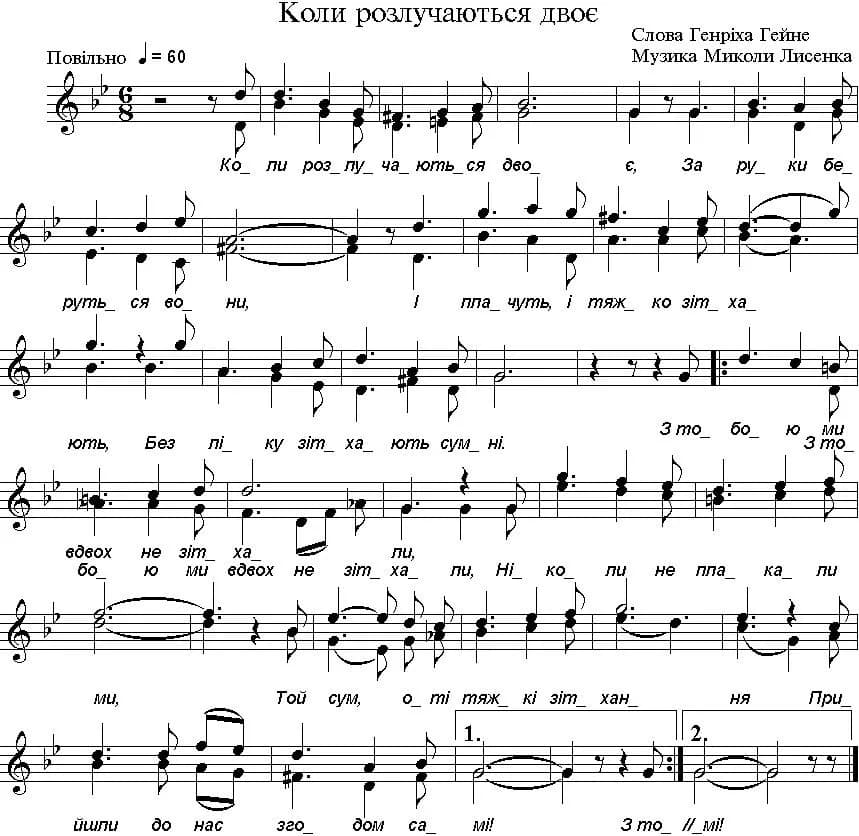
One of Heine's most significant achievements, particularly outside Germany, was the widespread recognition of his early lyric poetry, which captivated the imagination of leading composers of the Romantic era. Musical luminaries such as Felix Mendelssohn, Robert Schumann, and Franz Schubert were deeply inspired by his verses, setting many of his poems to music in the cherished form of Lieder. This collaboration between poetry and music elevated his work to a broader international stage, intertwining his literary artistry with the rich tradition of German song. His ability to evoke profound emotion and vivid imagery through language made his poetry perfectly suited for musical interpretation, ensuring its lasting presence in the classical repertoire.
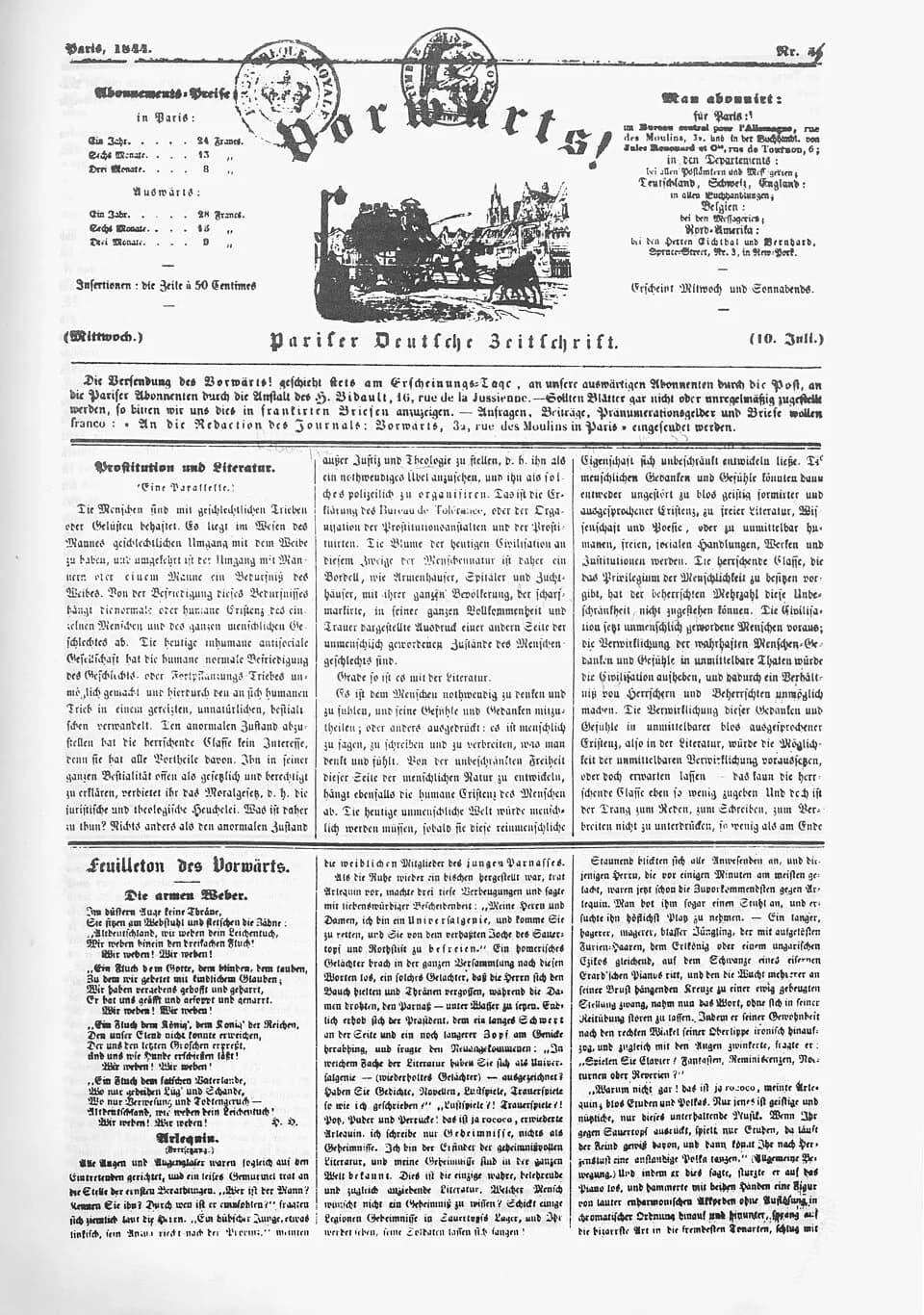
Beyond his lyrical prowess, Heine's career was marked by his versatile engagement across numerous professional capacities, reflecting a relentless intellectual curiosity and a sharp critical mind. He served as a prolific writer, a discerning literary critic, and an incisive journalist, regularly contributing to public discourse through his opinion pieces and critical essays. His roles as a publicist, essayist, and theatre critic allowed him to comment extensively on contemporary events, arts, and society, often employing a trenchant wit and a satirical edge. Furthermore, his involvement as a playwright and librettist, exemplified by works like Der fliegende Holländer, showcased his dramatic flair and his ability to adapt his literary talents to various artistic mediums, demonstrating a truly expansive contribution to the cultural landscape of his time.
Chapter 4· Chapter 4 of 7
Personal Life
While the provided information offers rich detail about Heinrich Heine's extensive professional endeavors and the profound impact of his literary contributions, specific biographical insights into his personal relationships and private interests remain largely unstated. His journey from Düsseldorf, Germany, to Paris, France, suggests a life lived amidst significant geographical and cultural transitions. The choice of Paris as his final resting place implies a connection to French intellectual circles and a personal preference for a life beyond his homeland. Although details of his family or intimate connections are not provided, his extensive body of work often contained deeply personal reflections, suggesting a rich inner world that fueled his extraordinary creativity.
Chapter 5· Chapter 5 of 7
Notable Works or Contributions
Heinrich Heine's enduring literary legacy is anchored by a collection of works that showcase his mastery across various genres, from deeply personal lyric poetry to incisive social commentary. His seminal collection, Buch der lieder, remains one of his most celebrated achievements, containing many of the poems that inspired generations of composers and defined the Romantic Lied tradition. This volume solidified his reputation as a lyrical genius, celebrated for his ability to intertwine profound emotion with sharp irony and elegant expression. Its resonance led to numerous translations and adaptations, including Livre des chants in French, Poesie liriche in Italian, and various English collections such as Poems of Heinrich Heine, all attesting to its universal appeal.
Beyond his lyrical works, Heine demonstrated his versatile prose talents with works like Reisebilder, a collection of travelogues that blended personal observations with social critique and satirical commentary on contemporary Germany. This work showcased his unique ability to use travel as a canvas for broader philosophical and political reflections, making him a significant voice in early German travel writing. Another notable contribution, Deutschland. Ein Wintermärchen, exemplifies his keen political and social commentary, presented through a narrative poem that critiqued German society with characteristic wit and critical insight. Furthermore, works like Neuer Frühling further expanded his poetic output, while his involvement in projects like Der fliegende Holländer as a librettist underscores his engagement with dramatic and operatic forms. These diverse works collectively illustrate the breadth and depth of Heine's literary genius, cementing his position as a central figure in 19th-century European literature.
Chapter 6 · 1856· Chapter 6 of 7
Later Years
Heinrich Heine spent his final years in Paris, France, where he continued to write and exert influence despite declining health. His relocation from Germany marked a significant chapter in his life, allowing him to engage with French intellectual currents and observe German affairs from a critical distance. He passed away on February 17, 1856, in Paris, bringing to a close a life dedicated to literature and critical thought. Even in his later period, his works continued to challenge conventions and inspire readers with their blend of beauty, wit, and intellectual rigor, further solidifying his place in literary history.
Chapter 7· Chapter 7 of 7
Legacy and Impact
The legacy of Heinrich Heine resonates powerfully through the annals of German and European literature, cementing his status as a poet, writer, and literary critic of immense historical significance. His early lyric poetry, in particular, exerted a lasting influence, not only within literary circles but also across the musical landscape, with his verses forming the basis for some of the most beloved Lieder by composers like Felix Mendelssohn, Robert Schumann, and Franz Schubert. This unique intertwining of poetry and music ensured his works reached an even wider audience, embedding his lyrical artistry deeply within the cultural fabric of his time and beyond. His ability to synthesize Romantic emotionalism with Enlightenment rationalism, often expressed through satire and irony, provided a fresh and influential voice that challenged contemporary norms.
Heine's distinctive blend of sharp intellect, profound lyricism, and unsparing social commentary left an enduring mark on the development of German literature and critical thought. As a journalist, publicist, and literary critic, he was a fearless commentator on the political and cultural issues of his day, contributing significantly to public discourse. His willingness to challenge authority and articulate complex ideas, often with wit and elegance, solidified his reputation as a fearless intellectual. Heinrich Heine’s works continue to be studied, performed, and cherished today, confirming his lasting relevance and his indelible contribution to the literary and artistic world.
A life in moments
The moments that shaped a life
FAQ
Frequently asked
When did Heinrich Heine die?
Heinrich Heine died on February 17, 1856 in Paris, France, at the age of 58.
Where was Heinrich Heine born?
Heinrich Heine was born in Düsseldorf, Germany on December 13, 1797.
What is Heinrich Heine best known for?
Heinrich Heine is best known for German poet, writer and literary critic.
How old was Heinrich Heine when they died?
Heinrich Heine was 58 years old at the time of death.
What nationality was Heinrich Heine?
Heinrich Heine was from Germany.
Timeline
Life at a glance
Photo gallery
A life in pictures
Click any polaroid to expand · 47 photos
QR Code
Share This Biography
Print & Share
Scan to visit this biography page. Print for events, exhibitions, or educational materials.