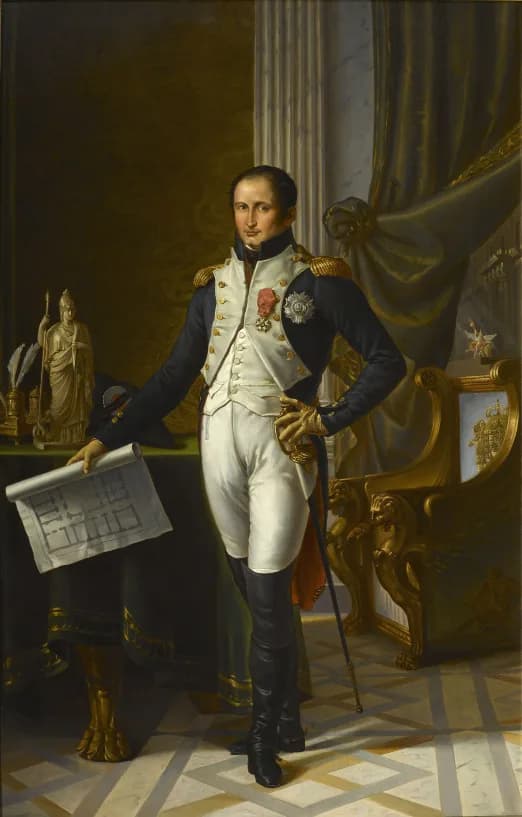
Born
January 7, 1768
Corte, France
Died
July 28, 1844
Florence, Kingdom of Italy
Known for
brother of Napoleon Bonaparte; King of Naples (1806–08) and Spain (1808–13)
Joseph Bonaparte (1768–1844) was France best known for brother of Napoleon Bonaparte; King of Naples (1806–08) and Spain (1808–13).
Joseph Bonaparte (January 7, 1768 – July 28, 1844) was a French politician, military officer, and diplomat. He famously served as King of Naples from 1806 to 1808 and King of Spain from 1808 to 1813, appointed by his brother Napoleon Bonaparte. His life exemplified the era's dramatic political shifts and imperial ambitions.
Chapter
Life chapters
Chapter 1 · 1768· Chapter 1 of 7
Early Life and Origins
Joseph Bonaparte was born on January 7, 1768, in Corte, France. As the first surviving son of Carlo Bonaparte and Maria Letizia Ramolino, he held a significant position within a large and ambitious family. His early years were spent on the island of Corsica, where his family had deep roots, shaping his foundational experiences.
His upbringing instilled in him a strong sense of family loyalty and an understanding of the complex political currents of late 18th-century Europe. Joseph received a thorough education, which included legal studies, preparing him for a career in public service. This legal background, noted by his contemporaries, would later prove valuable in his diplomatic and administrative roles.
Chapter 2· Chapter 2 of 7
Career Beginnings
Joseph Bonaparte began his professional life as a lawyer, a profession that provided him with a solid foundation in governance and legal frameworks. His early career as a statesman and diplomat saw him engage with various European courts and political figures. He navigated the intricate world of international relations, representing French interests and building a reputation for his diplomatic skills.
His familial connection to Napoleon Bonaparte, who was rapidly ascending through the ranks of the French military and political landscape, inevitably shaped Joseph's own trajectory. He served in various capacities during the French Revolutionary period, leveraging his legal acumen and diplomatic talents. These early experiences laid the groundwork for his later, more prominent appointments within the burgeoning Napoleonic Empire, preparing him for the weighty responsibilities that would soon befall him.
Chapter 3 · 1806· Chapter 3 of 7
Major Achievements and Career Highlights
Joseph Bonaparte's most significant achievements stemmed directly from his brother Napoleon's imperial ambitions. In 1806, Napoleon made him King of Naples, a crucial position in the French-dominated southern Italian peninsula. During his two-year reign in Naples, Joseph worked to modernize the kingdom's administration, legal system, and social structures, introducing reforms inspired by the French model.
Following his time in Naples, Joseph was elevated to an even more challenging role in 1808 when Napoleon appointed him King of Spain and the Indies. This appointment placed him at the head of a vast and complex empire, though his rule was immediately met with fierce resistance from the Spanish populace. Despite the continuous warfare and popular uprisings that characterized his reign, Joseph attempted to implement liberal reforms and improve the country's infrastructure. He navigated a difficult political climate, striving to establish a stable and effective government amidst widespread conflict, and his efforts, though often hampered by circumstances, reflected his dedication to his duties until his eventual abdication in 1813.
Chapter 4· Chapter 4 of 7
Personal Life
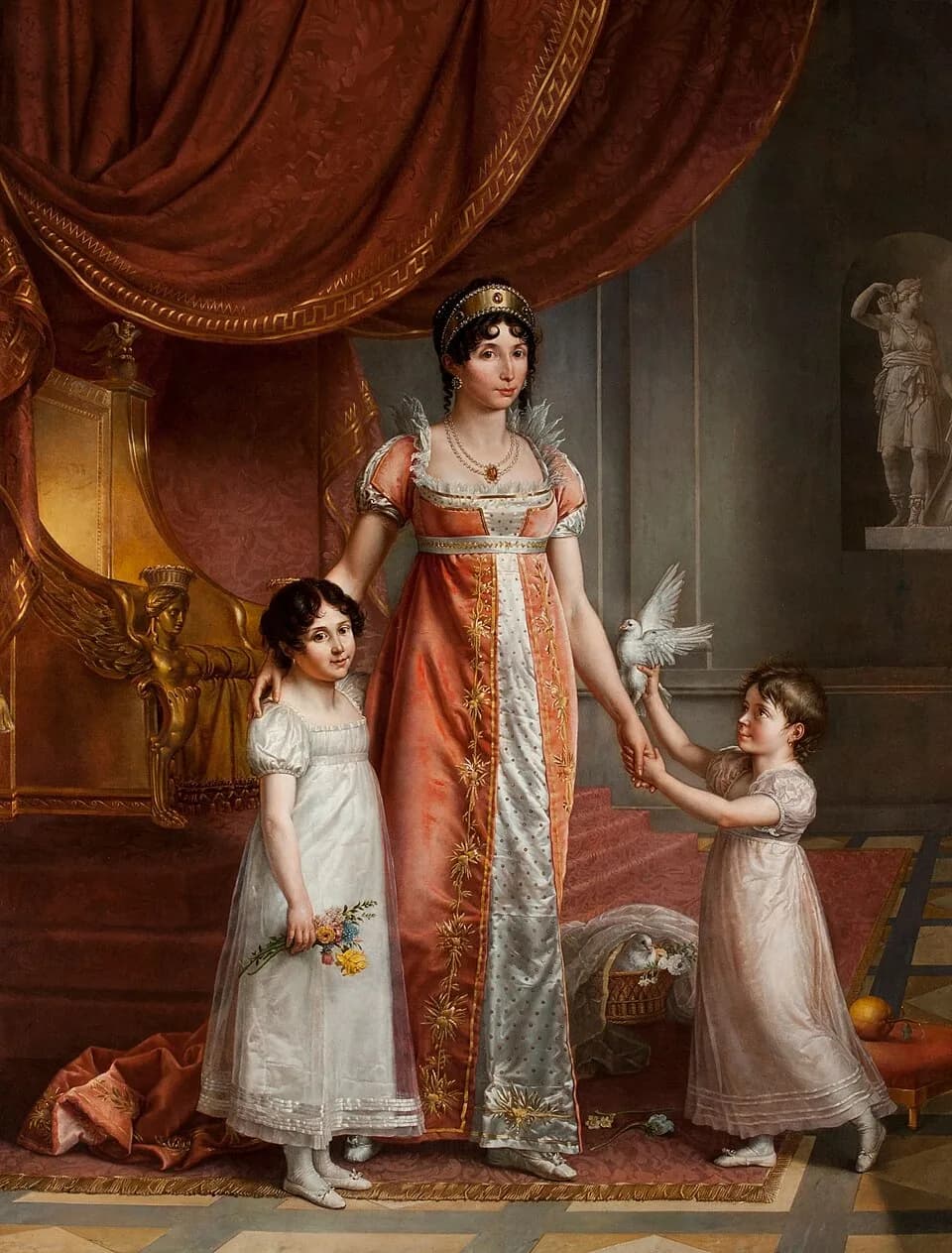
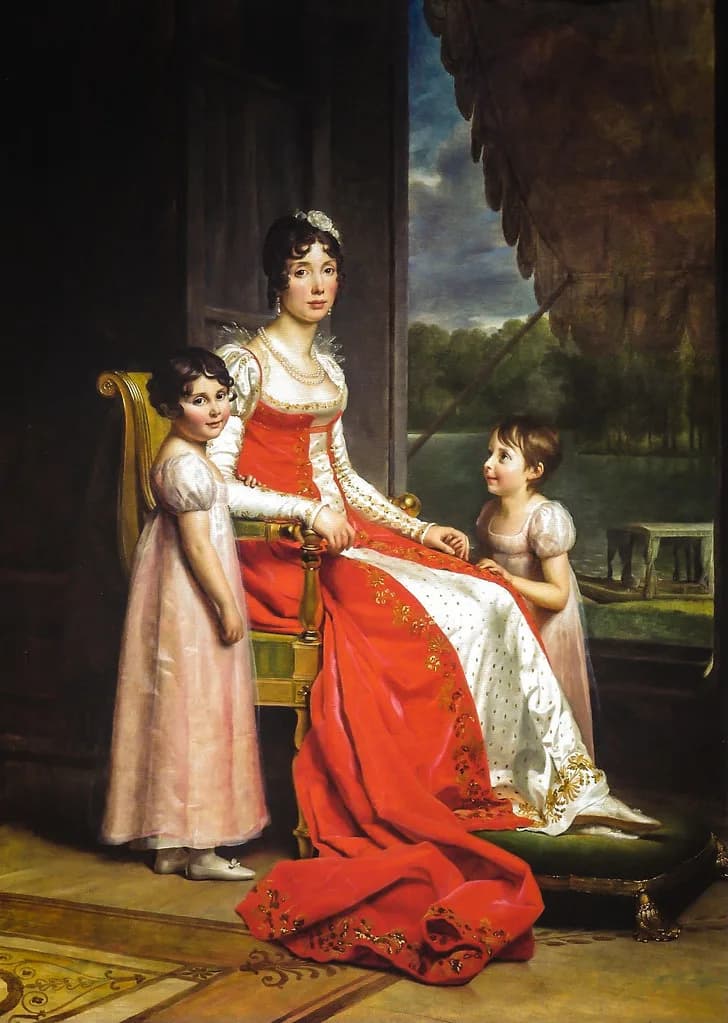
Joseph Bonaparte's personal life was largely intertwined with his public roles and his powerful family connections. As the elder brother of Napoleon, he was a central figure in a family that dominated European politics for over a decade. His family relationships were a defining aspect of his existence, influencing his opportunities and responsibilities. He was married to Marie Julie Clary, with whom he had two daughters.
His professional identity as a politician, military officer, and diplomat meant that much of his life was spent in the public eye, managing the expectations and challenges associated with his royal titles. While specific details of his private interests beyond his public duties are less emphasized in historical records, his commitment to his assigned roles suggests a deeply engaged and disciplined individual. His later life in the United States also offered a unique period of respite and personal reflection, away from the intense pressures of European monarchical rule.
Chapter 5· Chapter 5 of 7
Notable Works or Contributions
While Joseph Bonaparte is not known for specific published works in the literary or scientific sense, his significant contributions lie in his extensive career as a statesman, lawyer, and diplomat. His legal background formed the basis of his administrative skills, which he applied diligently during his time as monarch. As King of Naples, he oversaw the implementation of significant administrative and legal reforms.
His efforts in Spain, though often overshadowed by military conflict, also involved attempts at modernizing the state and legal systems. Throughout his career, his diplomatic acumen was frequently employed in complex negotiations, serving the interests of France and later, his own kingdoms. He left behind a legacy of dedicated, albeit often embattled, governance and an enduring impact on the political landscape of early 19th-century Europe through his direct rule.
Chapter 6 · 1815· Chapter 6 of 7
Later Years
After the collapse of Napoleon's empire, Joseph Bonaparte's period of European kingship came to an end. He styled himself as the Comte de Survilliers and chose to emigrate to the United States in 1815. He settled in Bordentown, New Jersey, where he acquired the sprawling Point Breeze estate. Here, he lived a life of relative tranquility and respectability, becoming a notable figure in American society.
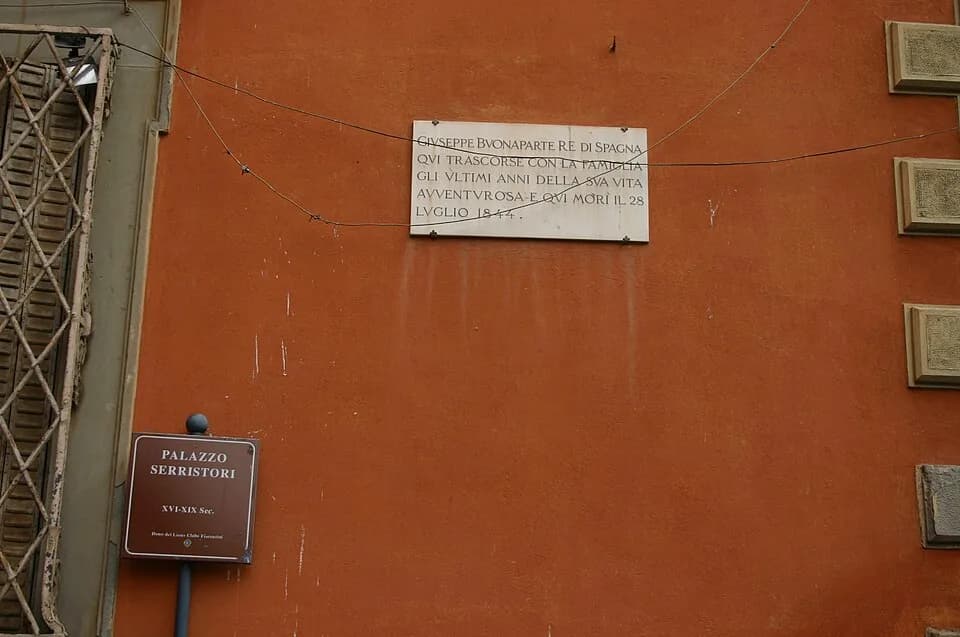
During his time in America, he engaged with intellectual circles and lived as an exiled dignitary, offering a unique perspective on European affairs. He eventually returned to Europe, spending his final years in the more temperate climate of Italy. Joseph Bonaparte passed away on July 28, 1844, in Florence, Kingdom of Italy, bringing to a close a life marked by extraordinary historical events and royal responsibilities.
Chapter 7· Chapter 7 of 7
Legacy and Impact
Joseph Bonaparte's legacy is intrinsically linked to the monumental era of his brother, Napoleon, and the transformative impact of the French Empire on Europe. As King of Naples and Spain, he represented the extension of Napoleonic power and the implementation of revolutionary reforms in traditional monarchies. His reigns, though contested, introduced new administrative and legal frameworks that had lasting effects on these regions, contributing to their modernization.
His role as a diplomat and statesman before and during his kingships demonstrates his personal talents for negotiation and governance. Furthermore, his emigration to the United States after Napoleon's fall cemented his place as a unique figure in both European and American history. Joseph Bonaparte remains a compelling figure, symbolizing the complexities of power, family, and political change in one of Europe's most dynamic periods, remembered for his dedicated service in the face of immense historical pressure.
A life in moments
The moments that shaped a life


FAQ
Frequently asked
When did Joseph Bonaparte die?
Joseph Bonaparte died on July 28, 1844 in Florence, Kingdom of Italy, at the age of 76.
Where was Joseph Bonaparte born?
Joseph Bonaparte was born in Corte, France on January 7, 1768.
What is Joseph Bonaparte best known for?
Joseph Bonaparte is best known for brother of Napoleon Bonaparte; King of Naples (1806–08) and Spain (1808–13).
How old was Joseph Bonaparte when they died?
Joseph Bonaparte was 76 years old at the time of death.
What nationality was Joseph Bonaparte?
Joseph Bonaparte was from France.
Timeline
Life at a glance
Photo gallery
A life in pictures
Click any polaroid to expand · 50 photos
QR Code
Share This Biography
Print & Share
Scan to visit this biography page. Print for events, exhibitions, or educational materials.