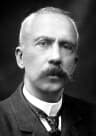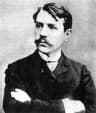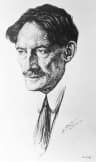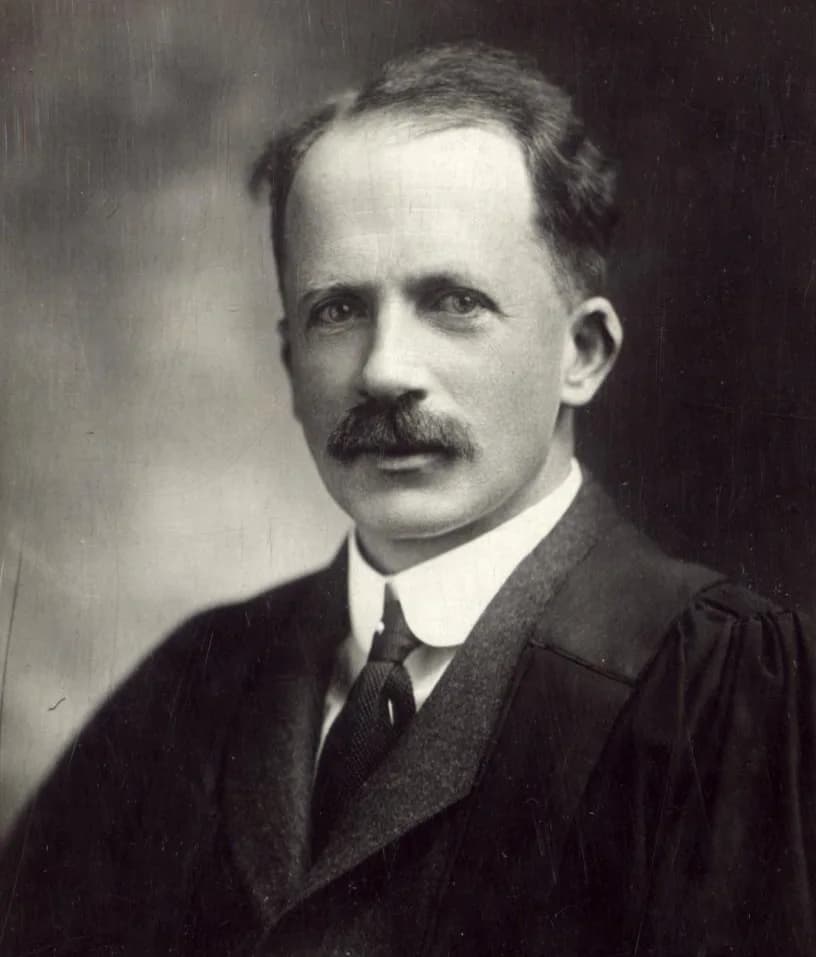
Born
September 6, 1876
Clunie, United Kingdom
Died
March 16, 1935
Aberdeen, United Kingdom
Known for
Nobel prize-winning Scottish physician and physiologist; co-discoverer of insulin
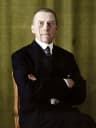
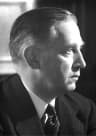
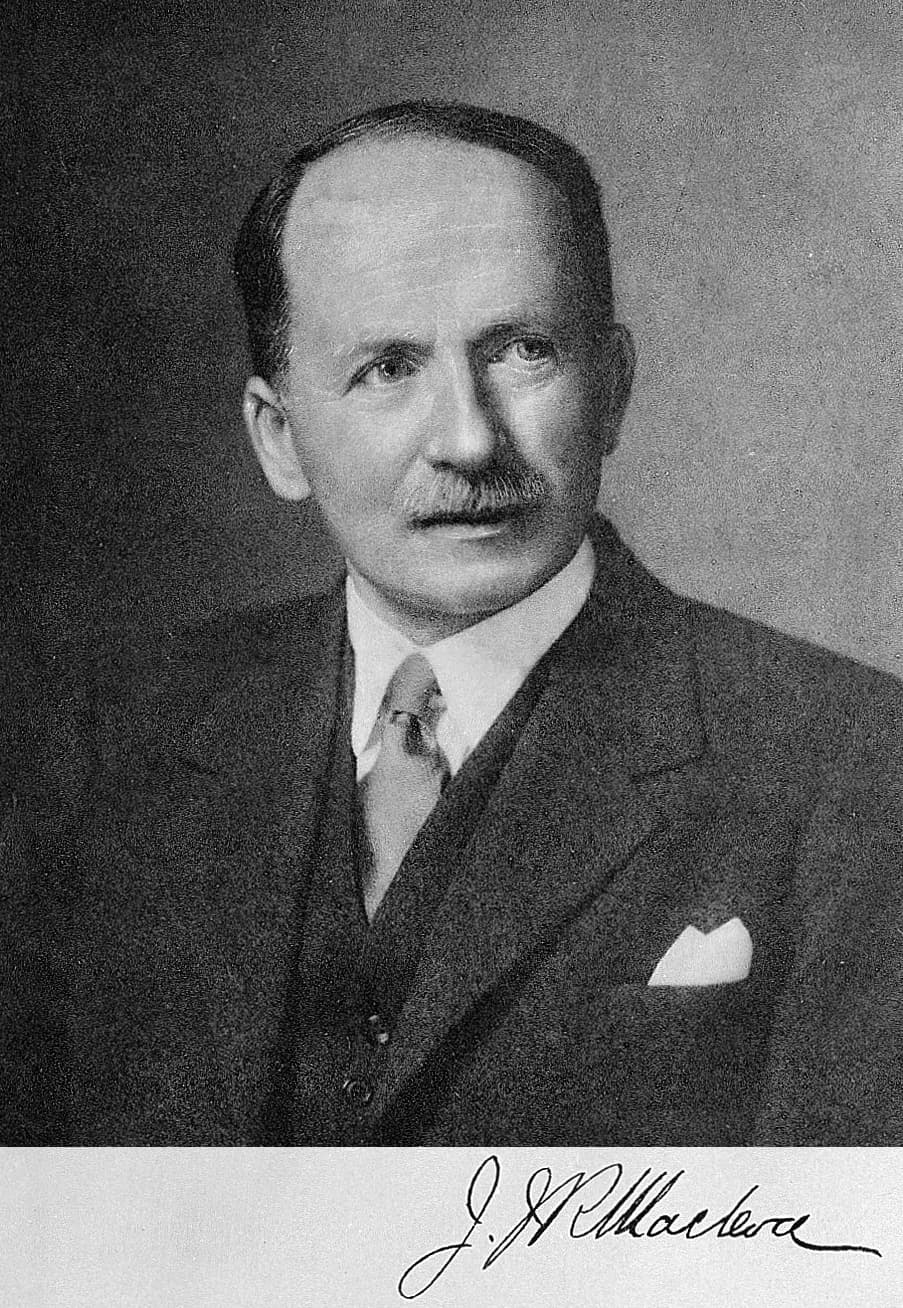
John James Rickard Macleod (1876–1935) was United Kingdom best known for Nobel prize-winning Scottish physician and physiologist; co-discoverer of insulin.
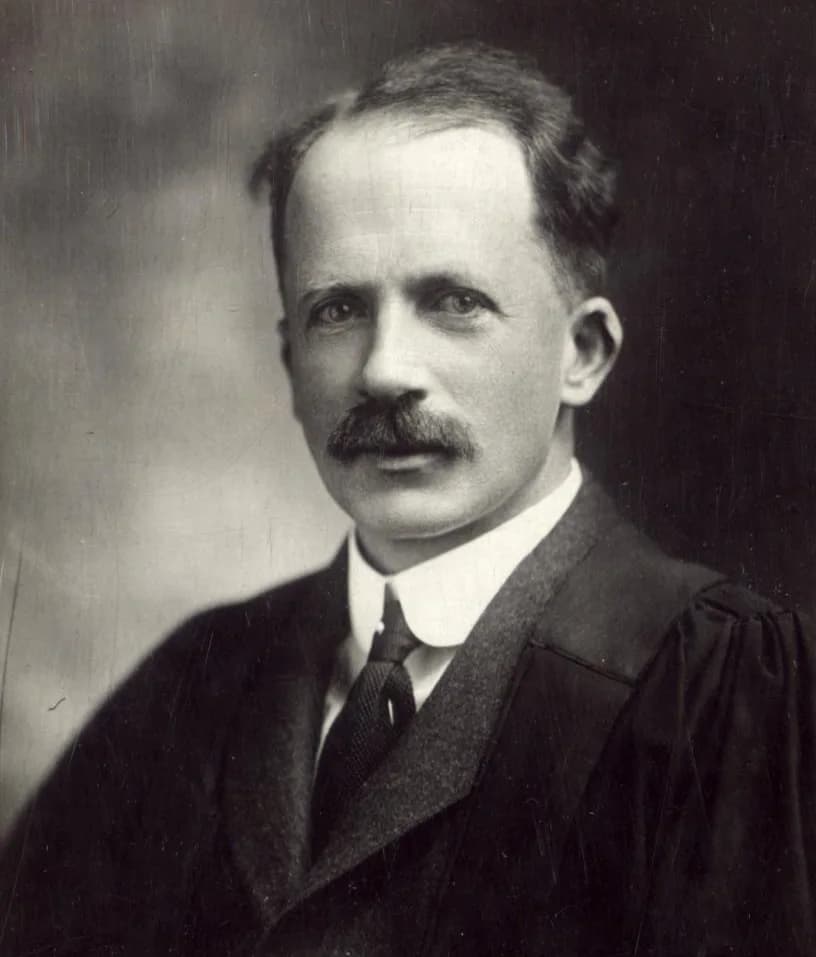
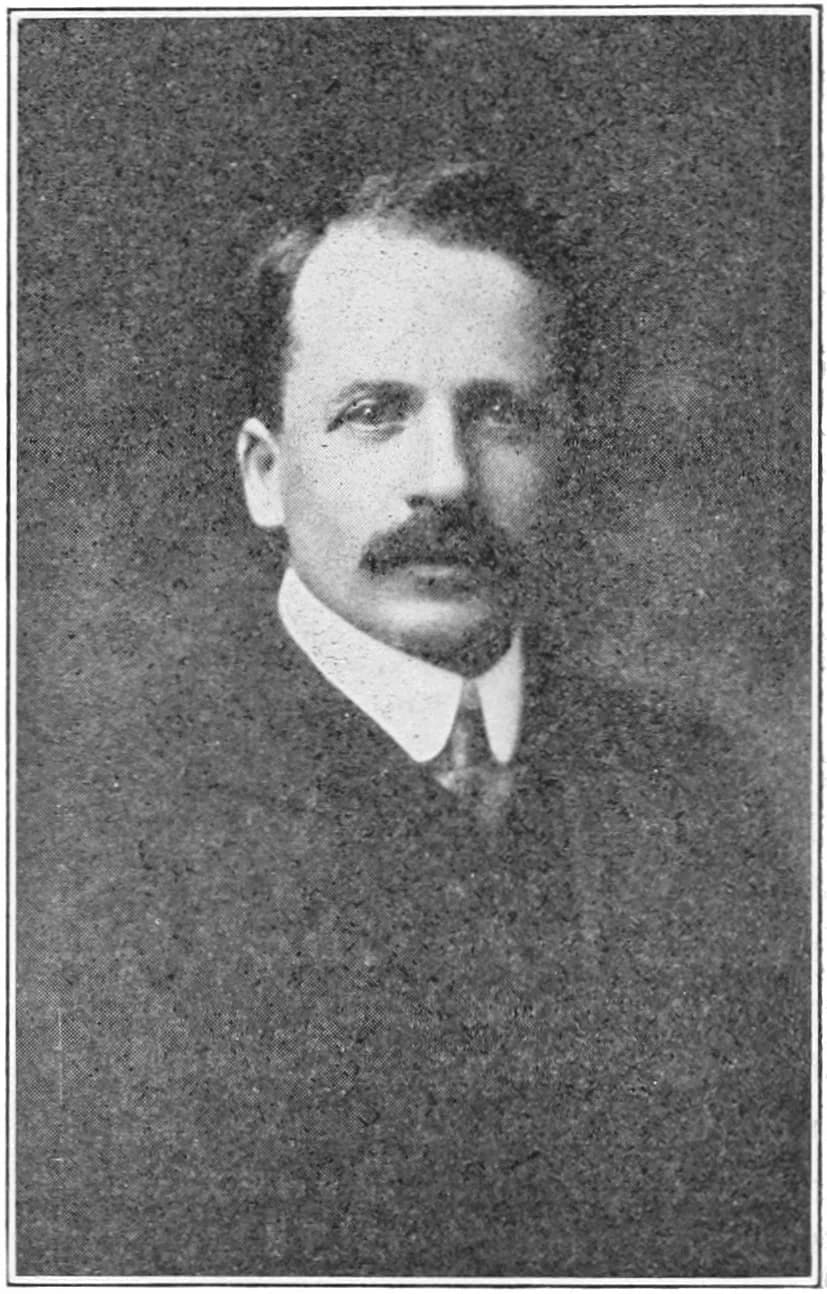
John James Rickard Macleod (September 6, 1876 – March 16, 1935) was a Scottish physician and physiologist. He is celebrated as a co-discoverer of insulin, a breakthrough that earned him the 1923 Nobel Prize in Physiology or Medicine. His essential scientific contributions continue to save countless lives globally.
Chapter
Life chapters
Chapter 1 · 1876· Chapter 1 of 8
Early Life and Origins
John James Rickard Macleod was born on September 6, 1876, in Clunie, United Kingdom. His early life in Scotland laid the foundation for a career dedicated to scientific inquiry and medical innovation. These formative years undoubtedly shaped his intellectual curiosity and his commitment to understanding the complexities of the human body.
Chapter 2· Chapter 2 of 8
Career Beginnings
Macleod pursued a diverse professional path, establishing himself as a physician, inventor, university teacher, and physiologist. His career was devoted to exploring various topics within physiology and biochemistry. He developed a chief interest in carbohydrate metabolism, a field central to his later groundbreaking work.
Chapter 3· Chapter 3 of 8
Major Achievements and Career Highlights
A defining period in Macleod's career came during his tenure as a lecturer at the University of Toronto. It was there that he played a crucial role in the discovery and isolation of insulin. This collaborative effort marked a turning point in medical history, offering hope to millions suffering from diabetes.
Chapter 4 · 1923· Chapter 4 of 8
Nobel Prize Recognition
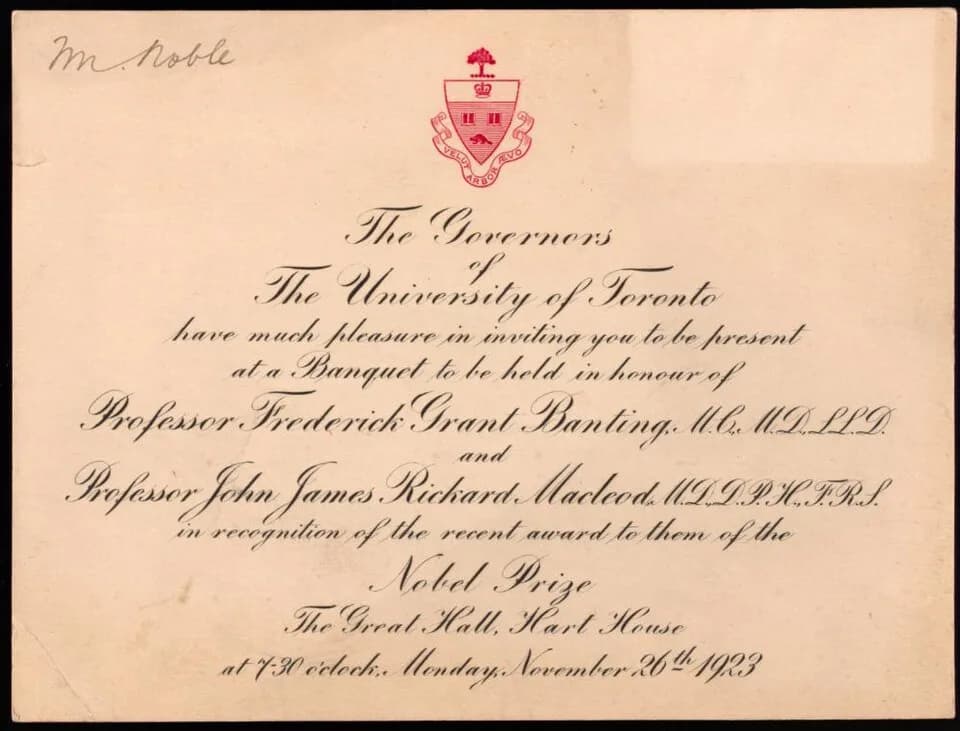
For this monumental discovery, Macleod, along with Frederick Banting, was awarded the 1923 Nobel Prize in Physiology or Medicine. The decision to award the prize to Macleod was met with some controversy at the time, with Banting's initial account downplaying Macleod's contributions. However, an independent review conducted decades later acknowledged Macleod's far greater role than was initially attributed to him.
Chapter 5· Chapter 5 of 8
Notable Works or Contributions
Macleod's most significant contribution remains the co-discovery of insulin, a hormone essential for regulating blood sugar. Beyond this, his dedication to the study of carbohydrate metabolism underscored his broader scientific commitment. His research provided foundational insights that continue to inform medical understanding today.
Chapter 6· Chapter 6 of 8
Later Recognition and Scientific Integrity
The historical re-evaluation of the insulin discovery process affirmed Macleod's scientific integrity and vital input. This later acknowledgment corrected earlier narratives, ensuring his rightful place in the pantheon of medical pioneers. It highlighted the meticulous research and guidance he provided to the Toronto team.
Chapter 7 · 1935· Chapter 7 of 8
Later Years
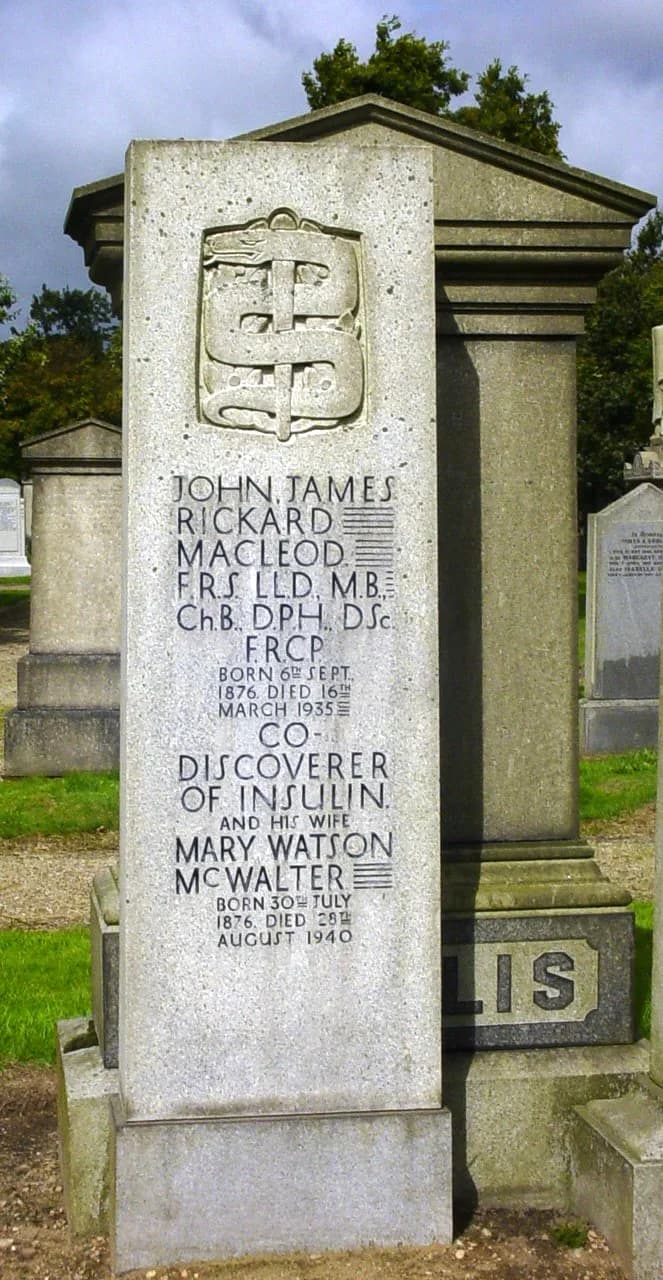
John James Rickard Macleod continued his scientific endeavors until his passing on March 16, 1935, in Aberdeen, United Kingdom. His death marked the end of a life rich in scientific exploration and significant medical advancement. He left behind a legacy that has profoundly impacted global health.
Chapter 8· Chapter 8 of 8
Legacy and Impact
The legacy of John James Rickard Macleod is inextricably linked to the ongoing fight against diabetes. His contributions to the discovery of insulin transformed a previously fatal disease into a manageable condition, saving countless lives across generations. His work remains a powerful reminder of the enduring power of scientific collaboration and inquiry.
A life in moments
The moments that shaped a life
FAQ
Frequently asked
When did John James Rickard Macleod die?
John James Rickard Macleod died on March 16, 1935 in Aberdeen, United Kingdom, at the age of 58.
Where was John James Rickard Macleod born?
John James Rickard Macleod was born in Clunie, United Kingdom on September 6, 1876.
What is John James Rickard Macleod best known for?
John James Rickard Macleod is best known for Nobel prize-winning Scottish physician and physiologist; co-discoverer of insulin.
How old was John James Rickard Macleod when they died?
John James Rickard Macleod was 58 years old at the time of death.
What nationality was John James Rickard Macleod?
John James Rickard Macleod was from United Kingdom.
Timeline
Life at a glance
Photo gallery
A life in pictures
Click any polaroid to expand · 34 photos
QR Code
Share This Biography
Print & Share
Scan to visit this biography page. Print for events, exhibitions, or educational materials.