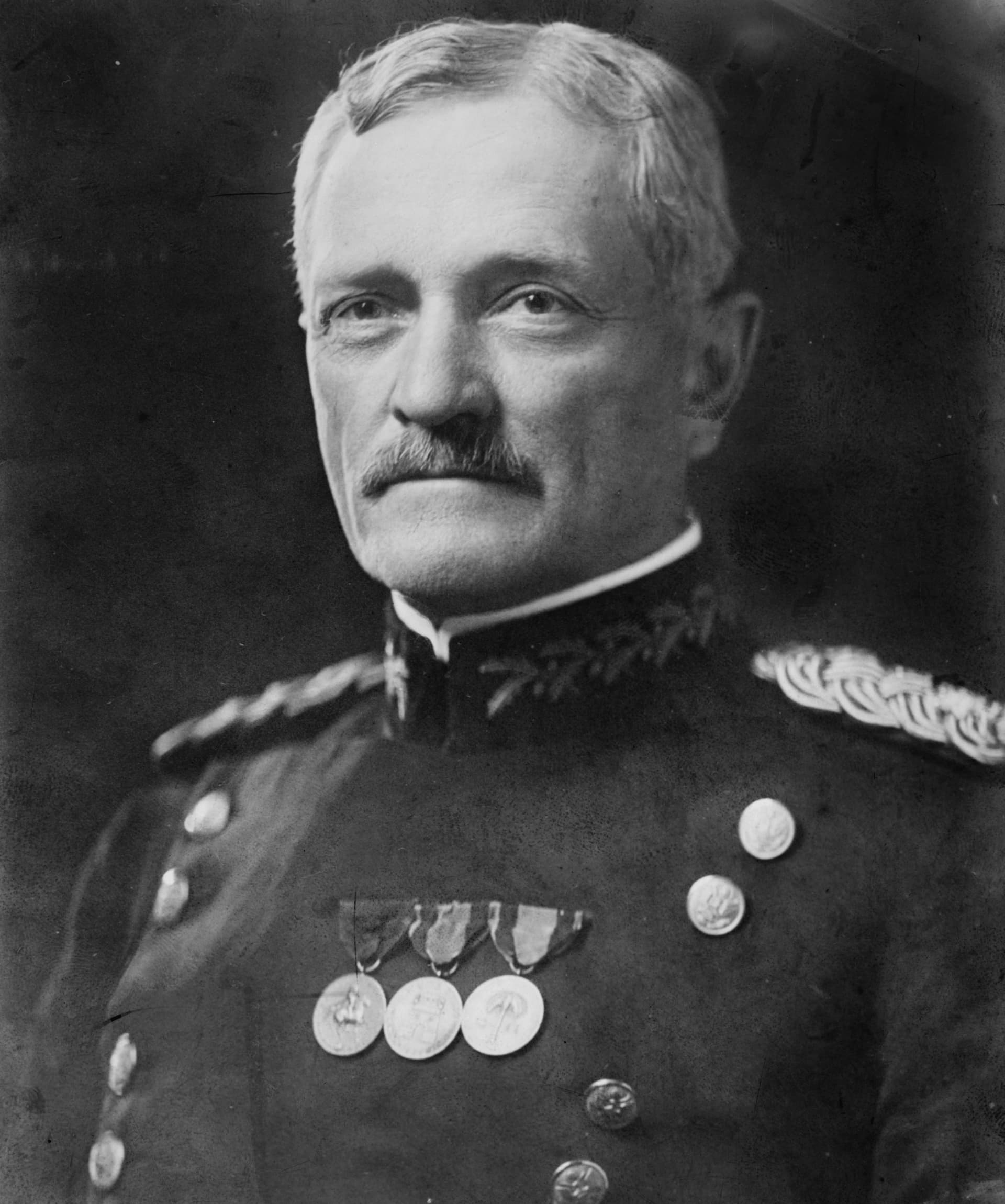
Born
September 13, 1860
Laclede, United States
Died
July 15, 1948
Washington, D.C., United States
Known for
United States Army general in World War I
John J. Pershing (1860–1948) was United States best known for United States Army general in World War I.
John Joseph Pershing (September 13, 1860 – July 15, 1948) was an American military officer and lawyer, widely known as 'Black Jack.' He commanded the American Expeditionary Forces during World War I, leading them to victory. His mentorship profoundly influenced future World War II generals, cementing his place in military history.
Chapter
Life chapters
Chapter 1 · 1917· Chapter 1 of 3
Forging American Might
Pershing’s leadership shone brightly during the Spanish-American War, where his gallantry was noted even by Theodore Roosevelt. Later, in the Philippine-American War, he commanded efforts to suppress insurrections, often engaging in direct, forceful actions. This early experience in command and conflict laid the groundwork for his most significant role. By 1917, as commander of the American Expeditionary Forces (AEF) during World War I, he faced immense pressure.
Both British and French allies demanded that American troops be integrated into their war-weary ranks. But Pershing stood firm. He insisted the AEF would operate as a single, independent unit under his command, preserving American identity and morale on the Western Front. While some American units fought under Allied command, such as in the Battle of Hamel, Pershing’s resolve created a unified American fighting force. He did, notably, allow segregated American all-black units to serve directly with the French Army.
Chapter 2 · 1918· Chapter 2 of 3
From St. Mihiel to the Argonne
Under Pershing's direct leadership, the First Army overwhelmed the German salient at St. Mihiel in September 1918. This dramatic success was followed by the Meuse-Argonne Offensive, where roughly 600,000 American soldiers engaged in 47 days of brutal fighting alongside the French. The scale and intensity of these actions played a crucial role in precipitating Germany’s call for an armistice. Pershing, however, believed the war should continue until Germany was fully occupied. This stance drew later criticism for the casualties incurred on the final day of the war, where nearly 11,000 soldiers, including 3,500 Americans, became casualties on November 11.
Chapter 3· Chapter 3 of 3
A Mentor's Enduring Legacy
Beyond the battlefield, Pershing’s legacy is perhaps most deeply etched in the generations of leaders he inspired. He was a direct mentor to many who would lead the United States Army in World War II. Figures like George C. Marshall and Dwight D. Eisenhower benefited from his guidance. So too did Omar Bradley, Lesley J. McNair, and George S. Patton. Even Douglas MacArthur was among his notable mentees.
John J. Pershing received the highest possible rank in the United States Army in his own lifetime: General of the Armies. Allowed to choose his own insignia, he simply continued to use four stars, a humble emblem for a general who shaped the very idea of American military power.
A life in moments
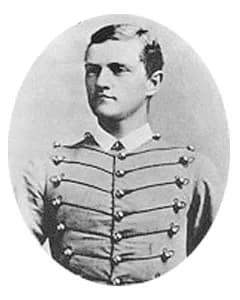
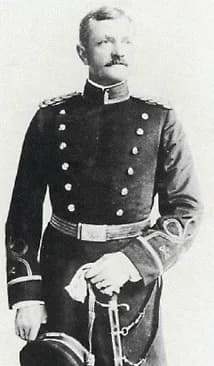
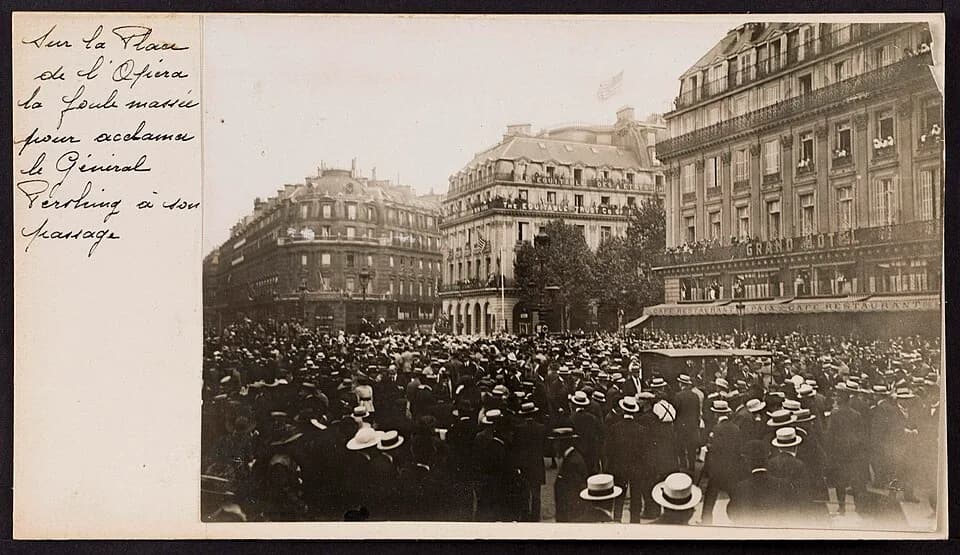
The moments that shaped a life
FAQ
Frequently asked
When did John J. Pershing die?
John J. Pershing died on July 15, 1948 in Washington, D.C., United States, at the age of 87.
Where was John J. Pershing born?
John J. Pershing was born in Laclede, United States on September 13, 1860.
What is John J. Pershing best known for?
John J. Pershing is best known for United States Army general in World War I.
How old was John J. Pershing when they died?
John J. Pershing was 87 years old at the time of death.
What nationality was John J. Pershing?
John J. Pershing was from United States.
Timeline
Life at a glance
Photo gallery
A life in pictures
Click any polaroid to expand · 24 photos
QR Code
Share This Biography
Print & Share
Scan to visit this biography page. Print for events, exhibitions, or educational materials.