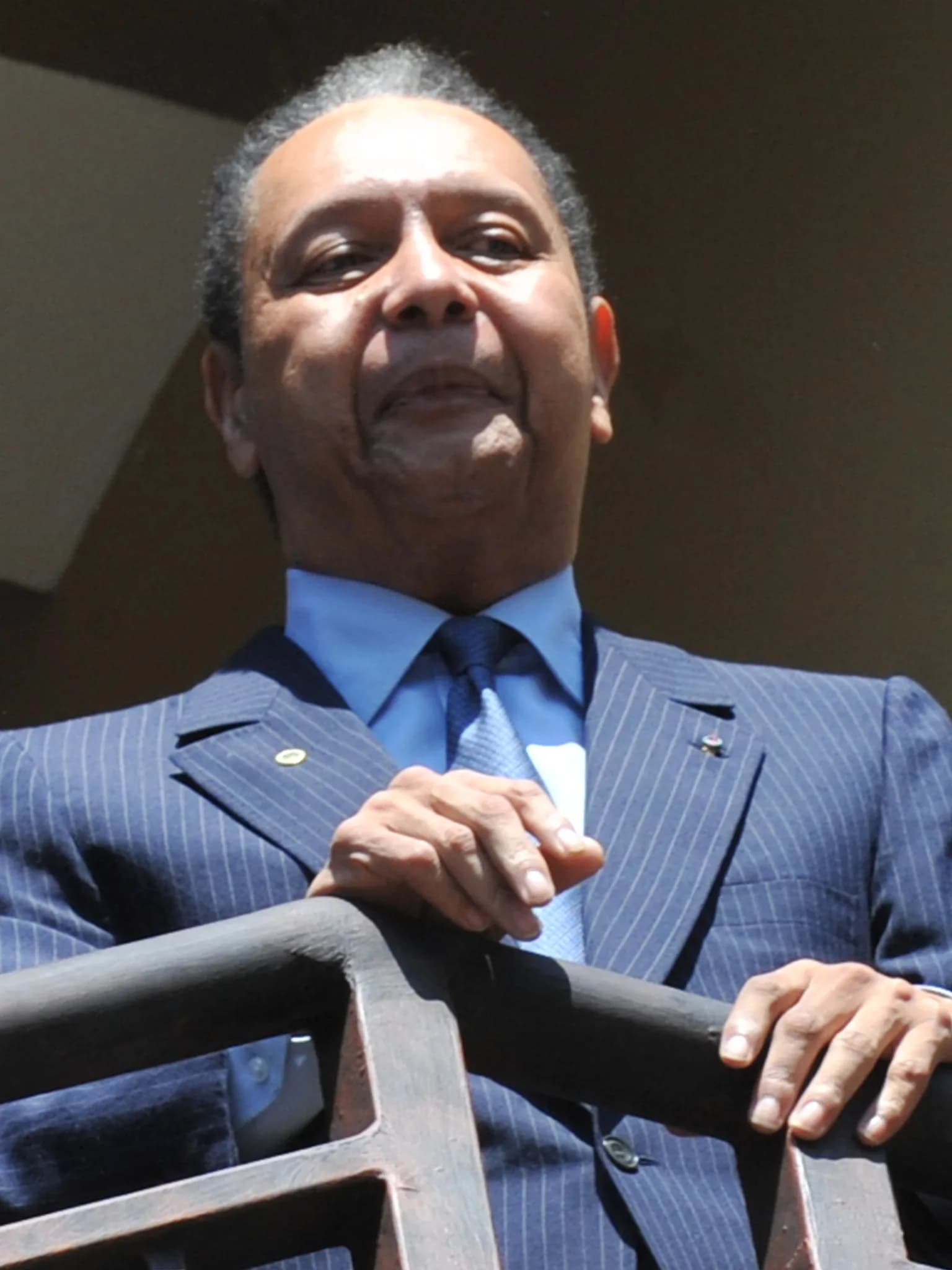
Born
July 3, 1951
Port-au-Prince, Haiti
Died
October 4, 2014
Port-au-Prince, Haiti
Known for
President of the Republic of Haiti
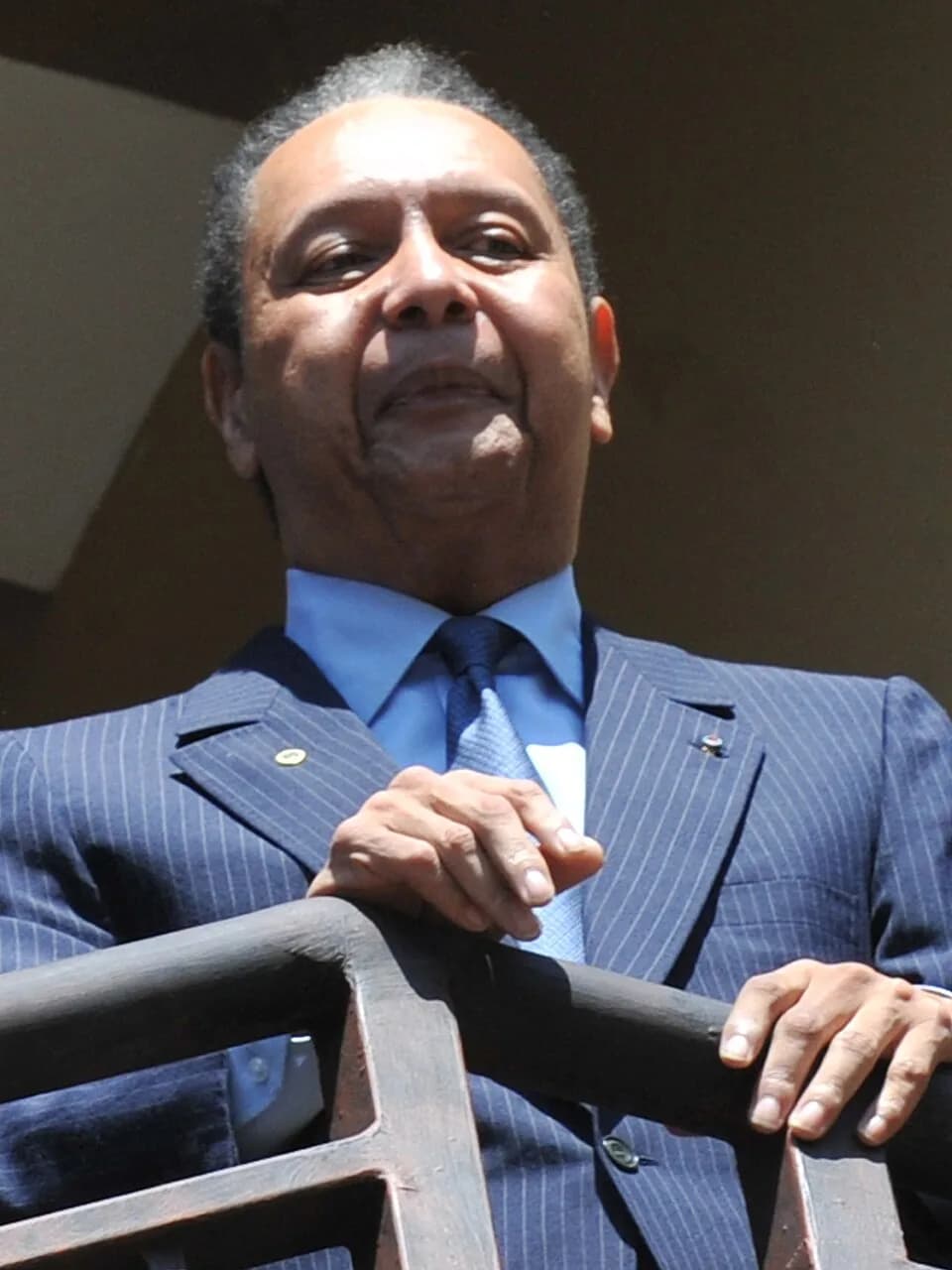
Jean-Claude Duvalier (1951–2014) was Haiti best known for President of the Republic of Haiti.
Jean-Claude Duvalier (July 3, 1951 – October 4, 2014) was a politician from Haiti. He served as President of the Republic of Haiti from 1971 until his overthrow in 1986. His rule was marked by significant political challenges and a lavish personal lifestyle amidst national poverty.
Chapter
Life chapters
Chapter 1 · 1951· Chapter 1 of 5
Early Life and Origins
Born on July 3, 1951, in Port-au-Prince, Haiti, Jean-Claude Duvalier's early life was intimately connected with the nation's political elite. He was the son of François "Papa Doc" Duvalier, who had been the formidable ruler of Haiti before him. This familial background placed him directly within the highest echelons of power from birth.
His formative years were spent within the direct orbit of the presidential palace, providing him with an unparalleled, albeit unusual, upbringing. This constant immersion in the mechanisms of national governance and political decision-making likely influenced his perspective on leadership. From a very young age, he was being prepared, directly or indirectly, to potentially inherit a position of immense authority.
Chapter 2 · 1971· Chapter 2 of 5
Career Beginnings
Following the death of his father in 1971, Jean-Claude Duvalier unexpectedly ascended to the presidency of Haiti at just 19 years old. This sudden transition made him one of the youngest heads of state in the entire world, thrusting him into a role of immense national responsibility. His succession effectively continued the Duvalier family's long-standing political dynasty.
He quickly earned the widely used nickname "Baby Doc," which served to differentiate him from his powerful predecessor, "Papa Doc." This significant moment marked the official commencement of his extensive 15-year tenure as the absolute ruler of the Republic of Haiti. His initial actions involved assuming direct control over a nation characterized by deep-seated political and social challenges.
Chapter 3· Chapter 3 of 5
Major Events During Presidency
Early in his administration, President Jean-Claude Duvalier implemented what were officially termed "cosmetic changes" to his father's deeply entrenched authoritarian regime. These surface-level modifications were largely aimed at subtly improving the international perception and public image of the Haitian government. However, beneath these superficial adjustments, the fundamental structures of absolute power remained firmly in place.
Throughout his rule, he notably chose to delegate a substantial portion of his executive authority to a close circle of trusted advisors. This approach meant that many significant policy decisions and governmental actions were influenced by a broader council of officials. The widespread implications of these high-level decisions profoundly impacted the daily lives of Haitian citizens across the nation.
A defining and tragic characteristic of his presidency was the widespread perpetration of severe human rights abuses against the Haitian populace. During this dark period, thousands of innocent Haitians were subjected to brutal torture, and many ultimately lost their lives under the regime. These horrific actions systematically fostered an environment of pervasive fear and deep-seated political dissent throughout the country.
Consequently, as a direct and devastating result of the oppressive political climate and the systematic human rights violations, an estimated hundreds of thousands of Haitians were compelled to flee their homeland. This massive exodus represented a desperate search for safety and stability, creating a significant and enduring Haitian diaspora across the globe. This demographic shift profoundly altered the social fabric and future trajectory of Haiti.
In stark contrast to the immense suffering and deprivation experienced by the majority of his people, President Duvalier himself maintained a famously lavish and extravagant personal lifestyle. This glaring disparity between his opulent existence and the overwhelming poverty endured by the general population became a notorious point of severe international and domestic criticism. Indeed, during his prolonged rule, poverty in Haiti tragically remained the most widespread and dire of any country situated within the entire Western Hemisphere.
Chapter 4 · 1986· Chapter 4 of 5
Later Years
The long-standing Duvalier regime ultimately reached its dramatic conclusion in February 1986, when Jean-Claude Duvalier was decisively overthrown by a powerful and widespread popular uprising. This collective surge of public unrest clearly signaled a national consensus for fundamental change and an end to the family's decades-long autocratic control over Haiti. Following these impactful protests, he promptly departed from Haiti into exile.
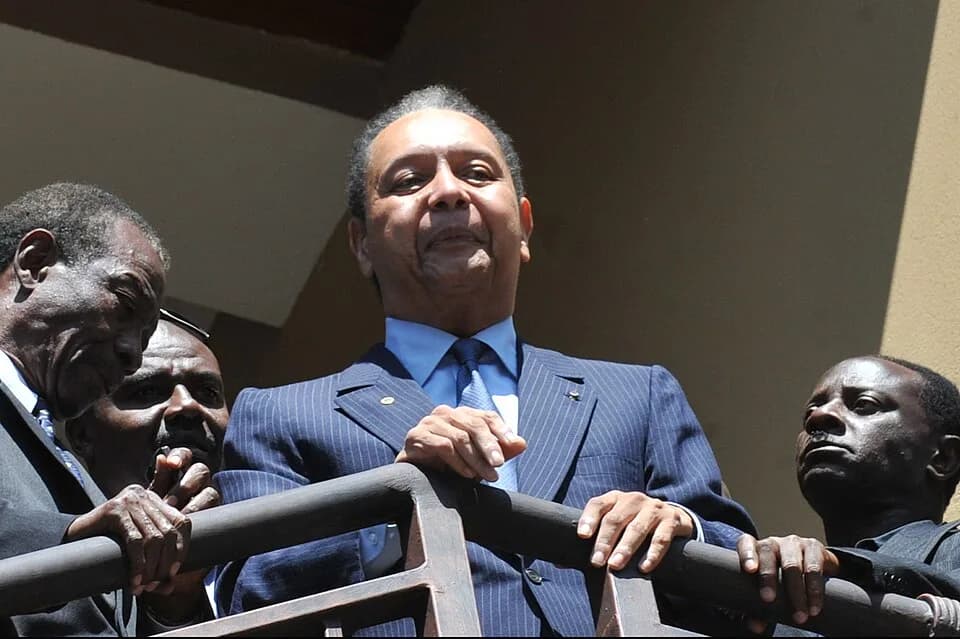
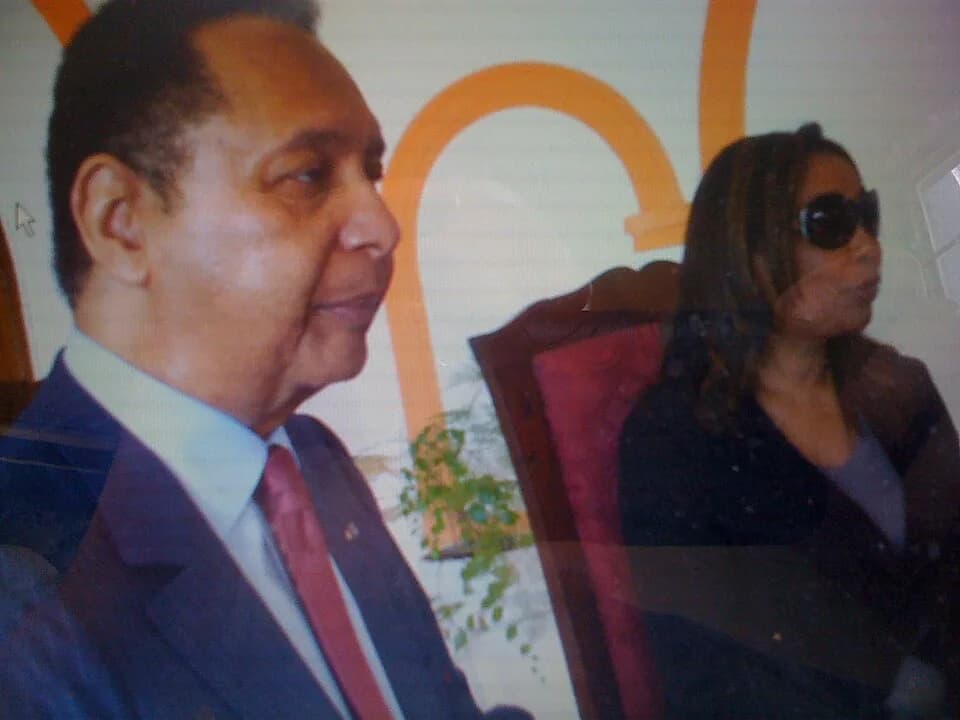
After his significant overthrow, Jean-Claude Duvalier spent many subsequent years living abroad, primarily residing in exile outside of his native Haiti. However, he made a notable and unexpected return to his home country in 2011, making a public appearance that garnered considerable international and local media attention. His final years were ultimately spent in Port-au-Prince, Haiti, the very city where his remarkable and controversial journey first began.
Chapter 5· Chapter 5 of 5
Legacy and Impact
Jean-Claude Duvalier's presidency undeniably left a deeply complex and enduring legacy on the nation of Haiti, one that continues to be debated and analyzed. His extended era in power is consistently remembered for its significant political transformations and the profound social and economic challenges that gripped the country. The nation continued to grapple with the multifaceted aftermath of his controversial rule for many subsequent years.
The dramatic events surrounding his overthrow by a broad popular movement prominently highlighted the inherent power of collective citizen action and the fervent desire for more democratic governance within Haiti. The significant year of 1986 therefore marked an undeniable turning point in the nation's often turbulent political trajectory. His lengthy time in power continues to serve as a crucial subject for rigorous historical study and critical analysis.
The pervasive issues of human rights abuses and the vast economic disparities that characterized his time in office continue to significantly inform contemporary discussions about Haitian governance and social justice. His unique and controversial story functions as a critical historical reference point for understanding the nation's ongoing development and its persistent struggles. The potent memory of his consequential rule inevitably shapes current conversations regarding national progress, accountability, and the pursuit of enduring justice in Haiti.
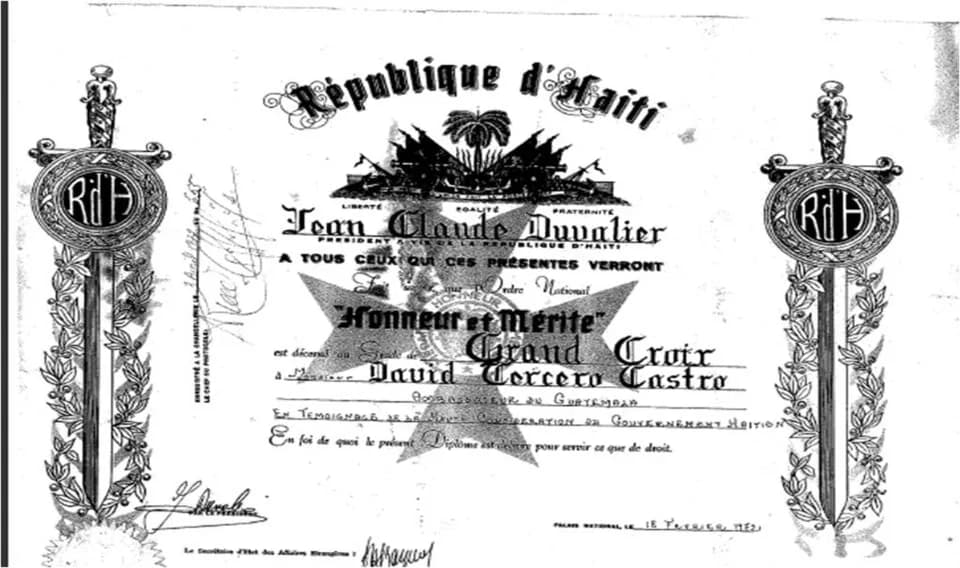
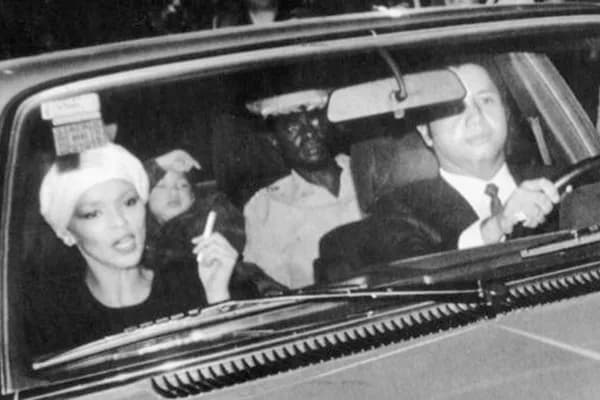
A life in moments
The moments that shaped a life
FAQ
Frequently asked
When did Jean-Claude Duvalier die?
Jean-Claude Duvalier died on October 4, 2014 in Port-au-Prince, Haiti, at the age of 63.
Where was Jean-Claude Duvalier born?
Jean-Claude Duvalier was born in Port-au-Prince, Haiti on July 3, 1951.
What is Jean-Claude Duvalier best known for?
Jean-Claude Duvalier is best known for President of the Republic of Haiti.
How old was Jean-Claude Duvalier when they died?
Jean-Claude Duvalier was 63 years old at the time of death.
What nationality was Jean-Claude Duvalier?
Jean-Claude Duvalier was from Haiti.
Timeline
Life at a glance
Photo gallery
A life in pictures
Click any polaroid to expand · 23 photos
QR Code
Share This Biography
Print & Share
Scan to visit this biography page. Print for events, exhibitions, or educational materials.