Born
October 20, 1740
Zuylen Castle, Netherlands
Died
December 27, 1805
Colombier, Switzerland
Known for
Dutch French-language writer and composer
Isabelle de Charrière (1740–1805) was Netherlands best known for Dutch French-language writer and composer.
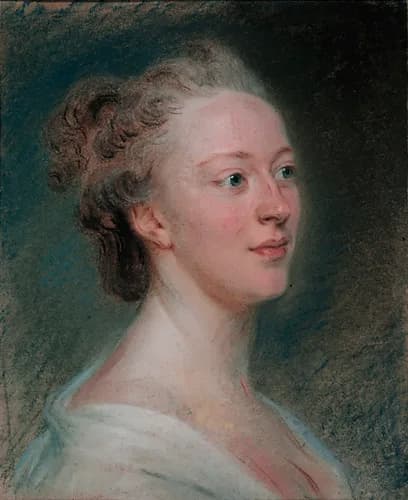
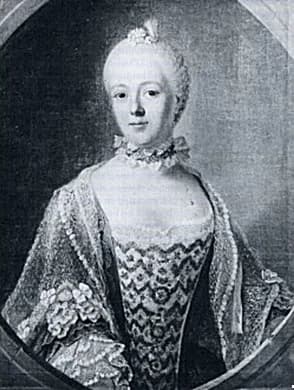
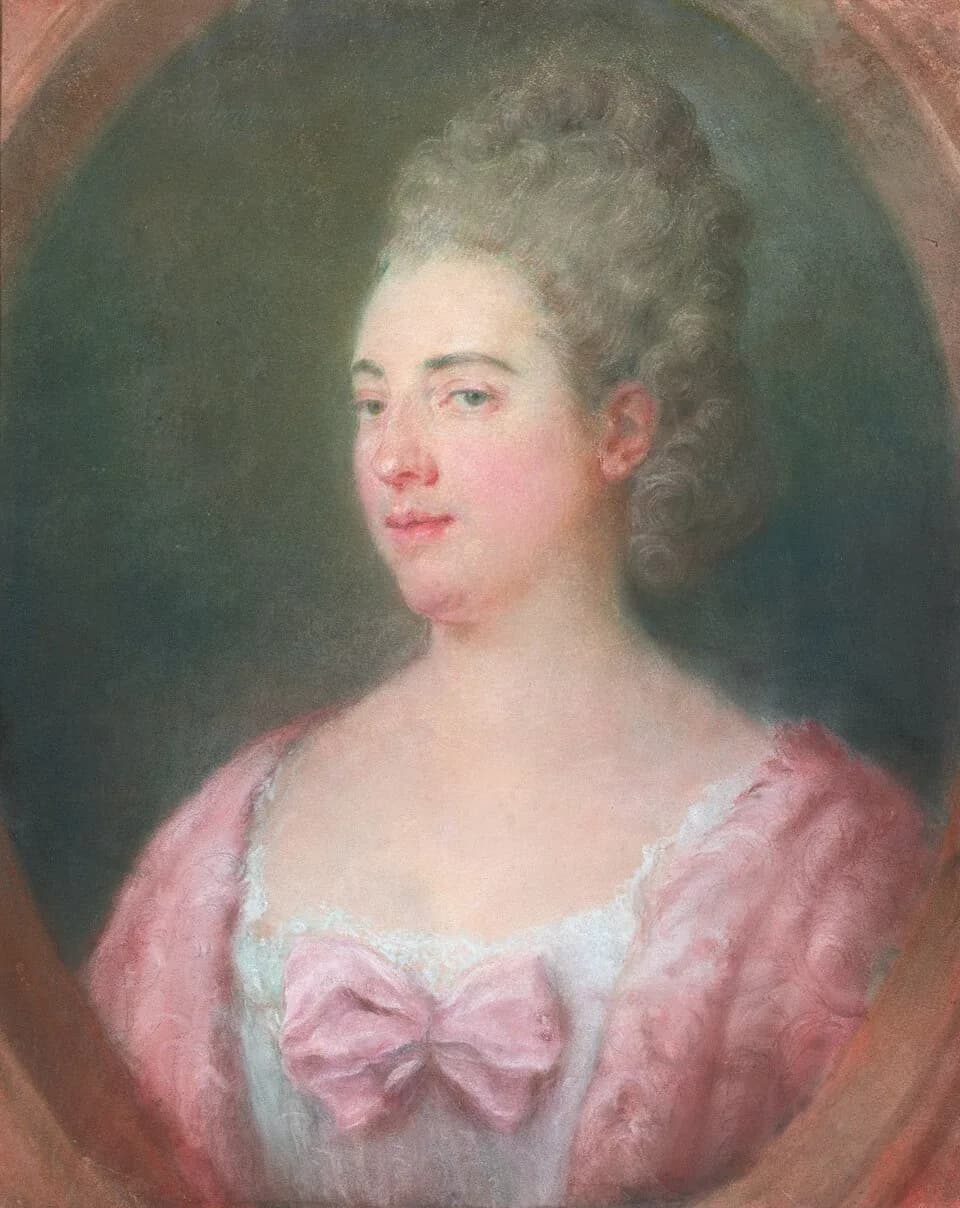
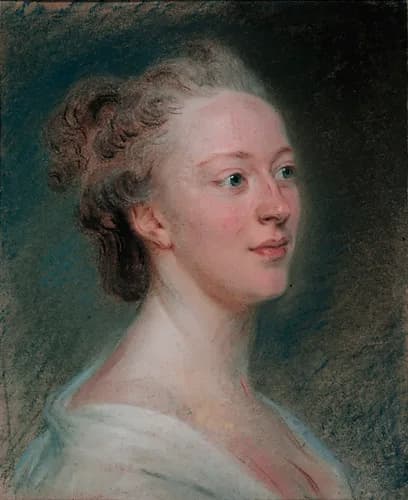
Isabelle de Charrière (October 20, 1740 – December 27, 1805) was a Dutch French-language writer and composer of the Enlightenment. She is best known for her letters and novels, which explored the society and politics of her age. Her work around the French Revolution is of particular interest, and her diverse contributions continue to be studied today.
A life in moments
The moments that shaped a life

Chapter
Life chapters
Chapter 1 · 1740· Chapter 1 of 8
An Enduring Voice of the Enlightenment
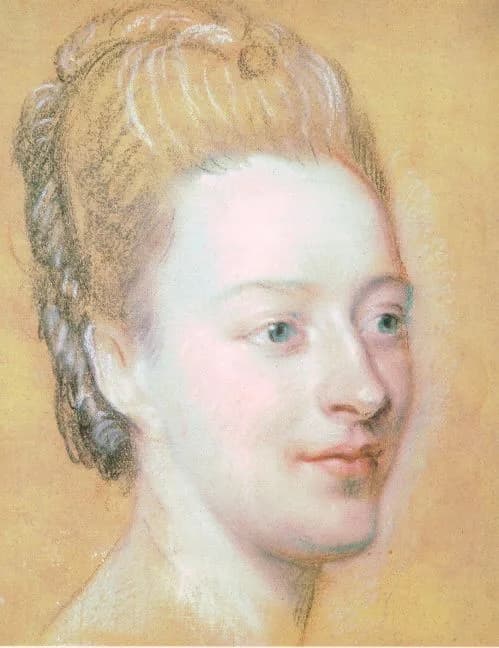
Isabelle de Charrière (October 20, 1740 – December 27, 1805) was a distinguished Dutch French-language writer and composer whose intellectual contributions continue to resonate. Known also as Madame de Charrière, and in the Netherlands as Belle van Zuylen, she became a prominent figure of the Enlightenment. Her work as a novelist, poet, playwright, translator, philosopher, and essayist explored the society and politics of her era with remarkable insight. She spent the latter half of her life in Colombier, Neuchâtel, Switzerland, where much of her significant output was produced.
Chapter 2 · 1740· Chapter 2 of 8
Early Life and Origins
Isabelle Agneta Elisabeth van Tuyll van Serooskerken, later known as Isabelle de Charrière, was born on October 20, 1740. Her birth took place at Zuylen Castle, a historic residence in the Netherlands, providing her with a refined upbringing. In her native country, she was affectionately recognized as Belle van Zuylen, a name still associated with her early life and identity.
Her early environment at Zuylen Castle fostered a keen intellect and a broad curiosity. This period undoubtedly laid the foundation for her later literary and musical endeavors. The cultural and social context of her youth influenced her observations and critical thinking, which she would later express in her extensive writings.
Chapter 3· Chapter 3 of 8
Career Beginnings
From an early stage, Charrière displayed a profound engagement with the society and politics of her time. She began her creative journey by crafting letters and early novels, which quickly established her as a perceptive voice. These initial efforts provided a powerful outlet for her emerging ideas and perspectives.
Her talents were not limited to prose; she also expressed herself through music and theatrical works. Charrière composed music and wrote plays, demonstrating a versatility that was rare among her contemporaries. This multifaceted approach to the arts marked the beginning of a prolific and diverse career.
Chapter 4· Chapter 4 of 8
Major Achievements and Career Highlights
A significant turn in Charrière's life and career occurred when she moved to Colombier, Neuchâtel, in the Principality of Neuchâtel. It was from this Swiss setting that she created many of the acclaimed works for which she is now celebrated. Her deep interest in contemporary events, particularly the period surrounding the French Revolution, imbued her writings with historical and social relevance.
Isabelle de Charrière's professional identity encompassed a wide array of roles, including writer, composer, poet, playwright, translator, novelist, philosopher, and essayist. Her ability to excel across such diverse disciplines underscores her intellectual prowess and commitment to the arts. She consistently produced thoughtful and engaging content that captivated her audience.
Chapter 5 · 1760· Chapter 5 of 8
Personal Life
Known intimately as Madame de Charrière, Isabelle led a life rich in intellectual exchange and personal reflection. Her extensive correspondence, most notably the collection *Lettre de Belle de Zuylen (Mme de Charrière) à Constant d'Hermenches 1760-1775*, offers unique insights into her personal thoughts and relationships. These letters reveal her perceptive mind and her active engagement with the world and individuals around her.
Chapter 6· Chapter 6 of 8
Notable Works or Contributions
Charrière's literary output was extensive and varied, showcasing her innovative narrative styles and profound engagement with societal norms. Among her significant prose works are *Four tales by Zélide*, *De edelman*, *Caliste, ou Lettres de Lausanne*, and *Mistriss Henley*. These titles reflect her keen observational skills and her ability to weave compelling stories.
Her bibliography further includes notable works such as *Trois romans d'Isabelle de Charrière*, *Lettres neuchâteloises*, *Le noble*, and *Caliste, ou, Suite des lettres écrites de Lausanne*. Additional contributions include *Caliste* and *Sir Walter Finch et son fils William*, all of which underscore her dedication to novel writing. These works continue to be studied for their historical and literary merit.
Beyond her literary accomplishments, Isabelle de Charrière was also an accomplished composer. Her musical talents are acknowledged through her discography, notably the release titled *Papillon* in 2011. This posthumous release serves as a testament to her creative range and enduring artistic legacy, allowing modern audiences to appreciate her compositions.
Chapter 7 · 1805· Chapter 7 of 8
Later Years
Isabelle de Charrière maintained her robust intellectual and creative pursuits throughout her later years. Her final period of life, spent in Colombier, Switzerland, was marked by continued productivity and reflection. She passed away on December 27, 1805, in Colombier, leaving behind a rich body of work created in the very place she had chosen to call home for so long.
Chapter 8· Chapter 8 of 8
Legacy and Impact
Isabelle de Charrière is remembered today as a foundational Dutch and Swiss writer of the Enlightenment era. Her astute observations on society and politics, particularly her perspectives during the tumultuous French Revolution, remain highly relevant. She bequeathed a substantial literary and musical legacy that continues to attract scholarly attention and public admiration.
Her celebrated letters and novels, such as *Caliste, ou Lettres de Lausanne*, stand as her most recognized contributions to literature. These works offer invaluable insights into 18th-century European thought, culture, and social dynamics. Scholars continue to analyze her sophisticated narratives and philosophical inquiries, confirming her lasting influence on intellectual discourse.
FAQ
Frequently asked
When did Isabelle de Charrière die?
Isabelle de Charrière died on December 27, 1805 in Colombier, Switzerland, at the age of 65.
Where was Isabelle de Charrière born?
Isabelle de Charrière was born in Zuylen Castle, Netherlands on October 20, 1740.
What is Isabelle de Charrière best known for?
Isabelle de Charrière is best known for Dutch French-language writer and composer.
How old was Isabelle de Charrière when they died?
Isabelle de Charrière was 65 years old at the time of death.
What nationality was Isabelle de Charrière?
Isabelle de Charrière was from Netherlands.
Timeline
Life at a glance
Photo gallery
A life in pictures
Click any polaroid to expand · 48 photos
QR Code
Share This Biography
Print & Share
Scan to visit this biography page. Print for events, exhibitions, or educational materials.